
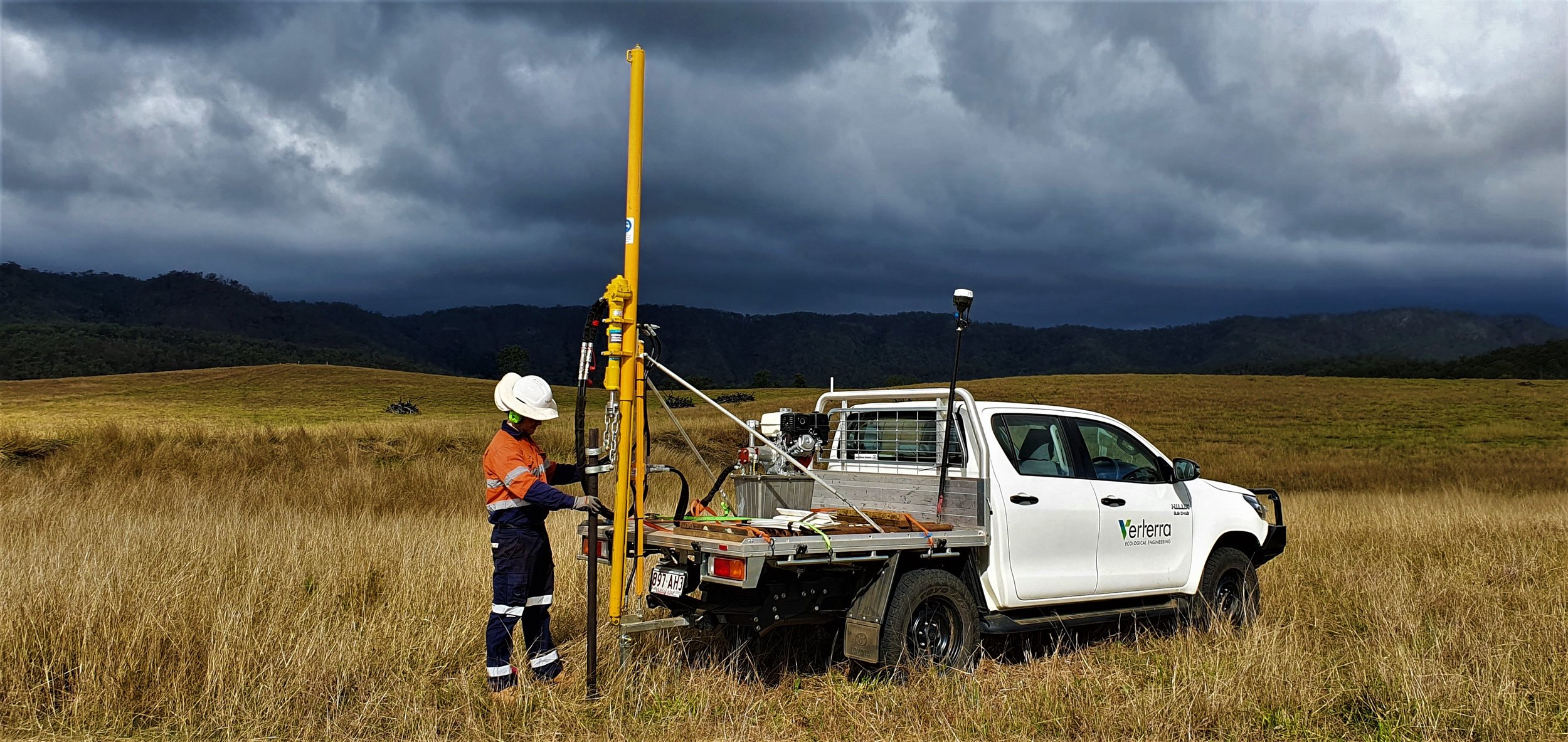
Verterra Projects
Discover our on-ground expertise in project design and delivery.
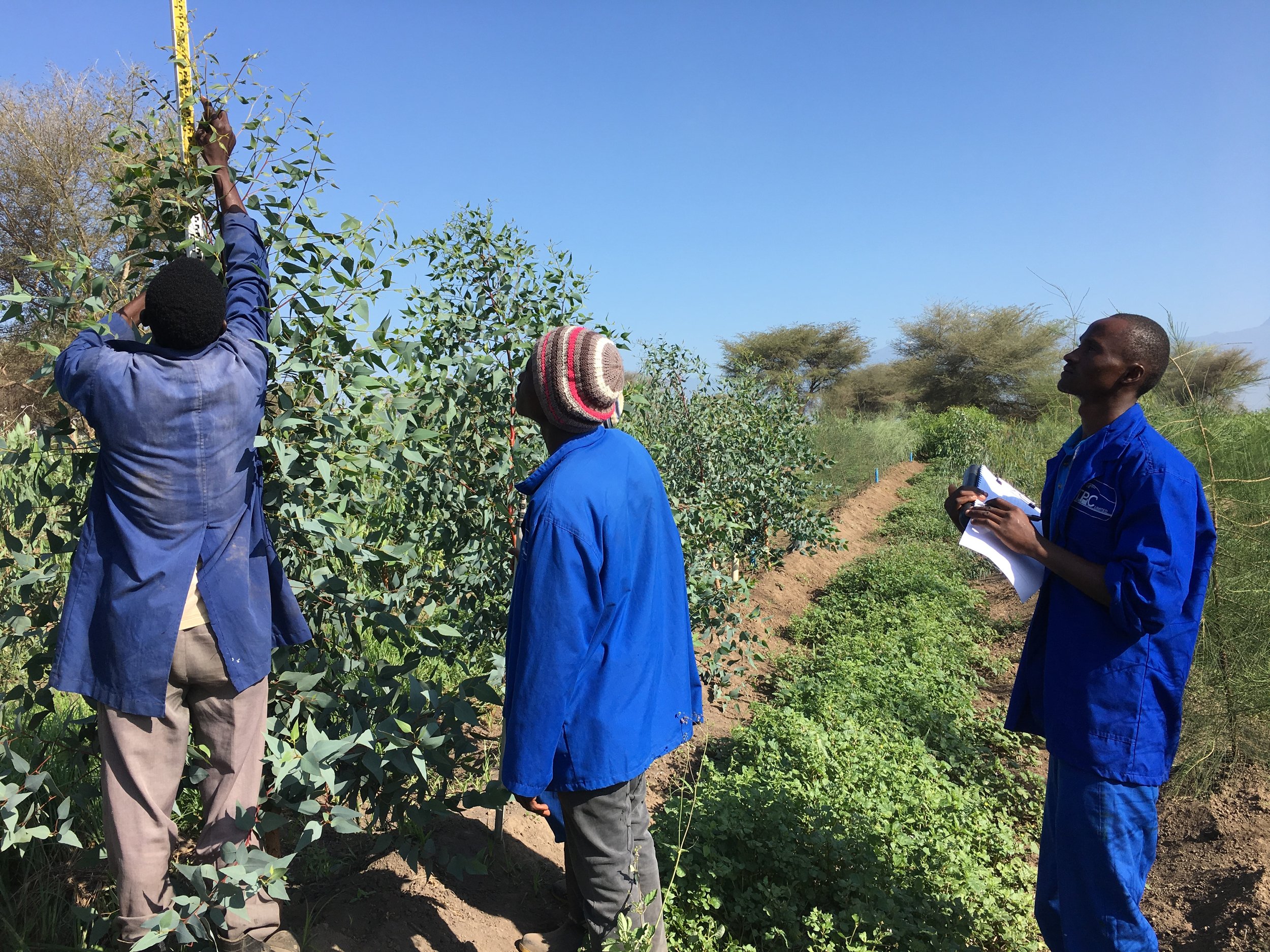
Developing forestry capability in Tanzania to support renewable bioenergy production
A major barrier to success in this project in Tanzania was initiating investigations in the potential salt tolerant tree species was the capacity to produce high quality seedlings.
Verterra was engaged to work closely with TPC nursery staff to develop nursery practices adapted to local conditions and facilities, train local staff and transfer technical forestry expertise to provide the foundations and capacity for the subsequent field trials.
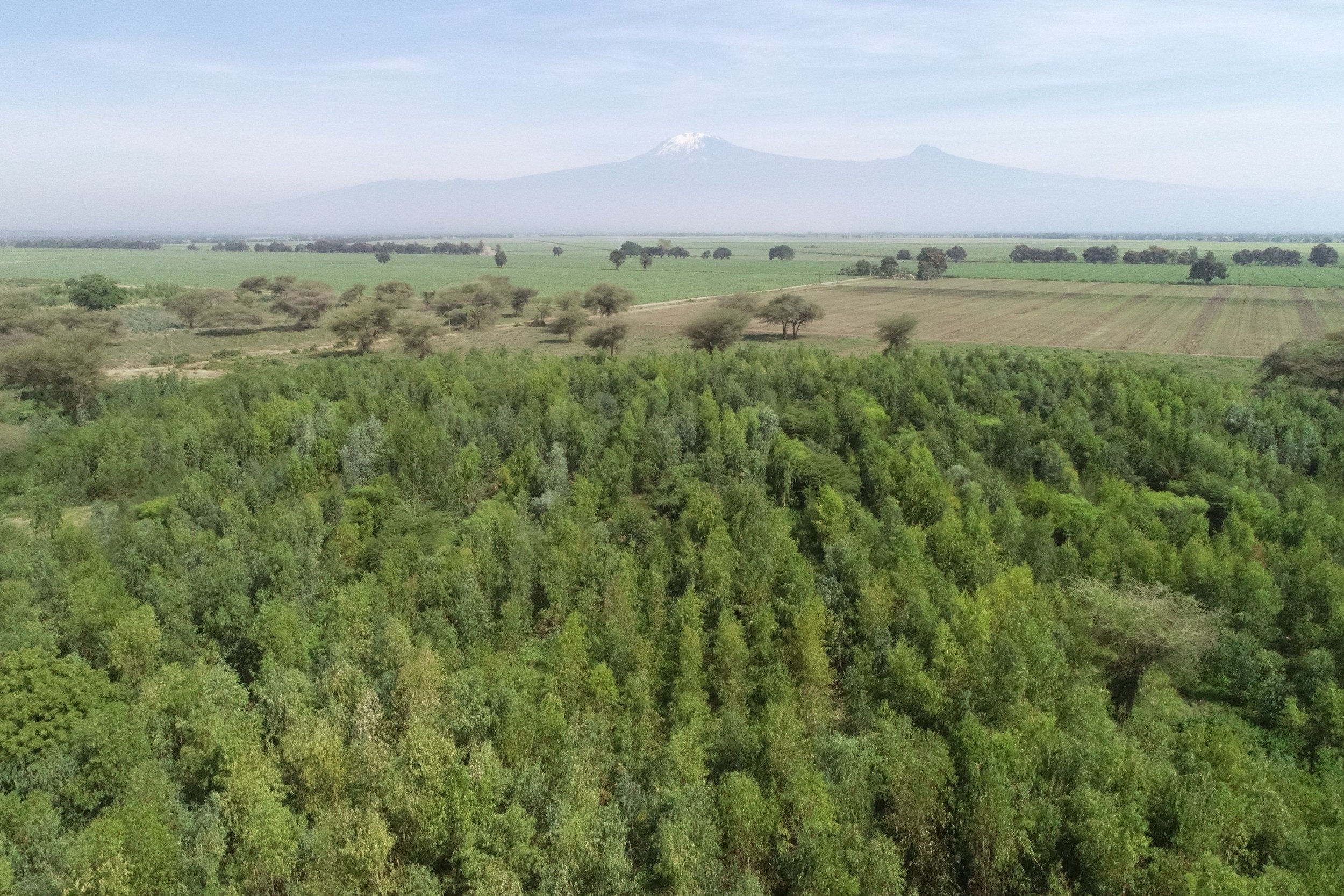
Transforming unproductive saline land into productive bioenergy forestry plantations
This project in Tanzania investigated whether salt-tolerant tree species could be identified to convert unproductive saline land into productive woody biomass plantations capable of supporting long-term renewable energy generation.
Verterra was engaged trial and select species suited to saline soils and develop the silvicultural practices required to establish commercially viable bioenergy plantations under challenging saline conditions.
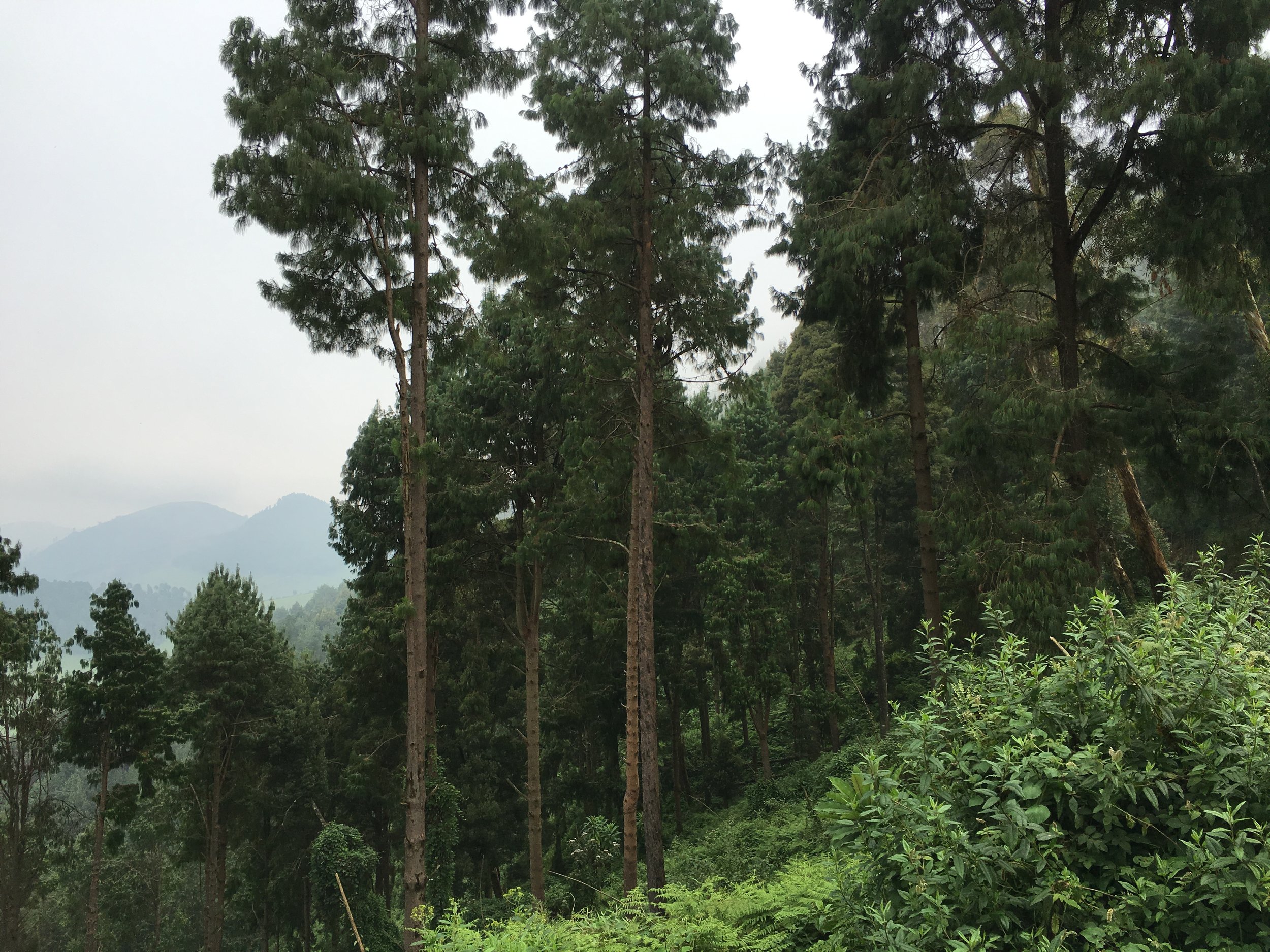
Building sustainable forestry systems: supporting Rwanda’s economic and environmental future
As demand for timber and forest products increased across Rwanda, the Government of Rwanda sought to support from Verterra to establish a public-private partnership model capable of delivering long-term, sustainable forest management outcomes across the Gishwati Pine and Eucalyptus plantations.
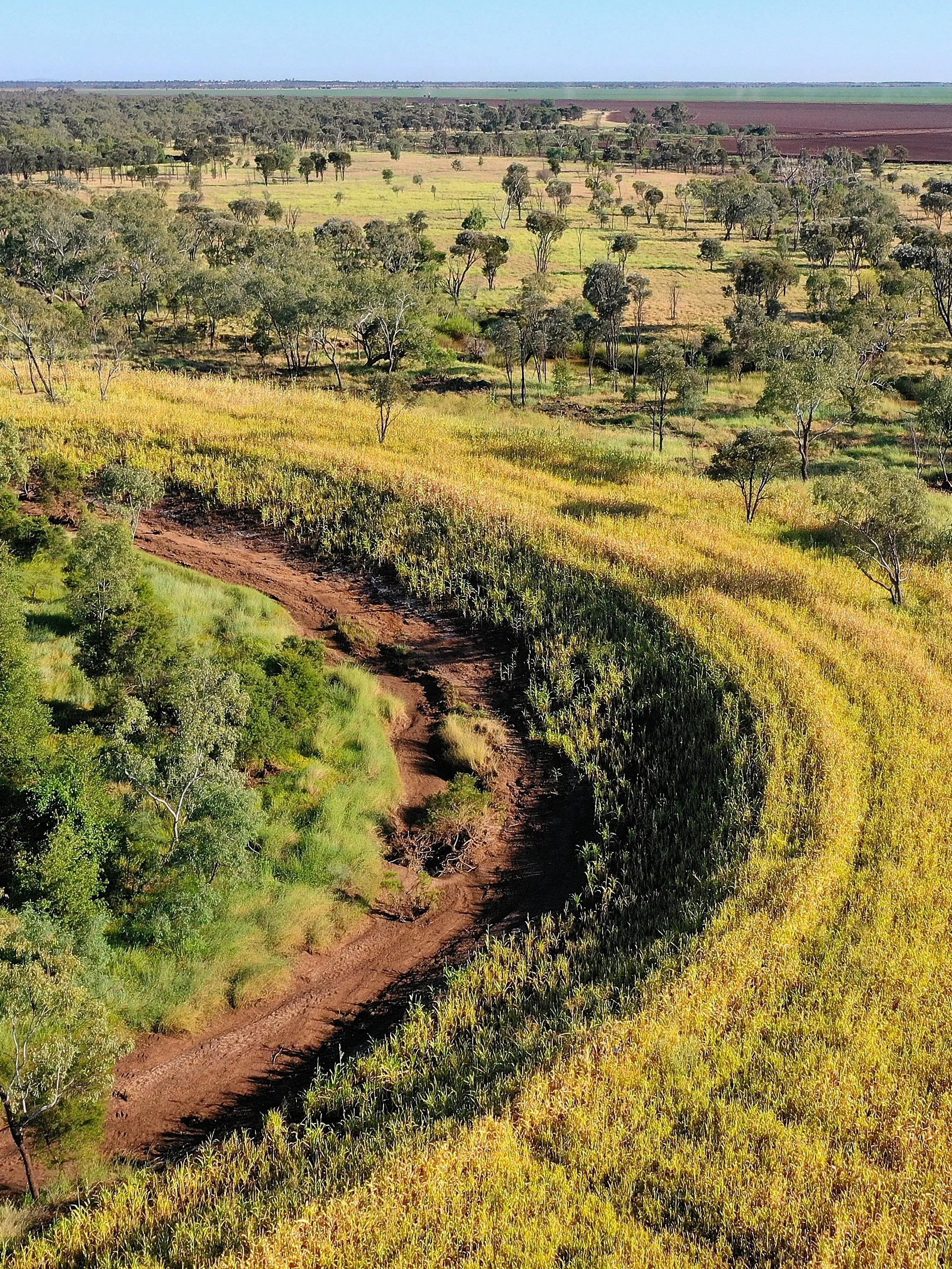
Logan Creek Streambank Rehabilitation
This project rehabilitated severely eroded streambanks along Logan Creek following extreme rainfall and flooding in the 2021–22 severe weather season. The collapse of streambanks had caused loss of valuable riparian vegetation and was adversely impacting aquatic habitat and water quality downstream. Funded jointly by the Queensland and Australian Governments under the Disaster Recovery Funding Arrangements (DRFA), the project aimed to stabilise riparian areas, restore ecological function and improve catchment resilience to future flood events.
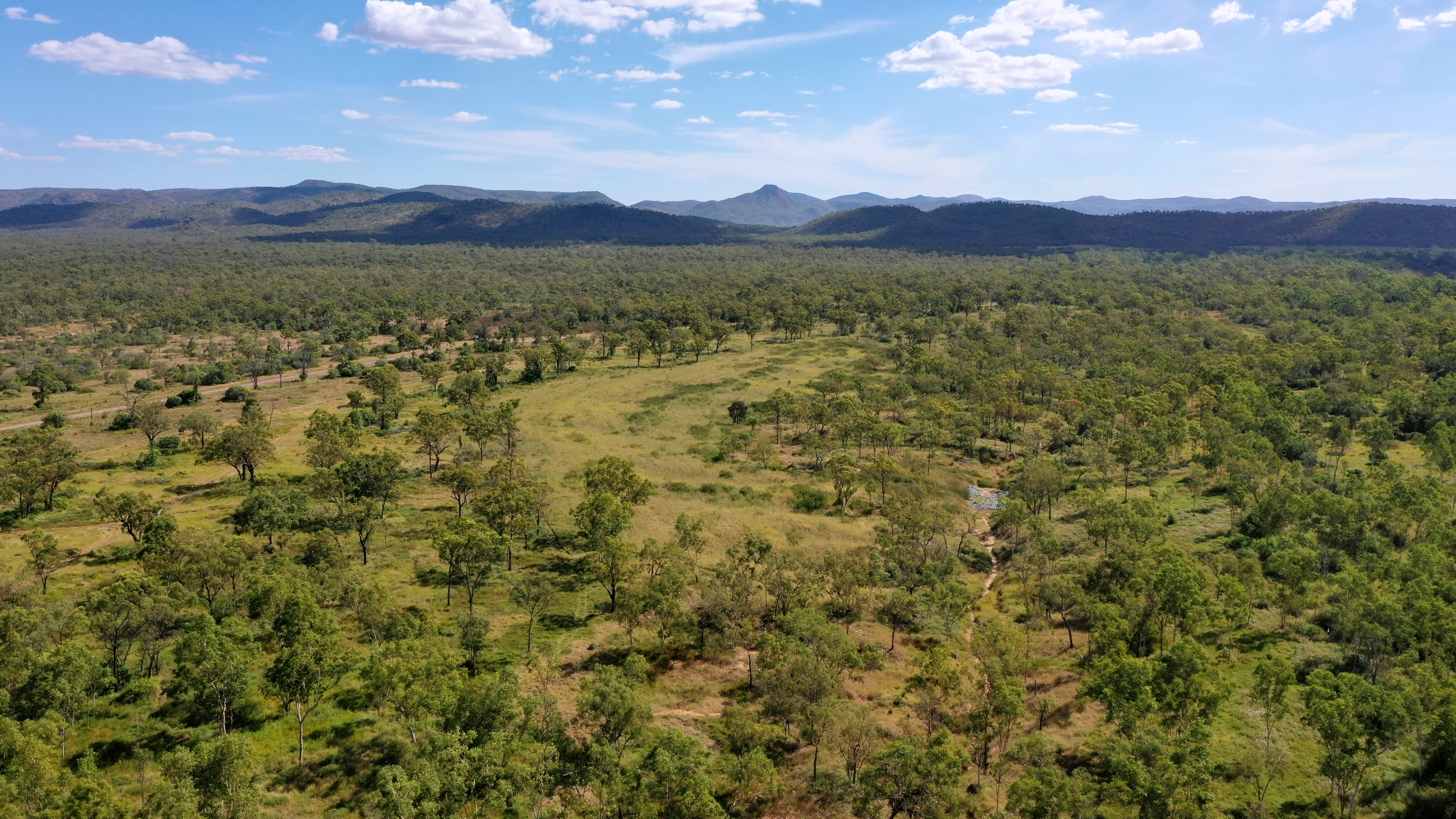
Gully Rehabilitation for Envomark Reef Credits
For this ReVert Landscape Rehabilitation project Verterra was engaged to rehabilitate a large, actively eroding gully system adjacent to the Bowen River in North Queensland. Delivered in partnership with Alluvium through the Landscape Restoration Partnership, this project represents Australia’s first gully rehabilitation initiative registered under the ENVOMARK Reef Credit Methodology - establishing a benchmark for large-scale sediment reduction projects designed to improve water quality flowing to the Great Barrier Reef.
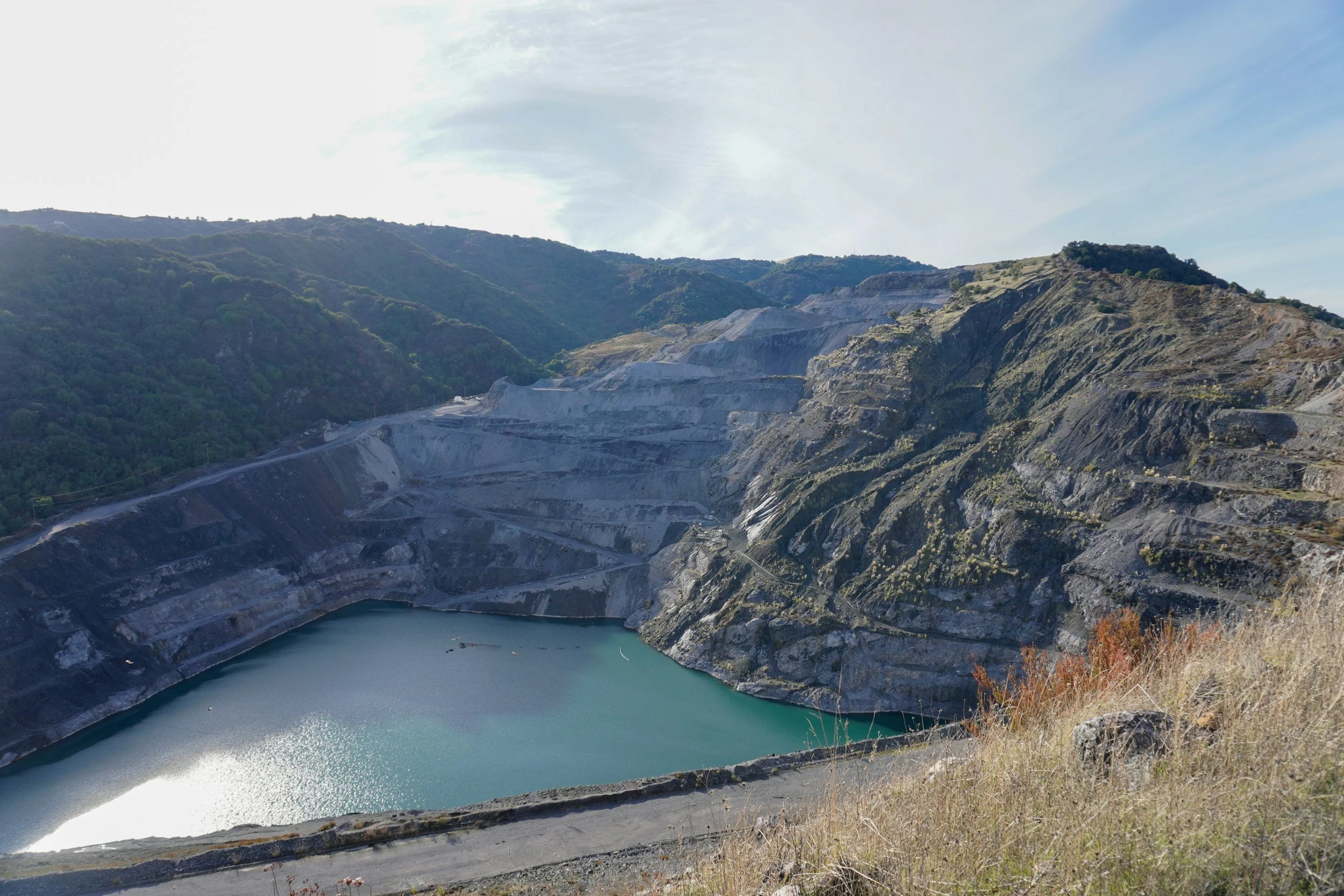
Beneficial Use of Mine Water for Irrigated Tropical Pasture Cropping
As part of expansion planning, it became apparent to this mining operation that excavation would intercept paleo-channels containing significant volumes of groundwater in the Macarthur River District. The water, which was contaminated with elevated zinc levels exceeding ANZECC discharge guidelines. Verterra was briefed to help resolve these issues with a cost-effective approach that would ensure a long-term, beneficial solution.
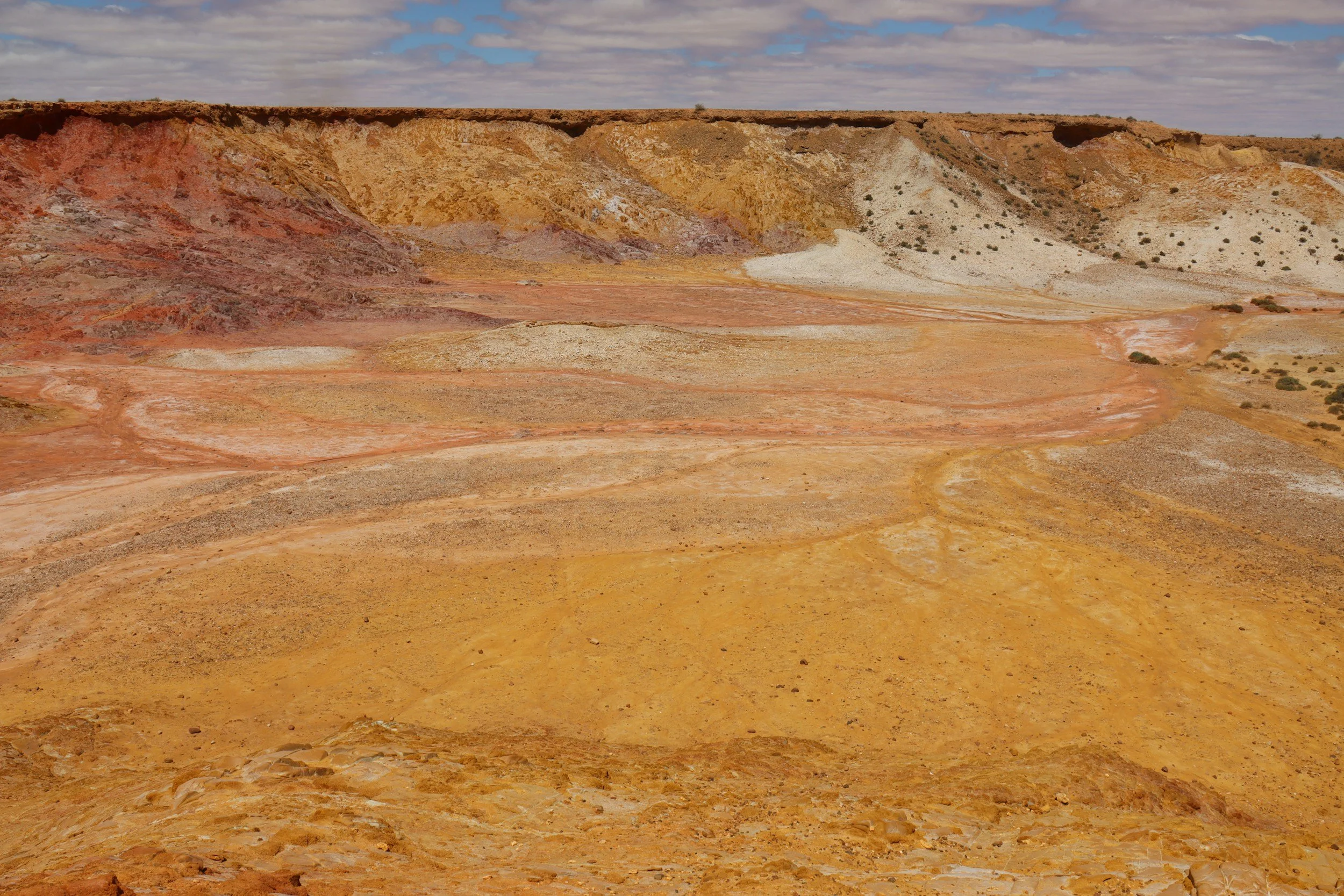
Water Balance and Salt Load Analysis in Coal Mining
Operating under a regulated Salinity Offset Scheme (SOS) to manage net salt export from their operations this client required an updated understanding of how much salt was being exported from the site - either through surface runoff or deep aquifer drainage. This was essential to ensure continued compliance with their Environmental Protection Licence (EPL) and to refine the size and scope of their Salinity Offset.
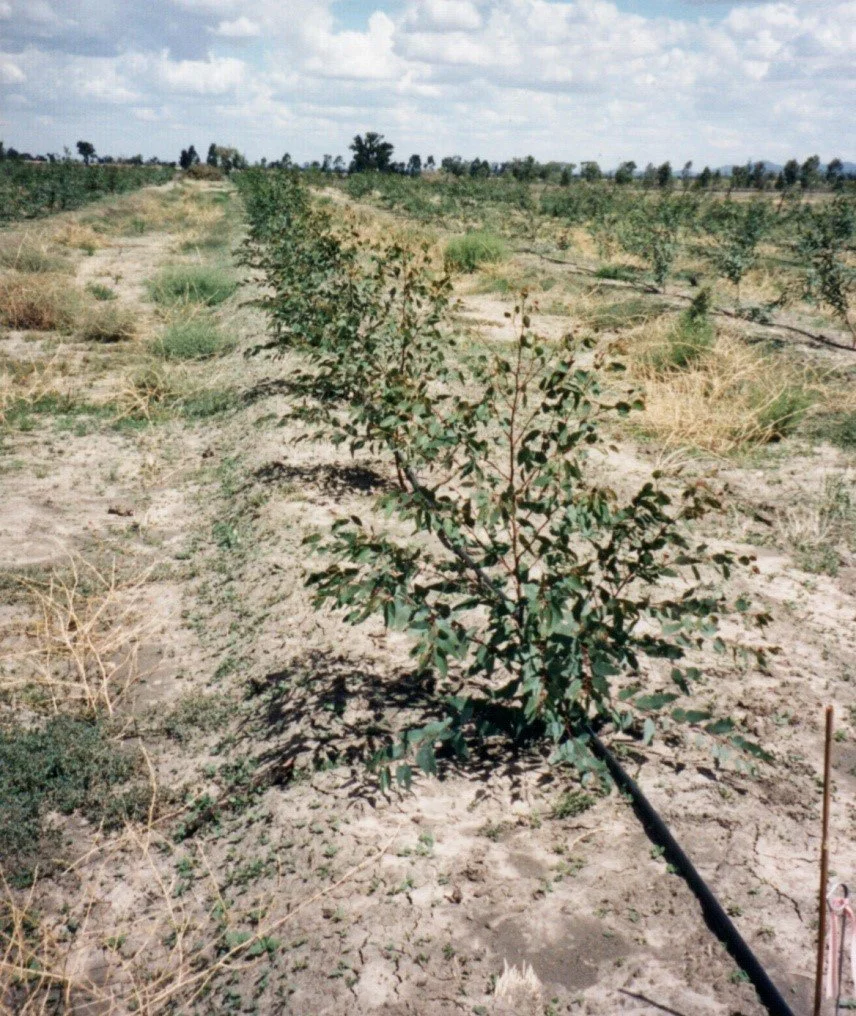
Turning Risk into Resource: Land and Irrigation Planning for Coal Seam Gas Water Use
To enable sustainable, large-scale irrigation using coal seam gas (CSG) water, this client required both rigorous technical assessment of candidate land and a well-prepared regulatory submission for a beneficial use approval. The project had to address marginal soils in a region with limited experience in intensive irrigation, while aligning with environmental safeguards and regulatory expectations.

Coal Seam Gas Water Reuse through Irrigation Feasibility and Design
With planning underway for the staged development of up to 15 coal seam gas (CSG) wells in two Extended Production Test areas, the client sought an economically and environmentally sustainable option to manage the production of up to 1.8ML of highly saline and sodic CSG water per day.
Rather than investing in expensive reverse osmosis or disposal pathways, a beneficial reuse option involving agricultural irrigation trials was proposed. To ensure success, the proposal required in-depth feasibility, design, and regulatory compliance support to assess viability and satisfy a Water Management Strategy and Environmental Authority conditions.

From Effluent to Asset: Supporting Agricultural Reuse through the Wamuran Irrigation Scheme
With the population of the Caboolture River catchment expected to increase by over 100,000 people in the next 20–25 years, Unitywater faced a growing challenge: how to sustainably manage the effluent produced by the South Caboolture Sewage Treatment Plant (STP). Although effluent is A-grade and suitable for a range of non-potable uses, without intervention, the increased nutrient loading could threaten the health of the Caboolture River and downstream waterways.
To address this, Unitywater launched the Wamuran Irrigation Scheme (WIS)—a circular economy initiative to beneficially reuse treated effluent in agriculture. Verterra was appointed to provide deep expertise in agronomy, irrigation, land capability, and environmental planning to help guide the project’s success.

Nature-Based Water Treatment: Integrating Forest and Wetland Systems for Sustainable Effluent Reuse
This client sought an innovative, sustainable, and community-aligned solution for the beneficial reuse of A-grade effluent from a Sewage Treatment Plant, located just 10 km upstream of a major drinking water supply dam. Rather than pursuing a conventional advanced treatment facility, Verterra delivered an award-winning, nature-based solution.

From Failure to Function: Restoring Vegetation on Tailings Dams
Revegetation of mine tailings often relies on a thin soil cover to support vegetation growth. However, these tailings can be chemically and physically hostile to plants—especially when the depth of the cover soil is limited due to resource constraints. Poor vegetation establishment in these areas increases erosion risk and presents ongoing environmental and regulatory challenges, so when revegetation persistently fails, an in depth investigation is required.

Enabling Low-Impact Pumped Hydro with Soil and Erosion Insights
Pumped hydro energy storage is gaining momentum as a critical component of Australia’s renewable energy transition. While environmentally beneficial in operation, their development requires significant infrastructure—such as roads, pipelines, and reservoirs—that can impact soil health, increase erosion risk, and reduce land suitability for agriculture. This case study demonstrates how Verterra approaches risk assessment for these projects.
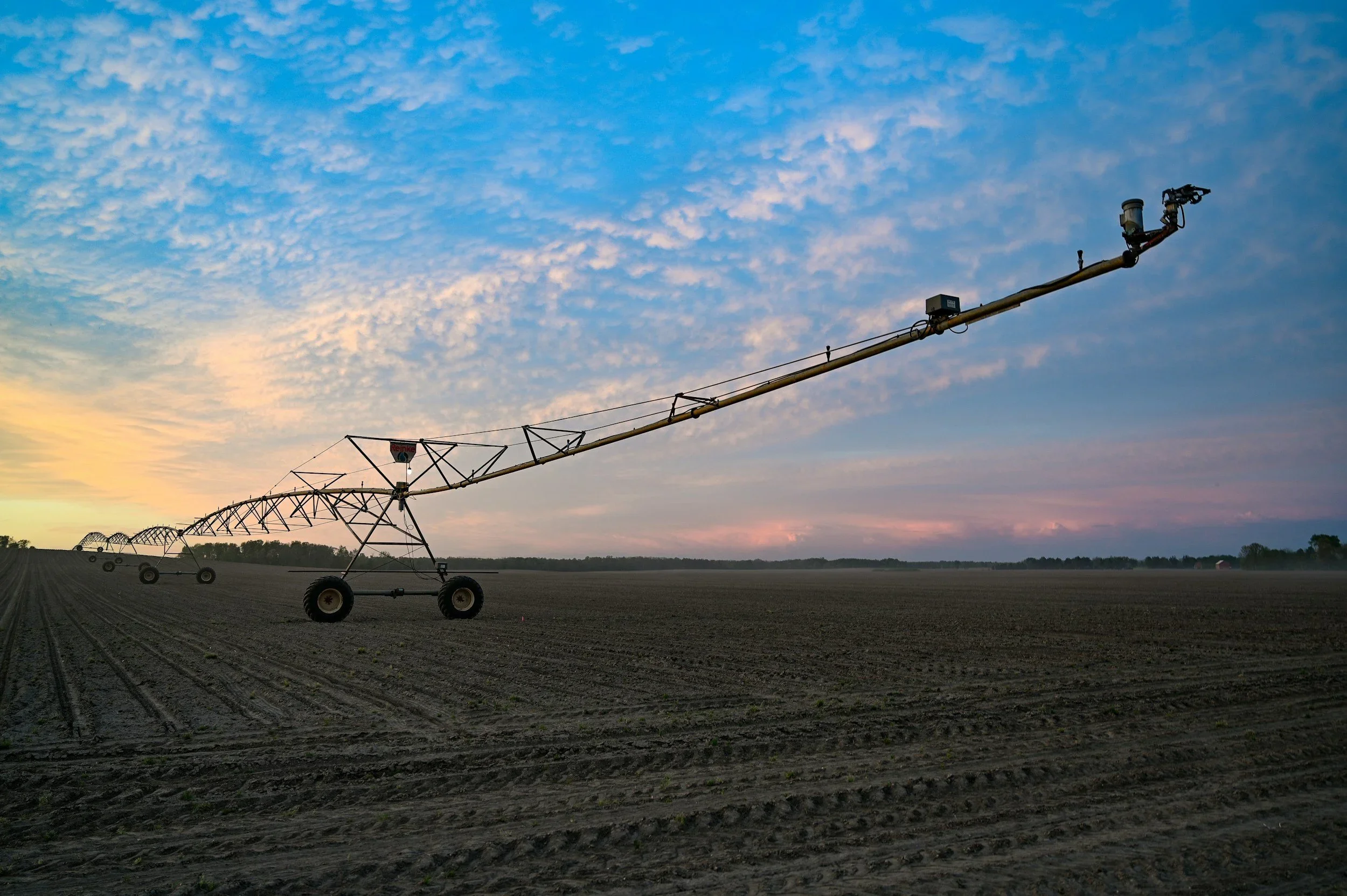
From Waste to Water: Making Leachate Work for the Land
In regions of Australia where rainfall is unreliable, treated wastewater (effluent) is increasingly recognised as a valuable resource—particularly for irrigating tree crops and other vegetation. However, to safely and effectively reuse effluent for irrigation, its quality must be carefully monitored and managed. This case study demonstrates how Verterra approached successfully undertook risk assessment and development of a management plan that would enable its beneficial reuse for a forest plantation.
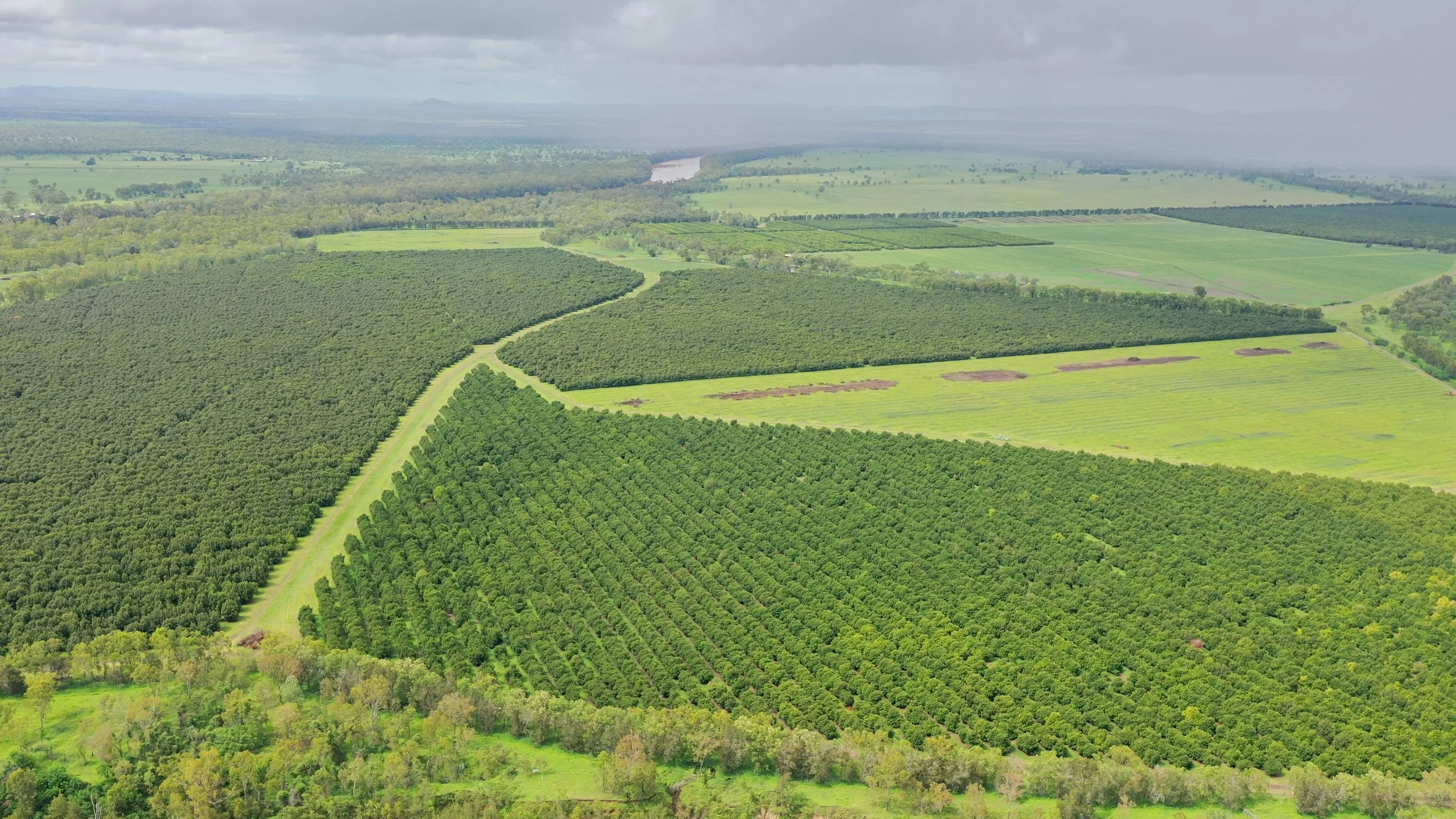
Informing Practice Change in Irrigated Landscapes
Northern Australia is considered a high-potential region for expanding irrigated agriculture due to the availability of rainfall and relatively undeveloped land. However, increasing land under irrigation can elevate the risk of sediment, nutrient, and pesticide runoff—particularly into sensitive waterways that feed into the Great Barrier Reef. In this case study, Verterra demonstrates how a thorough understanding of environmental risk is the first step to designing irrigation schemes with minimal off-site impact.

Minimising Soil Risk in Wind Farm Design
As wind energy projects increasingly seek locations that reduce public resistance to visual and noise impacts, forested areas have emerged as preferred sites for development. However, constructing access roads and transmission corridors through these landscapes introduces potential risks to land condition, erosion rates, and future land use, particularly for forestry and agriculture. This case study looks at how these risks can be assessed and managed effectively.

Beneficial Re-use of Biosolids
Verterra is providing an ongoing operational service for managing beneficial reuse of 37,000t/year of biosolids, including transport logistics, crop nutrition, data management and regulatory compliance.

Australia’s First Beneficial Reuse of Coal Seam Gas Water
Verterra designed, undertook feasibility studies, assisted with regulatory approvals, developed a stakeholder engagement plan and project managed delivery of 1,250ha of irrigated native eucalypt forest at Fairview and Springwater near Injune on behalf of Santos.

Major Integrated Project: “Wet Tropics People – Setting the Course for the Reef.”
The project focussed specifically on improving water quality from cane and banana farms in the Tully and Johnstone River Catchments.

Fitzroy River Water Quality Improvement Project
Verterra’s largest project to date, providing a novel solution to water quality improvement that combines grazing improvement with ecosystem service market opportunities such as carbon farming and reef credits administered through 3rd parties.