
Developing forestry capability in Tanzania to support renewable bioenergy production
Client: TPC (Tanganyika Planting Company)
Services: Forestry, plantation establishment and management, operational forestry capability development, nursery operations and training
Location: Moshi, Tanzania
Date: 2016-2018
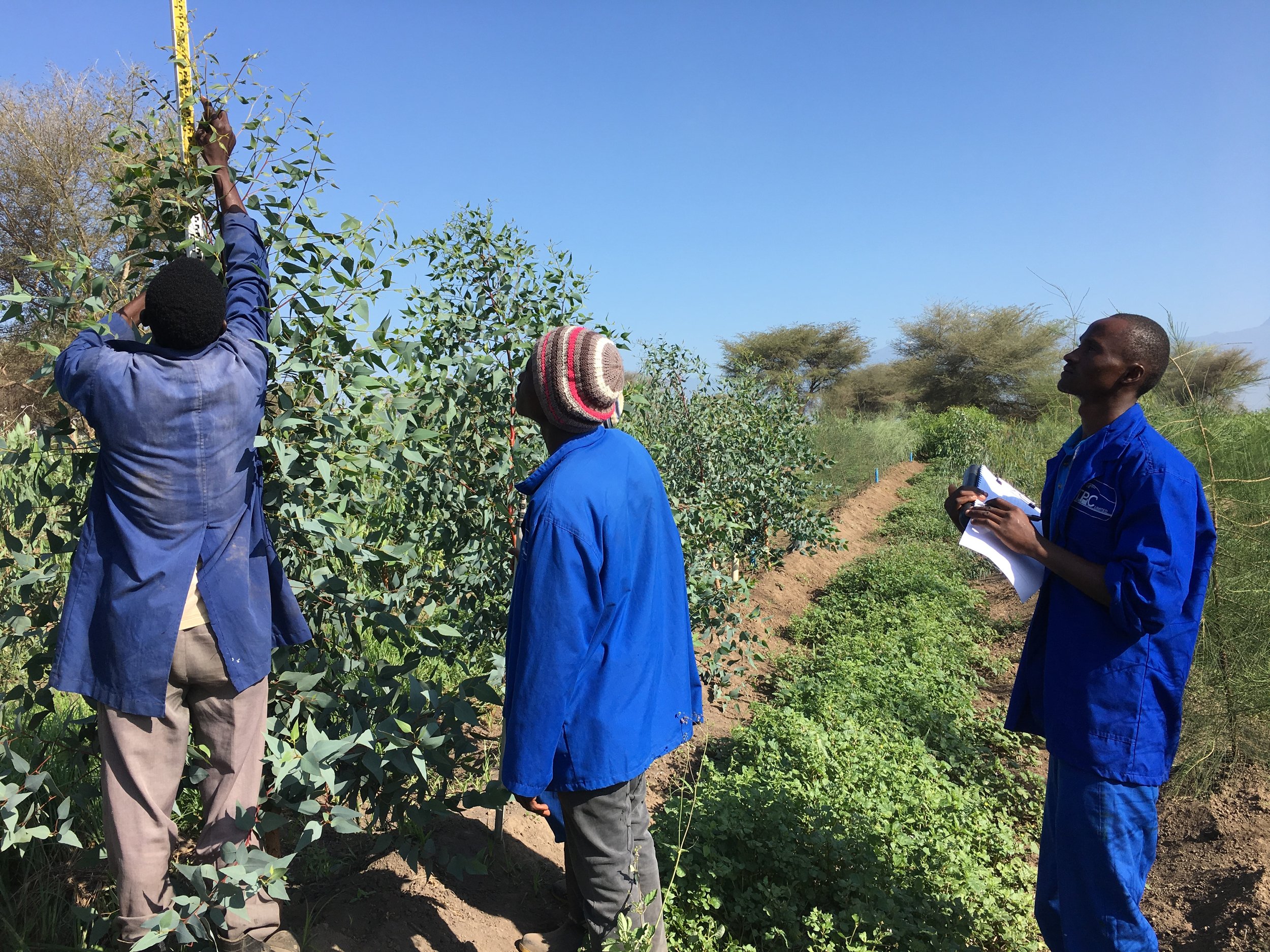
Developing local skills in nursery practices was an essential pillar to support success of the bioenergy program
Overview
TPC Limited operates a 16,000-hectare sugar estate near Moshi, Tanzania, where energy generation is partially supported through the use of cane bagasse. Once bagasse supplies are exhausted, the operation relies on unreliable grid power.
TPC sought to use of unproductive saline-sodic land for woody biomass production to support renewable energy generation and improve long-term energy resilience. A major barrier to initiating investigations in the potential salt-tolerant tree species was the capacity to produce high-quality seedlings.
Verterra was engaged to work closely with TPC nursery staff to develop nursery practices adapted to local conditions and facilities, train local staff and transfer technical forestry expertise to provide the foundations and capacity for the subsequent field trials
PROVE
Assessing current conditions
A preliminary inspection of the TPC nursery identified multiple challenges and issues with production of quality seedlings. This inhibited the capacity to produce viable plants for subsequent field trials.
Verterra identified the opportunity to work in collaboration with TPC nursery staff to revise nursery practices, upgrade equipment, train staff, and develop standard operating procedures.
IMPROVE
Strengthening nursery systems and operational forestry capability
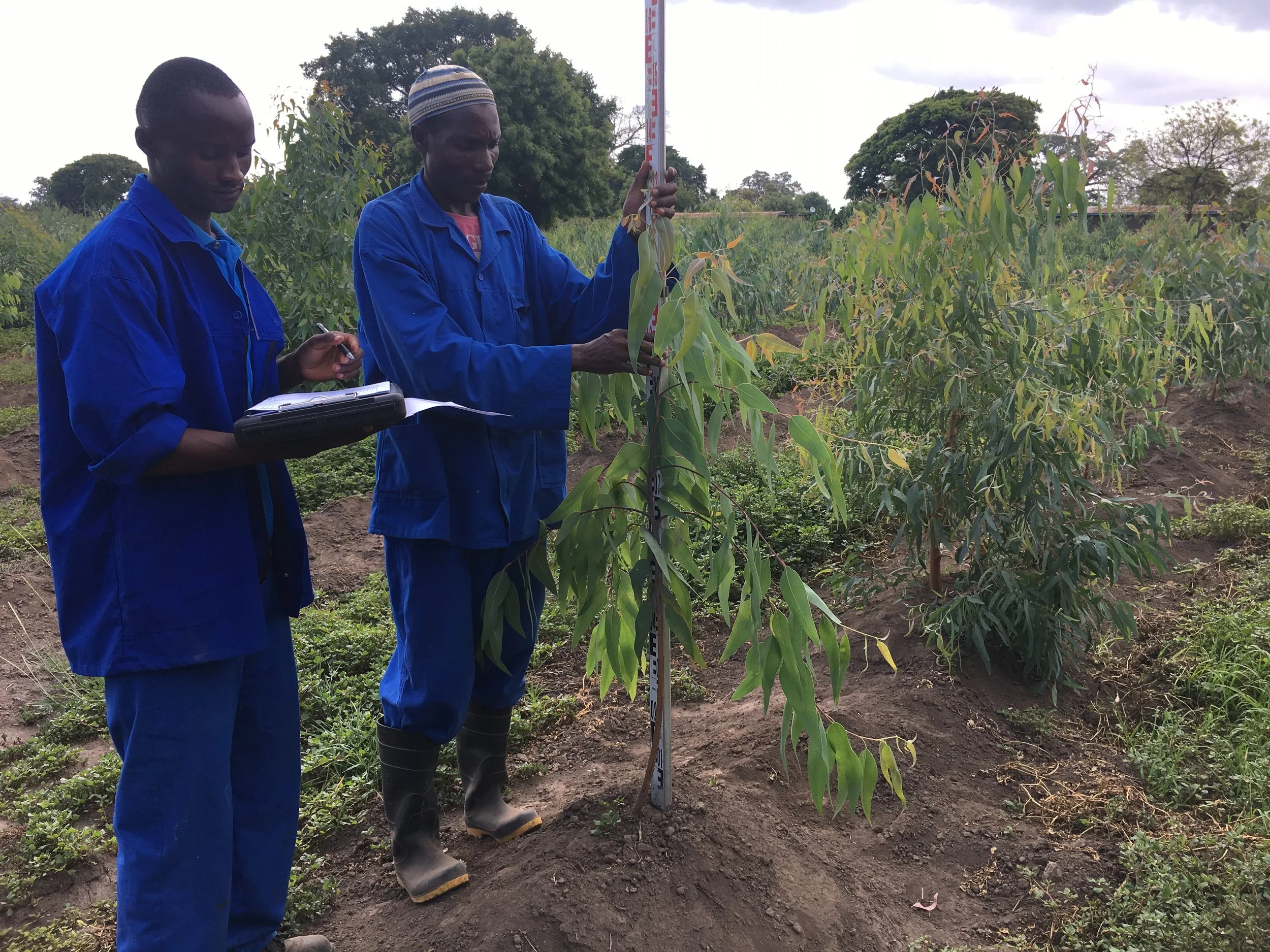
Verterra initially recommended a change in pot types from simple plastic tubes to bet practice seedling trays designed for root training and air pruning. Benching was re-designed to hold trays on freely drained surfaces to promote air-pruning.
Once equipment and infrastructure were addressed, in conjunction with TPC nursery staff, Verterra designed and implemented a series of trials to establish the optimum potting mix from readily available non-soil materials. This enabled a move away from use of soil in nursery pots with its attendant drainage and disease issues.
In conjunction with the trials, Verterra delivered practical training of nursery staff in production and management of seedlings. The training program culminated in development of a nursery manual detailing standard operating procedures. Ongoing technical advice and remote support was also provided.
The work helped improve seedling quality, nursery consistency, local forestry capability, and readiness for future operational deployment.
VALUE
Supporting renewable energy resilience and productive land use
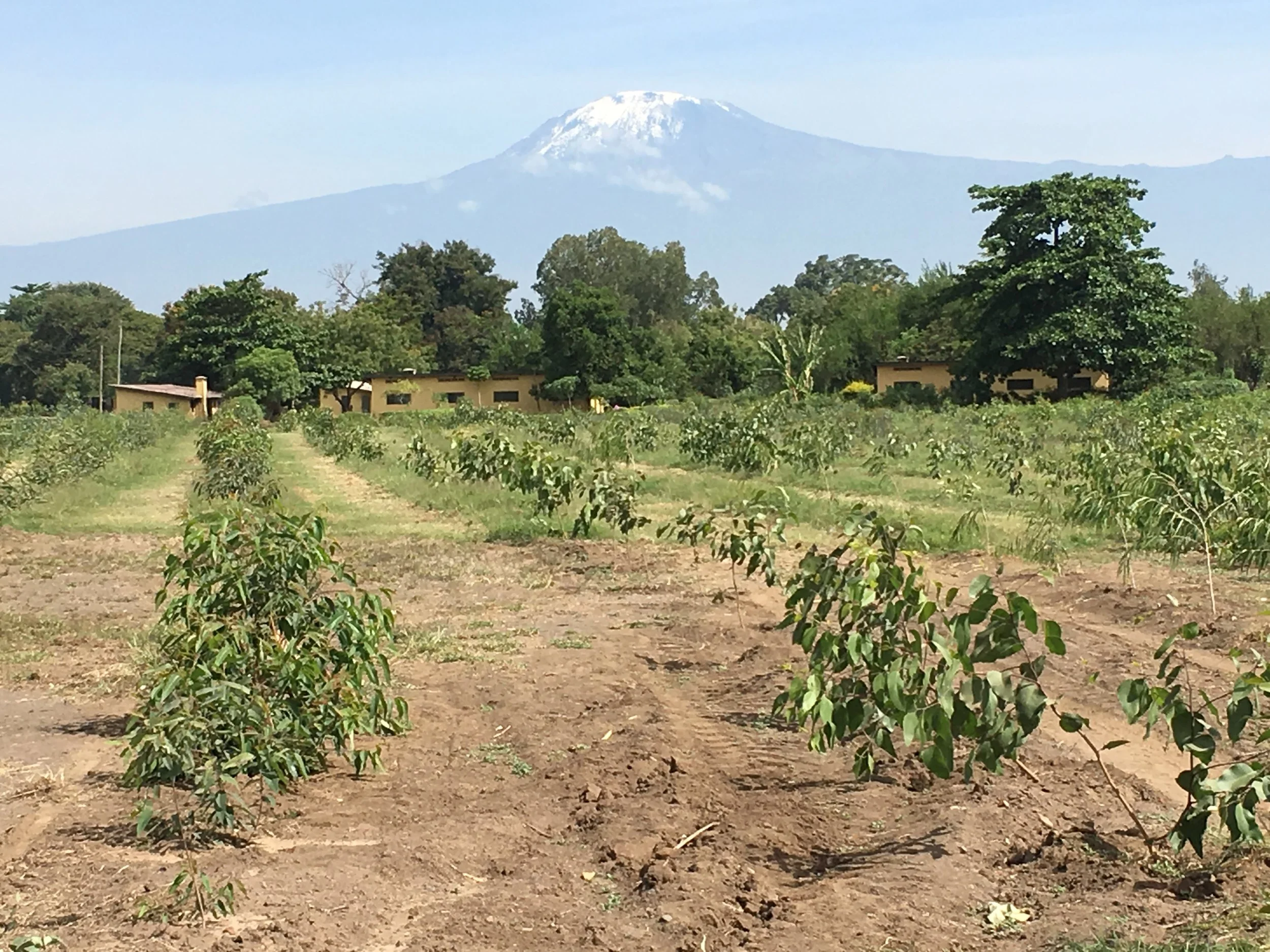
By integrating practical training with applied forestry science, Verterra helped establish the operational systems needed to enable establishment of selection trials for salt tolerant species, and, ultimately, long-term bioenergy forest plantations. The project helped position TPC to explore renewable biomass production as a long-term strategy for improving energy security and land productivity.
Through improved nursery systems and skills development, the project ultimately enabled:
Production of high-quality tree seedlings
Strengthened local forestry capability and workforce skills
Work pride and achievement of nursery staff
Reduced dependency on unreliable grid power
Productive utilisation of saline land
Commercially viable renewable energy generation