
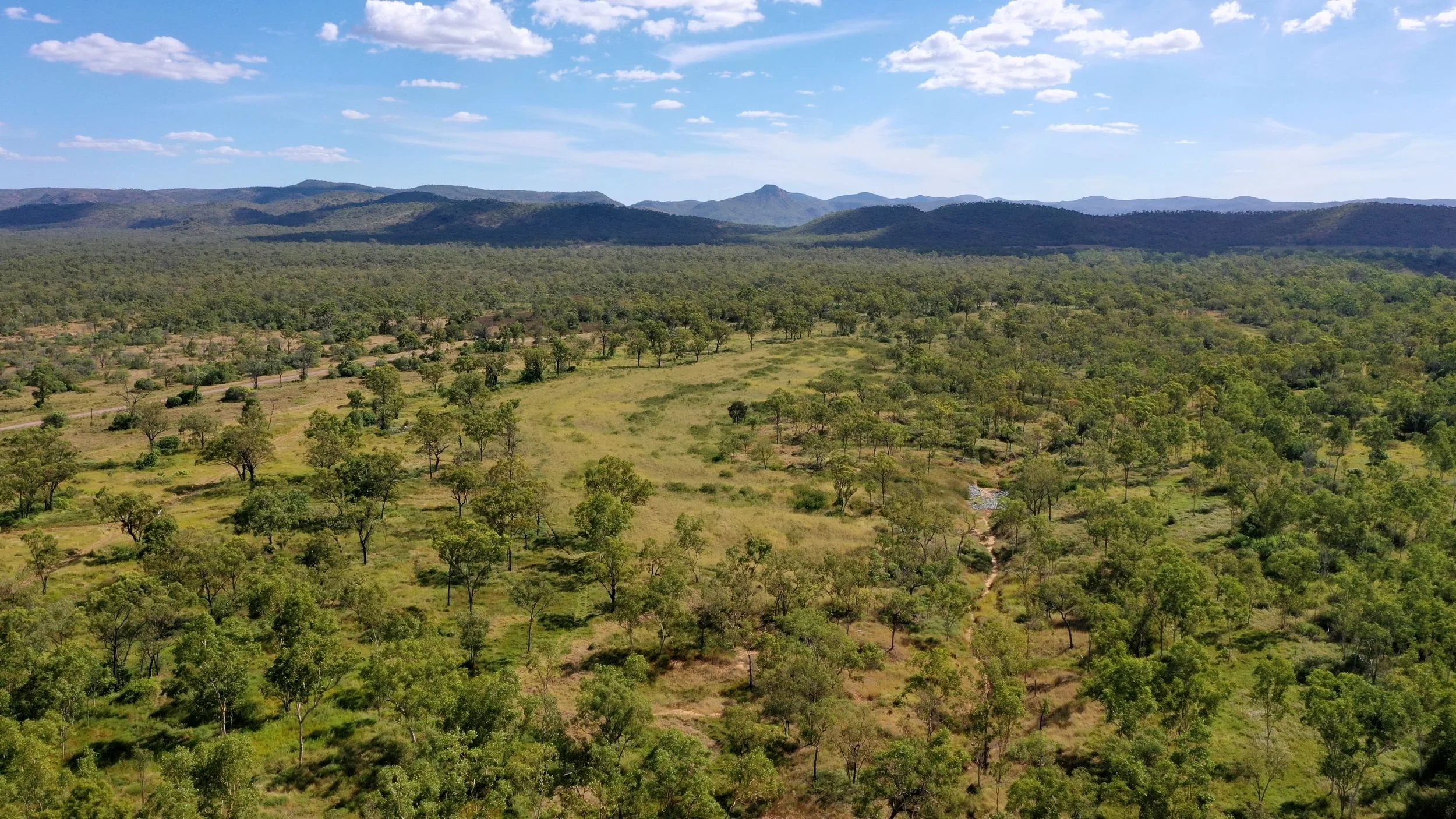
A Performance Ecosystem for Land, Water and Natural Capital
Complex environmental challenges cannot be solved through isolated interventions. Soil, water, vegetation, and human systems are deeply interconnected - and outcomes depend on how they perform together. This is the essence of Ecological Engineering and fundamental to how we work.
Verterra’s Performance Ecosystem applies Ecological Engineering principles to integrate measurement, design, delivery and value creation into a single, coherent approach. By establishing a baseline and proving outcomes first, improving systems with evidence-based solutions, and unlocking long-term value, we help clients deliver results that stand up to scrutiny and create enduring benefits.
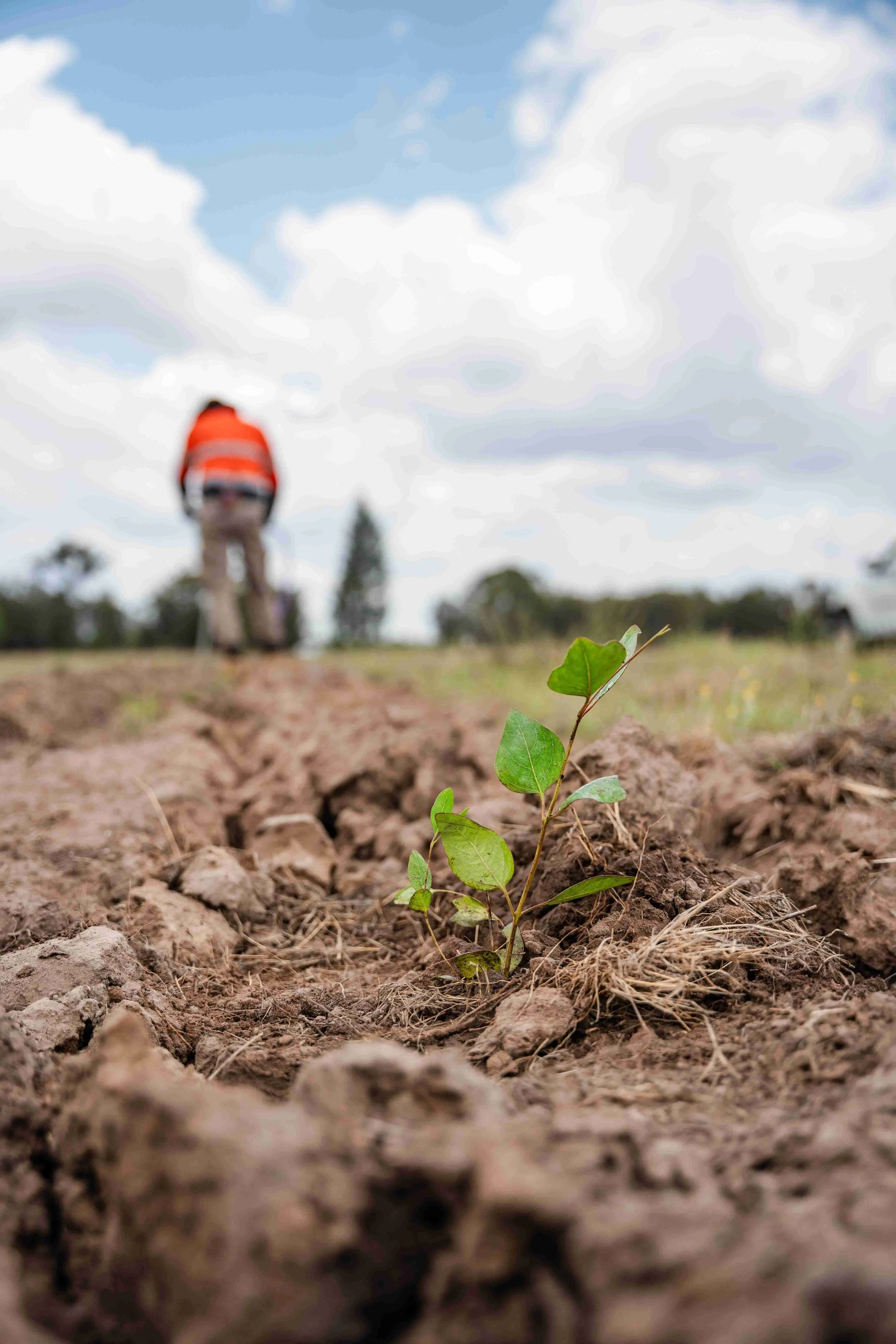
Why a Performance Ecosystem?
Because outcomes matter more than intent.
Across rehabilitation, land management, water treatment and ecosystem markets, failure often occurs when action is taken without clear evidence, disconnected from system constraints, or without a pathway to long-term value.
Our Performance Ecosystem addresses this by:
Grounding decisions in verified performance,
Designing interventions that work within ecological system constraints,
Ensuring outcomes translate into operational and economic value.
This reduces risk, increases confidence, and enables solutions to scale.
While each stage delivers benefits independently, the greatest impact occurs when PROVE, IMPROVE and VALUE are integrated.
This enables:
Lower delivery and compliance risk
Better design decisions
Clearer demonstration of outcomes
More durable economic and environmental returns
It allows Verterra to support clients from early diagnostics through to long-term value realisation.
Grounded in Ecological Engineering
Verterra’s Performance Ecosystem is built on the principles of ecological engineering - a discipline that applies systems thinking, science and design to restore and optimise natural systems.
Rather than treating soil, water and vegetation as separate components, ecological engineering recognises that landscapes function as interconnected systems. Outcomes depend not on individual interventions, but on how these systems perform together over time. Read What is Ecological Engineering?
This perspective underpins how we approach environmental challenges.
We don’t start with solutions. We start by understanding system behaviour:

Identifying Constraints
Identifying the physical, chemical and biological constraints that drive ecological performance.
Understanding Natural Process
We work with natural processes rather than against them.
Measuring Outcomes
Measuring and monitoring outcomes to ensure ecosystems function as intended.
Our Performance Ecosystem translates these principles into a practical, structured approach - ensuring that our work moves beyond theory and into measurable, real-world outcomes.
Verterra is a proud member of the International Ecological Engineering Society. Find out more about ecological engineering and read the IEES Manifesto here.
Designing Interventions
We design interventions that are stable, scalable and self-sustaining.
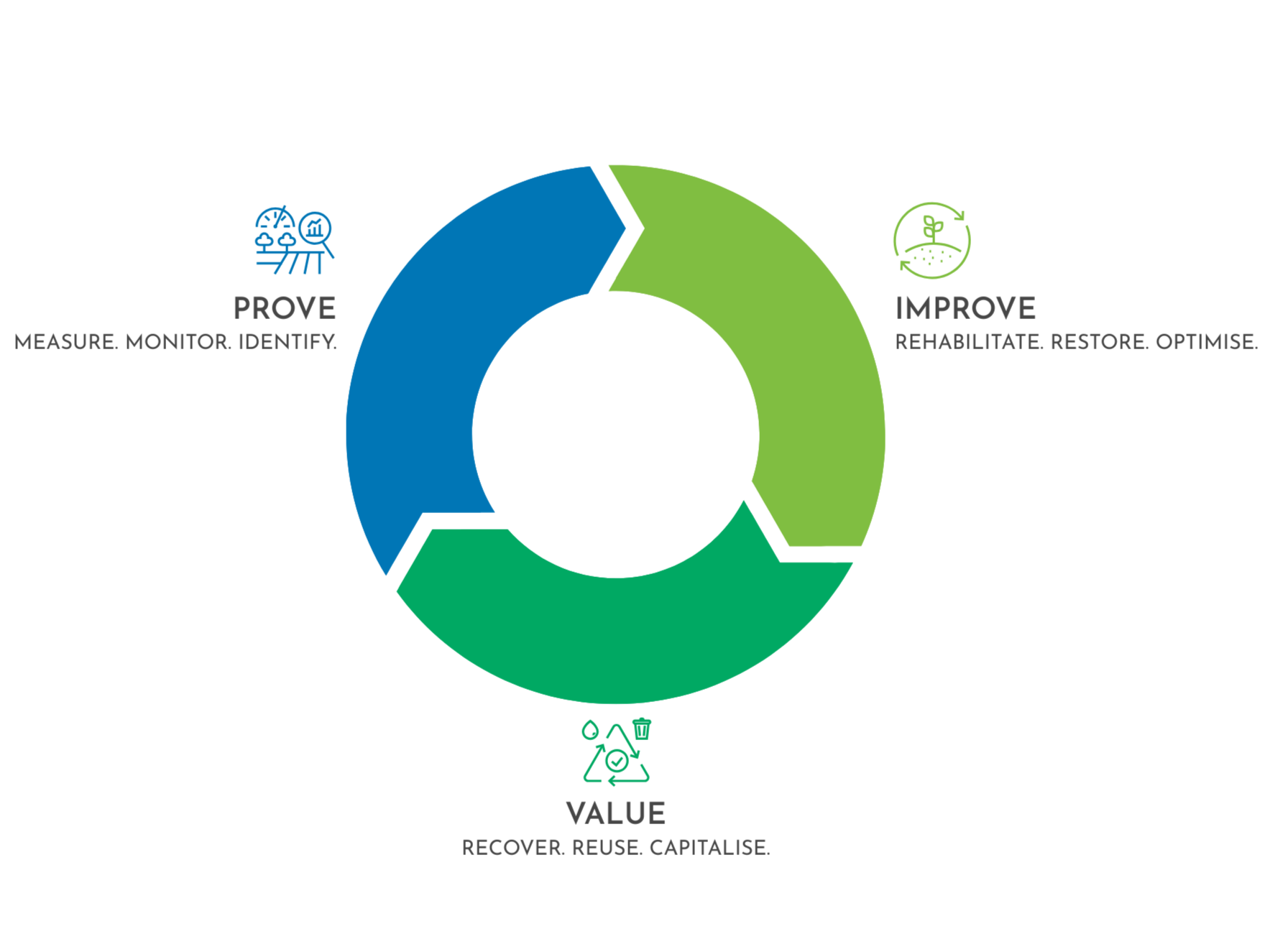
How the Performance Ecosystem Works
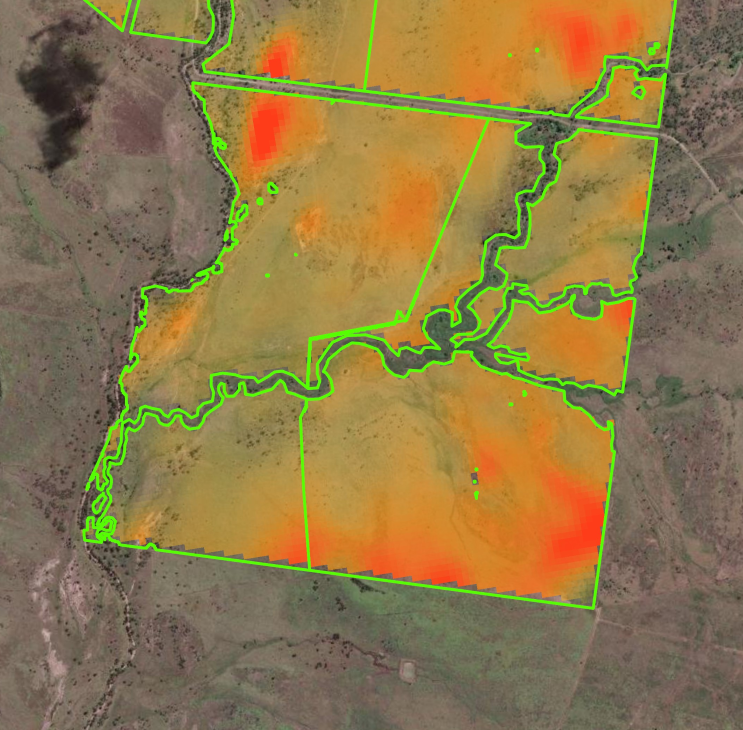

PROVE - Measure. Monitor. Identify What Matters.
Evidence First.
PROVE establishes a defensible baseline and verifies performance over time. We design and implement monitoring and verification systems that gather environmental performance intelligence to ensure outcomes are measurable, credible and fit for purpose.
This stage underpins informed decision-making, regulatory confidence, and participation in natural capital and ecosystem markets.
Without proof, improvement is speculative - and value creation is uncertain.
What PROVE Includes:
Baseline mapping and design, assessments, and diagnostics
Ongoing monitoring program design
Verification and assurance frameworks
Performance reporting and dashboards
Measurement for ecosystem and natural capital markets
IMPROVE - Rehabilitate. Restore. Optimise.
Effective improvement depends on understanding system performance.
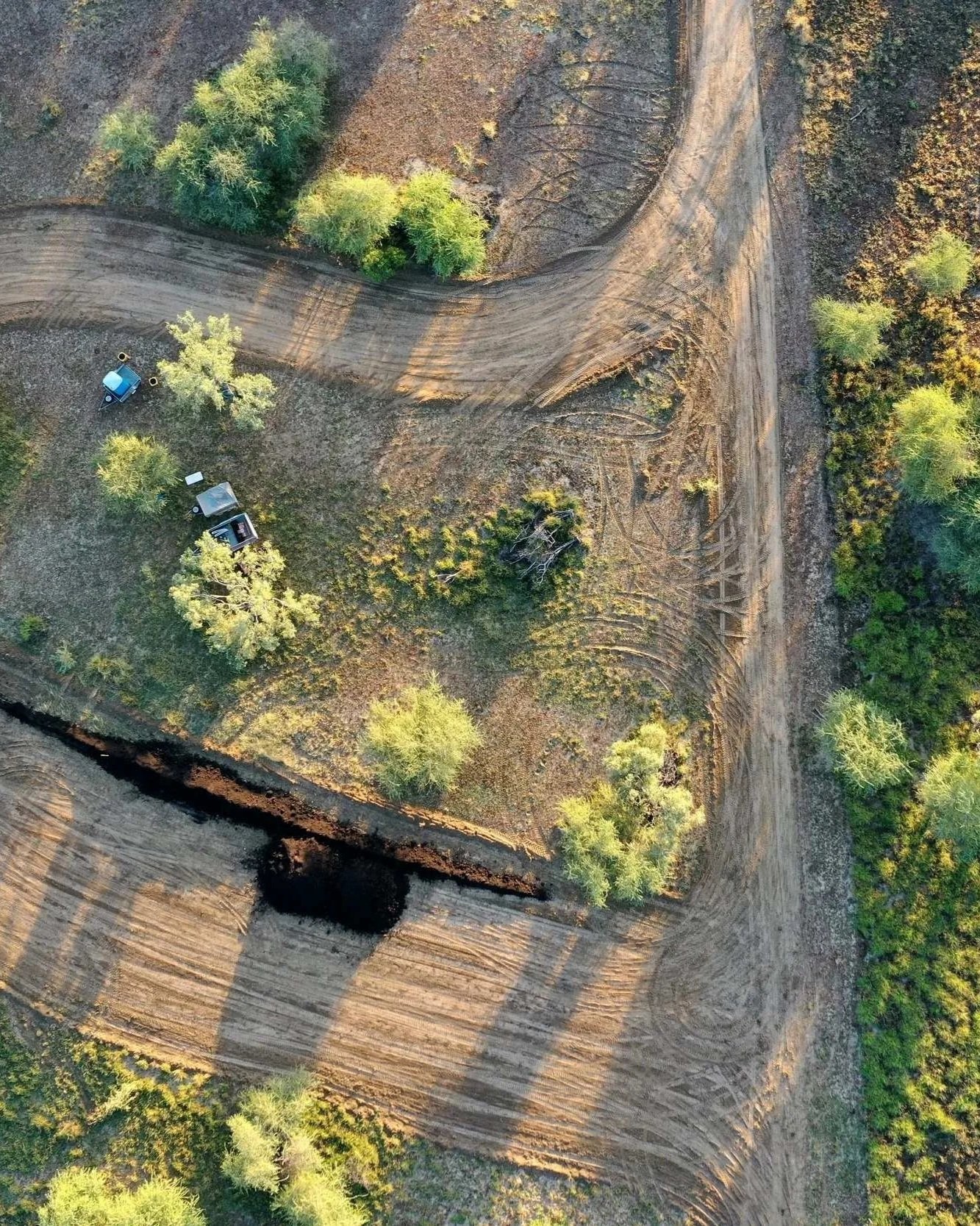
Interventions that address root causes
IMPROVE designs and implements solutions that restore and enhance ecosystem function. Guided by insights from PROVE, we apply ecological engineering principles - grounded in systems thinking and soil, water and vegetation science - to address underlying constraints, not just visible symptoms.
Solutions are site-specific, practical, and built to perform under real-world conditions.
What IMPROVE Includes:
Landscape and mine rehabilitation
Gully and streambank repair
Soil, growth media and biological solutions
Landform and vegetation solutions
Integrated land and water management
VALUE - Recover. Reuse. Capitalise.
Unlocking long-term environmental and economic returns
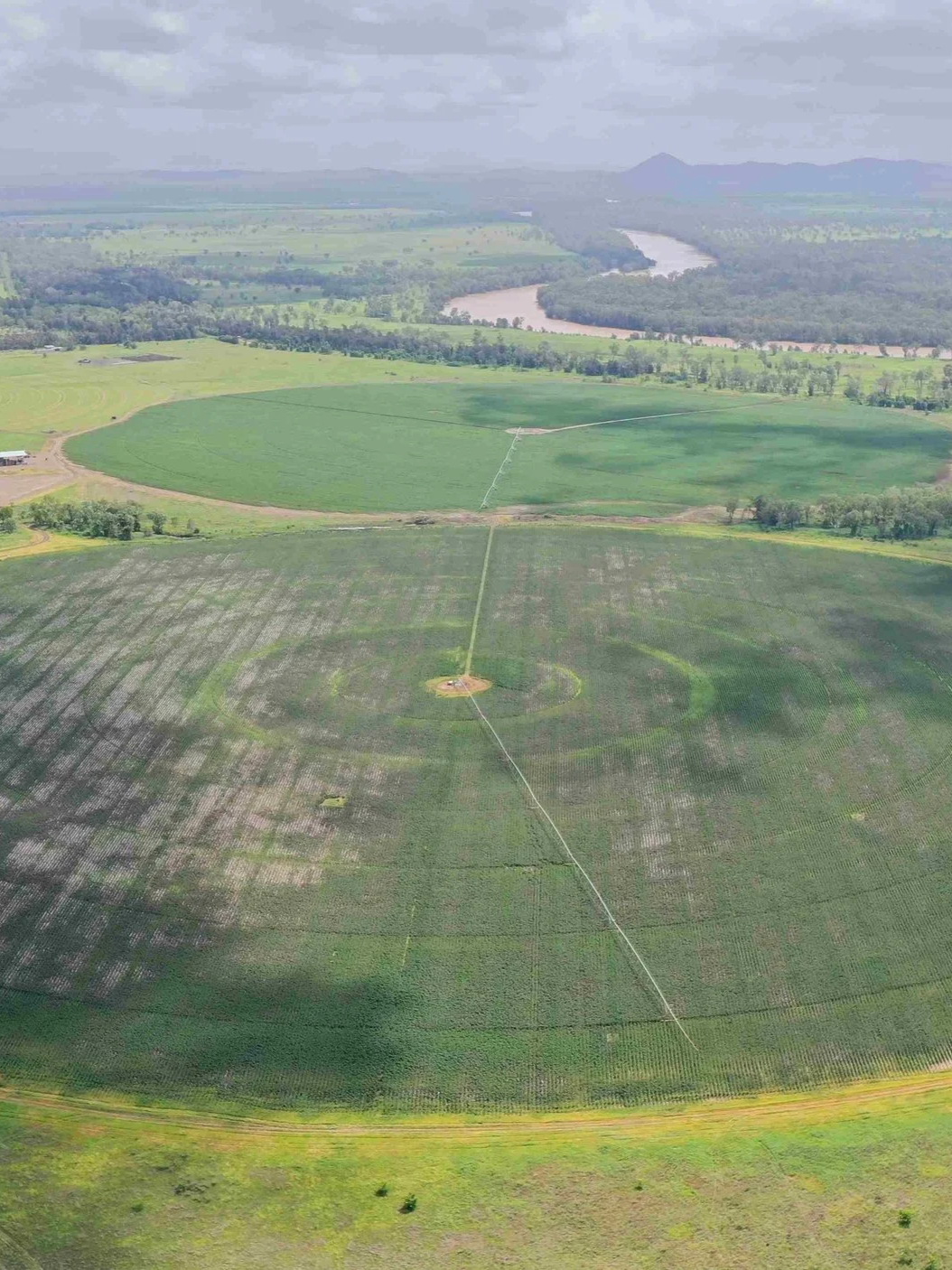
VALUE ensures improved performance translates into durable benefits. This may include operational efficiencies, reduced risk, enhanced productivity, regulatory confidence, or participation in ecosystem and natural capital markets.
By linking verified performance data with reuse and market opportunities, we help clients unlock stacked value from the same landscape or ecosystem.
Value creation ensures outcomes are sustained long-term.
What VALUE Includes:
Water reuse and nutrient recovery
Resource efficiency and circular economy solutions
Ecosystem and natural capital market opportunities
Asset value enhancement and risk reduction
Where the Performance Ecosystem is Applied
-
![Mine spoil pile with shrubs and purple flowers in the foreground]()
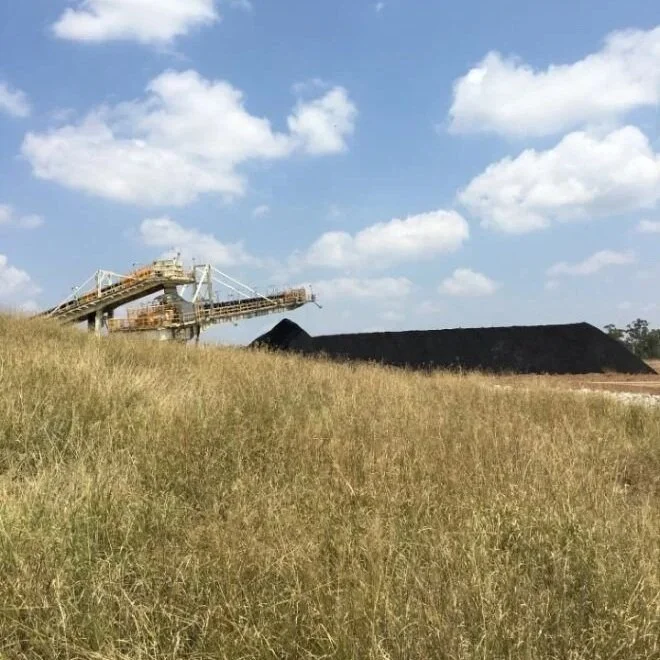
Mine-Site Rehabilitation
-
![Alluvial gully erosion]()
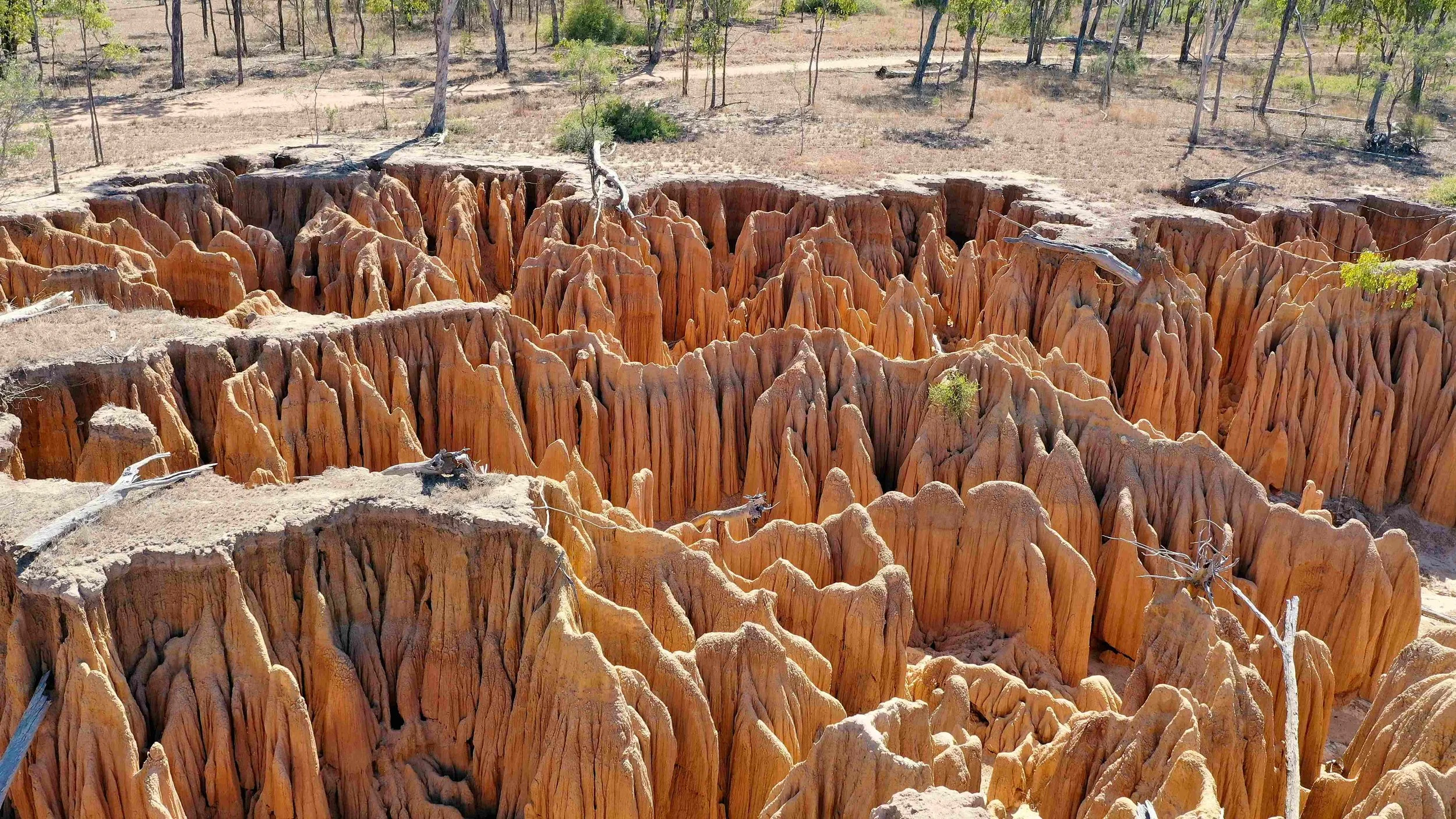
Landscape Rehabilitation
-
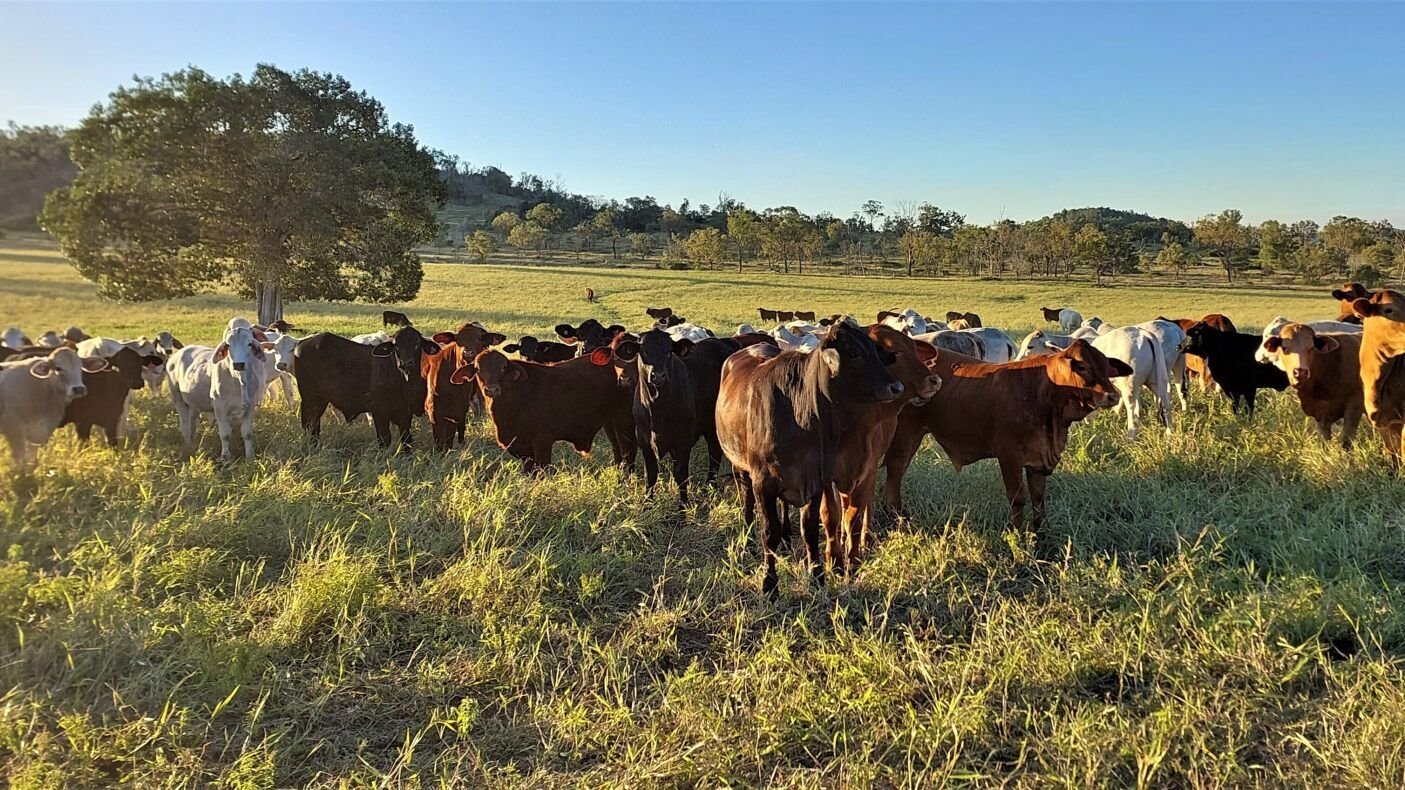
![A herd of cows grazing on a grassy field with a large tree and a clear blue sky in the background.]()
Agricultural Land Management
-
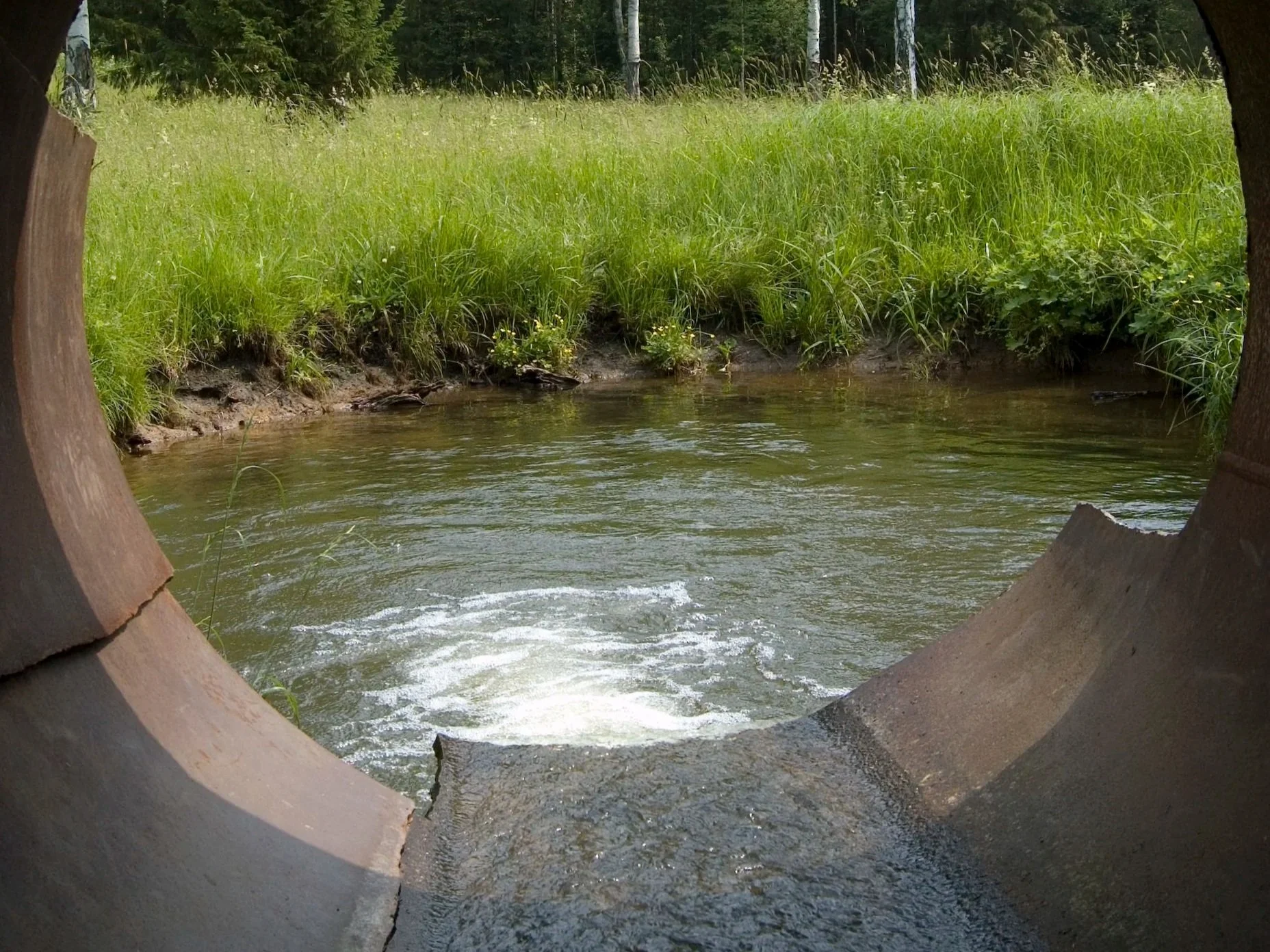
![View of a small river or creek seen through a round opening of a discharge pipe, with lush green grass and trees in the background.]()
Water & Wastewater Reuse
-
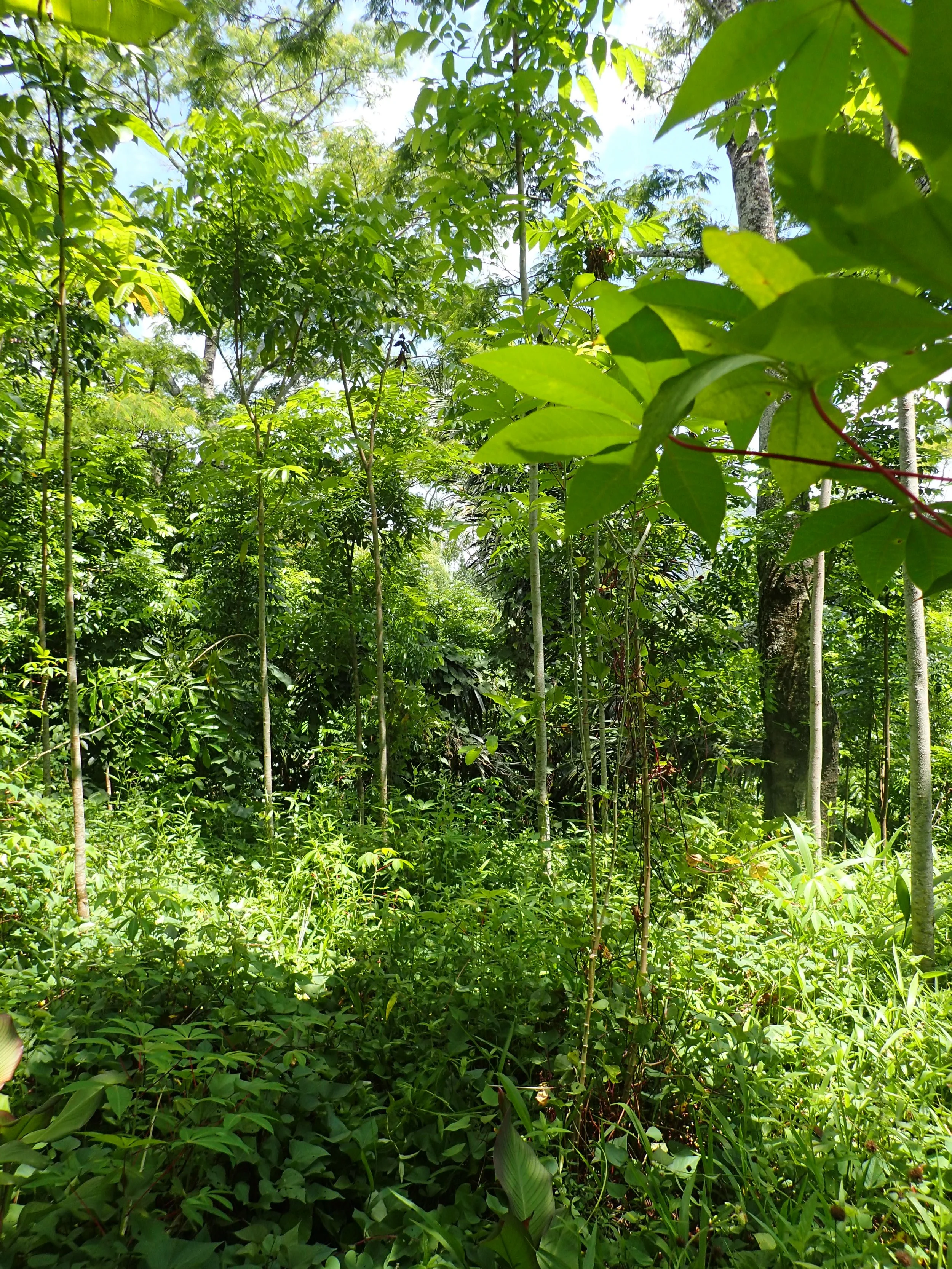
![Lush green native forest with dense foliage and tall trees under a bright blue sky.]()
Forestry
-
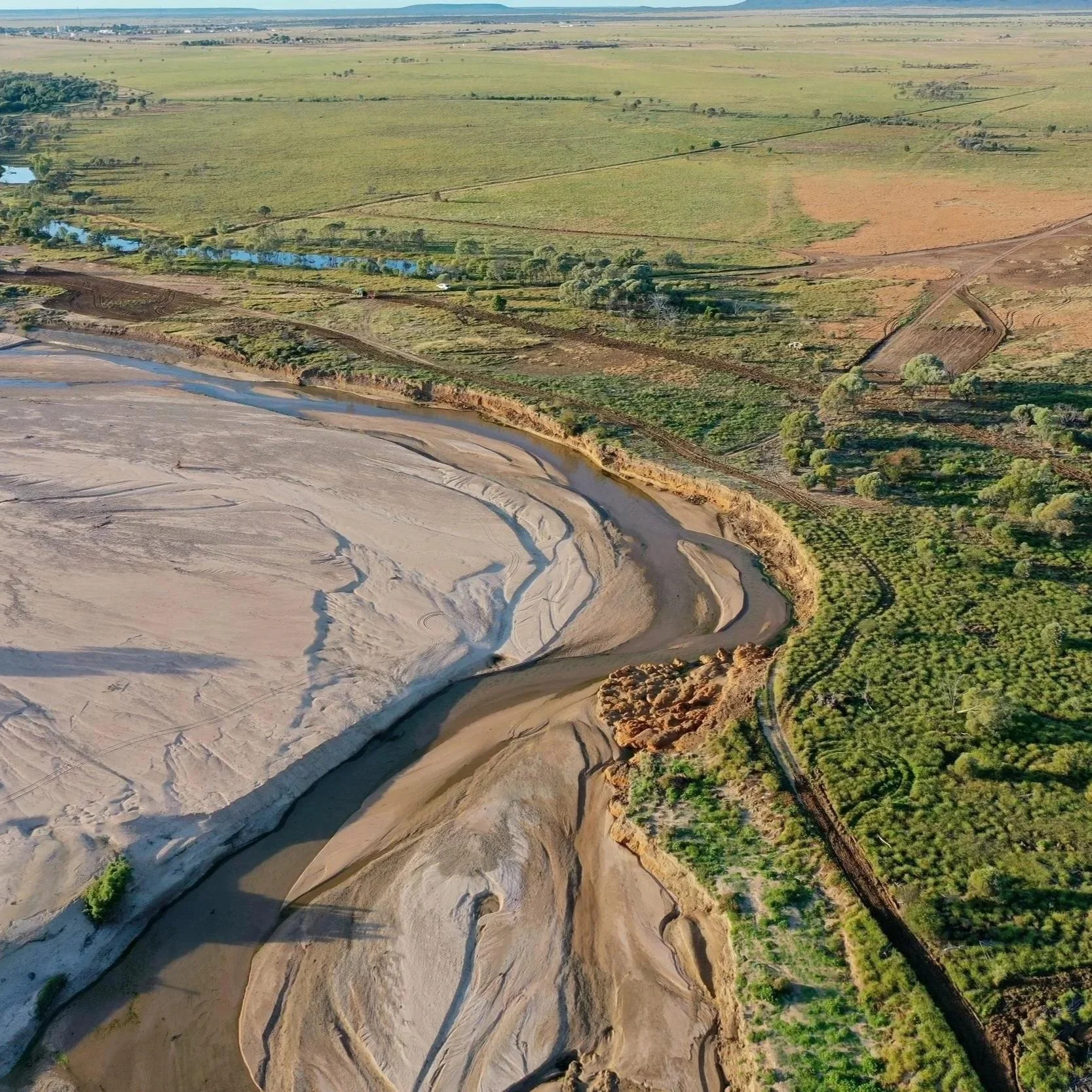
![An aerial view of a landscape showing a riverbed with dry sand, patches of water, and green vegetation along its edges. Beyond the river, there are green fields, trees, and some structures with roads running through the area.]()
Natural Resource Management
-
![A small green plant growing in dry, brown soil with a person in the background wearing a bright orange vest and khaki pants, facing away and slightly out of focus.]()
Ecosystem Markets
-
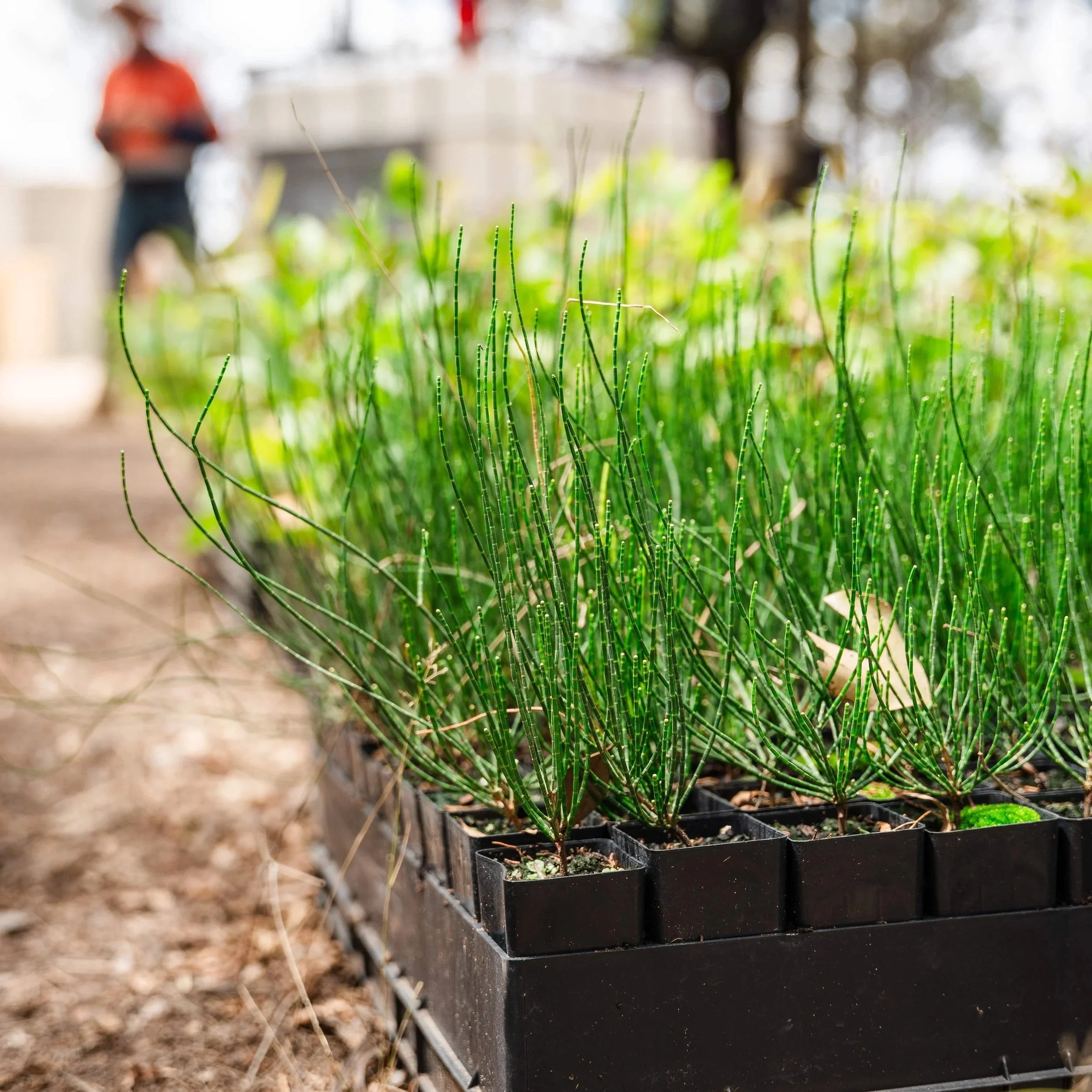
![Close-up of young green plant seedlings planted in black seedling trays, with a blurred person in red shirt outdoors in the background.]()
Natural Capital Development
-
![A dump truck unloading biosolids onto a field under a clear blue sky.]()
Nutrient Recovery & Reuse

From Framework to Delivery: Our Suite of Solutions
-
![]()
Measurement, monitoring and verification systems that provide confidence in environmental performance.
-
![ReVERT logo with the Rehabilitating Landscapes tagline]()
Landscape rehabilitation solutions that restore function to degraded and disturbed environments.
-
![Logo of ReVIVE with the tagline 'Bringing Soils Back to Life'.]()
Soil, growth media and amelioration solutions to restore chemical, physical and biological function and improve productivity.
-
![ReValue Water logo with the tagline 'Turning Wastewater into Value.']()
Circular water solutions that convert wastewater into environmental and economic value.
-
![REVALUE Nutrients logo with the tagline 'Recovering Nutrients. Restoring Soils.']()
Recovering nutrients from organic and industrial by-products to improve soils and reduce waste.
-
![Logo of REVALUE Ecosystems with the tagline 'Building ecosystems with lasting value'.]()
Establishing high-value ecosystems that generate long-term environmental and economic returns.
-
![Logo of Drover Land Management]()
Our specialist agriculture decision-support service designed to help landholders track performance, isolate management impact, improve productivity and demonstrate stewardship.



Let’s Build Performance into Your System
If you’re managing complex environmental challenges and need confidence that outcomes will perform, Verterra’s Performance Ecosystem - grounded in the science of ecological engineering - provides a clear, evidence-based pathway from action to impact.