
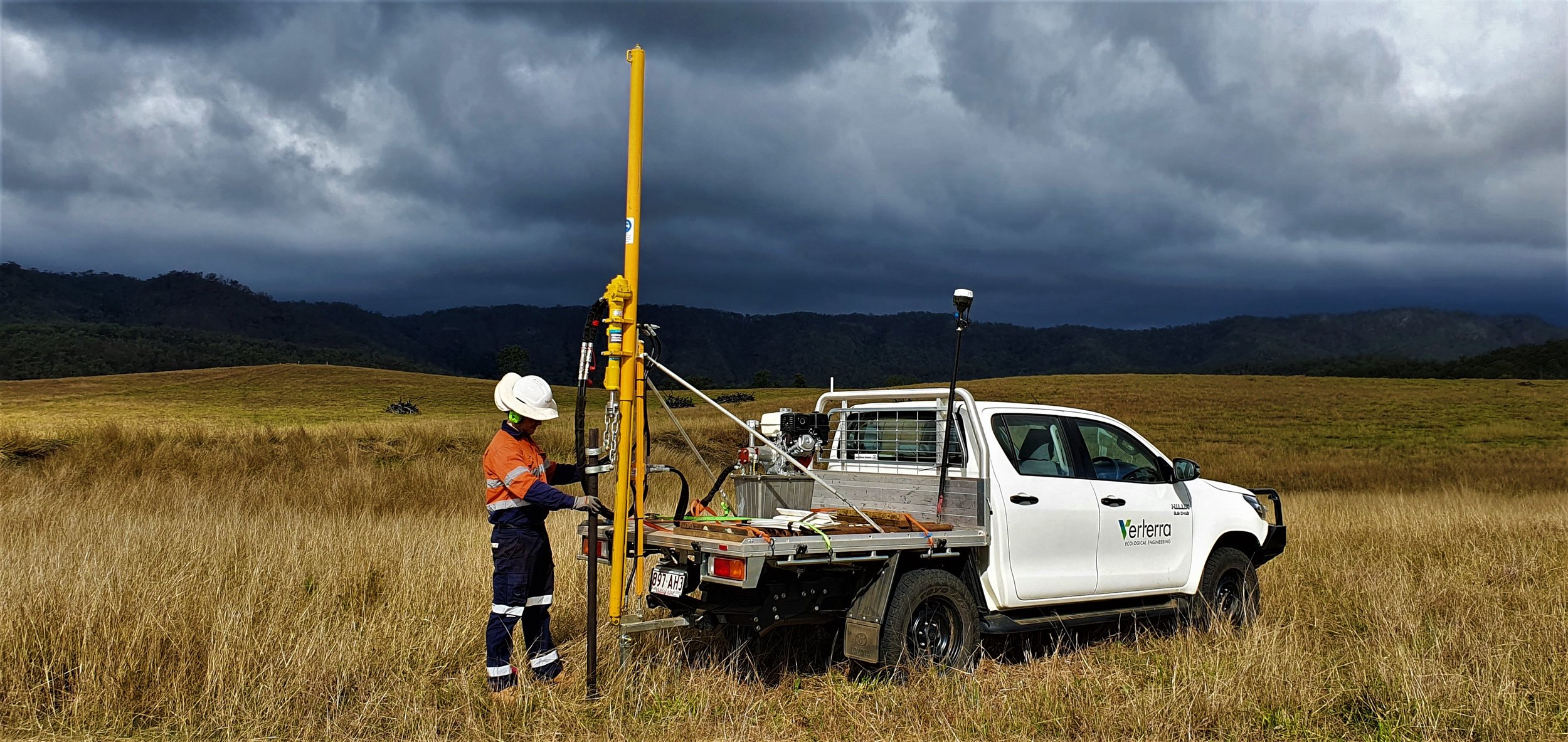
Verterra Projects
Discover our on-ground expertise in project design and delivery.
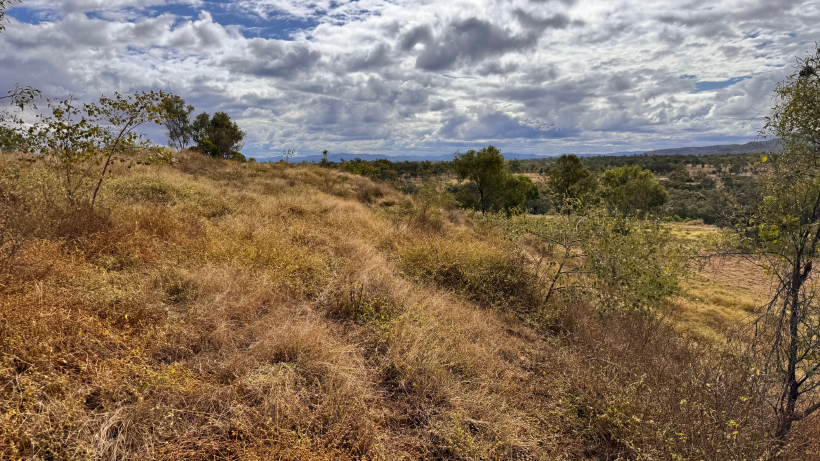
Establishing an Evidence-based Pathway to Regulatory Approved Closure of an Ash Dam
The closure of Collinsville ash dam required a practical and cost-effective approach capable of satisfying regulatory requirements, while limiting long-term environmental liabilities and supporting future land-use.
Environmental monitoring alone could not provide sufficient confidence that the ash dam would remain stable, or that heavy metals within the ash would not adversely affect groundwater and vegetation.
Verterra developed a risk-based closure approach supported by quantitative analysis, targeted monitoring and adaptive management, utlimately achieving what is believed to be Queensland’s first regulatory approval for the closure of an ash dam.

Evaluating Pit Rock as an Alternative Rehabilitation Material
Rock mulching can help protect mine rehabilitation surfaces from erosion, but sourcing suitable quarry rock can add significant cost through additional drilling, blasting and haulage.
In 2017, this client established a 10,000 bank cubic metre trial to investigate whether rock extracted during mining could provide a practical alternative.
For pit rock to perform effectively in rehabilitation, it must remain sufficiently competent when exposed to weathering, resisting breakdown and erosion, and avoid releasing salts or other materials that could constrain vegetation establishment.
Verterra was engaged to assess the trial and determine whether the material could be a viable alternative to quarry rock.
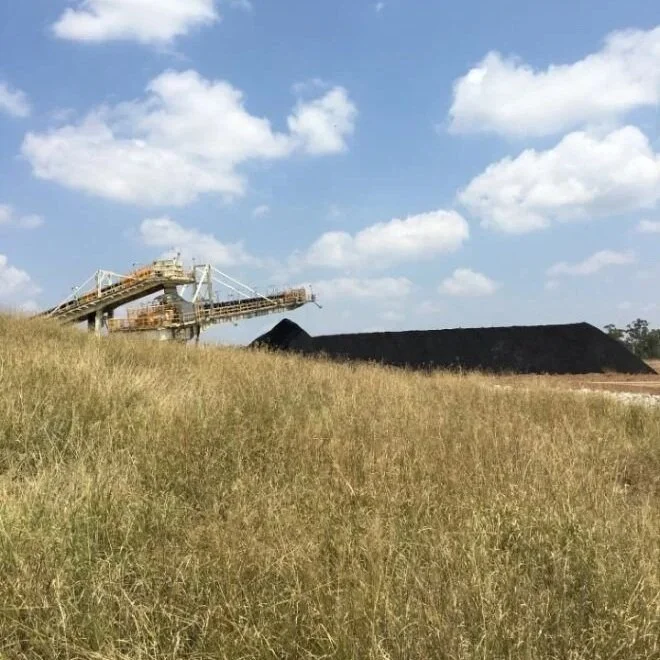
Building an Evidence-based Mine Rehabilitation Pathway
This client wanted to move away from relying primarily on rock mulch for rehabilitation and adopt a more targeted approach based on the characteristics and risks of the materials available across the mine site.
Verterra was engaged to assess the soils and spoils and recommend amelioration treatments and seed specifications. This work led to the development of a comprehensive revegetation plan to support the mine’s Progressive Rehabilitation and Closure Plan (PRCP).
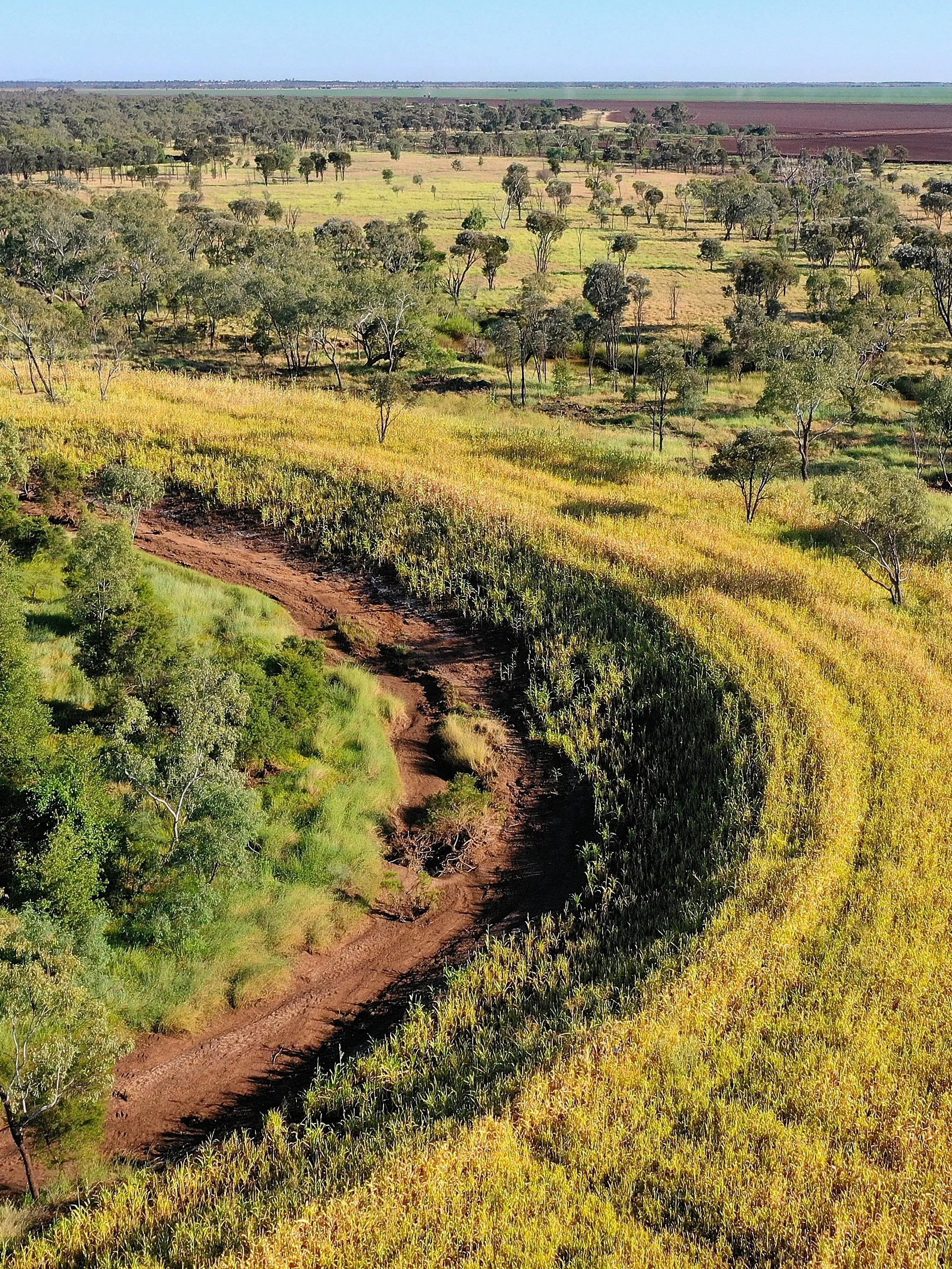
Logan Creek Streambank Rehabilitation
This project rehabilitated severely eroded streambanks along Logan Creek following extreme rainfall and flooding in the 2021–22 severe weather season. The collapse of streambanks had caused loss of valuable riparian vegetation and was adversely impacting aquatic habitat and water quality downstream. Funded jointly by the Queensland and Australian Governments under the Disaster Recovery Funding Arrangements (DRFA), the project aimed to stabilise riparian areas, restore ecological function and improve catchment resilience to future flood events.
Gully Rehabilitation for Envomark Reef Credits
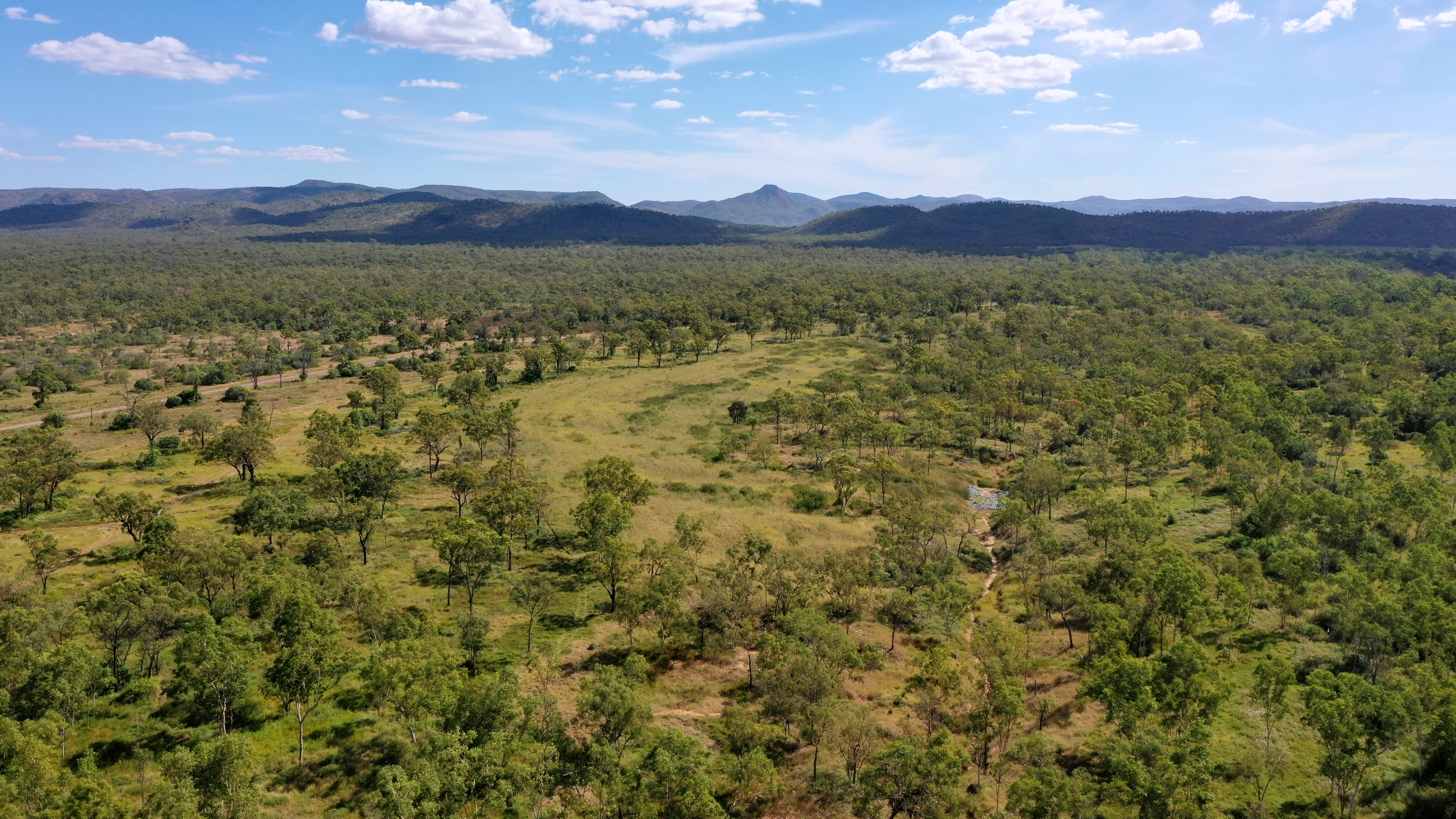
For this ReVert Landscape Rehabilitation project Verterra was engaged to rehabilitate a large, actively eroding gully system adjacent to the Bowen River in North Queensland. Delivered in partnership with Alluvium through the Landscape Restoration Partnership, this project represents Australia’s first gully rehabilitation initiative registered under the ENVOMARK Reef Credit Methodology - establishing a benchmark for large-scale sediment reduction projects designed to improve water quality flowing to the Great Barrier Reef.

From Failure to Function: Restoring Vegetation on Tailings Dams
Revegetation of mine tailings often relies on a thin soil cover to support vegetation growth. However, these tailings can be chemically and physically hostile to plants—especially when the depth of the cover soil is limited due to resource constraints. Poor vegetation establishment in these areas increases erosion risk and presents ongoing environmental and regulatory challenges, so when revegetation persistently fails, an in depth investigation is required.

Mt Wickham Gully Rehabilitation
Innovative Design and operational delivery over two phases of alluvial gully rehabilitation at th Mt Wickham property, 38km WNW of Collinsville aimed at erosion control, and water quality improvements from significant reduction of fine sediment loss to regional waterways that directly impact the Great Barrier Reef Lagoon with ecosystem stresses, including to inshore reef and seagrass beds.