
Gully Rehabilitation for Envomark Reef Credits
Services: Site assessment, soil sampling, landform surveys, vegetation assessments, rehabilitation design, soil amelioration, on-ground implementation.
Location: Mount Wyatt, Queensland
Date: 2025
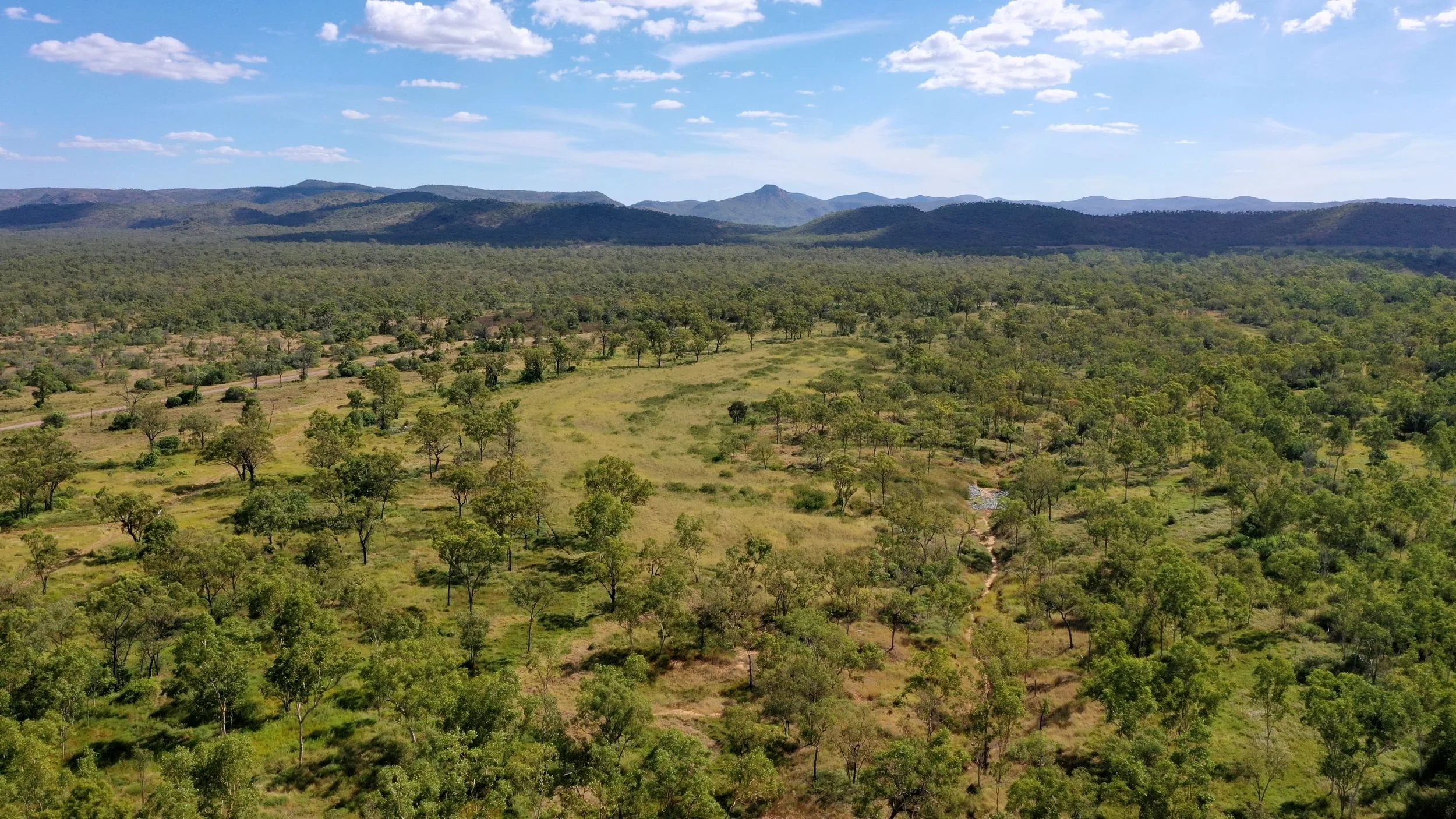
Site of significant alluvial gully erosion taken April 2026 following rehabilitation works in 2025.
Our Scope
Verterra was engaged to rehabilitate a large, actively eroding gully system adjacent to the Bowen River in North Queensland. Delivered in partnership with Alluvium through the Landscape Restoration Partnership, this project represents Australia’s first gully rehabilitation initiative registered under the ENVOMARK Reef Credit Methodology - establishing a benchmark for large-scale sediment reduction projects designed to improve water quality flowing to the Great Barrier Reef.
PROVE

The project site lies within the Bowen, Broken, Bogie (BBB) Catchment - recognised as the largest contributor of sediment to the Great Barrier Reef lagoon of any river system.
The alluvial gully was highly active across multiple fronts featuring:
a rapidly progressing head cut,
secondary channel incisions within the main gully,
expanding sheet erosion and tunnelling,
a large upstream erosion scarp.
The site discharged directly into the Bowen River, significantly degrading downstream water quality and contributing considerable sediment loads to the Reef.
Image: Part of the project site before work began.
To quantify the erosion baseline and inform rehabilitation design, Verterra undertook comprehensive site investigations including:
drone-based LiDAR surveying,
deep soil sampling,
residual landform surveys,
vegetation assessments.
Using these datasets, Verterra developed a baseline fine sediment yield model, integrating rainfall data, soil analysis and catchment hydrology to quantify historical erosion rates and estimated sediment export to the Reef. This was used to determine projected ENVOMARK Reef Credit generation.
IMPROVE
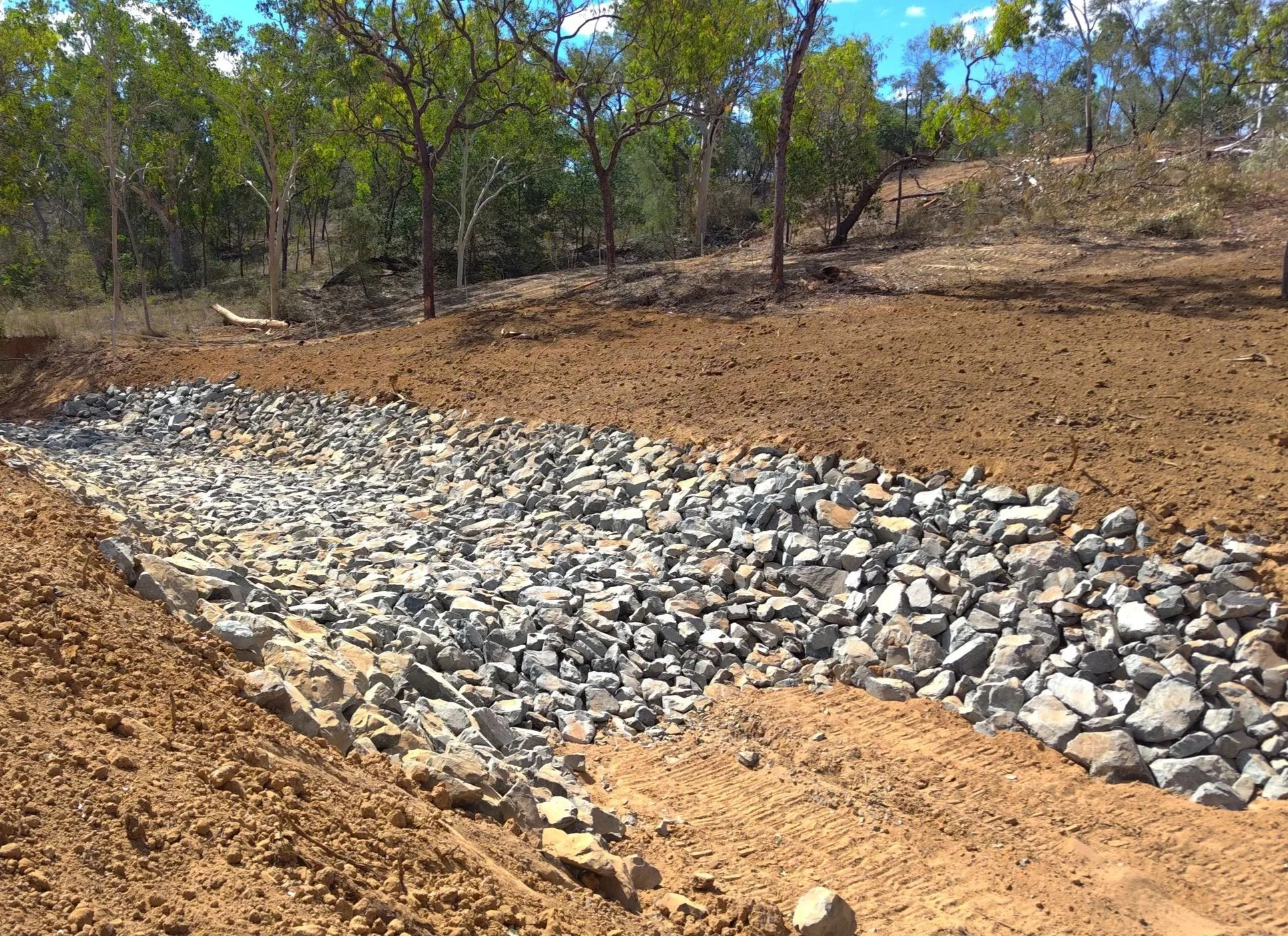
Working in partnership with Alluvium, Verterra developed concept and detailed rehabilitation designs informed by geomorphological investigations and landscape function assessments.
Key interventions implemented by Verterra included:
Installation of four in-channel grade control structures (rock chutes with crest bunds)
Construction of a head-cut rock chute with overland flow bunds
Extensive landform reshaping and stabilisation.
Image: Completed rock chute on-site
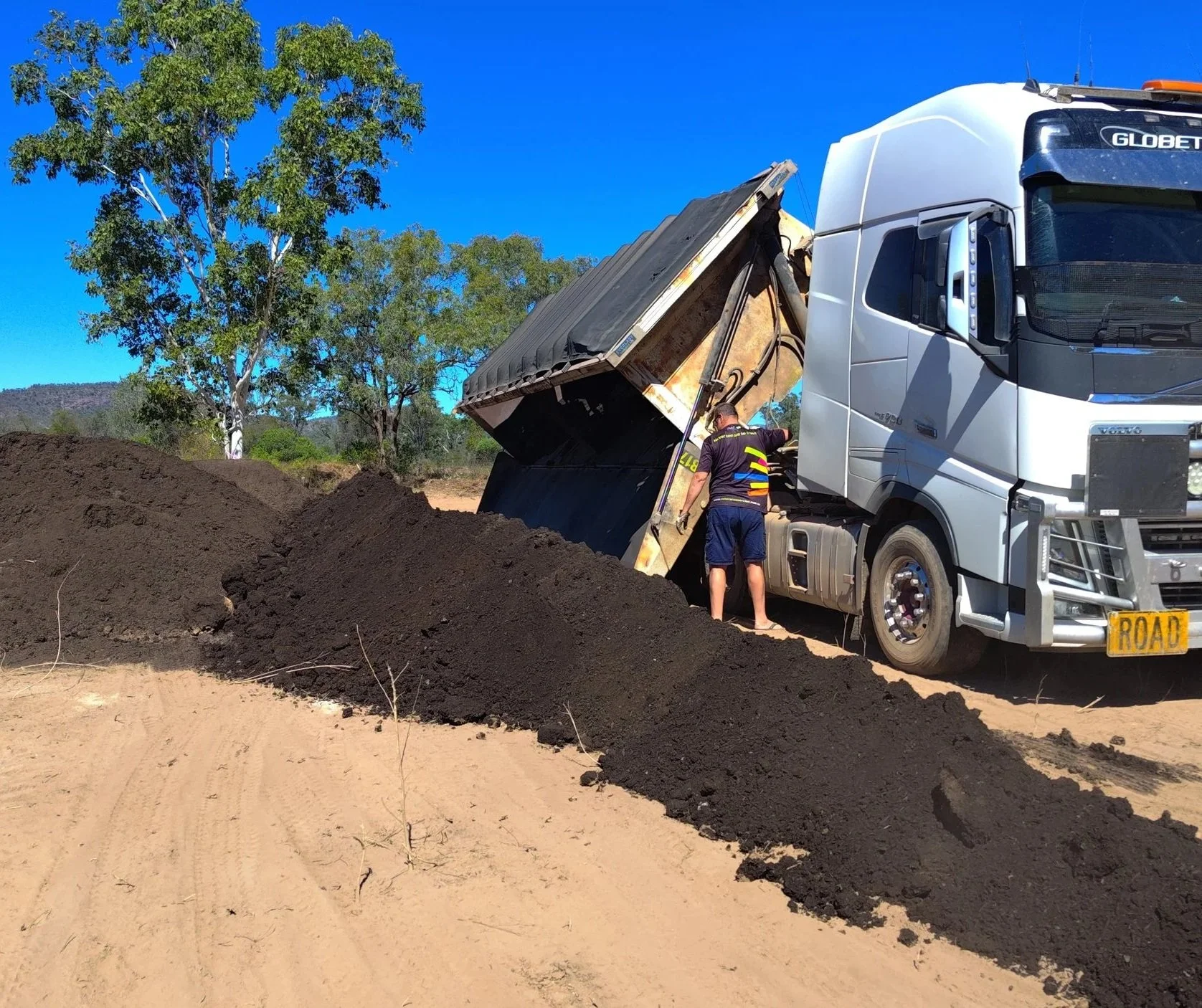
Deep soil coring identified sodic subsoils contributing to instability. A targeted soil amelioration program was developed through Verterra’s ReVive Soil Solutions with prescribed treatment zones and application rates implemented to restore soil structure and support revegetation.
To independently verify sediment reduction outcomes, Verterra installed automated water sampling equipment and telemetry-enabled weather monitoring to capture data during significant rainfall and streamflow events.
Ongoing monitoring will continue to assess site stability, with performance outcomes during rainfall and flow events reported to demonstrate rehabilitation success.
Image: Delivery of soil amelioration components to site.
VALUE
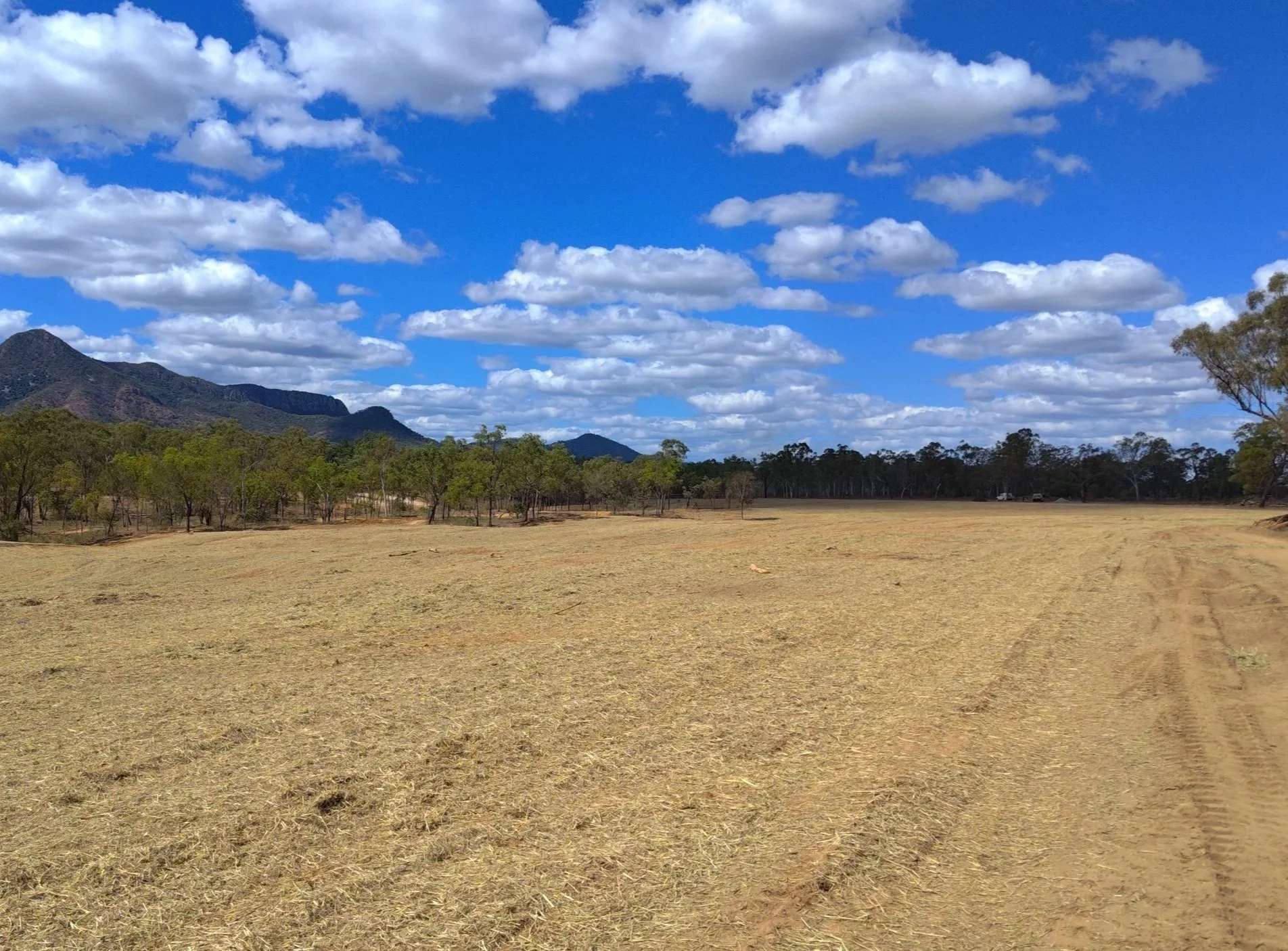
Rehabilitation of the gully is expected to deliver sediment reductions of up to 500 tonnes per year, significantly improving water quality entering the Bowen River and Great Barrier Reef lagoon, while generating credits and restoring degraded land to productive grazing use.
Key outcomes include:
Substantial sediment reduction to downstream waterways
Restoration of landscape stability and ecological function
Generation of independently verified ENVOMARK Reef Credits
Diversified income streams for the landholder
Restoration of degraded land to productive grazing use
Image: The rehabitated landscape close to project completion
As the first project of its kind registered under the Reef Credit Methodology, this project provides a scalable model for catchment-scale sediment reduction, demonstrating how ecological engineering and environmental markets can mobilise investment to restore landscapes, diversify landholder income, and protect the Great Barrier Reef.
Image: The rehabilitated site taken in April 2026.
Find out more about our landscape rehabilitation solutions or watch the project video below.