
Beneficial Use of Mine Water for Irrigated Tropical Pasture Cropping
Services: Feasibility study and concept design, land assessment and environmental modelling, irrigation and risk management design
Location: Macarthur River District, NT
Date: 2011-2012
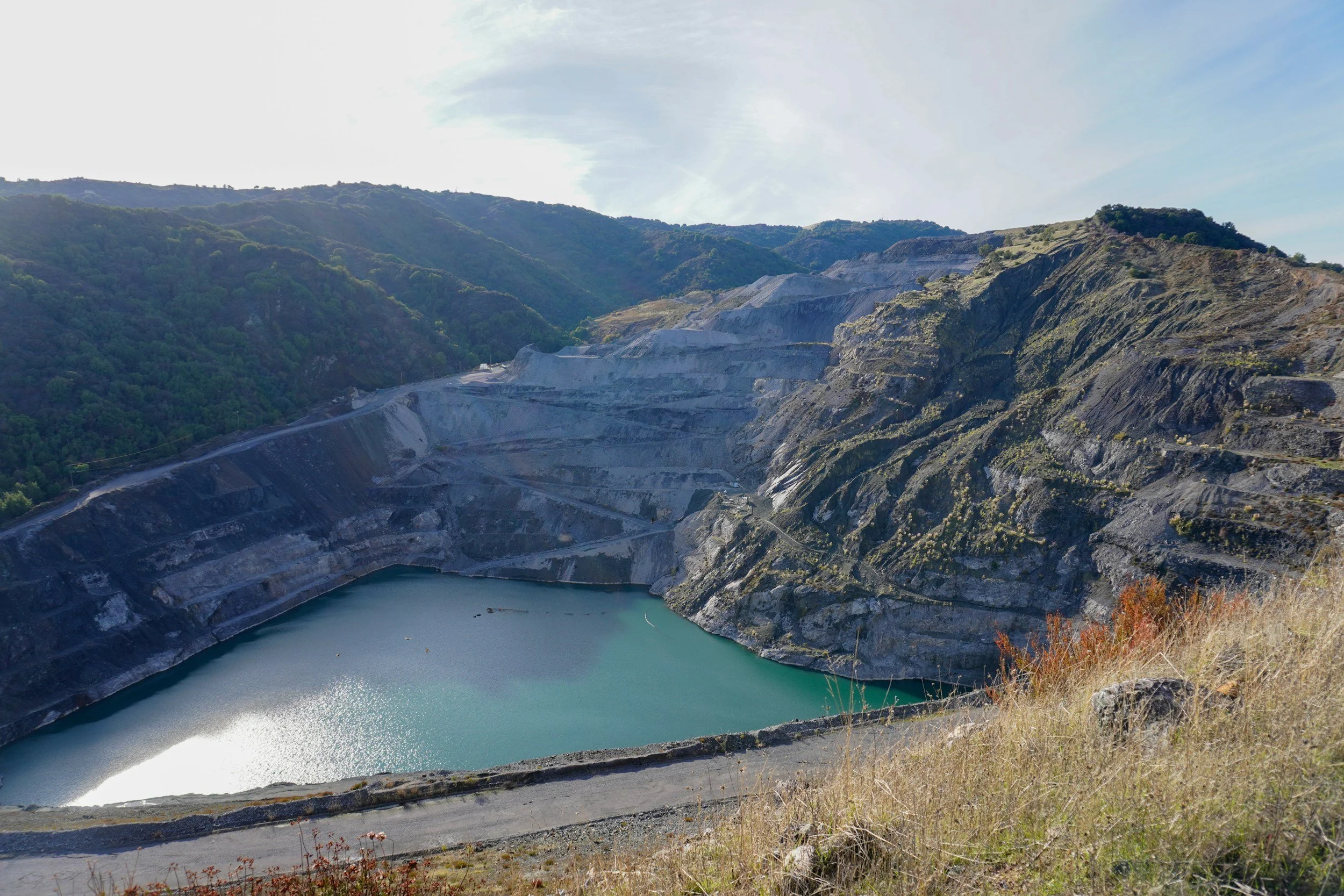
Image Credit: Unspash
Our Scope
As part of expansion planning, it became apparent to this mining operation that excavation would intercept paleo-channels containing significant volumes of groundwater in the Macarthur River District. The water, which was contaminated with elevated zinc levels exceeding ANZECC discharge guidelines. Verterra was briefed to help resolve these issues with a cost-effective approach that would ensure a long-term, beneficial solution.
Challenges included:
The contaminated water could not be released directly to nearby streams without treatment.
Projected volumes of water exceeded the site’s existing storage capacity, creating a costly and complex water management problem.
Verterra’s Solution
Verterra proposed an innovative beneficial reuse strategy that would repurpose the intercepted groundwater for dry-season irrigation of tropical pastures. This nature-based approach presented an option that avoided the need for costly engineered storage or treatment infrastructure, while reducing long-term rehabilitation liabilities and creating productive land use outcomes.
Verterra delivered the initial concept, feasibility, and detailed design for an irrigated tropical pasture system to beneficially use the intercepted mine water.
Project Highlights
Feasibility Study and Concept Design:
Groundwater treatment and reuse options via tree and crop irrigation.
Estimates of irrigation demand (volume/ha) and cost-effectiveness of various fodder and tree crop options.
Land Assessment and Environmental Modelling:
Soil surveys and land capability assessment for irrigated pasture establishment.
Impact modelling for soil salinity, surface runoff, and groundwater recharge risks.
Irrigation and Risk Management Design:
Detailed irrigation system design tailored to site conditions and seasonal variability.
Development of a comprehensive Beneficial Use Management Plan, including:
Irrigation scheduling and nutrient uptake strategies.
Environmental monitoring requirements.
Risk management and regulatory compliance framework.
Outcomes
This project provided the client with a low-cost, sustainable option for managing groundwater inflows.
Significantly reduced capital expenditure compared to conventional water storage or treatment options
Ability to help mitigate long-term environmental liabilities
Option to support a viable grazing enterprise with irrigated pasture, transforming a waste management burden into a productive, economically beneficial asset.