
Verterra Projects
Discover our on-ground expertise in project design and delivery.
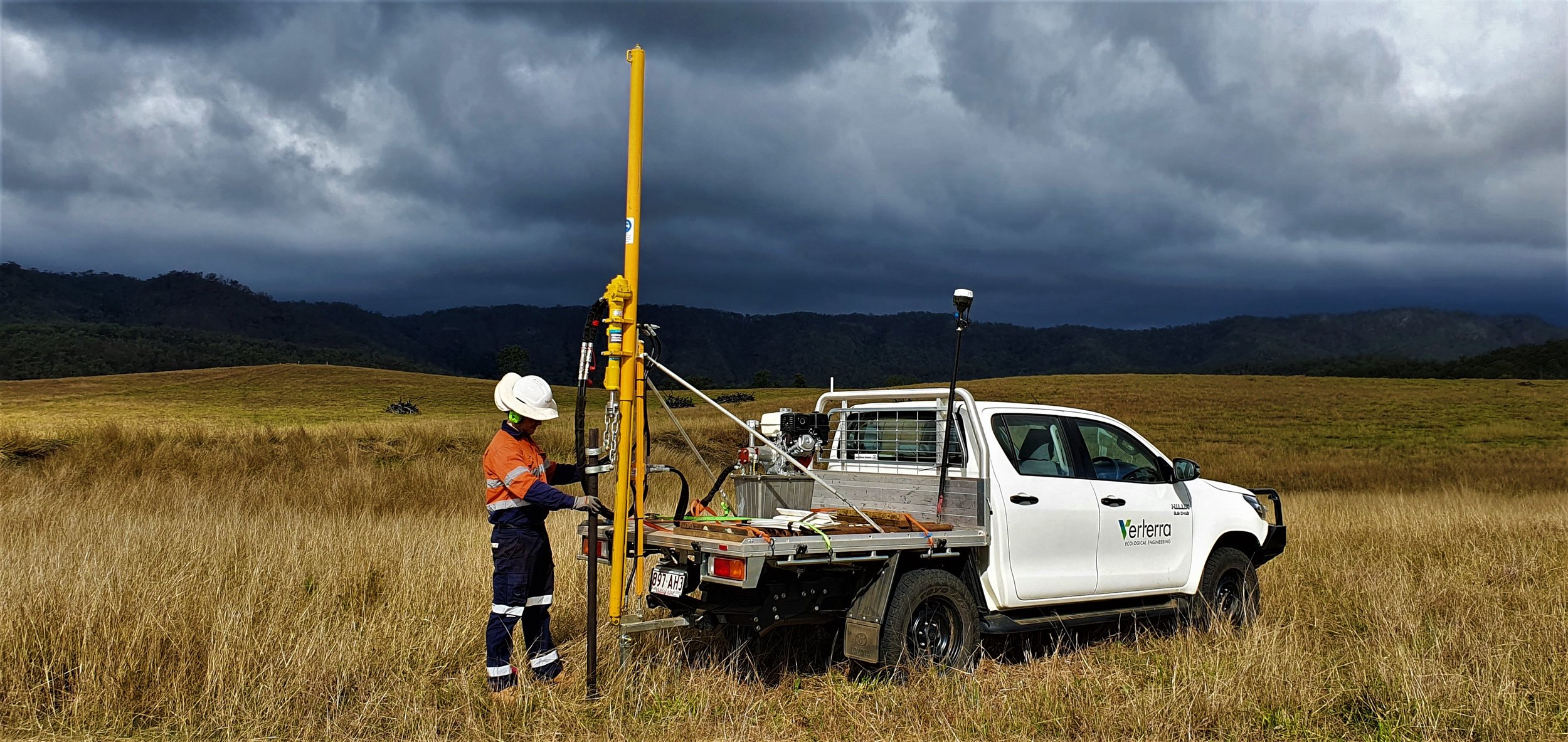
Establishing an Evidence-based Pathway to Regulatory Approved Closure of an Ash Dam
The closure of Collinsville ash dam required a practical and cost-effective approach capable of satisfying regulatory requirements, while limiting long-term environmental liabilities and supporting future land-use.
Environmental monitoring alone could not provide sufficient confidence that the ash dam would remain stable, or that heavy metals within the ash would not adversely affect groundwater and vegetation.
Verterra developed a risk-based closure approach supported by quantitative analysis, targeted monitoring and adaptive management, utlimately achieving what is believed to be Queensland’s first regulatory approval for the closure of an ash dam.
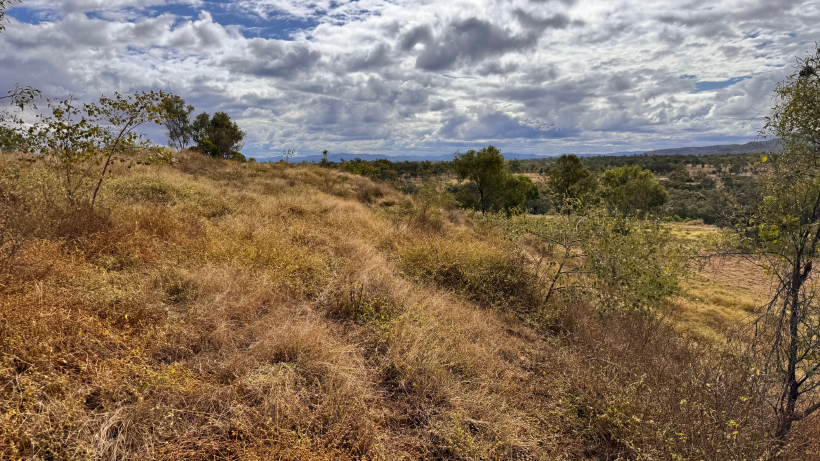
Integrating Soil Evidence and Revegetation Design for Mine Water Diversions
This client required detailled designs for surface-water management at a mine that included three proposed water diversions. These needed to function as stable waterways that would remain in equilibrium with the surrounding landscape and avoid adverse impacts on upstream and downstream environments.
Achieving this needed more than hydraulic and landform design, it needed vegetation capabile of stabilising the diversion banks and contributing to ecological function of the waterways.
Monitoring Vegetation Respose to Subsidence-related Inundation
Environmental Authority conditions at this mine limit the impact of mining activities on remnant vegetation within the lease, however, subsidence above longwall mining operations had created local drainage depressions.
This had resulted in seasonal inundation and vegetation mortality and affected areas included mapped Category A or B vegetation and contained an endangered Regional Ecosystem.
Verterra was engaged to develop a rolling ecological monitoring program to establish baseline vegetation condition, assess the effects of inundation and provide evidence for future management decisions.

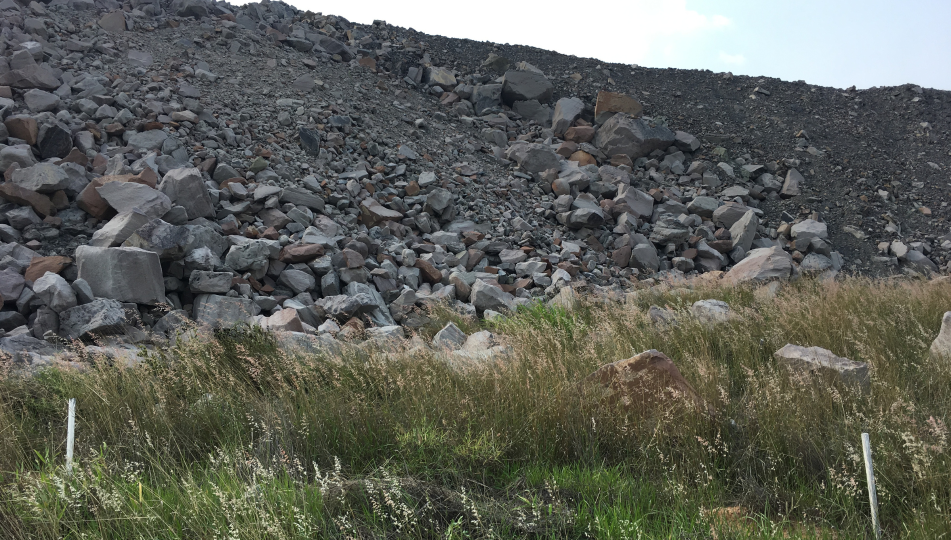
Evaluating Pit Rock as an Alternative Rehabilitation Material
Rock mulching can help protect mine rehabilitation surfaces from erosion, but sourcing suitable quarry rock can add significant cost through additional drilling, blasting and haulage.
In 2017, this client established a 10,000 bank cubic metre trial to investigate whether rock extracted during mining could provide a practical alternative.
For pit rock to perform effectively in rehabilitation, it must remain sufficiently competent when exposed to weathering, resisting breakdown and erosion, and avoid releasing salts or other materials that could constrain vegetation establishment.
Verterra was engaged to assess the trial and determine whether the material could be a viable alternative to quarry rock.
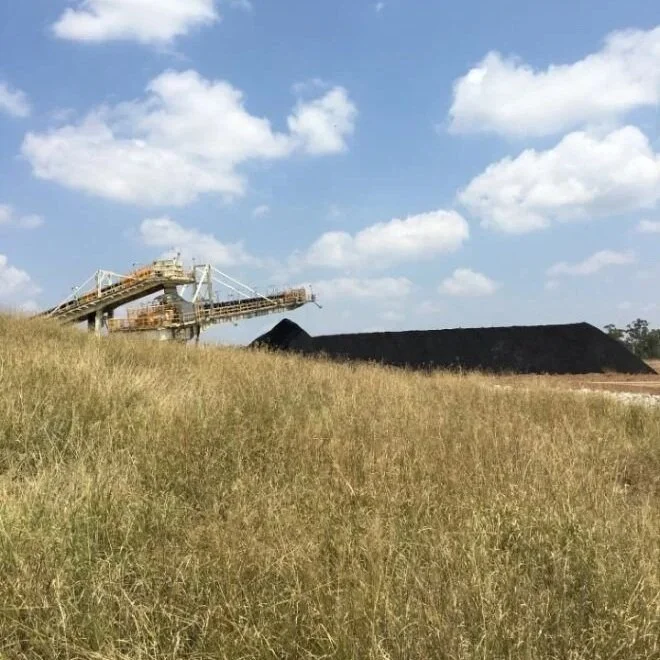
Building an Evidence-based Mine Rehabilitation Pathway
This client wanted to move away from relying primarily on rock mulch for rehabilitation and adopt a more targeted approach based on the characteristics and risks of the materials available across the mine site.
Verterra was engaged to assess the soils and spoils and recommend amelioration treatments and seed specifications. This work led to the development of a comprehensive revegetation plan to support the mine’s Progressive Rehabilitation and Closure Plan (PRCP).
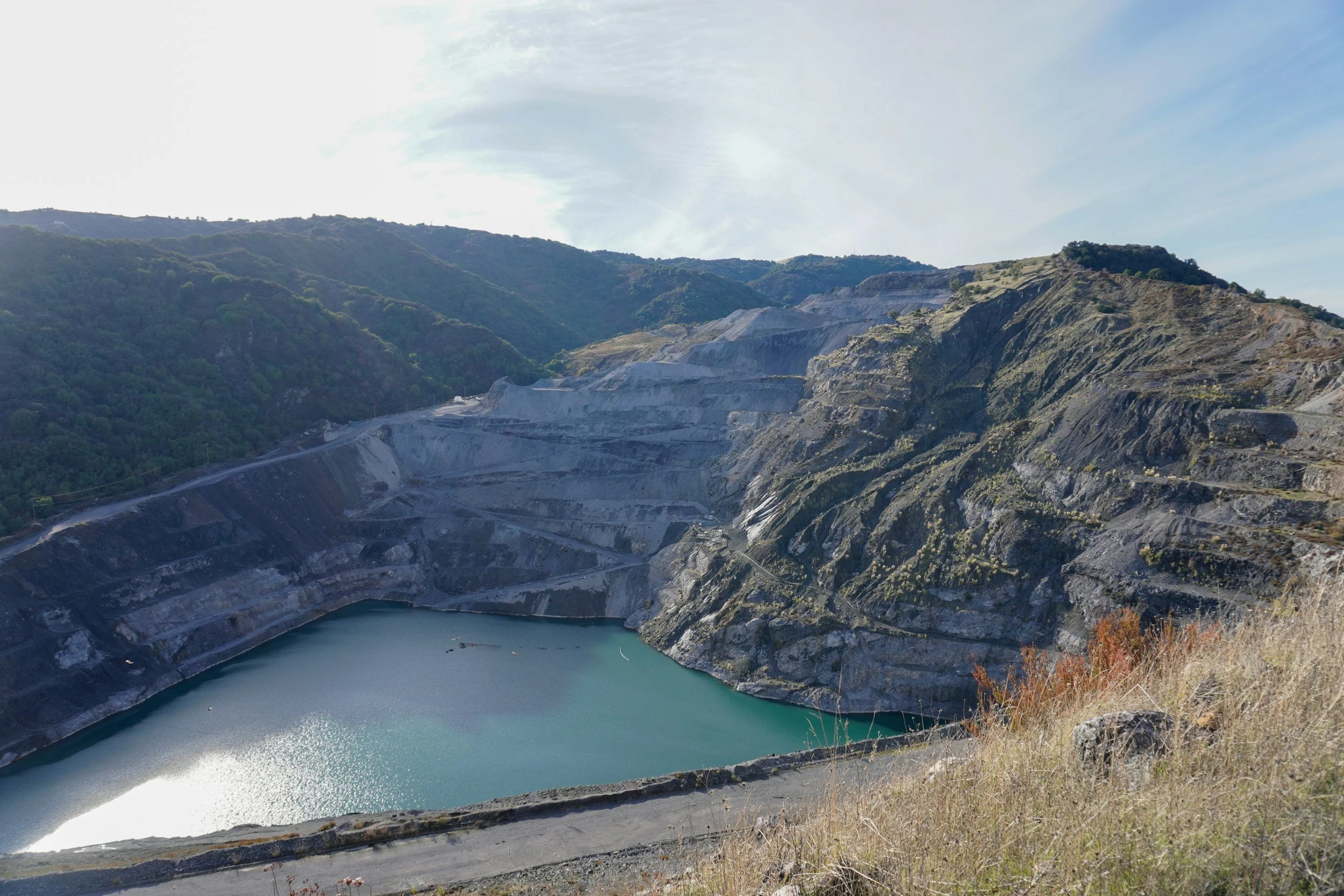
Beneficial Use of Mine Water for Irrigated Tropical Pasture Cropping
As part of expansion planning, it became apparent to this mining operation that excavation would intercept paleo-channels containing significant volumes of groundwater in the Macarthur River District. The water, which was contaminated with elevated zinc levels exceeding ANZECC discharge guidelines. Verterra was briefed to help resolve these issues with a cost-effective approach that would ensure a long-term, beneficial solution.
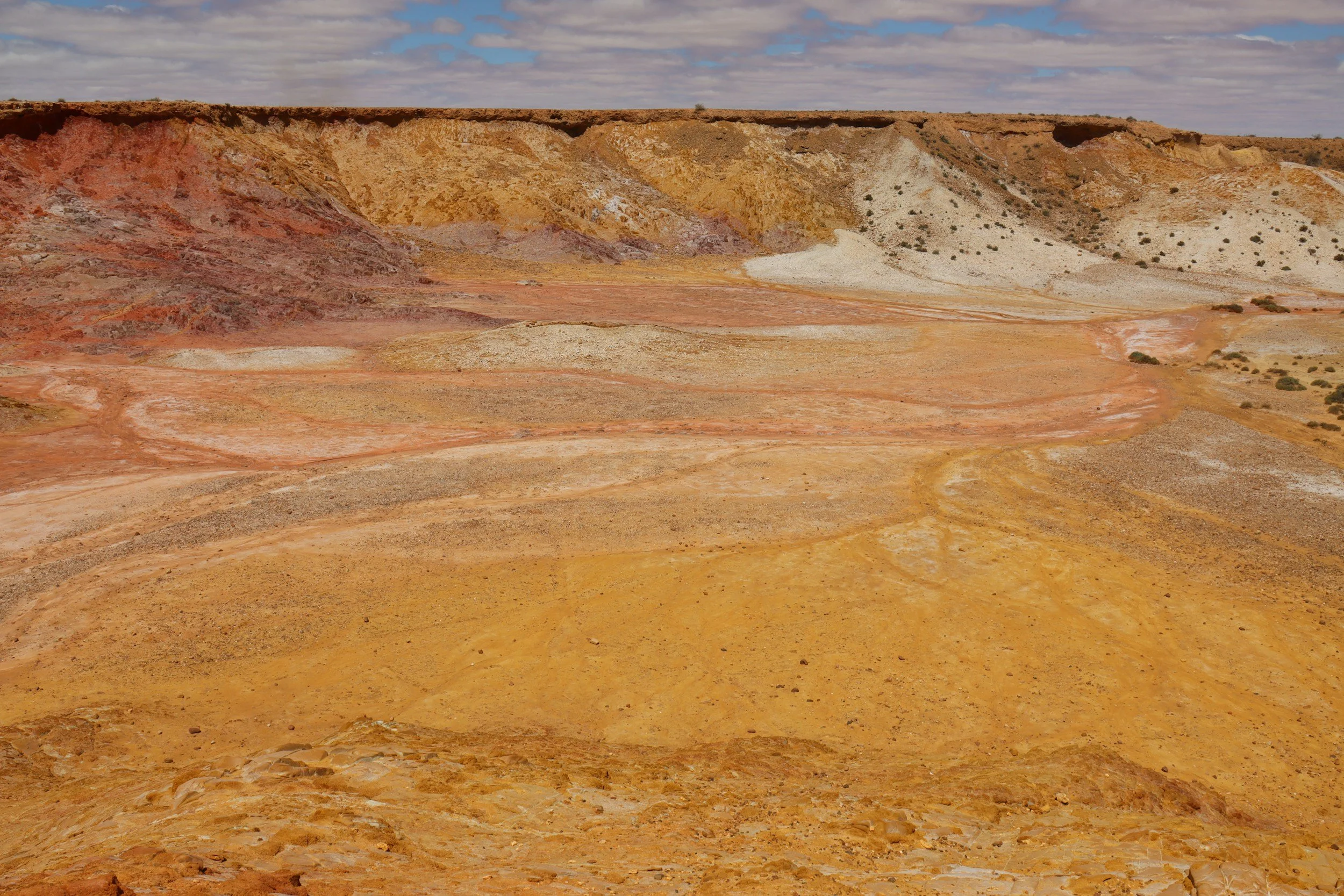
Water Balance and Salt Load Analysis in Coal Mining
Operating under a regulated Salinity Offset Scheme (SOS) to manage net salt export from their operations this client required an updated understanding of how much salt was being exported from the site - either through surface runoff or deep aquifer drainage. This was essential to ensure continued compliance with their Environmental Protection Licence (EPL) and to refine the size and scope of their Salinity Offset.
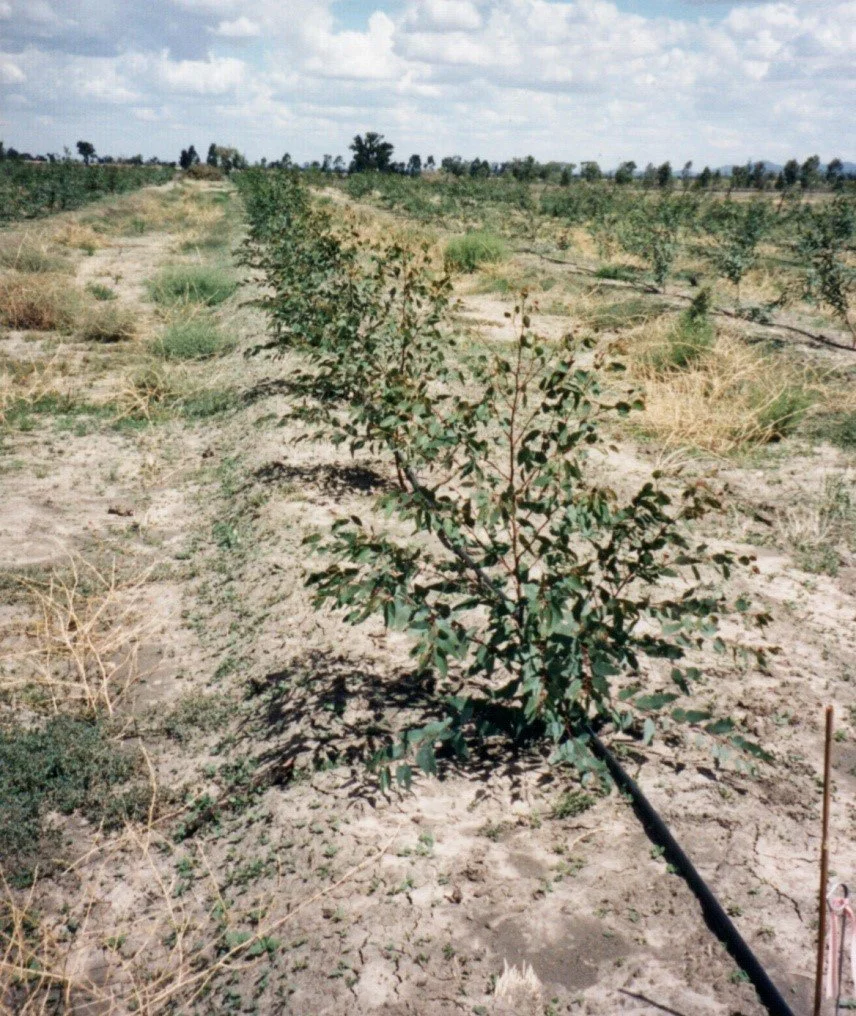
Turning Risk into Resource: Land and Irrigation Planning for Coal Seam Gas Water Use
To enable sustainable, large-scale irrigation using coal seam gas (CSG) water, this client required both rigorous technical assessment of candidate land and a well-prepared regulatory submission for a beneficial use approval. The project had to address marginal soils in a region with limited experience in intensive irrigation, while aligning with environmental safeguards and regulatory expectations.

Coal Seam Gas Water Reuse through Irrigation Feasibility and Design
With planning underway for the staged development of up to 15 coal seam gas (CSG) wells in two Extended Production Test areas, the client sought an economically and environmentally sustainable option to manage the production of up to 1.8ML of highly saline and sodic CSG water per day.
Rather than investing in expensive reverse osmosis or disposal pathways, a beneficial reuse option involving agricultural irrigation trials was proposed. To ensure success, the proposal required in-depth feasibility, design, and regulatory compliance support to assess viability and satisfy a Water Management Strategy and Environmental Authority conditions.

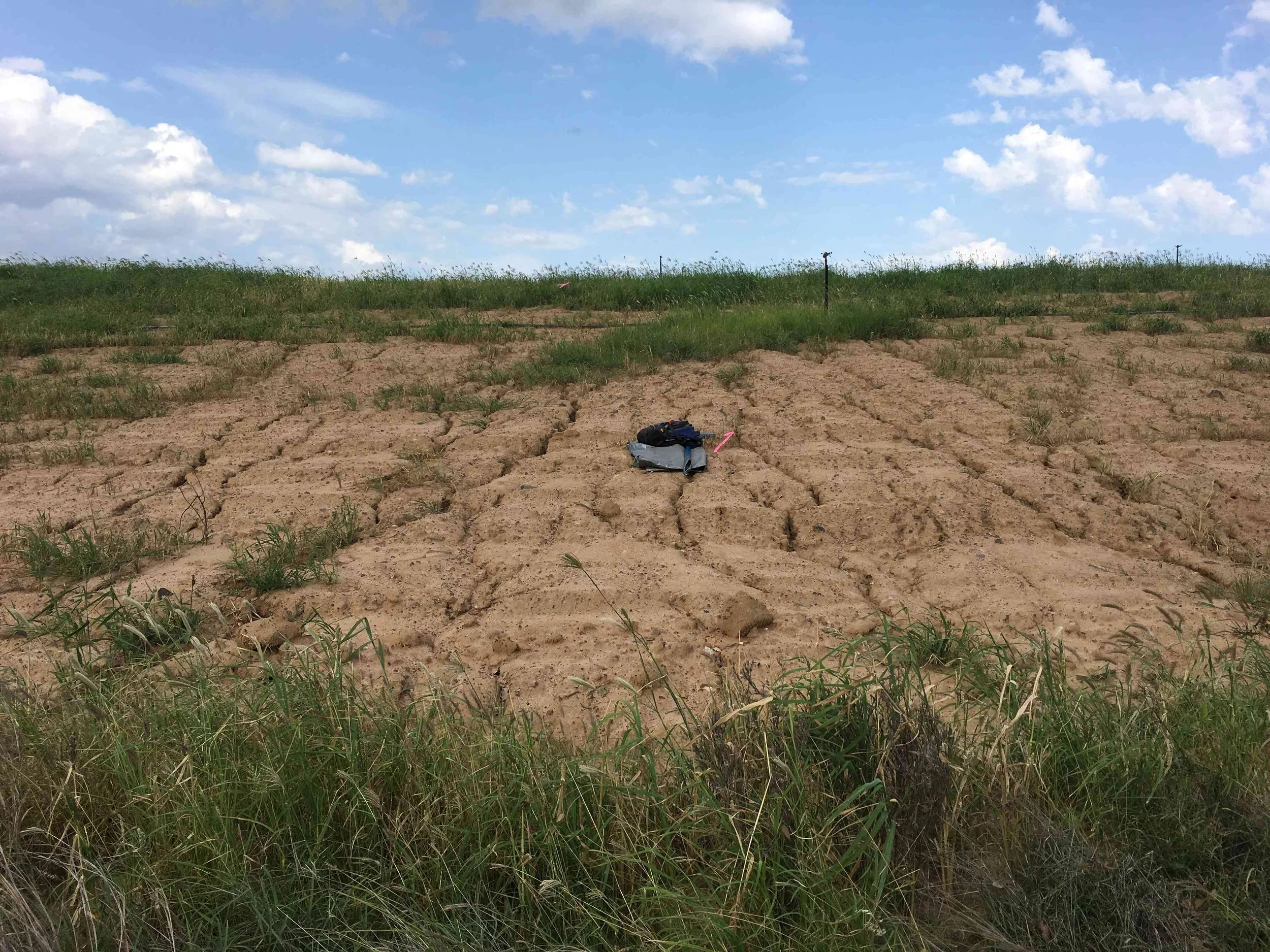
From Failure to Function: Restoring Vegetation on Tailings Dams
Revegetation of mine tailings often relies on a thin soil cover to support vegetation growth. However, these tailings can be chemically and physically hostile to plants—especially when the depth of the cover soil is limited due to resource constraints. Poor vegetation establishment in these areas increases erosion risk and presents ongoing environmental and regulatory challenges, so when revegetation persistently fails, an in depth investigation is required.

Enabling Low-Impact Pumped Hydro with Soil and Erosion Insights
Pumped hydro energy storage is gaining momentum as a critical component of Australia’s renewable energy transition. While environmentally beneficial in operation, their development requires significant infrastructure—such as roads, pipelines, and reservoirs—that can impact soil health, increase erosion risk, and reduce land suitability for agriculture. This case study demonstrates how Verterra approaches risk assessment for these projects.

Minimising Soil Risk in Wind Farm Design
As wind energy projects increasingly seek locations that reduce public resistance to visual and noise impacts, forested areas have emerged as preferred sites for development. However, constructing access roads and transmission corridors through these landscapes introduces potential risks to land condition, erosion rates, and future land use, particularly for forestry and agriculture. This case study looks at how these risks can be assessed and managed effectively.

Grosvenor Subsidence Impact Assessment
Verterra has specific expertise and prior experience in detailed spatial and quantitative impact assessment and analysis of the effect of subsidence. This project, carried out for Anglo American’s Grosvenor Coal Mine, assessed the impact of subsidence on native vegetation.

Lower Burdekin Groundwater Mitigation Strategy
Verterra delivered a well informed and practical guideline that will provide irrigators guidance on how new irrigation developments can achieve net zero impact on the groundwater table and support sustainable growth in the Lower Burdekin Area.