
Verterra Projects
Discover our on-ground expertise in project design and delivery.

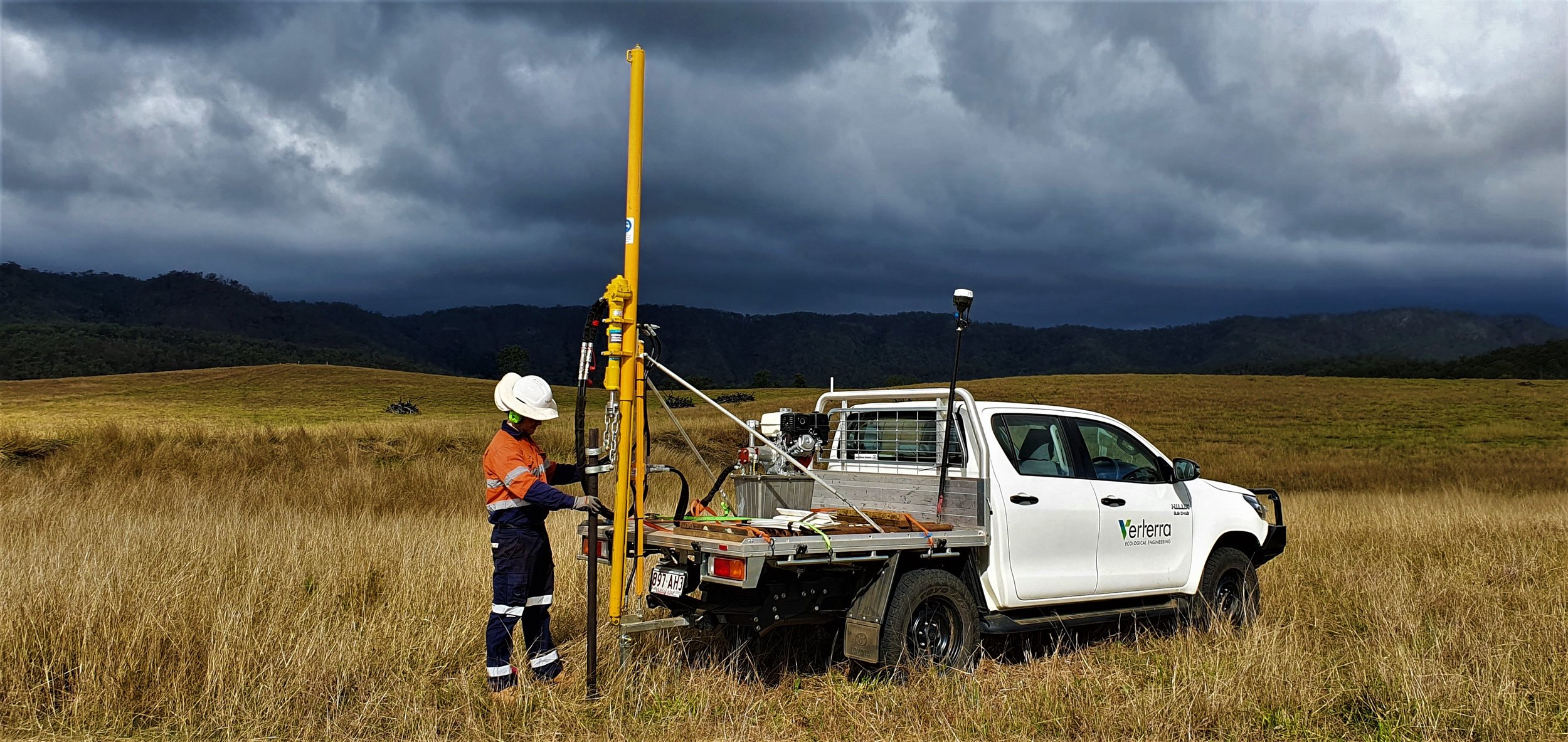
Enabling Low-Impact Pumped Hydro with Soil and Erosion Insights
Pumped hydro energy storage is gaining momentum as a critical component of Australia’s renewable energy transition. While environmentally beneficial in operation, their development requires significant infrastructure—such as roads, pipelines, and reservoirs—that can impact soil health, increase erosion risk, and reduce land suitability for agriculture. This case study demonstrates how Verterra approaches risk assessment for these projects.

Minimising Soil Risk in Wind Farm Design
As wind energy projects increasingly seek locations that reduce public resistance to visual and noise impacts, forested areas have emerged as preferred sites for development. However, constructing access roads and transmission corridors through these landscapes introduces potential risks to land condition, erosion rates, and future land use, particularly for forestry and agriculture. This case study looks at how these risks can be assessed and managed effectively.

Yandina Creek Wetlands - Monitoring and Revegation
Engaged by Unitywater to monitor vegetation and water quality, remove tidal gates, undertake tidal monitoring, UAV footage and BioCondition monitoring for the Yandina Creek Wetlands for a three-year period.

Grosvenor Subsidence Impact Assessment
Verterra has specific expertise and prior experience in detailed spatial and quantitative impact assessment and analysis of the effect of subsidence. This project, carried out for Anglo American’s Grosvenor Coal Mine, assessed the impact of subsidence on native vegetation.

North and North-West Queensland Cotton Production Area Suitability Evaluation
For over 20 years various cotton growing trials have been undertaken in the Far North and North West of Queensland. Multiple proponents have contemplated the development of a cotton gin to increase the production efficiency of cotton cropping in the region.