
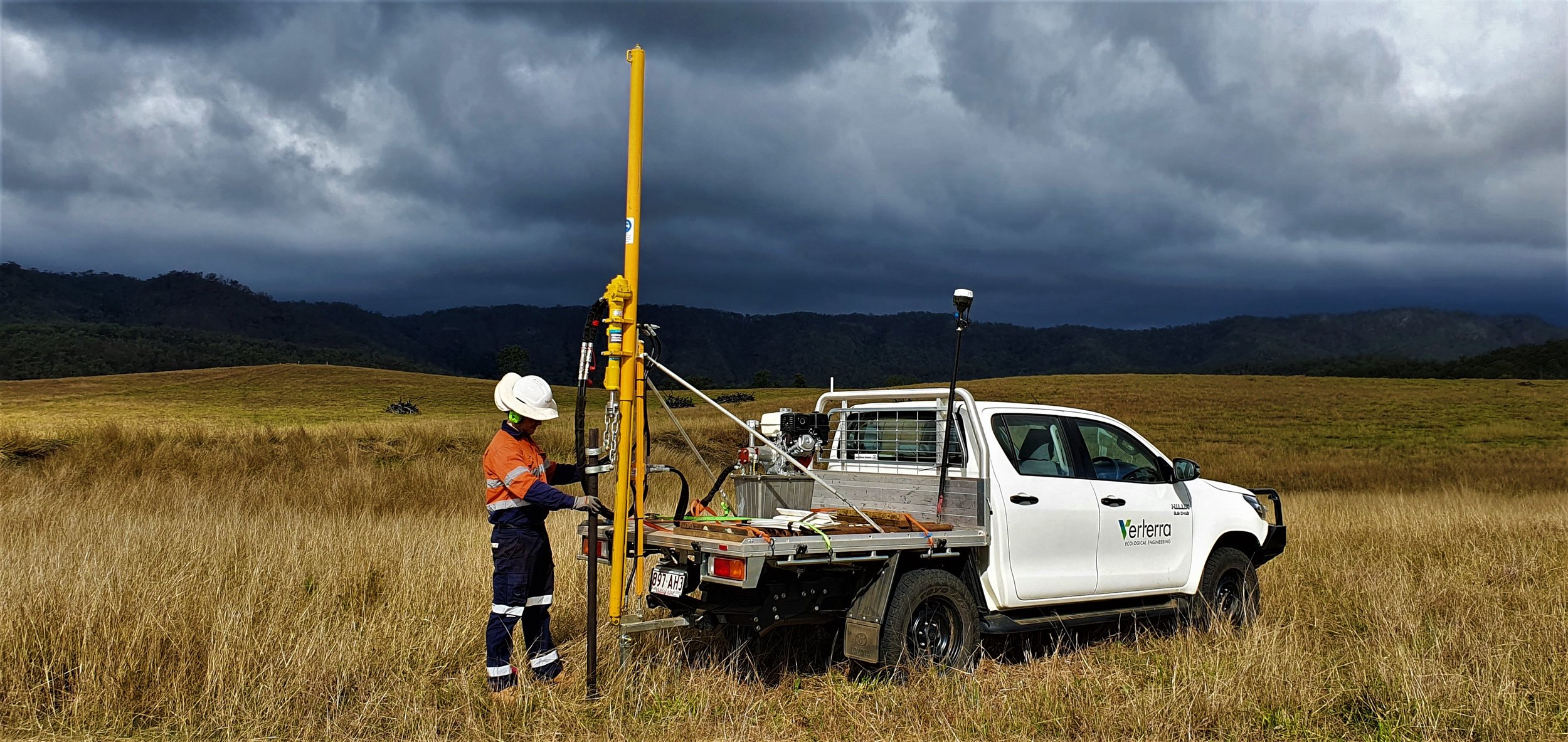
Verterra Projects
Discover our on-ground expertise in project design and delivery.
Beneficial Use of Mine Water for Irrigated Tropical Pasture Cropping
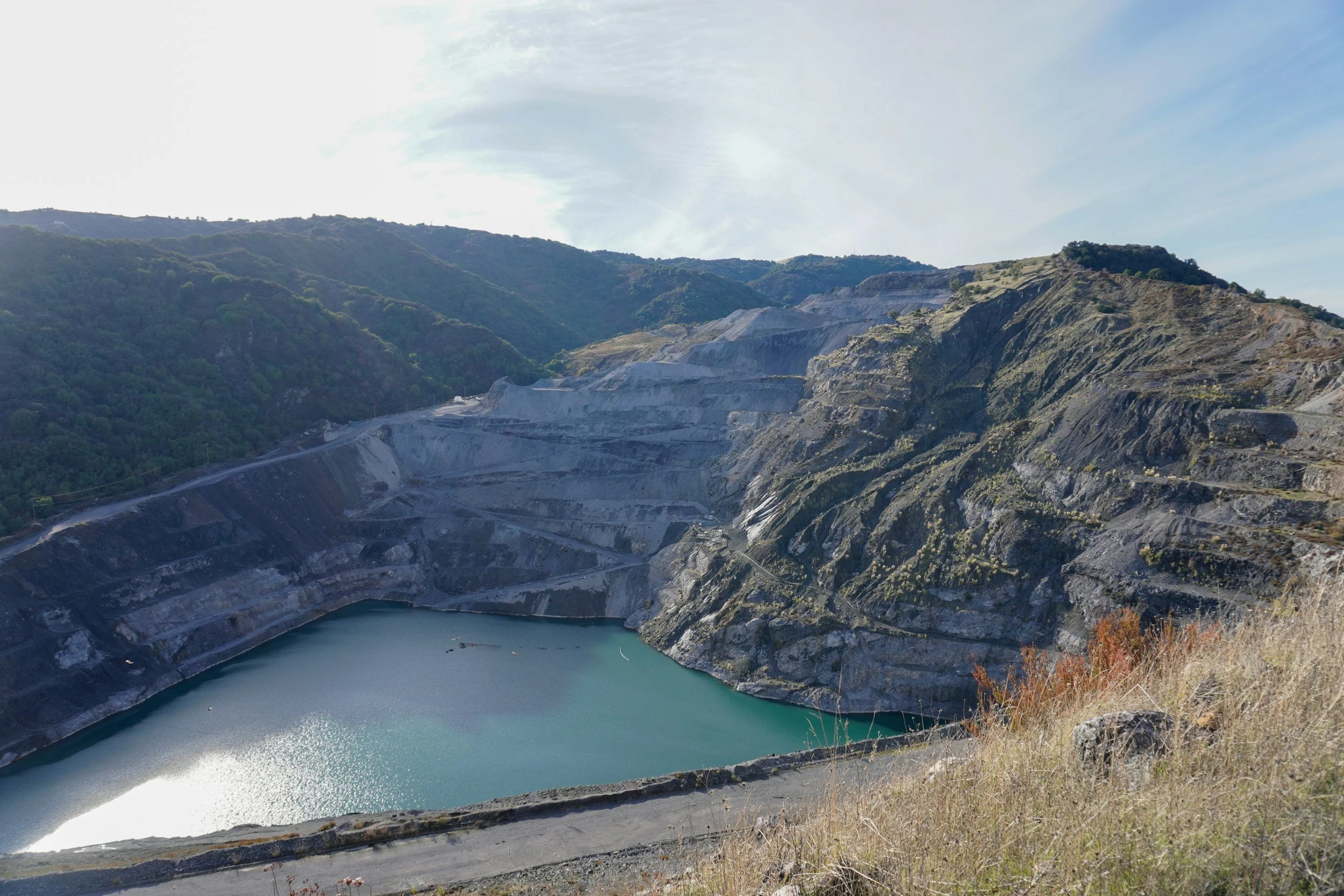
As part of expansion planning, it became apparent to this mining operation that excavation would intercept paleo-channels containing significant volumes of groundwater in the Macarthur River District. The water, which was contaminated with elevated zinc levels exceeding ANZECC discharge guidelines. Verterra was briefed to help resolve these issues with a cost-effective approach that would ensure a long-term, beneficial solution.
Turning Risk into Resource: Land and Irrigation Planning for Coal Seam Gas Water Use
To enable sustainable, large-scale irrigation using coal seam gas (CSG) water, this client required both rigorous technical assessment of candidate land and a well-prepared regulatory submission for a beneficial use approval. The project had to address marginal soils in a region with limited experience in intensive irrigation, while aligning with environmental safeguards and regulatory expectations.

Coal Seam Gas Water Reuse through Irrigation Feasibility and Design
With planning underway for the staged development of up to 15 coal seam gas (CSG) wells in two Extended Production Test areas, the client sought an economically and environmentally sustainable option to manage the production of up to 1.8ML of highly saline and sodic CSG water per day.
Rather than investing in expensive reverse osmosis or disposal pathways, a beneficial reuse option involving agricultural irrigation trials was proposed. To ensure success, the proposal required in-depth feasibility, design, and regulatory compliance support to assess viability and satisfy a Water Management Strategy and Environmental Authority conditions.

From Effluent to Asset: Supporting Agricultural Reuse through the Wamuran Irrigation Scheme
With the population of the Caboolture River catchment expected to increase by over 100,000 people in the next 20–25 years, Unitywater faced a growing challenge: how to sustainably manage the effluent produced by the South Caboolture Sewage Treatment Plant (STP). Although effluent is A-grade and suitable for a range of non-potable uses, without intervention, the increased nutrient loading could threaten the health of the Caboolture River and downstream waterways.
To address this, Unitywater launched the Wamuran Irrigation Scheme (WIS)—a circular economy initiative to beneficially reuse treated effluent in agriculture. Verterra was appointed to provide deep expertise in agronomy, irrigation, land capability, and environmental planning to help guide the project’s success.
From Waste to Water: Making Leachate Work for the Land
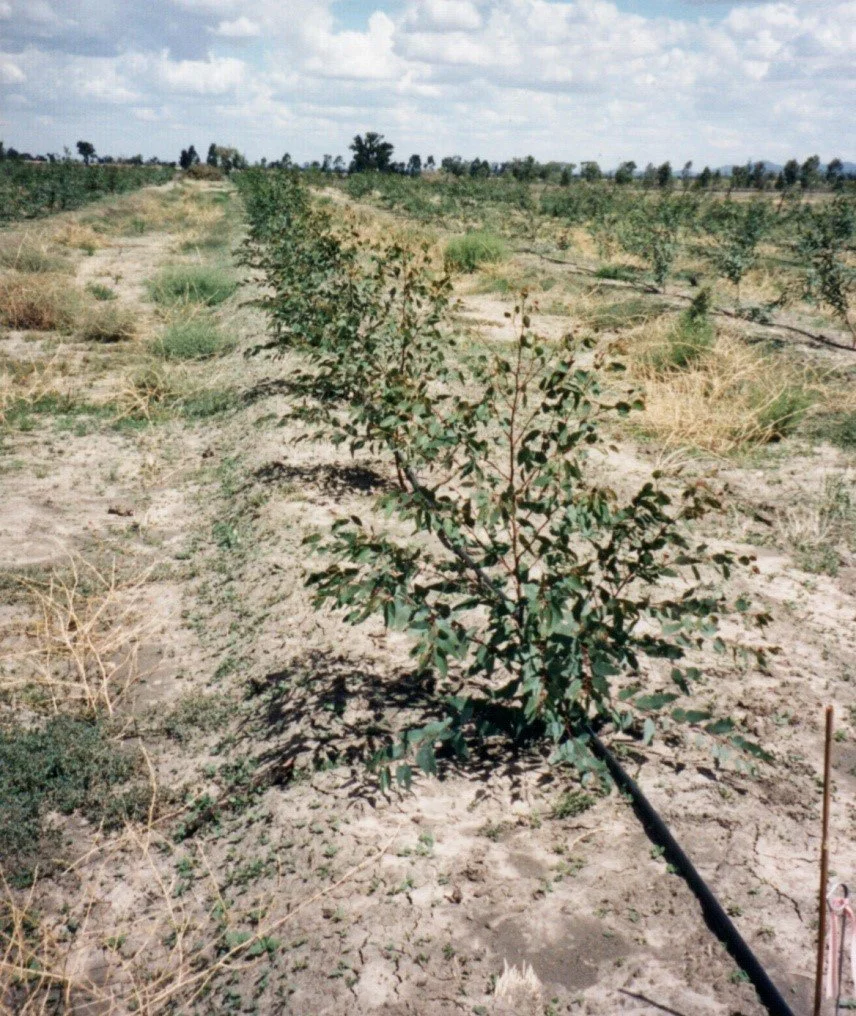
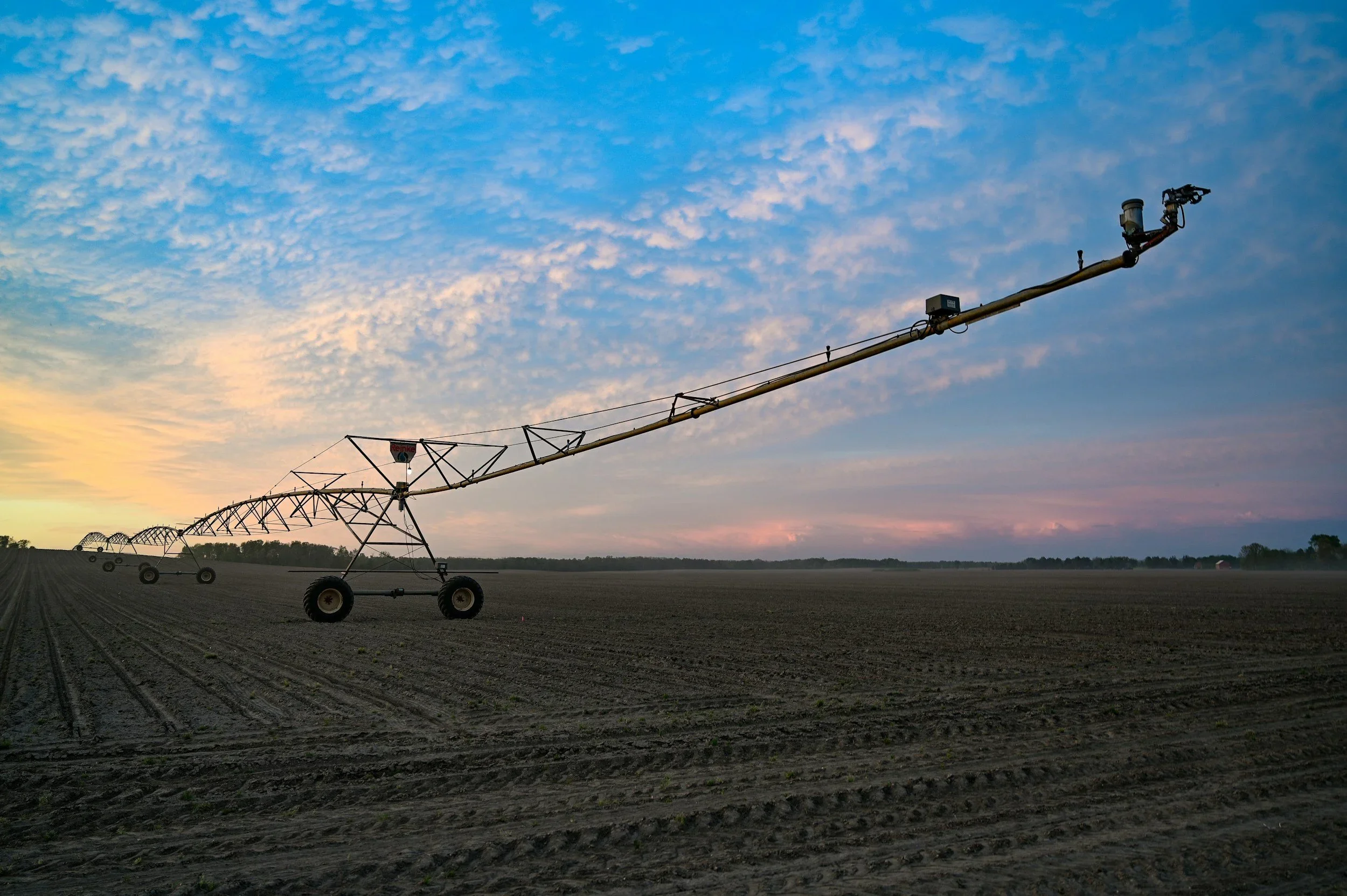
In regions of Australia where rainfall is unreliable, treated wastewater (effluent) is increasingly recognised as a valuable resource—particularly for irrigating tree crops and other vegetation. However, to safely and effectively reuse effluent for irrigation, its quality must be carefully monitored and managed. This case study demonstrates how Verterra approached successfully undertook risk assessment and development of a management plan that would enable its beneficial reuse for a forest plantation.
Informing Practice Change in Irrigated Landscapes
Northern Australia is considered a high-potential region for expanding irrigated agriculture due to the availability of rainfall and relatively undeveloped land. However, increasing land under irrigation can elevate the risk of sediment, nutrient, and pesticide runoff—particularly into sensitive waterways that feed into the Great Barrier Reef. In this case study, Verterra demonstrates how a thorough understanding of environmental risk is the first step to designing irrigation schemes with minimal off-site impact.

Australia’s First Beneficial Reuse of Coal Seam Gas Water
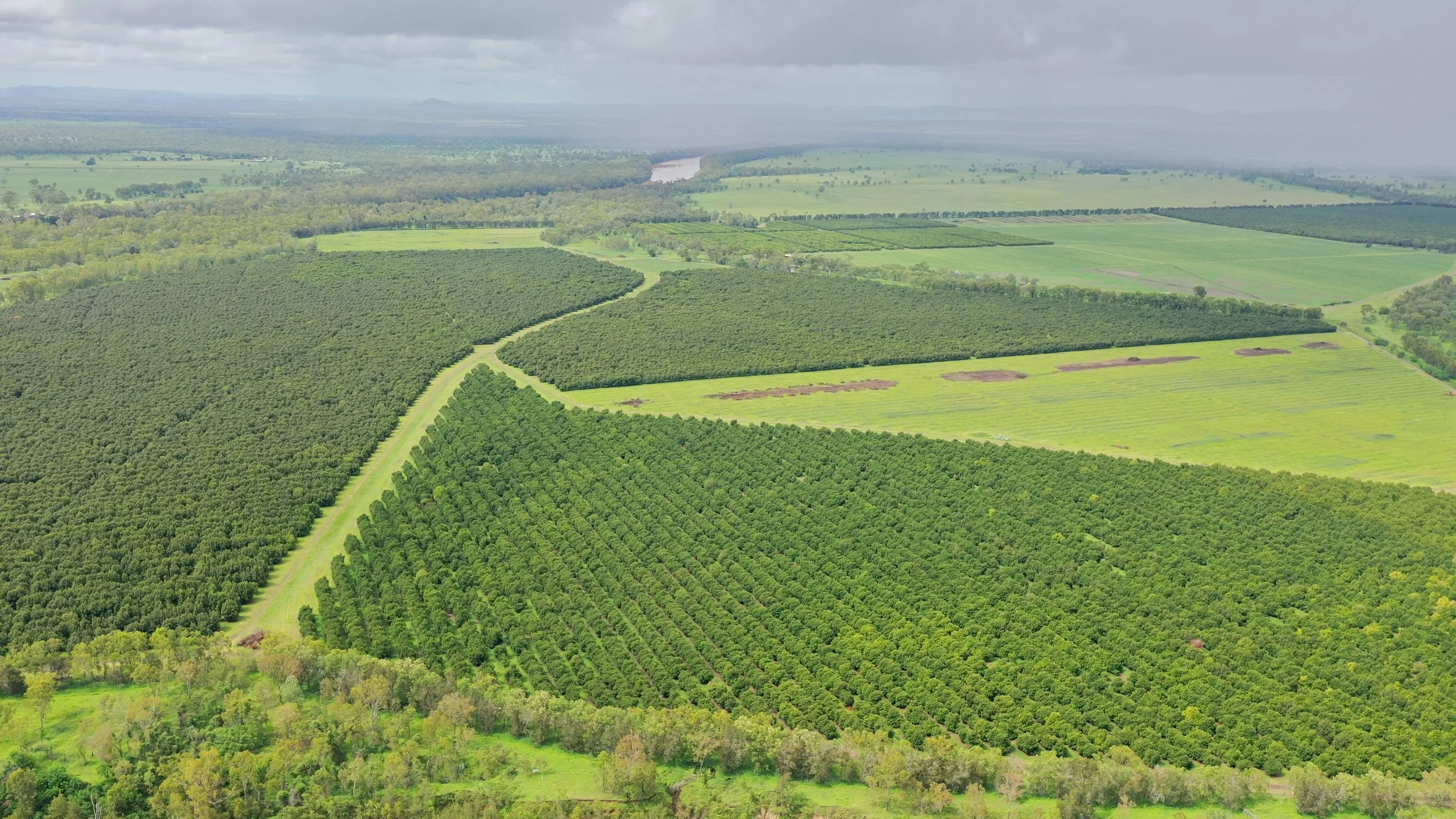
Verterra designed, undertook feasibility studies, assisted with regulatory approvals, developed a stakeholder engagement plan and project managed delivery of 1,250ha of irrigated native eucalypt forest at Fairview and Springwater near Injune on behalf of Santos.

Lower Burdekin Groundwater Mitigation Strategy
Verterra delivered a well informed and practical guideline that will provide irrigators guidance on how new irrigation developments can achieve net zero impact on the groundwater table and support sustainable growth in the Lower Burdekin Area.

Reef Water Quality in Agriculture Developments
Objectives of this project include delivery of a South Yaamba Reef Water Quality Precinct Plan to provide support to the South Yaamba area and to selected landholders in the broader Fitzroy Food Bowl who are progressing irrigation developments on their land to achieve reef water quality outcomes (reduce sediment, pesticide, and nutrient export).

Landholder Engagement Agribusiness
As part of the Rookwood Weir water release tendering process, Verterra worked closely with 10 landholders to prepare Agriculture Development plans and Business plans to assist landholders evaluate their development options and enable them to bid for new water allocations.

Agricultural Water Demand for the North Queensland Region and Potential Impacts due to Climate Change
Sunwater and Qld Department of Natural Resources are faced with numerous proposals for irrigation development. Variation in the basis for economic, agronomic and yield assumptions between regions renders meaningful comparison of relative crop competitiveness in each region impossible.

Rookwood Weir Crop Suitability and Water Demand
Synergies Economic Consulting was engaged by Sunwater to provide advice on the economics of crop options for the proposed new irrigation development at Rookwood Weir. Verterra was requested to support Synergies by providing agronomic advice on crop suitability for the range of soils within thin Rookwood Weir irrigation zone, the range in expected crop productivities, and projected crop water demand.

North and North-West Queensland Cotton Production Area Suitability Evaluation
For over 20 years various cotton growing trials have been undertaken in the Far North and North West of Queensland. Multiple proponents have contemplated the development of a cotton gin to increase the production efficiency of cotton cropping in the region.