Logan Creek Streambank Rehabilitation
Services: Site assessment, soil sampling, vegetation assessments, reshaping and battering streambanks, soil amelioration, revegetataion, on-ground implementation.
Location: Frankfield and Pasha, Queensland
Date: 2025
Our Scope
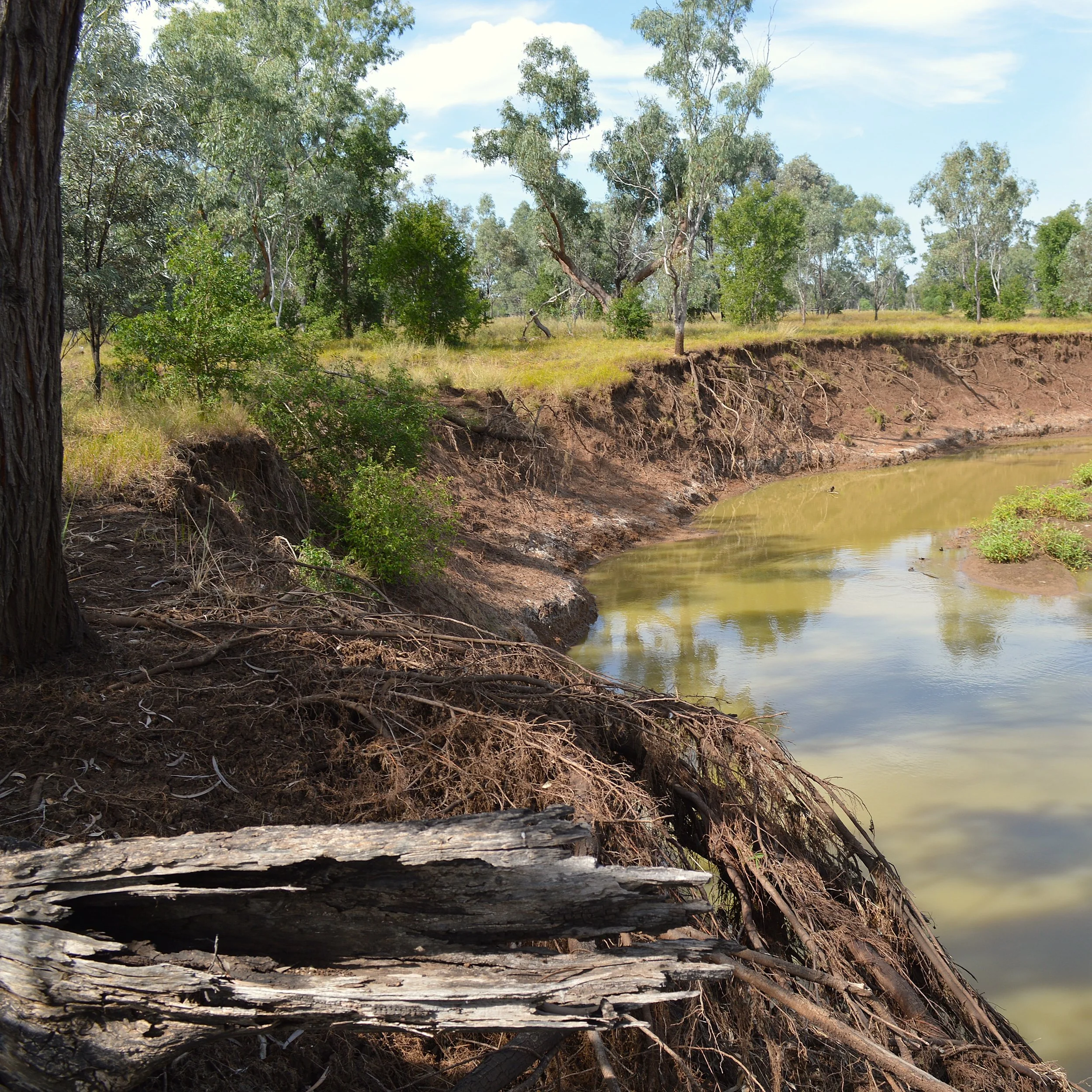
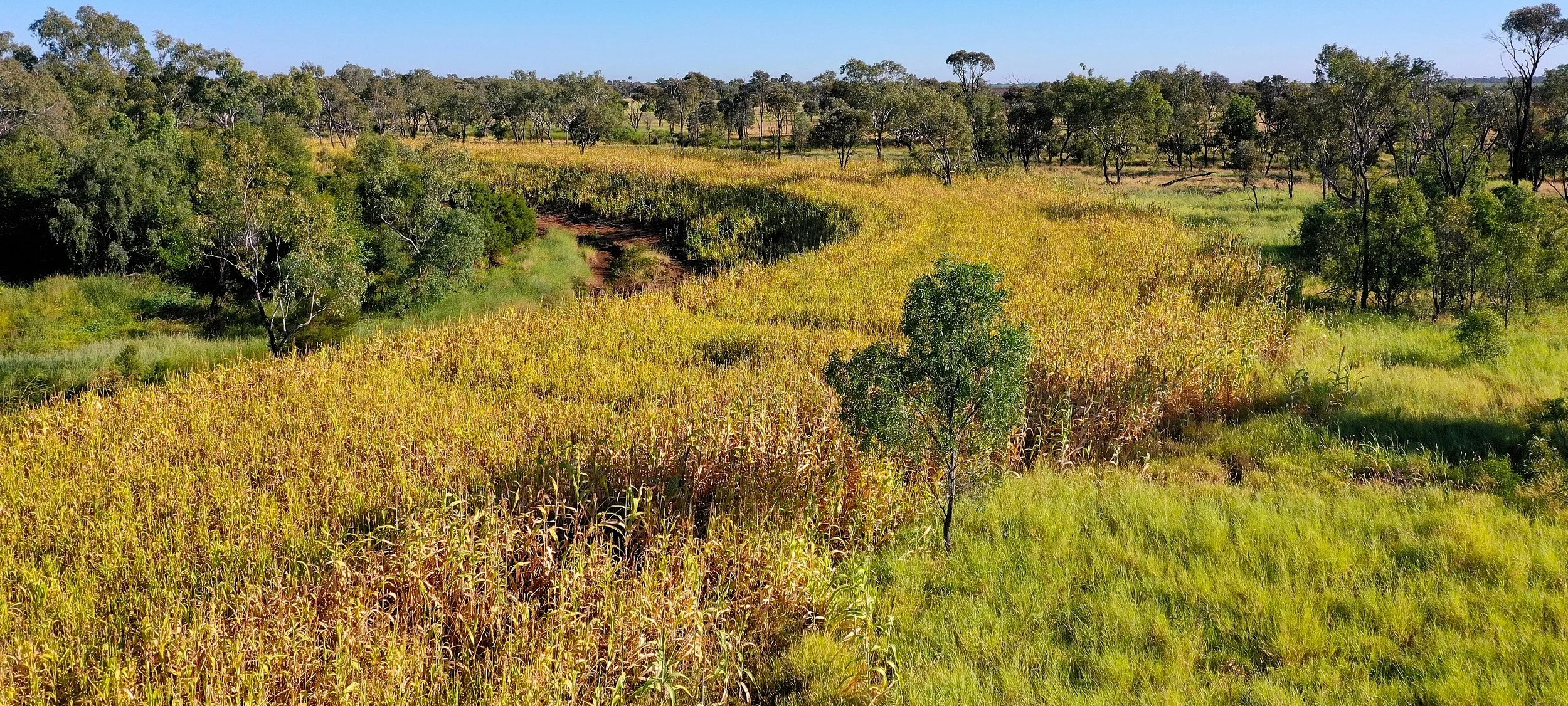
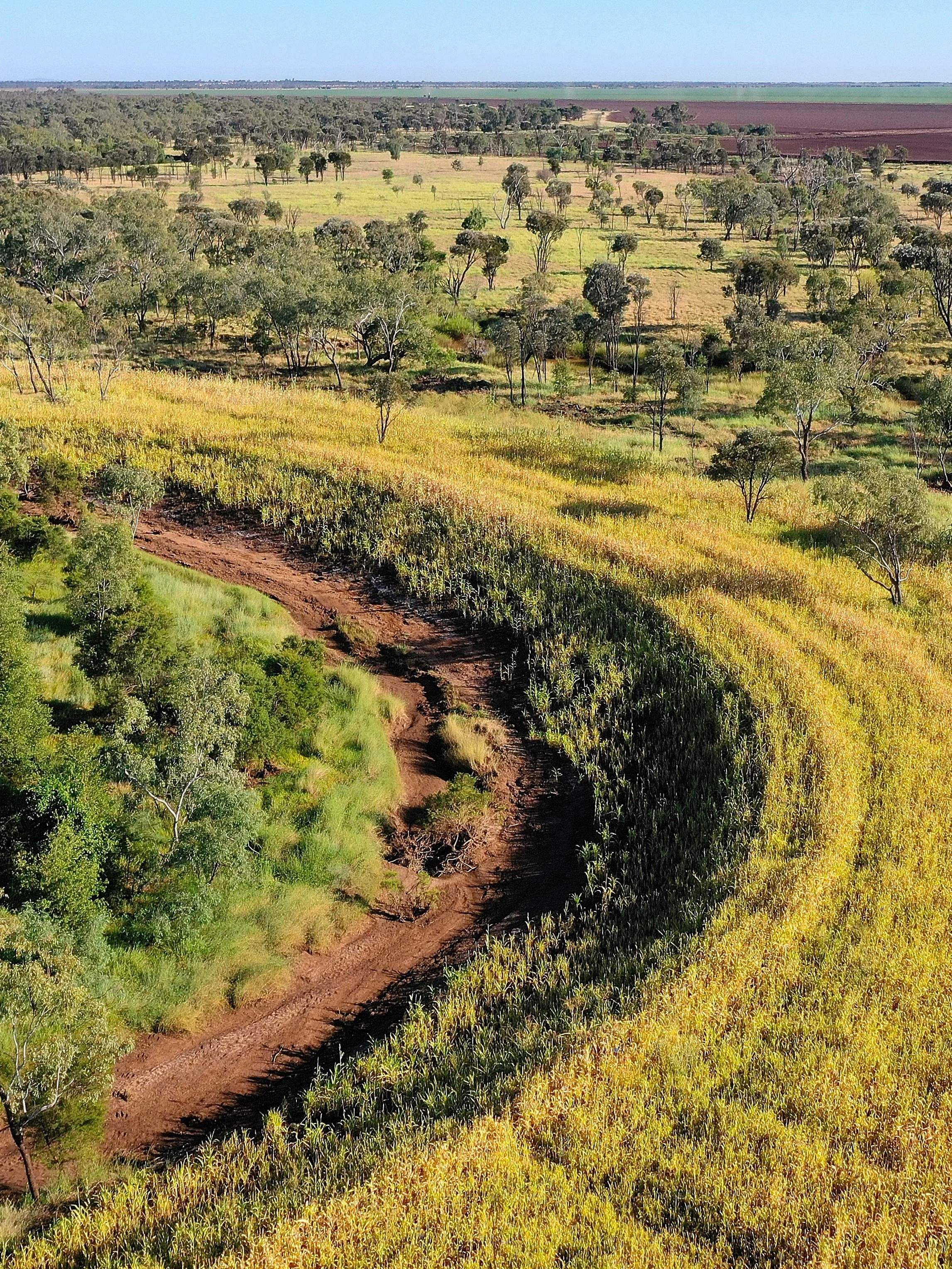
Verterra was engaged to rehabilitate severely eroded streambanks along Logan Creek following extreme rainfall and flooding in the 2021–22 severe weather season.
The collapse of streambanks had caused loss of valuable riparian vegetation and was adversely impacting aquatic habitat and water quality downstream.
Funded jointly by the Queensland and Australian Governments under the Disaster Recovery Funding Arrangements (DRFA), the project aimed to stabilise riparian areas, restore ecological function and improve catchment resilience to future flood events.
PROVE
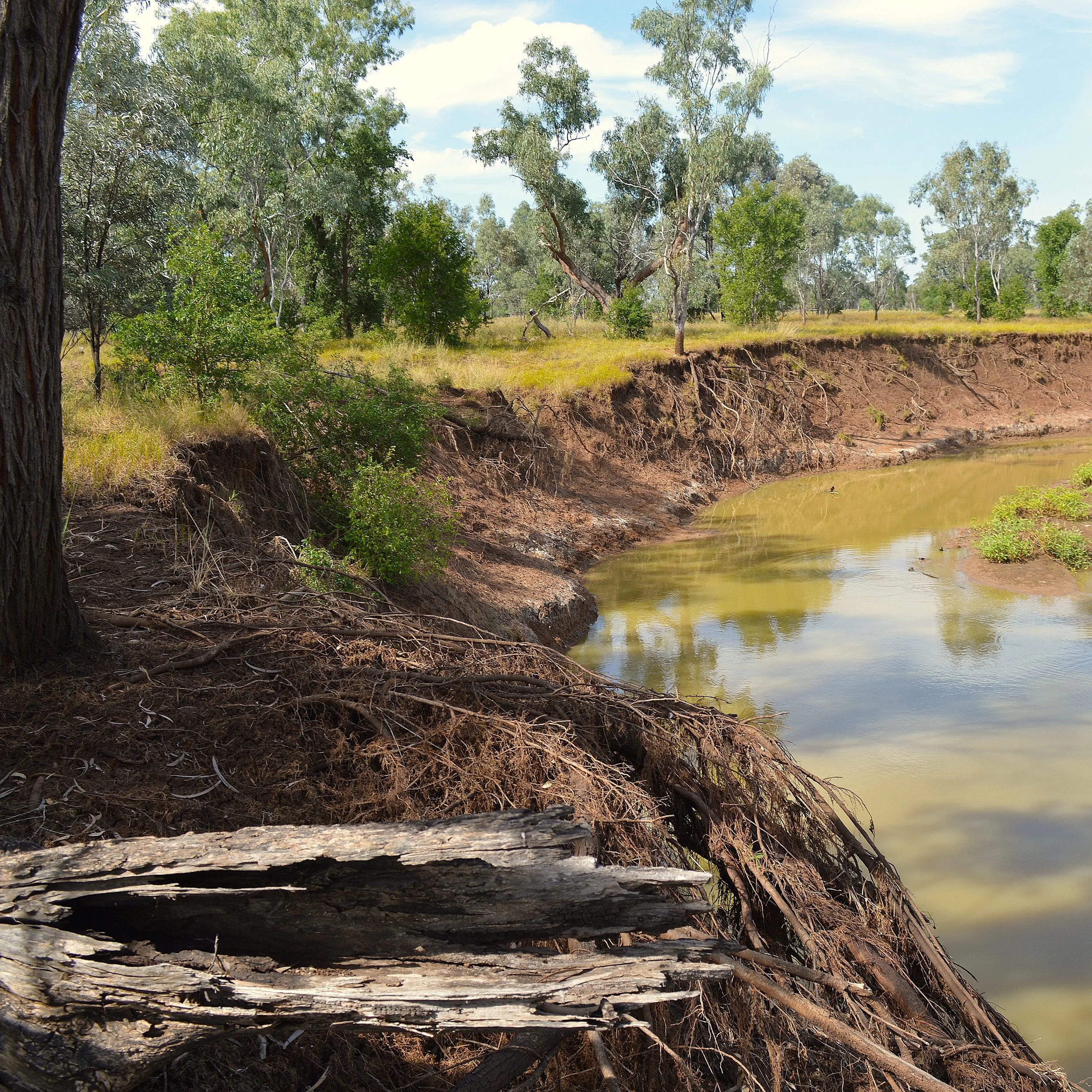
Rehabilitation sites were located along Logan Creek north-east of Clermont within the Burdekin River catchment. Extreme rainfall during the 2021–22 wet season caused significant erosion along outer bends of the creek, resulting in:
Collapsed streambanks,
Loss of riparian vegetation,
Sediment delivery to downstream waterways,
Degraded aquatic habitat.
To inform rehabilitation design, Verterra undertook site investigations including:
Drone-based LiDAR surveying,
Comprehensive soil sampling to evaluate topsoil and subsoil conditions,
Riparian vegetation assessments.
Using these datasets, Verterra developed a Construction and Environmental Management Plan (CEMP) informed by Technical Guidelines for Waterway Management (V5) and the Guidelines for Stabilising Streambanks with Riparian Vegetation. The plan incorporated erosion assessments, soil amelioration strategies, engineering designs and a comprehensive revegetation plan tailored to local conditions.
IMPROVE
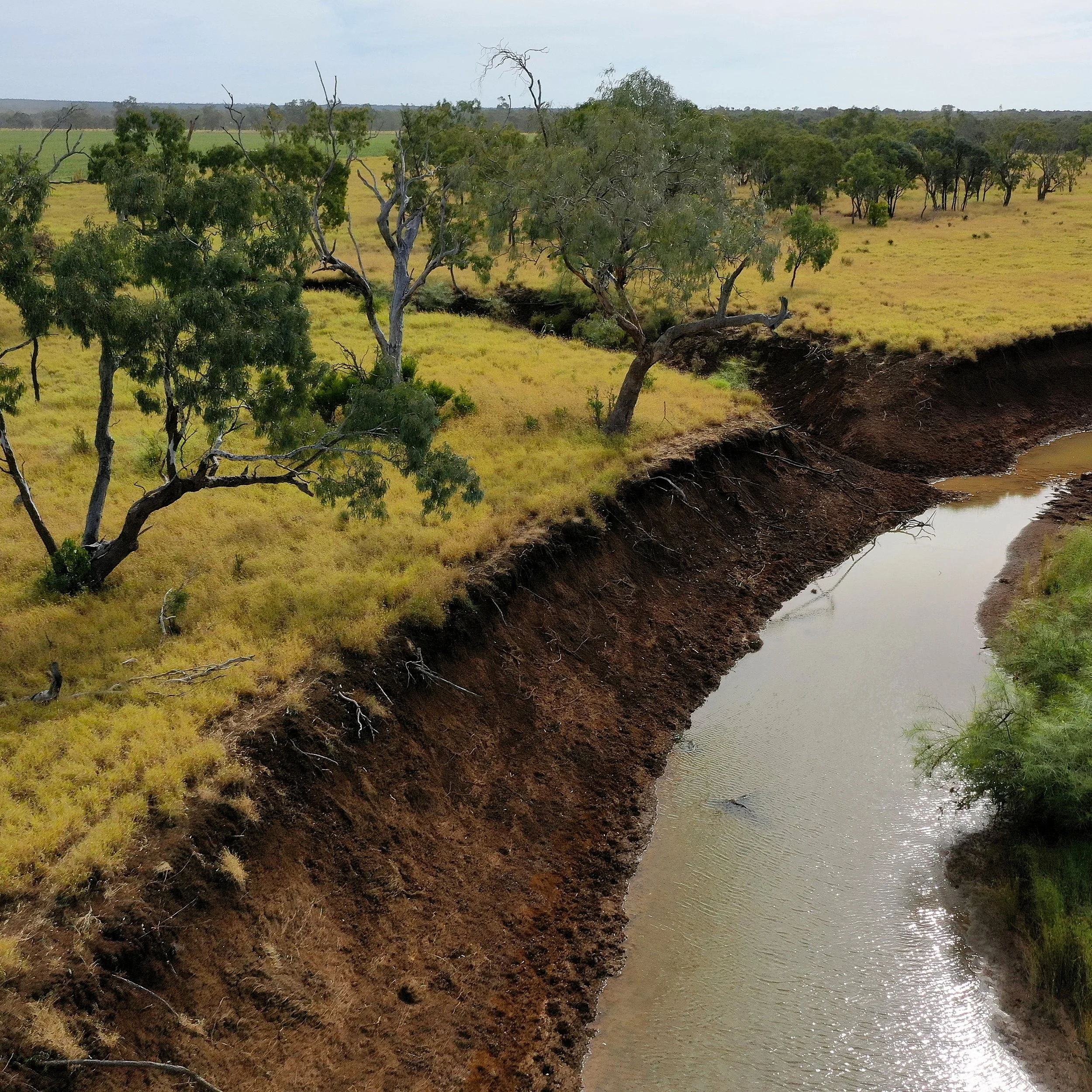
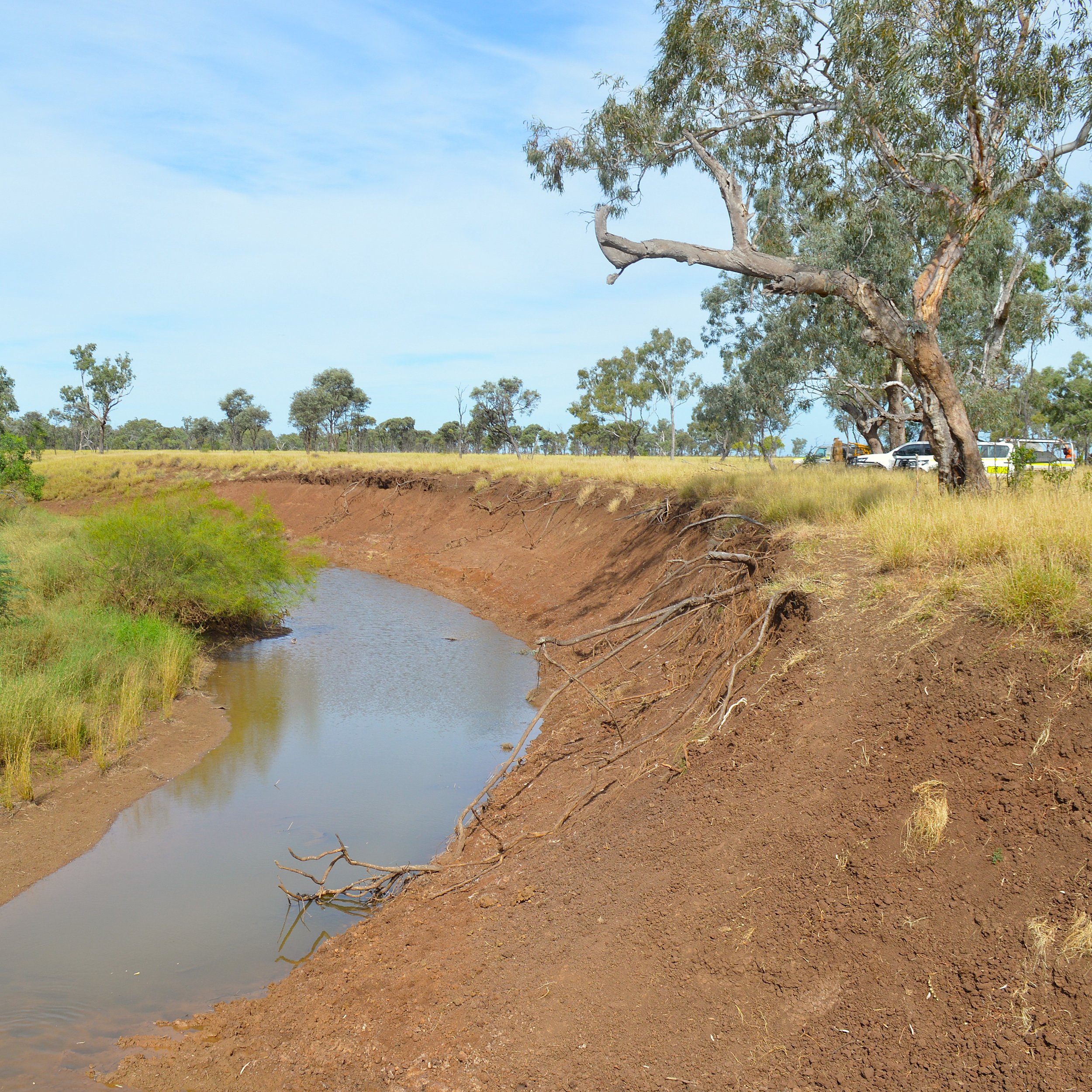
Working with Alluvium Consulting under the Landscape Restoration Partnership, Verterra delivered both concept and detailed rehabilitation designs informed by geomorphological analysis and landscape function assessments. The project involved stabilising 13 severely eroded streambanks across three properties through a combination of landform reconstruction, soil treatment and revegetation.
Key works included:
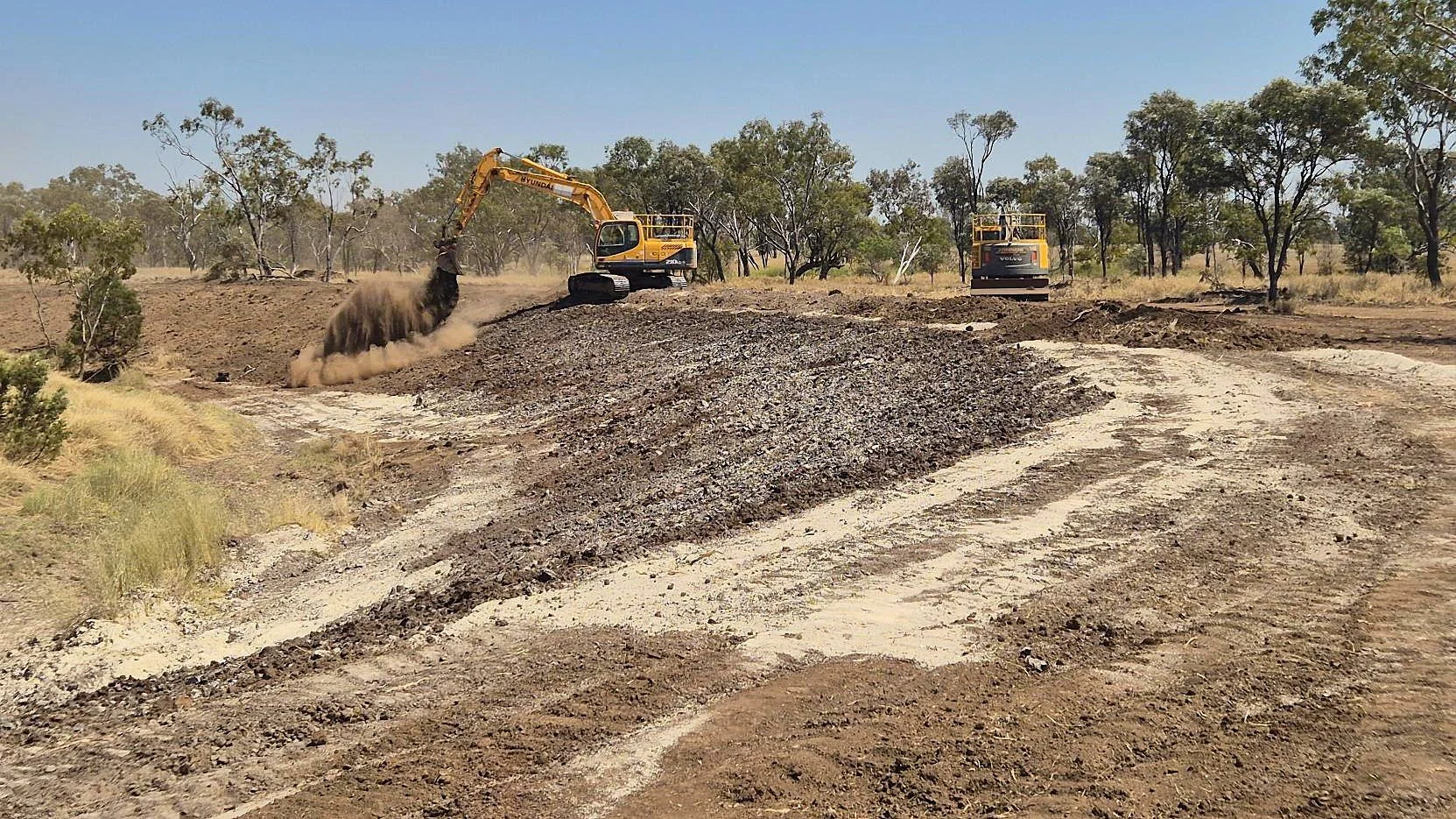
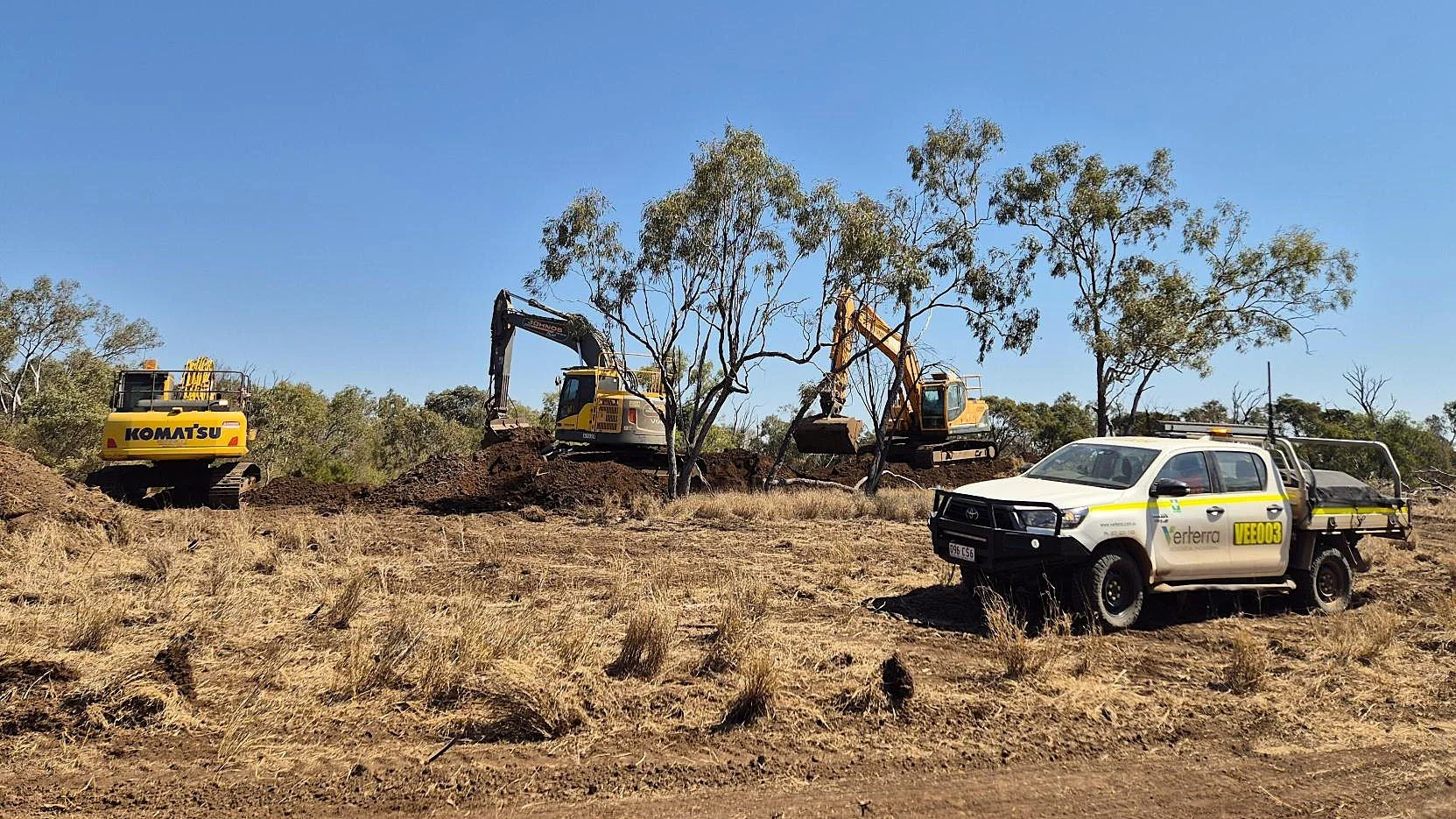
Reshaping and battering unstable streambanks,
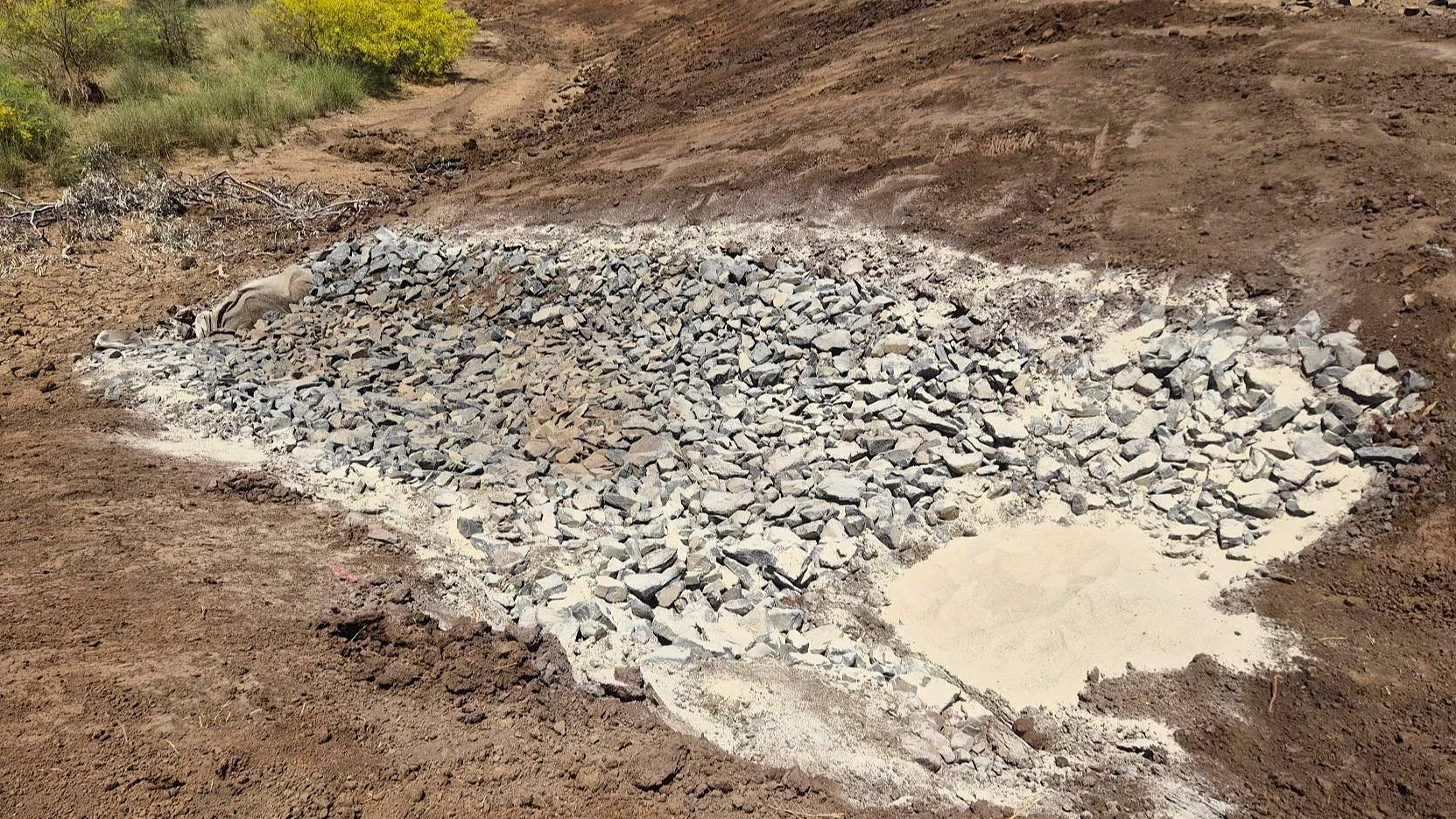
Installation of a grade-control rock chute at one erosion hotspot,
Treatment of sodic subsoils using targeted soil amelioration strategies,
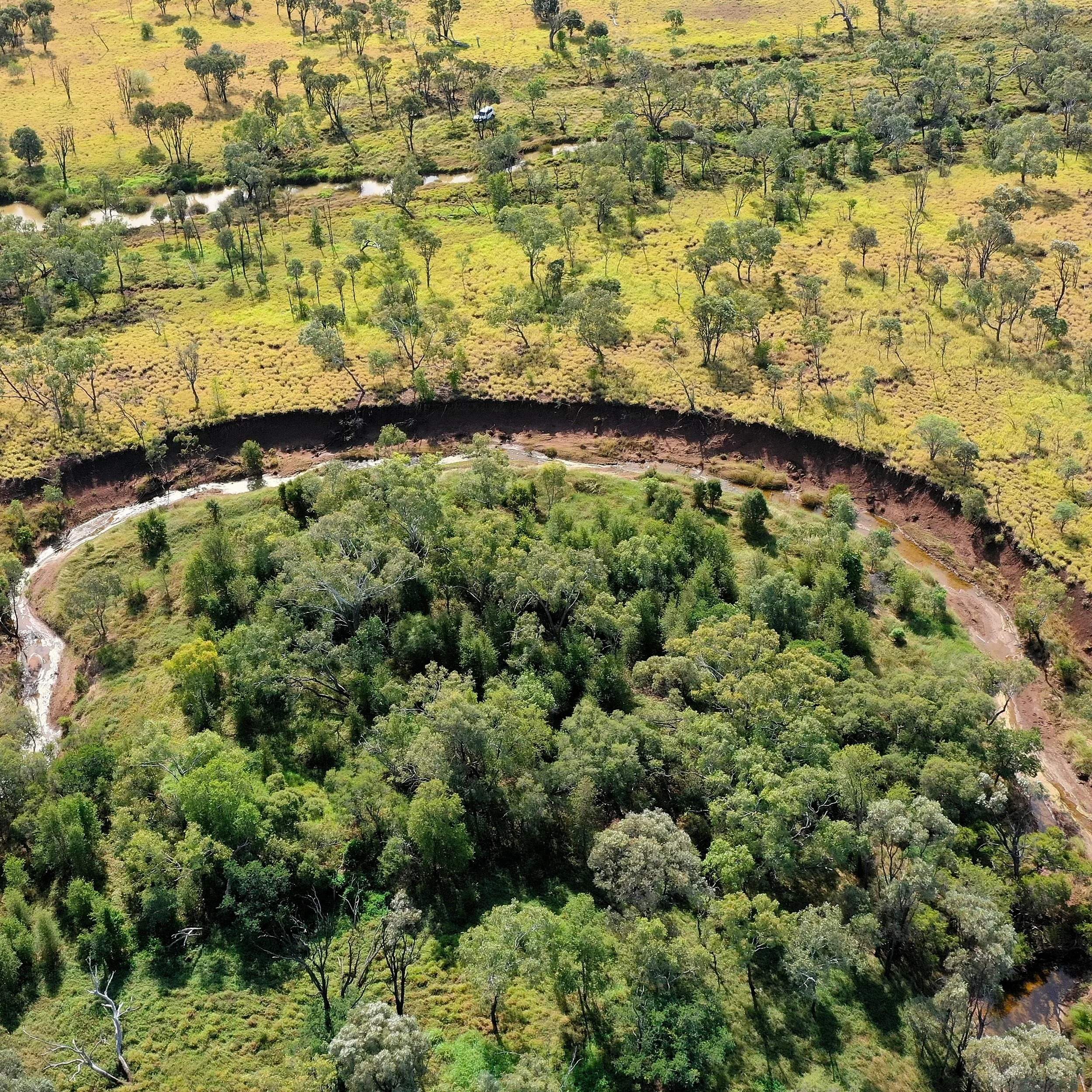
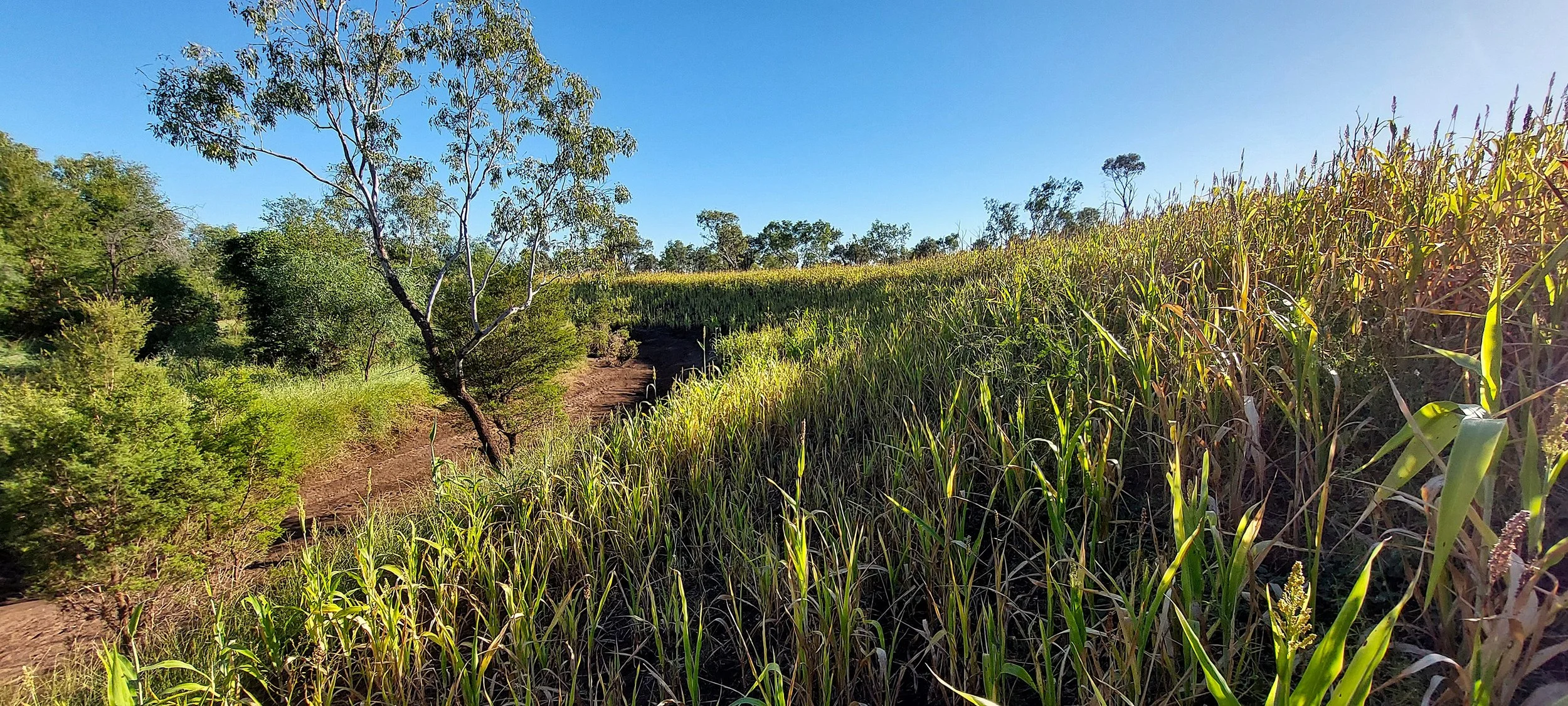
Revegetation of seven hectares of riparian corridor using three native species mixes.
During construction, approximately 11,000 m³ of overburden was removed and 930 tonnes of soil ameliorants applied to improve soil structure and support vegetation establishment.
Salvaged tree root balls were also installed at the base of rehabilitated banks to enhance aquatic habitat, and all works were delivered under Verterra’s ISO-certified Health, Safety, Environmental and Risk Management systems.
VALUE
The Logan Creek rehabilitation project delivers significant environmental and land management benefits by stabilising 13 streambanks and restoring 7 hectares of riparian vegetation across multiple sites.
Key outcomes include:
Reduced sediment delivery to Logan Creek and downstream waterways.
Improved water quality within the Burdekin catchment and the Great Barrier Reef lagoon,
Stabilised areas of accelerated streambank erosion,
Restoration of riparian habitat and aquatic ecosystem function,
Increased resilience to future flood events,
Protection of productive grazing and cropping land.
By combining ecological engineering with practical on-ground delivery, the project demonstrates how targeted rehabilitation works can restore catchment health while protecting both environmental and agricultural assets.
View the before, during and after photos below: