
Building sustainable forestry systems: supporting Rwanda’s economic and environmental future
Client: Government of Rwanda (GoP) and Ikezere Silviculture Limited (ISL)
Services: forest management, genetics, soil and site assessment, species matching, plantation planning and establishment, inventory, maintenance, monitoring, growth modelling, harvesting, processing and local team development.
Location: Rwanda, Africa
Date: 2016
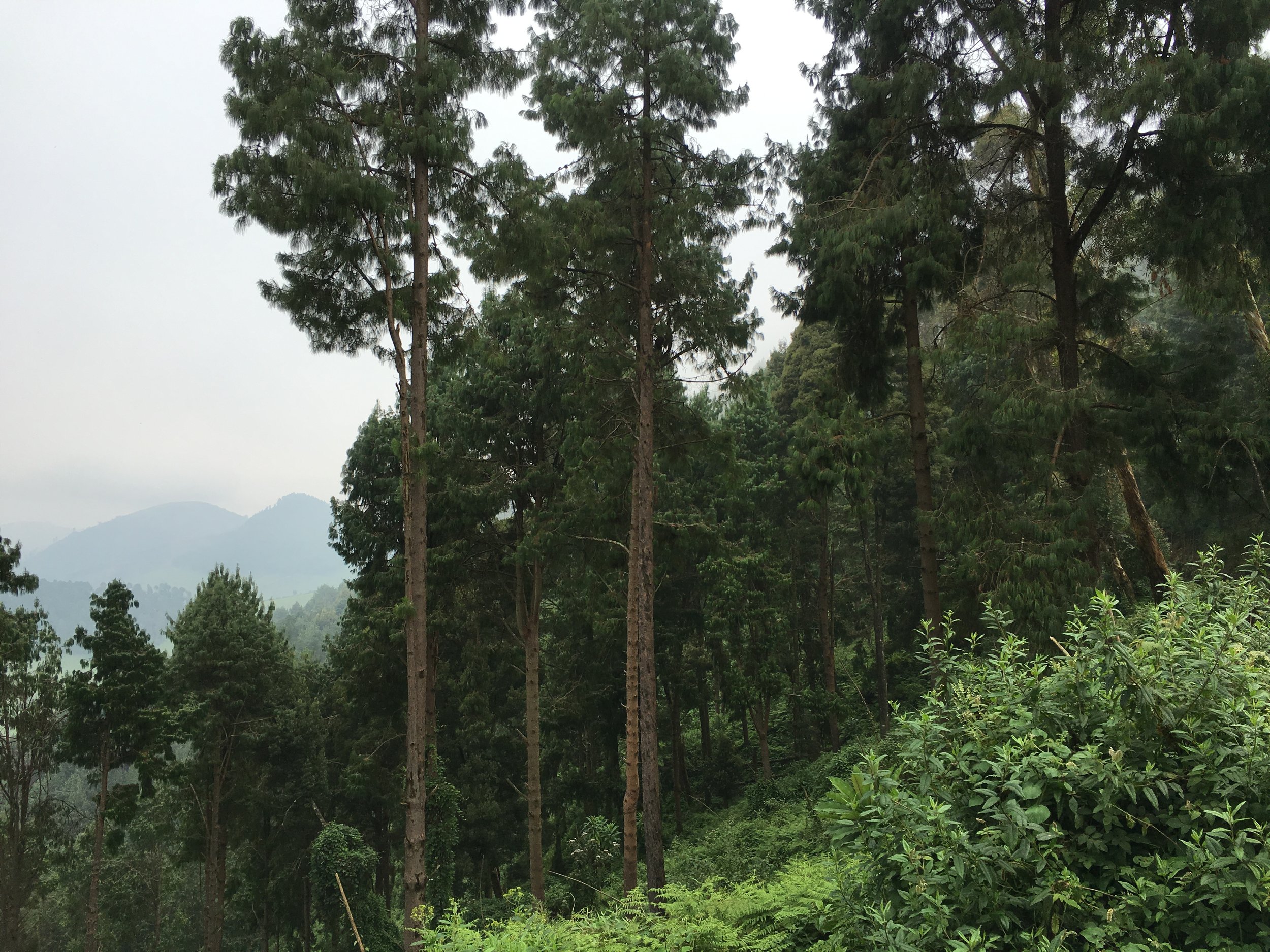
Gishwati Forest is in the North-West of Rwanda. Once a complex system of rainforests it had become degraded and required strategic management.
Overview
As demand for timber and forest products increased across Rwanda, the Government of Rwanda sought to establish a public-private partnership model capable of delivering long-term, sustainable forest management outcomes across the Gishwati Pine and Eucalyptus plantations.
The project aligned with Rwanda’s Forest Policy and Vision 2020 objectives to:
increase sustainable timber supply
strengthen domestic wood industries
protect ecosystems and land resources
support economic growth through professionally managed forestry assets
Verterra offered support to the development of the Gishwati Forest Concession through strategic forestry planning, technical due diligence, business planning and in-country capability development.
PROVE
Establishing the technical and commercial foundations for sustainable forest management
Verterra undertook a detailed country investigation to assess the viability of the Gishwati Forest Concession and establish the technical foundations required to support long-term investment and operational success.
This included:
forest resource assessment and inventory planning
spatial data management and GIS analysis
remote sensing and landscape assessment
review of timber markets and market trends
assessment of plantation productivity and resource quality
evaluation of environmental service opportunities, including carbon sequestration
business case development to support future investment
The work provided concession stakeholders with a clearer understanding of:
resource quantity and quality
plantation performance potential
market demand and processing opportunities
long-term commercial and environmental value pathways
By integrating technical forestry expertise with strategic commercial analysis, Verterra helped establish a defensible evidence base for future forest management and investment decisions.
IMPROVE
Developing a framework for world-class forestry and plantation management
Verterra supported the development of a sustainable forestry management framework designed to improve plantation productivity, operational performance and long-term ecosystem outcomes.
The project combined strategic consulting with operational forestry expertise across:
plantation planning and establishment
site and soil assessment
species-site matching
forest genetics and silviculture
growth modelling and inventory systems
conservation-based forest management
harvesting and timber processing strategy
community capacity building and skills development
To support long-term delivery capability within Rwanda, Verterra also established strong local partnerships, including the formation of a local joint venture company – now Verterra Africa.
This integrated approach aimed to:
improve forest productivity and resource utilisation
support sustainable harvesting practices
align timber processing with local market needs
strengthen local forestry capability and knowledge transfer
balance commercial forestry outcomes with environmental stewardship
VALUE
Supporting economic growth through sustainable forestry systems
The project was designed to help unlock both commercial and environmental value from Rwanda’s forestry resources.
Through improved forest management systems and strategic investment planning, the initiative sought to:
support long-term timber supply security
strengthen Rwanda’s domestic forestry and wood processing industries
create employment and local capability development opportunities
improve land stewardship and conservation outcomes
explore emerging environmental market opportunities such as carbon sequestration
The work also reinforced the role of professionally managed forestry systems in delivering broader national development outcomes - combining economic productivity with ecosystem protection and sustainable landscape management.
By integrating technical forestry expertise, business planning and conservation-focused management principles, Verterra helped position the concession for long-term environmental and economic resilience.