
Latest Insights
Insights on ecological engineering, mine rehabilitation, landscape rehabilitation, water reuse, biosolids, revegetation, forestry and natural capital from Verterra’s team of scientists and engineers.
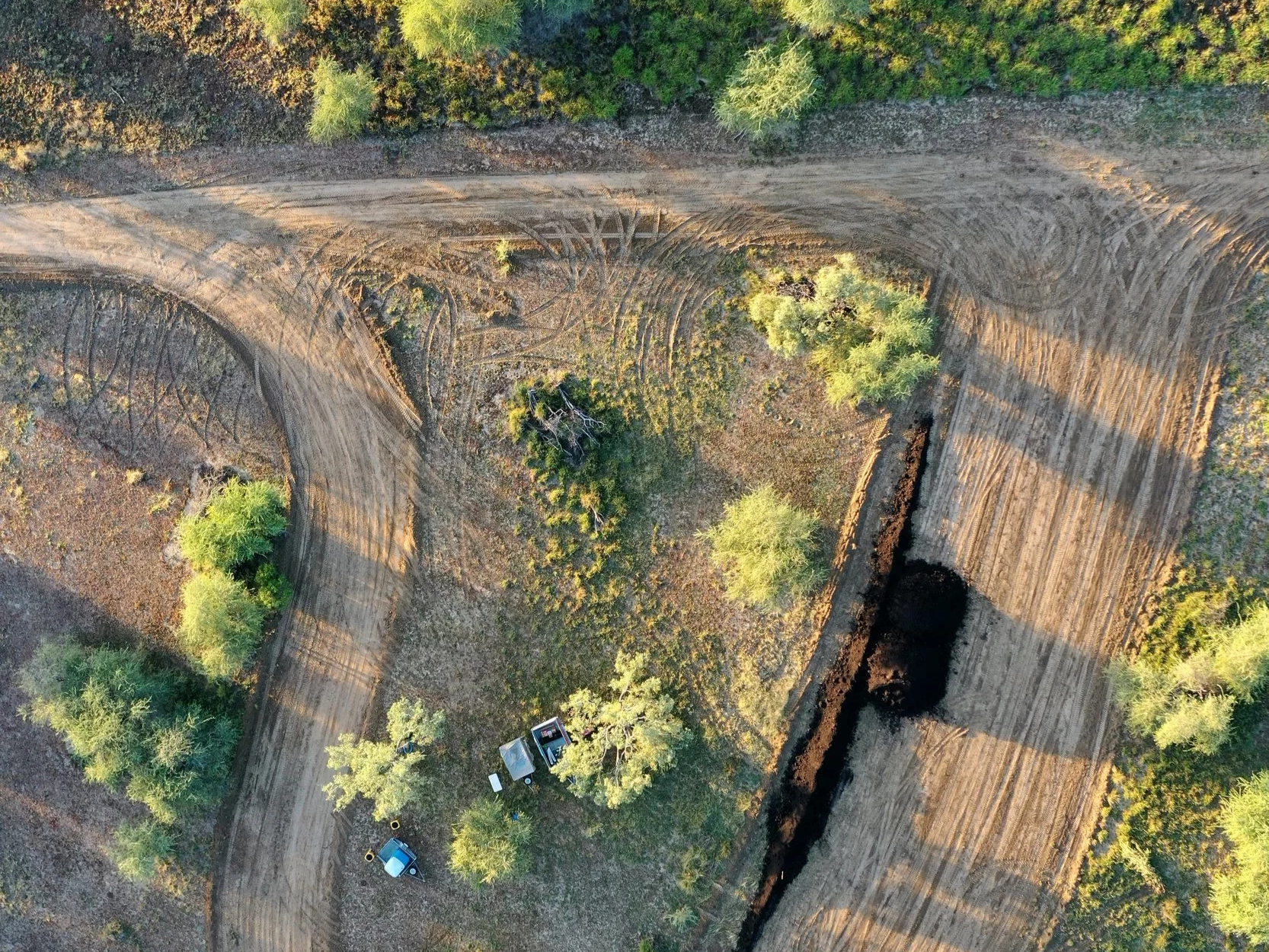
Queensland’s Native Forestry Framework: What has changed and What Comes Next
Good regulation is essential for a thriving and responsible forestry industry. But the effectiveness of regulation can depend on more than the number of rules in place. Operators must also be able to understand those rules, determine how they apply in the field and demonstrate that their obligations have been met.
Three years on from a detailed assessment of the regulatory framework applying to native forestry opertations on Queensland State land, the forestry industry has pulled back on harvesting native timber in South East Queensland. However, demand for native timber remains the same, and the regulatory and operating environment continues to evolve.
In this article, Andrew Yates considers whether the framework has become easier for operators to navigate, and what will be needed in the future to turn clearer policy direction into better outcomes on the ground?
From Monitoring to Environmental Performance Intelligence
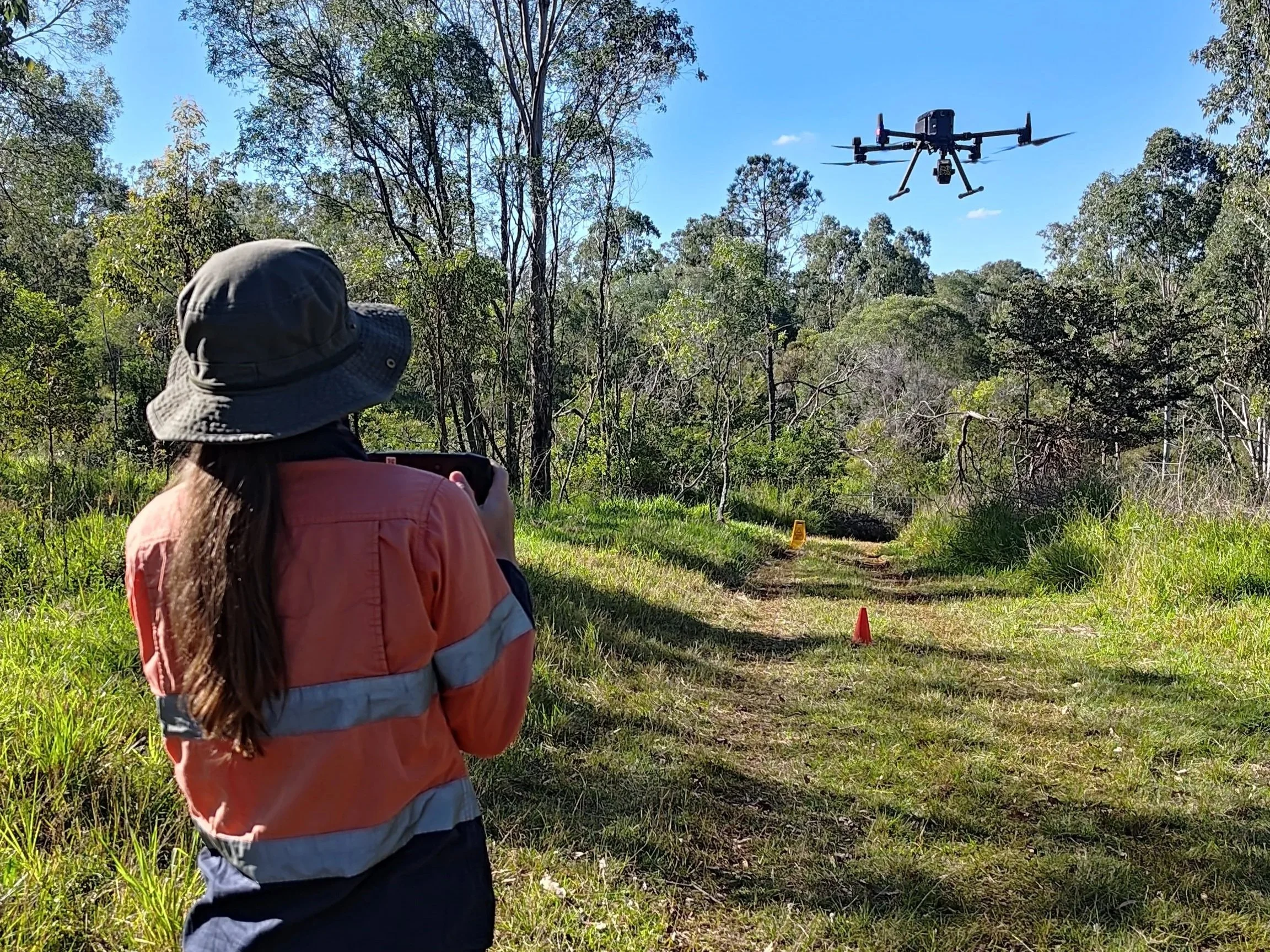
The future of environmental monitoring isn't replacing ecologists with drones. It's teaching technology to think more like an ecologist.
There is growing excitement around the use of drones, LiDAR, satellite imagery and artificial intelligence to monitor environmental restoration. The promise is compelling. Large areas can be surveyed quickly, consistently and at lower cost than traditional field assessments.
But every reliable environmental monitoring system ultimately depends on good ecological data collected on the ground. Without it, remote sensing becomes little more than attractive imagery.
This is the foundation of what we call Environmental Performance Intelligence - combining ecological expertise with multiple sources of data to understand not just what a landscape looks like, but how it is functioning and where it is heading.
That’s why, at Verterra, we see technology not as a replacement for ecological expertise, but as a way to scale it.
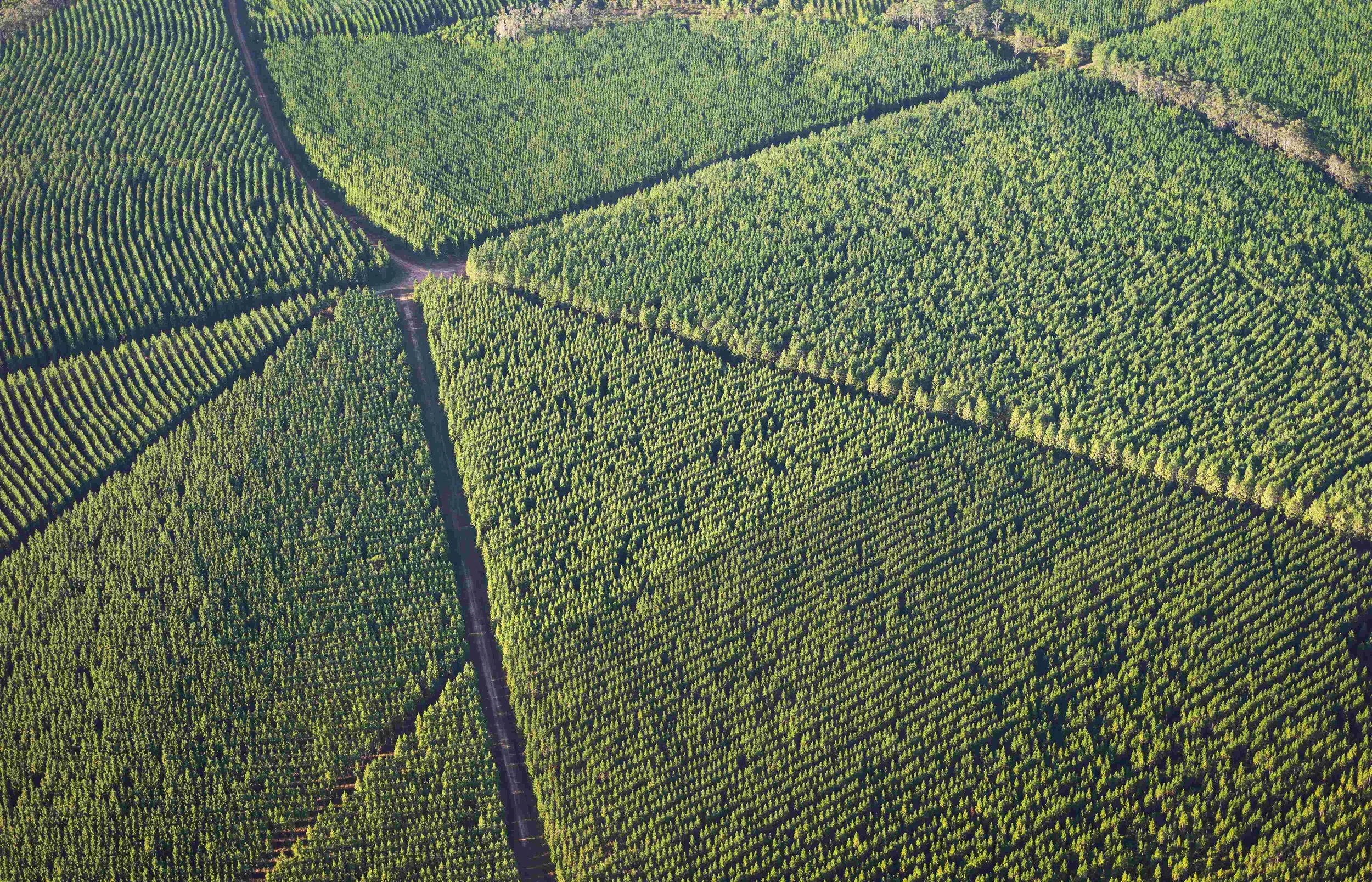
The missing middle in Australia’s carbon forestry market
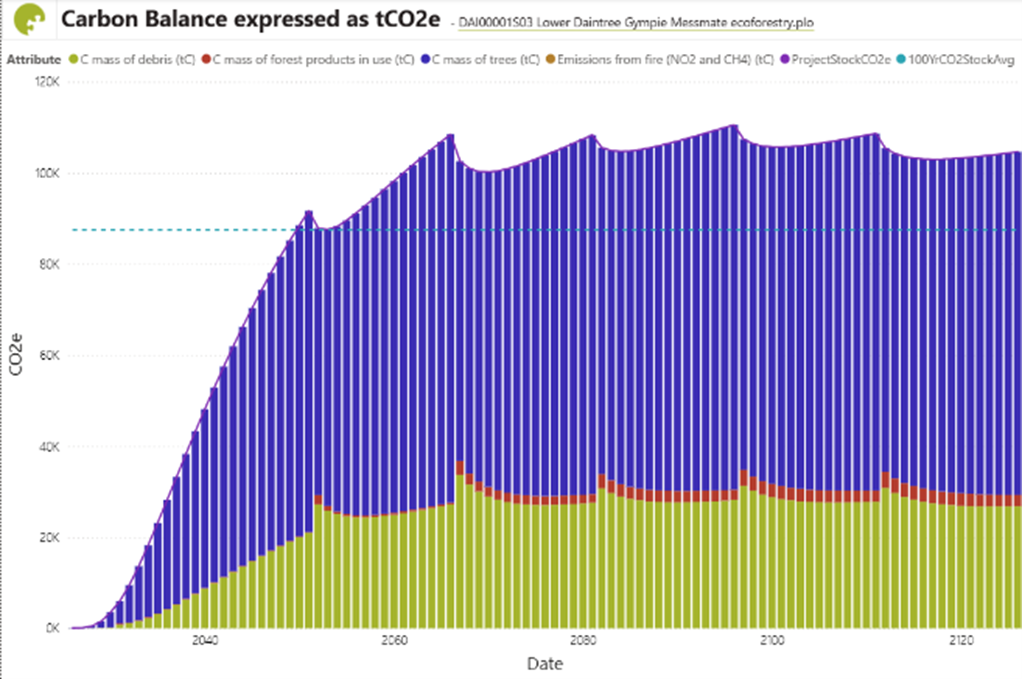
A proposed new ‘ecoforestry’ approach could allow Australia to grow forests for carbon, biodiversity and timber – without having to choose between them.
Dr Glenn Dale, founder of Verterra Ecological Engineering explains how we can establish bio-diverse forests that remain forested over the long term, maintain substantial carbon stocks and progressively develop greater ecological complexity. All while producing a sustainable supply of timber through selective harvesting and providing a recurring income for the people who manage them.
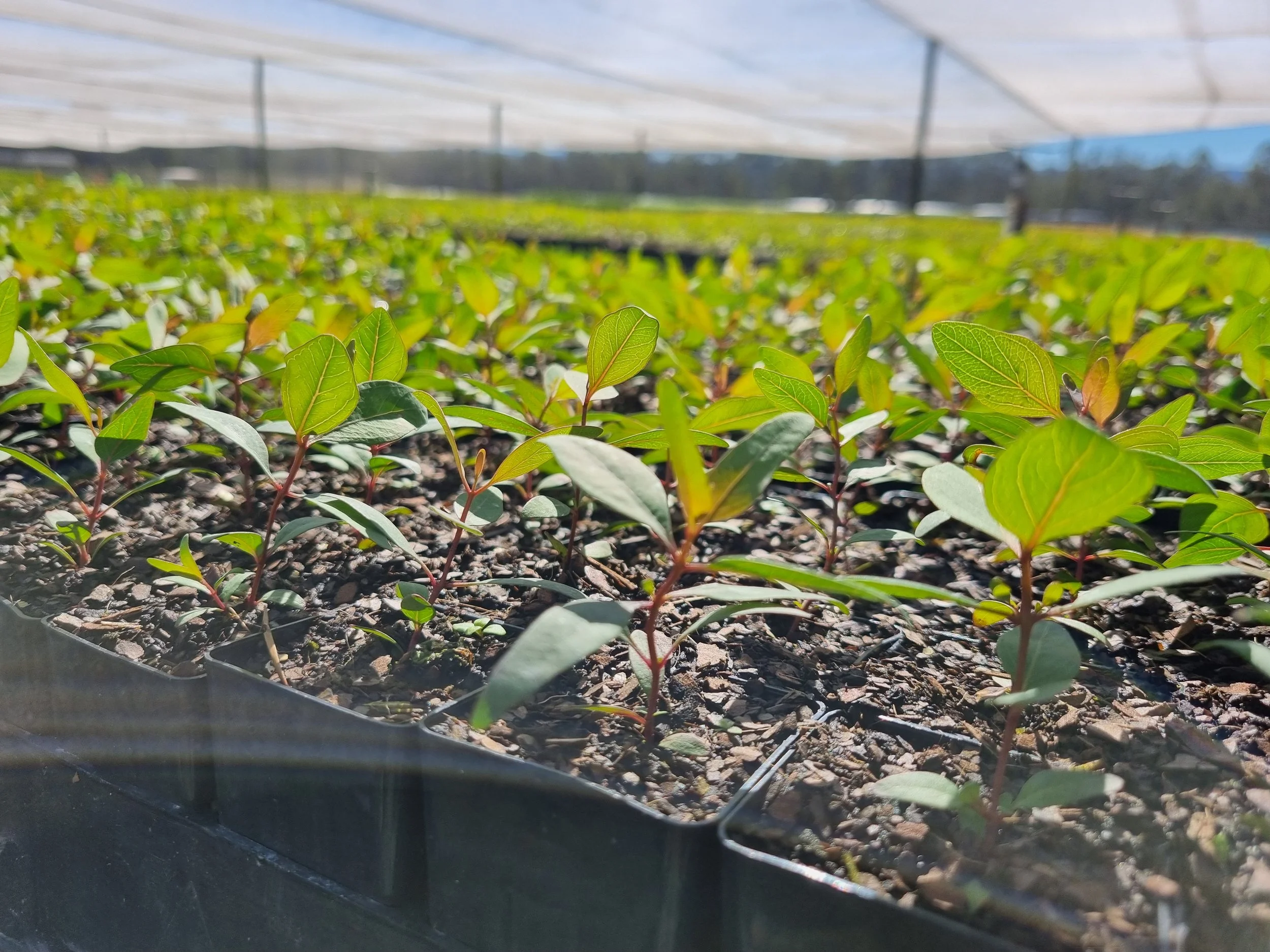
Nurturing Nature Starts in the Nursery: The Role of Seedling Quality in Restoration Success
When people think about reforestation, they typically picture planting crews, freshly prepared ground and rows of young trees taking root across a landscape.
But successful reforestation starts long before the first seedling reaches the field.
It starts by understanding the soil and preparing an environment that will enable seedlings to thrive, but also extends to a detailed process that hinges on whether the nursery can deliver robust seedlings with the best chance of success.
As the saying goes – if you put rubbish in, you get rubbish out – so making sure you have quality seedlings from the outset, will go a long way towards the success of the reforestation.
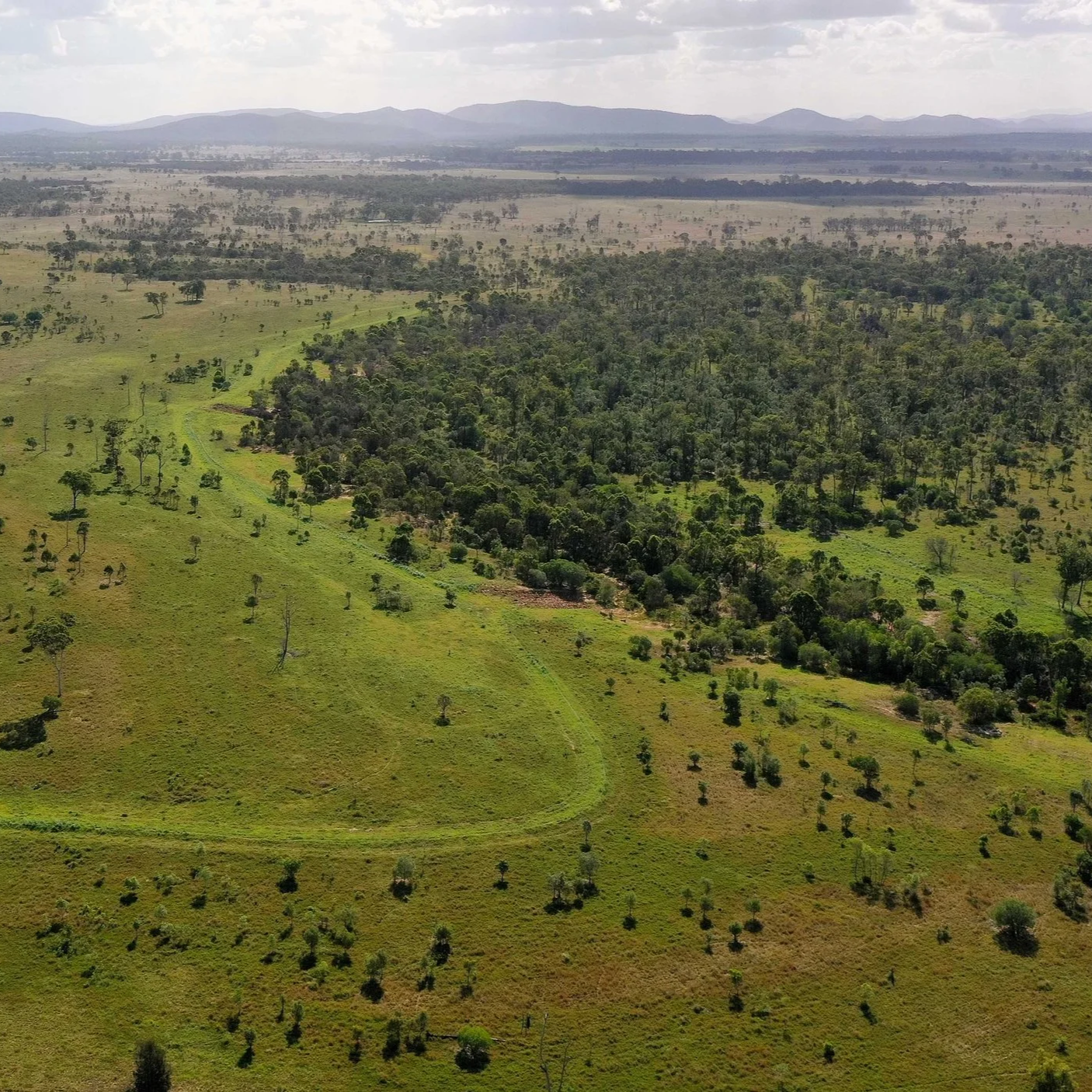
Why the Future of Natural Capital Investment Depends on Best and Highest Land Use
Natural capital investment is accelerating globally. The Taskforce for Nature-Related Financial Disclosure (TNFD) and climate-related reporting frameworks are increasing corporate demand for credible ecosystem outcomes and nature-positive investment. But as investment grows, an important question is emerging:
What actually makes landscapes perform over the long term?
Not just financially, but ecologically, operationally, socially and economically.
Because long-term value is not created by isolated projects. It is created by landscapes that function as integrated systems, delivering diversified revenue streams and strong financial returns, while improving landscape function, biodiversity and catchment health.
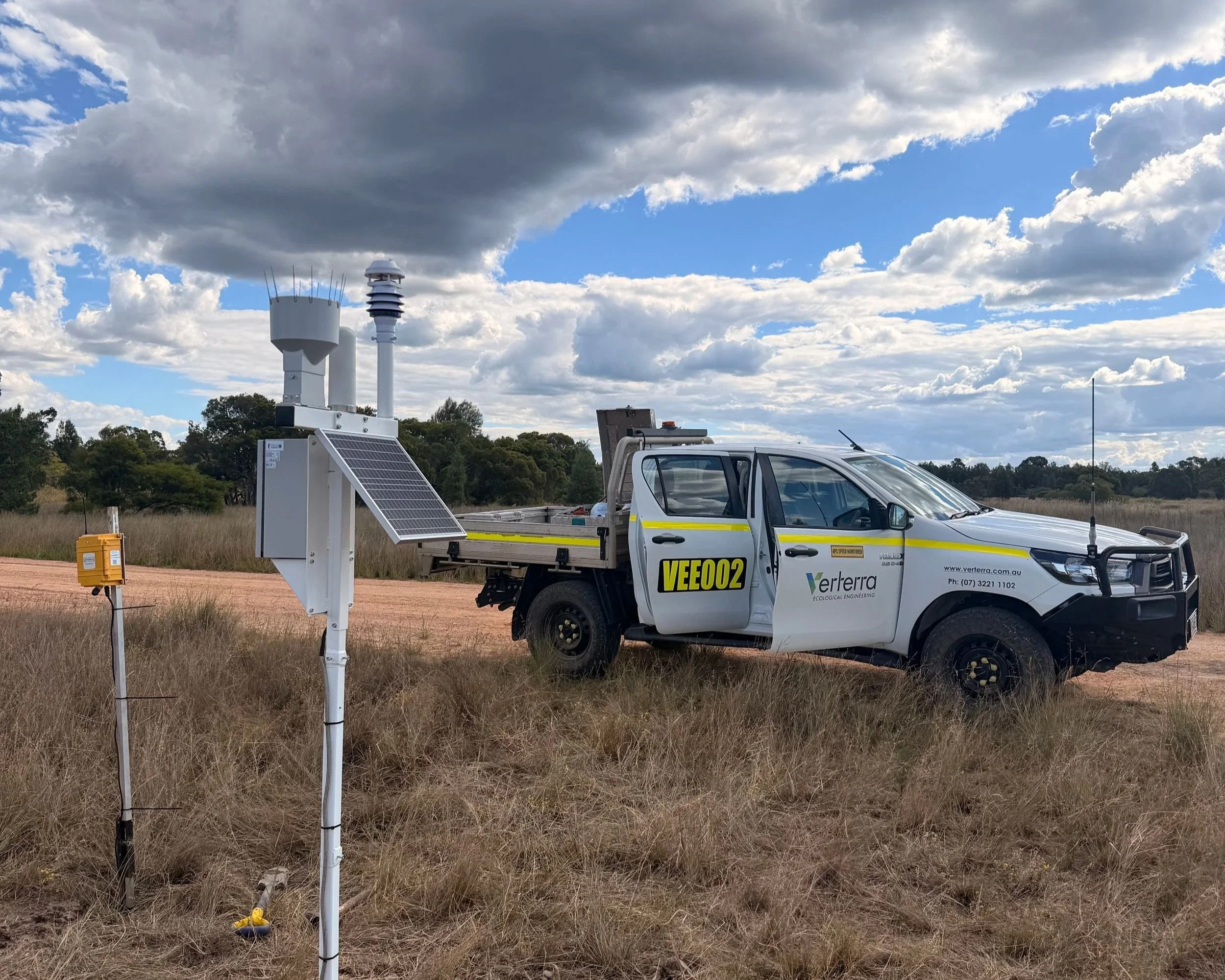
The $13k Investment That Can save Millions in Landscape Rehabilitation Delivery
In landscape rehabilitation, success isn’t just determined by what you do, but also when you do it.
Rainfall, soil moisture, wind and temperature all influence whether work can proceed, whether plants establish, and how systems perform over time.
Many projects still rely on distant weather stations or historical averages to guide critical decisions, but in reality, site conditions don’t always match the forecast.
Installing a site-based weather station changes how rehabilitation projects are planned and delivered.
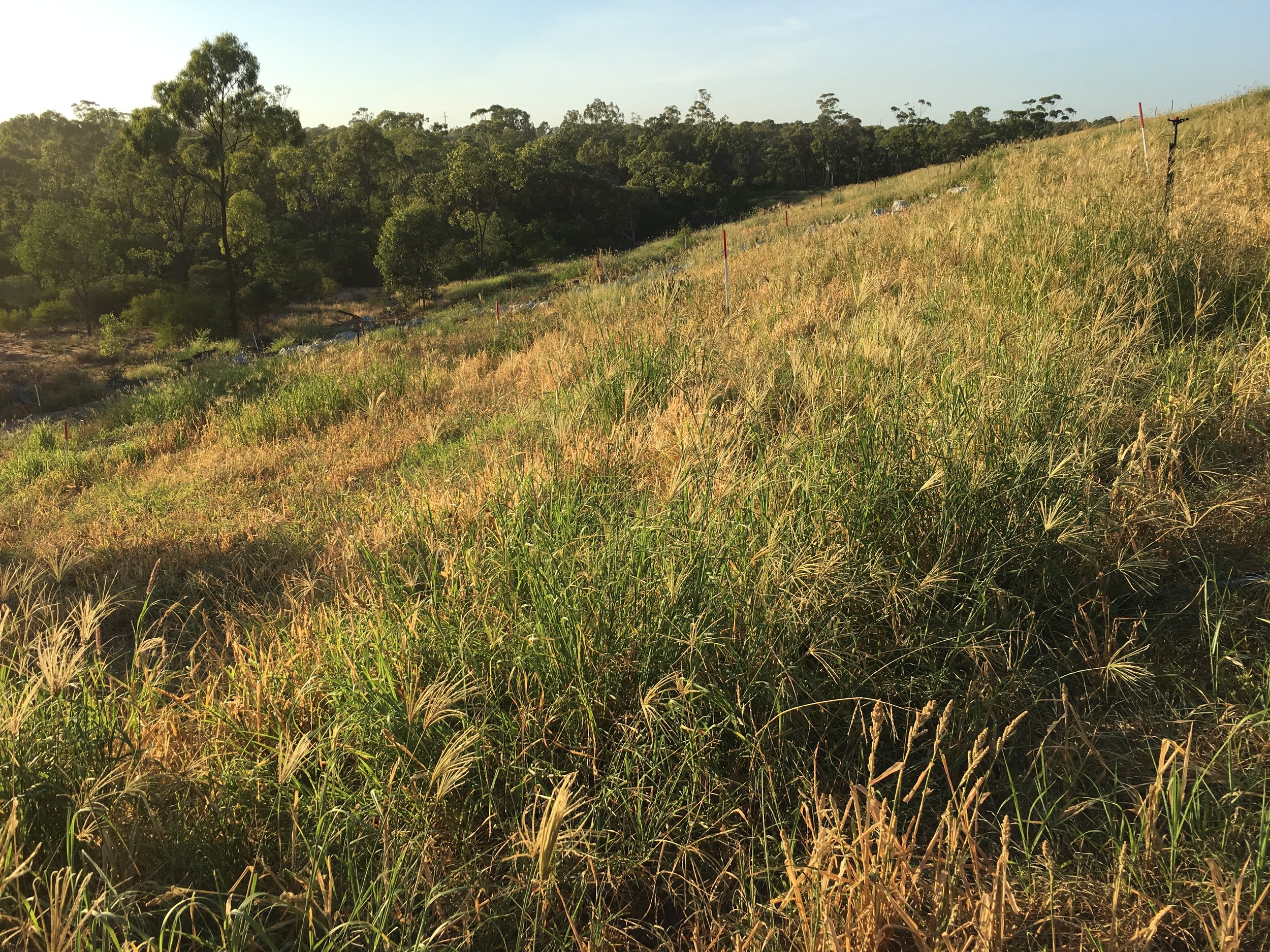
Proving Restoration Performance: Why Monitoring Must Evolve
As expectations around mine-site rehabilitation and restoration outcomes continue to rise, monitoring of outcomes is becoming as critical as implementation.
Regulators, investors and communities are no longer satisfied with evidence of activity. They require confidence that restoration outcomes are progressing toward stable, functional ecosystems capable of enduring without intervention.
This shift is driving a new standard: performance verification.
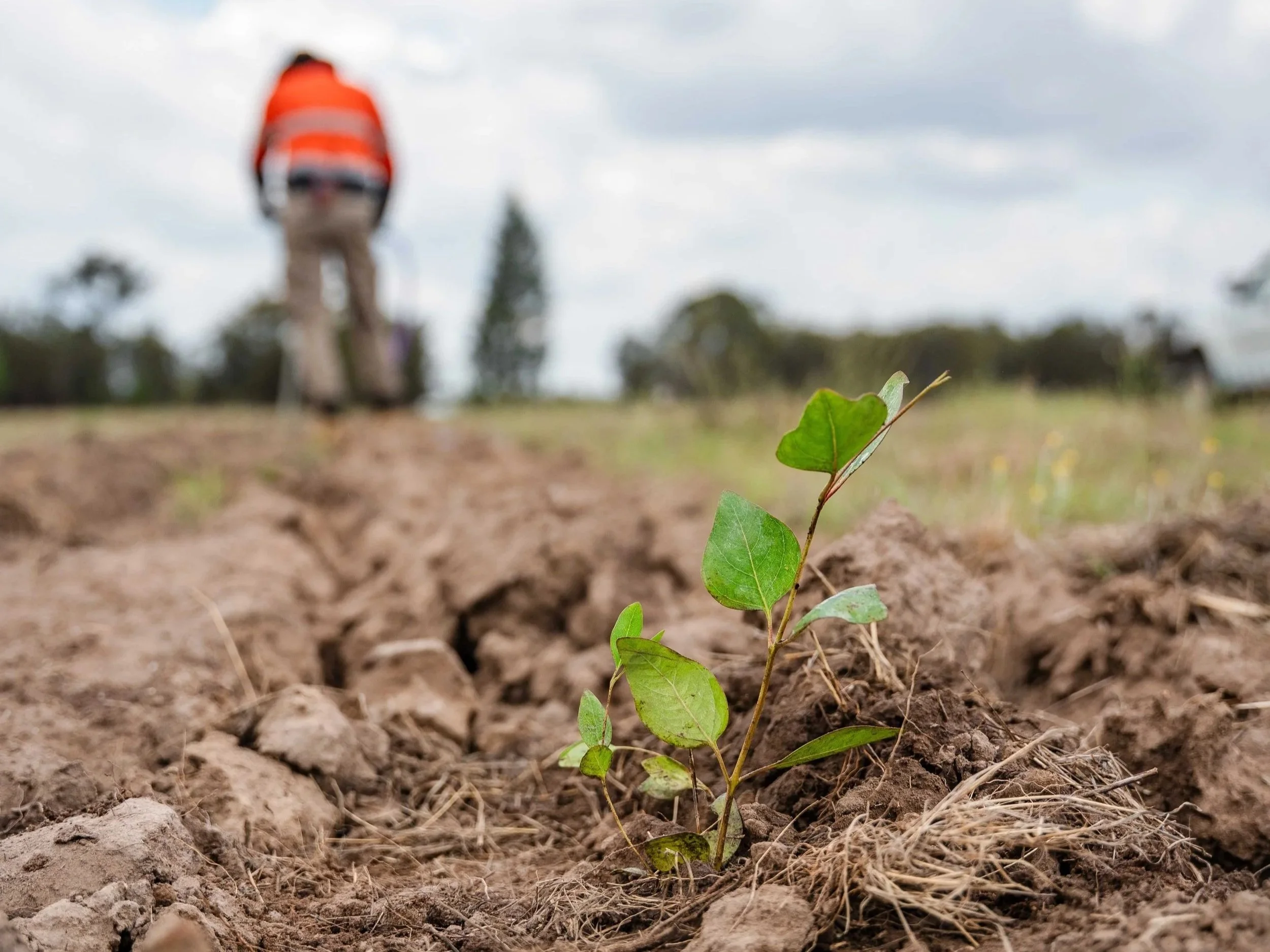
Planting Isn’t Restoration: What Really Determines Rehabilitation Success
Across the mining, infrastructure and land development sectors, restoration has become a central measure of environmental performance. Increasing regulatory scrutiny, ESG commitments and closure obligations mean that operators have to do more than just plant vegetation, they need to make sure it flourishes long-term. In other words, rehabilitation outcomes are no longer optional - they must be demonstrable, durable and defensible
In response, new technologies have emerged promising faster deployment, large-scale planting and increasingly sophisticated monitoring. While these tools can play a valuable role, they risk reinforcing a persistent misconception:
Landscape restoration is not defined by how much is planted, but by whether the resulting ecosystems function and endure.
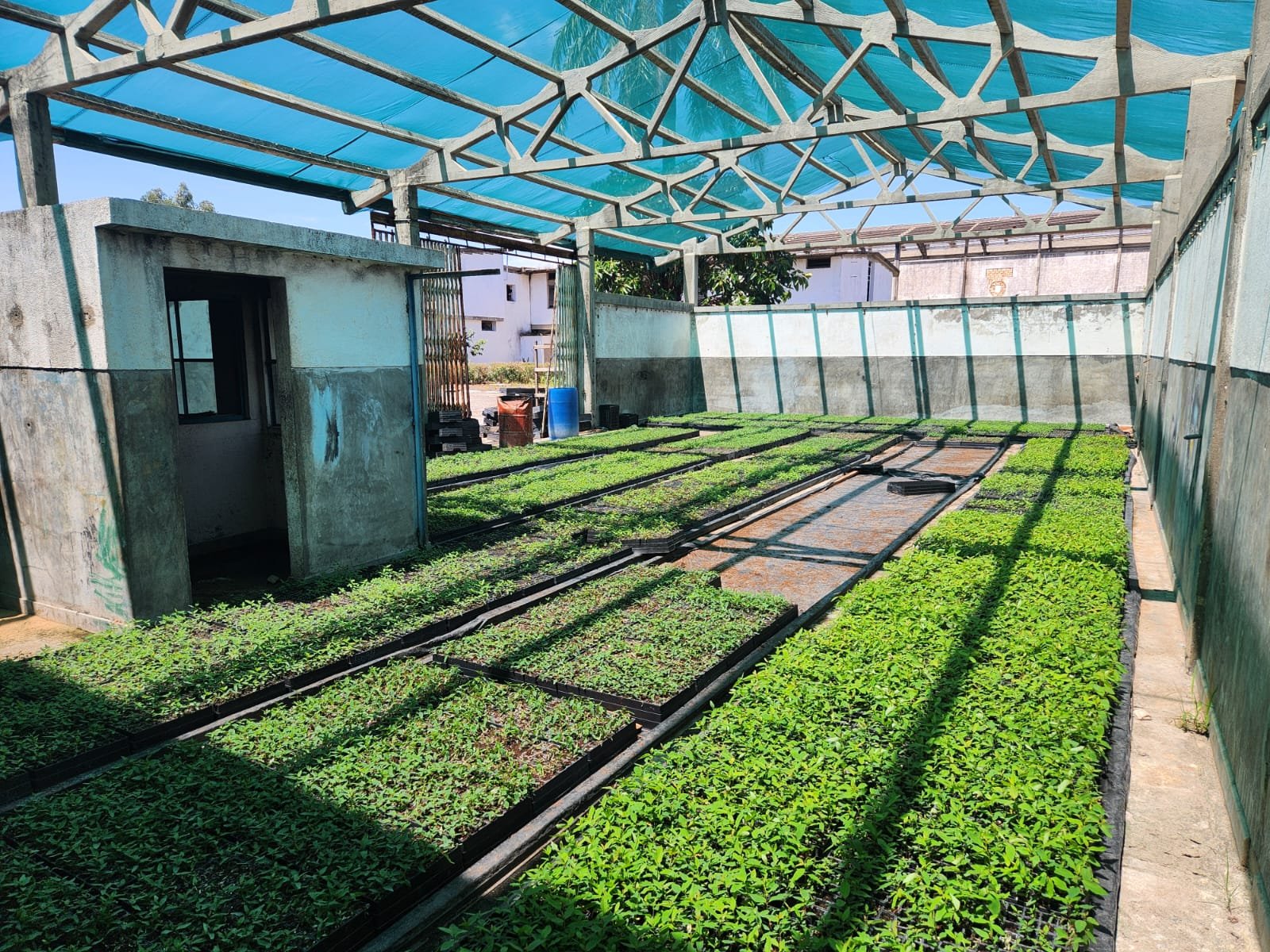
Forests for the Future: How Sustainable Forestry Is Shaping Angola’s Green Economy
As the world accelerates its transition to nature-positive economies, Angola is positioning itself as a continental leader in sustainable forestry. At COP30 in Brazil, the Angola Sovereign Wealth Fund (FSDEA) showcased “Esplendor Florestal” — a transformative, long-term investment to combine ecological restoration, industrial development and climate-resilient land management. Verterra is proud to be assisting FSDEA and Esplendor Florestal with this transition.
More than a forestry project, Esplendor Florestal represents a new national economic strategy: one where responsible land stewardship becomes a driver of prosperity, climate resilience and global competitiveness for Angola.

What Makes Reforestation Successful?
As demand for climate-positive land use grows, reforestation projects are becoming increasingly common across Australia. Whether driven by regulatory requirements, sustainability goals, or carbon market participation, these projects present an opportunity to restore native ecosystems but only if they’re planned and implemented with ecological integrity in mind. We spoke with one of Verterra’s environmental and forest scientists, Kristiina Marquardt, to explore what’s really required to design and deliver a successful reforestation effort.

Expanding Australia's Carbon Sequestration Toolkit
While reforestation and environmental plantings remain vital tools, Australia's diverse landscapes offer many more innovative opportunities for carbon capture.

How much Carbon does one Tree store?
Plants “breathe in” CO2 and “exhale” oxygen, in the process storing carbon, but just how much does the average tree (and forest) store, and how do we measure this?