
Latest Insights
Insights on ecological engineering, mine rehabilitation, landscape rehabilitation, water reuse, biosolids, revegetation, forestry and natural capital from Verterra’s team of scientists and engineers.
The $13k Investment That Can save Millions in Landscape Rehabilitation Delivery
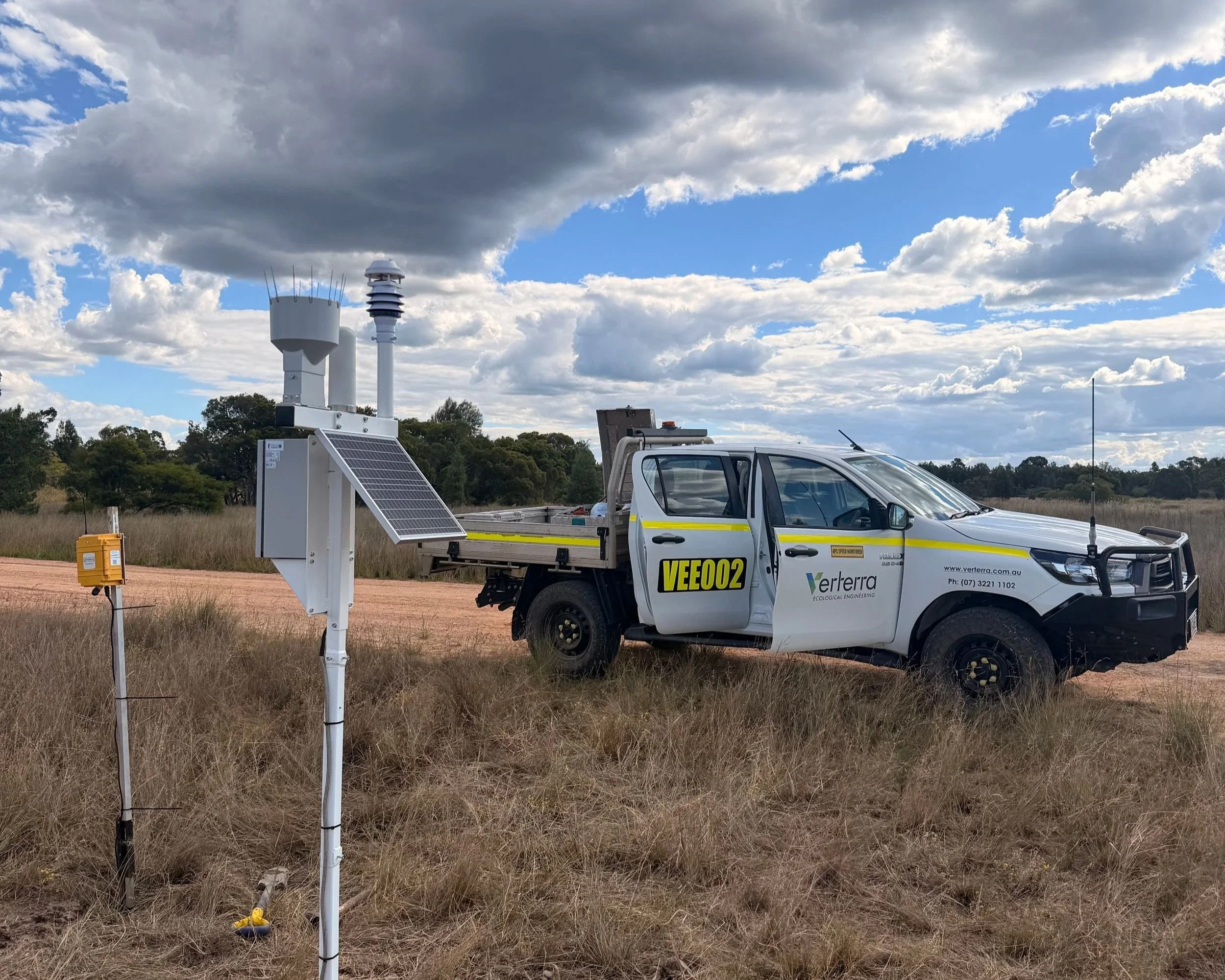
In landscape rehabilitation, success isn’t just determined by what you do, but also when you do it.
Rainfall, soil moisture, wind and temperature all influence whether work can proceed, whether plants establish, and how systems perform over time.
Many projects still rely on distant weather stations or historical averages to guide critical decisions, but in reality, site conditions don’t always match the forecast.
Installing a site-based weather station changes how rehabilitation projects are planned and delivered.
Beyond Topsoil: A Practical Framework for Performance-Based Mine Rehabilitation
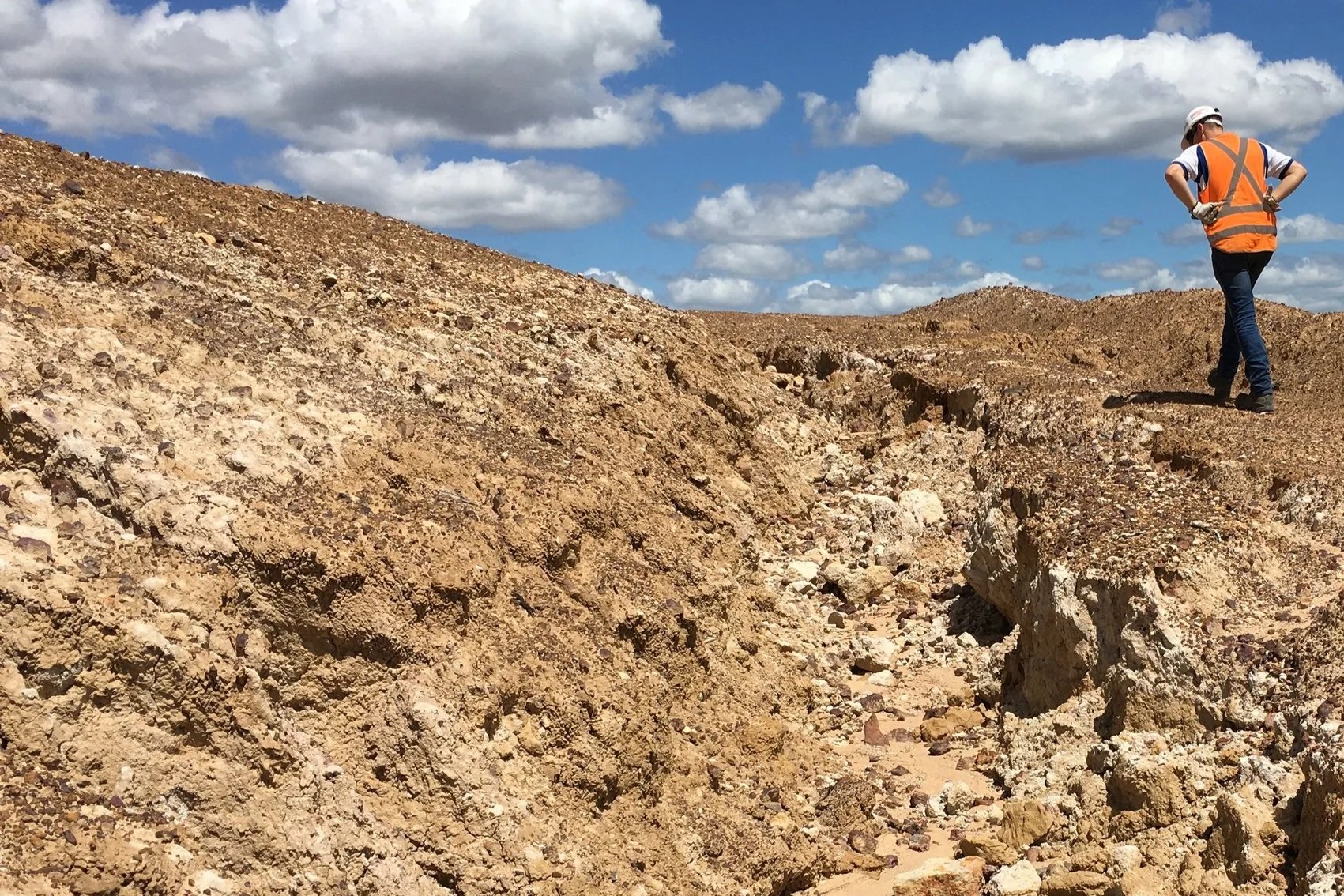
How do you actually create a system that functions, especially when the most fundamental resource – topsoil - is limited?
Across Australia, one of the most persistent challenges in mine closure is the availability and quality of topsoil. Even where topsoil exists, volumes are often insufficient, variability is high, and storage can degrade its biological and structural integrity rapidly.
The result? Rehabilitation strategies that rely on topsoil alone are increasingly constrained - and in many cases, fundamentally misaligned with the scale of the challenge. But there are solutions.
Proving Restoration Performance: Why Monitoring Must Evolve
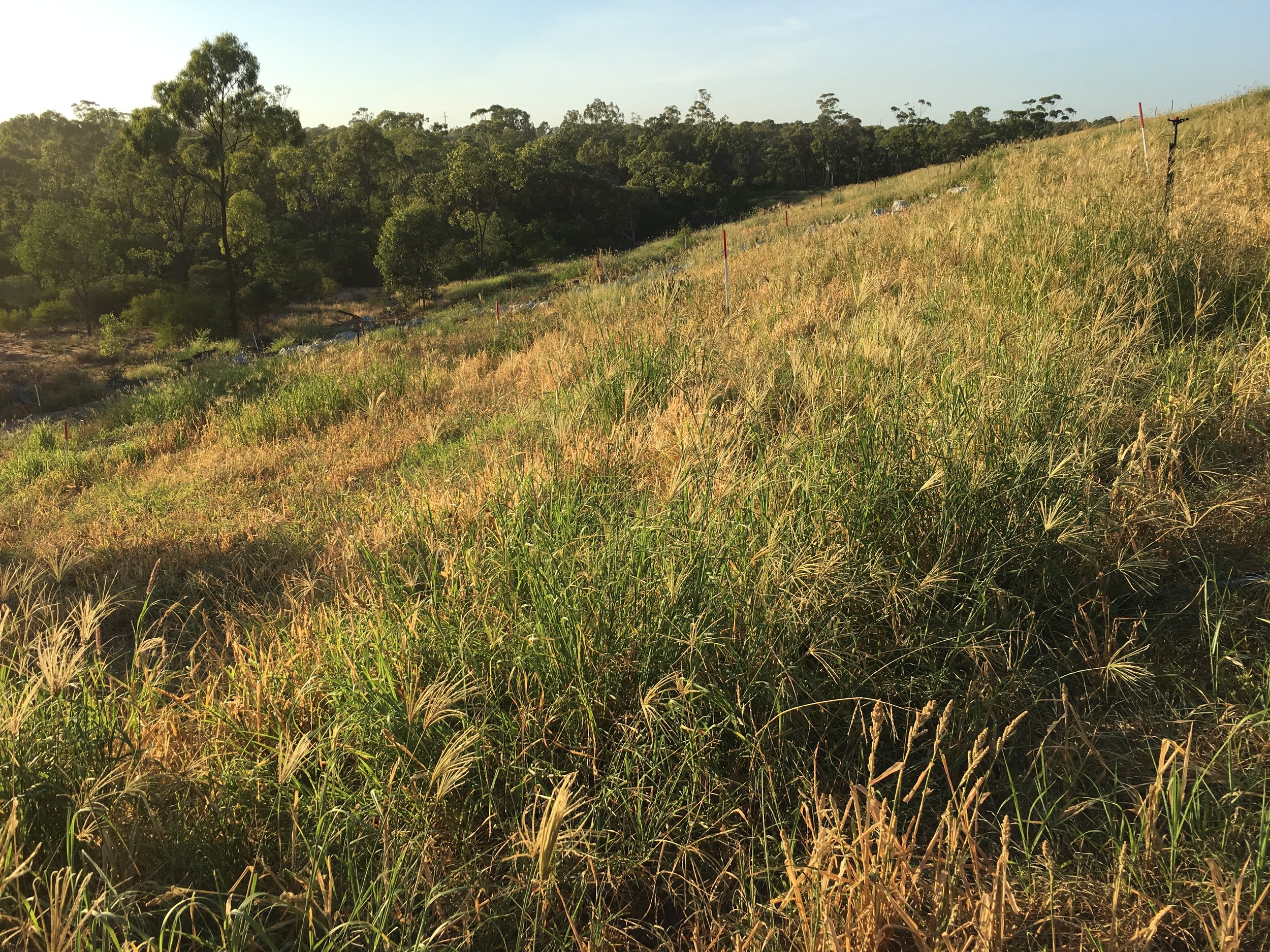
As expectations around mine-site rehabilitation and restoration outcomes continue to rise, monitoring of outcomes is becoming as critical as implementation.
Regulators, investors and communities are no longer satisfied with evidence of activity. They require confidence that restoration outcomes are progressing toward stable, functional ecosystems capable of enduring without intervention.
This shift is driving a new standard: performance verification.
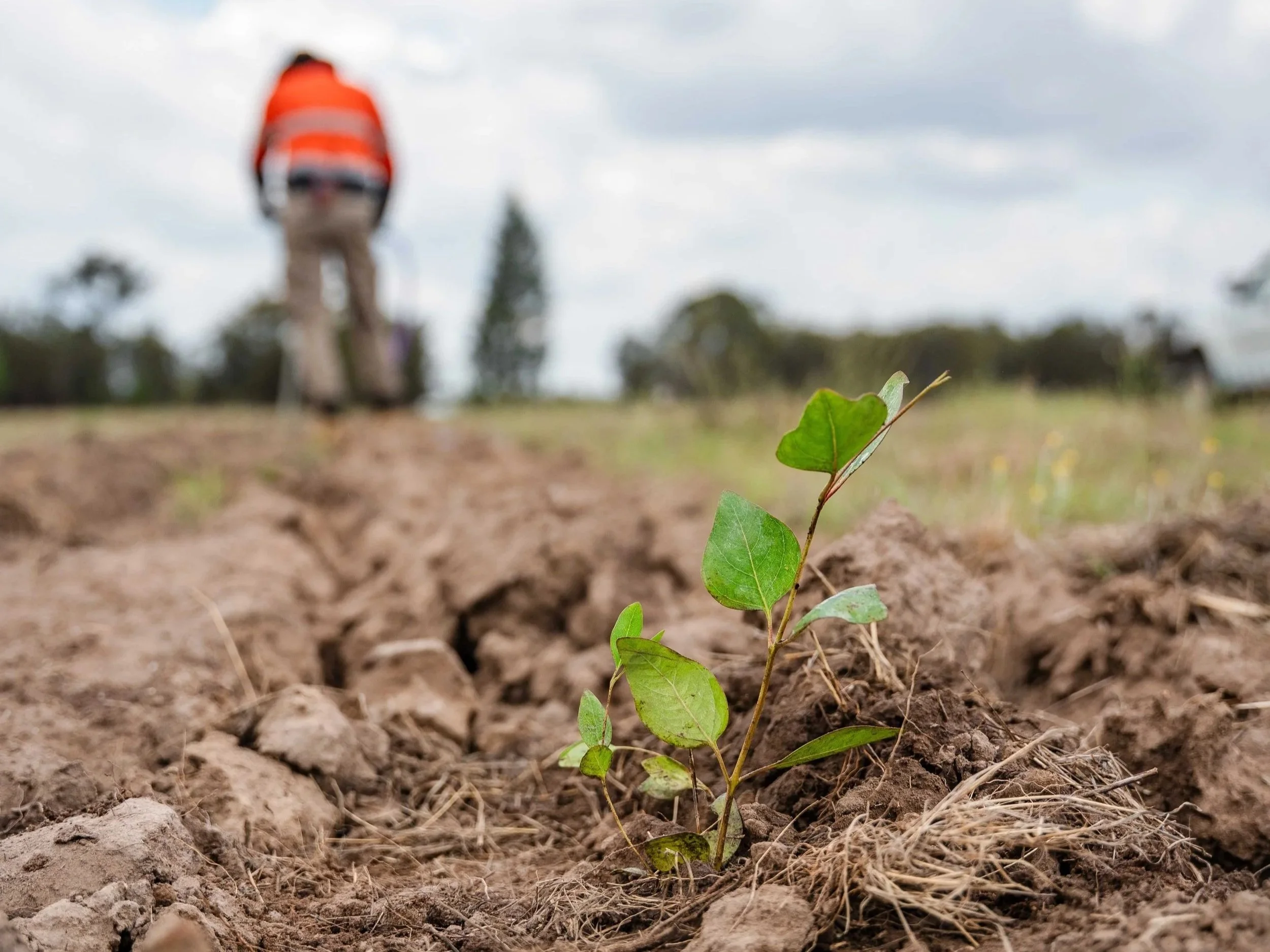
Planting Isn’t Restoration: What Really Determines Rehabilitation Success
Across the mining, infrastructure and land development sectors, restoration has become a central measure of environmental performance. Increasing regulatory scrutiny, ESG commitments and closure obligations mean that operators have to do more than just plant vegetation, they need to make sure it flourishes long-term. In other words, rehabilitation outcomes are no longer optional - they must be demonstrable, durable and defensible
In response, new technologies have emerged promising faster deployment, large-scale planting and increasingly sophisticated monitoring. While these tools can play a valuable role, they risk reinforcing a persistent misconception:
Landscape restoration is not defined by how much is planted, but by whether the resulting ecosystems function and endure.
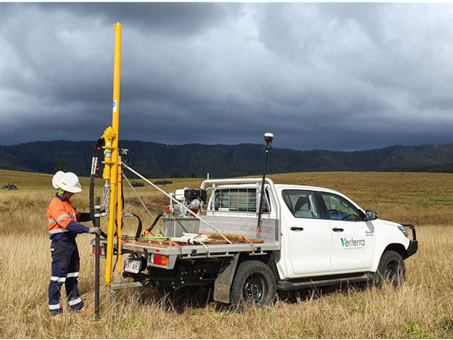
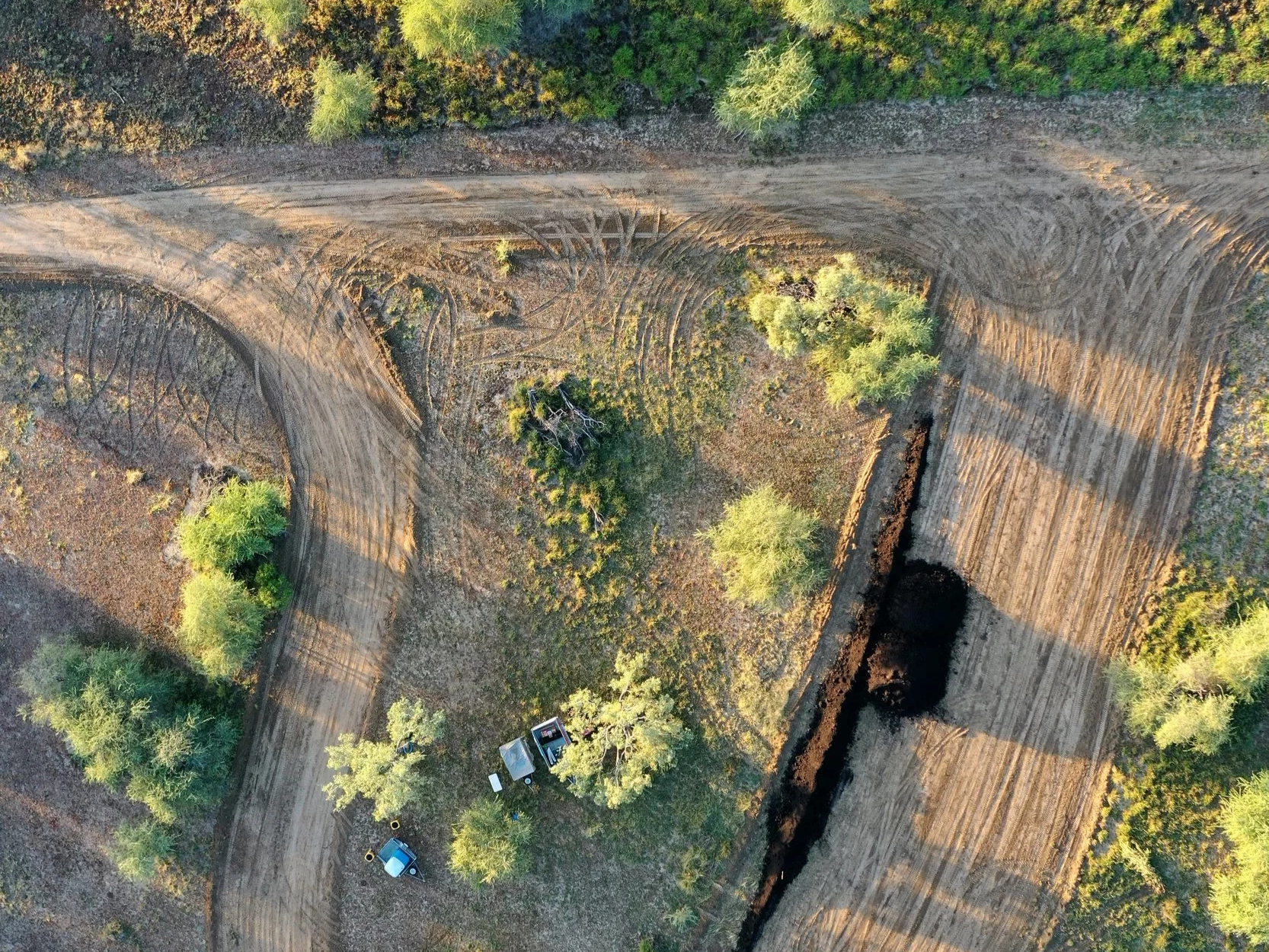
Why Soil Sampling is the Foundation of Successful Land Rehabilitation
When land rehabilitation fails, the cause is rarely at the surface. Vegetation struggles to establish. Slopes erode. Water runs off instead of infiltrating. Closure criteria are missed. Carbon, forestry, or biodiversity projects underperform. And ultimately, remediation costs escalate.
In most cases, the problem can be traced back to one thing: the soil beneath our feet.
At Verterra, soil sampling is not a box-ticking exercise. It is the foundation of every successful rehabilitation, soil amelioration and land-performance outcome we deliver.

Harnessing UAV Technology to Improve Mine Rehabilitation Outcomes
Quality mine rehabilitation is about delivering measurable outcomes for the environment, regulators, and communities. At Verterra, we’re helping mining companies take mine rehabilitation to the next level using drone-based NDVI and multispectral imagery to monitor ground cover development more accurately, more frequently, and more cost-effectively than traditional methods.

Leading the Way in Smarter Sediment Management in Mining
In the mining industry, effective sediment control is critical—not just for environmental compliance, but also to build and maintain a sustainable license to operate. Until now, quantifying the actual impact of erosion management strategies has remained difficult, especially across large and complex sites, but Verterra’s novel application of a remote-sensed Revised Universal Soil Loss Equation (RUSLE) is changing that.