
Beyond Topsoil: A Practical Framework for Performance-Based Mine Rehabilitation
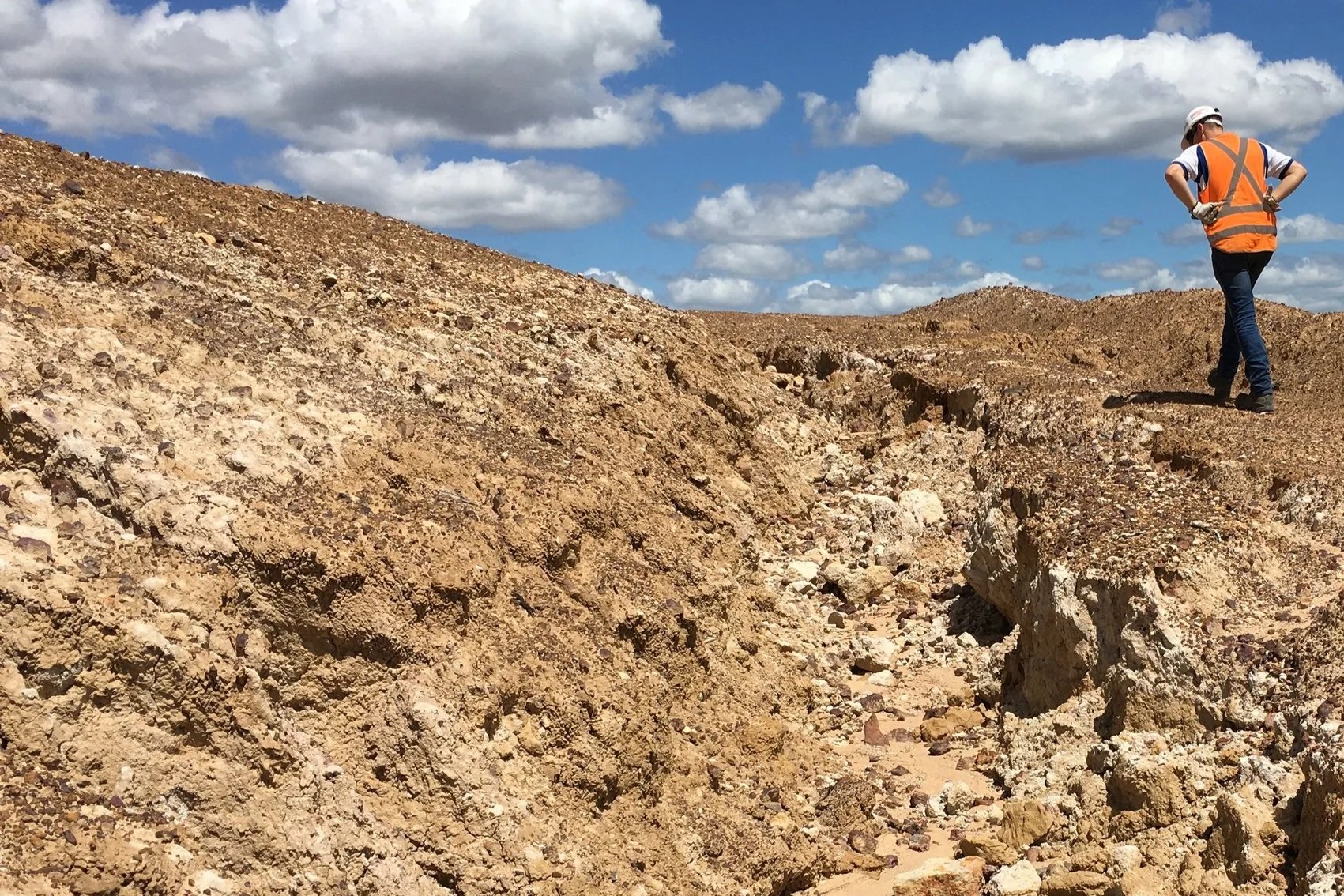
Mine rehabilitation strategies that rely on topsoil alone are misaligned to the scale of the challenge to support vegetation long-term.
In a previous article, we explored a simple but critical idea:
Rehabilitation success isn’t defined by what or how much is planted - but by whether ecosystems function and endure. (Read the article here)
The question that follows is:
How do you actually create a system that functions, especially when the most fundamental resource – topsoil - is limited?
Across Australia, one of the most persistent challenges in mine closure is the availability and quality of topsoil. Even where topsoil exists, volumes are often insufficient, variability is high, and storage can degrade its biological and structural integrity rapidly.
The result? Rehabilitation strategies that rely on topsoil alone are increasingly constrained - and in many cases, fundamentally misaligned with the scale of the challenge.
The real constraint isn’t topsoil — it’s soil function
Topsoil has traditionally been treated as the foundation of rehabilitation because it contains organic matter, microbial communities, and seedbanks.
But from a systems perspective, its value lies in something more fundamental:
Its ability to support plant growth, water movement, nutrient cycling, and biological activity.
In other words, functionality - not origin - is what matters most.
As outlined in our recent work prepared for the Queensland Office of the Mine Rehabilitation Commissioner, soils are not defined by where they come from, but by how effectively they perform as a growth medium .
Plants do not require “topsoil” — they require:
Anchorage
Water
Nutrients
A biologically active environment
Any material that can deliver these functions can support successful rehabilitation.
Why rehabilitation fails: unresolved soil constraints
Subsoil and spoil materials - often the only available resources found at scale on a mine-site - commonly contain constraints that limit vegetation establishment, including:
Adverse pH conditions
Salinity and sodicity
Poor structure and dispersion
Low organic carbon and biological activity
Nutrient deficiencies or toxicities
Left unaddressed, these constraints restrict root development, reduce water availability, and ultimately prevent the establishment of stable vegetation systems.
This is why simply placing topsoil over hostile subsoil often fails - roots eventually encounter underlying constraints, and system performance breaks down.
A shift in thinking: from material placement to engineered performance
To overcome these challenges, the industry is shifting from a reliance on scarce natural topsoil to the development of manufactured growth media – soils that have been engineered through blending, or the addition of nutrients and other amendments, to create soils that can support vegetation.
This approach recognises that:
A functional growth medium can be engineered by combining available materials and overcoming their constraints.
By blending subsoil, spoil, and organic amendments, and applying targeted amelioration strategies, it is possible to create a growth medium that supports vegetation and evolves into a functioning soil over time.
This is not about replicating natural soil profiles exactly, but about mimicking the functions that matter.
A practical framework for manufactured growth media
A structured, evidence-based approach can guide this process:
-
Start with the end in mind:
What vegetation system is required?
What soil conditions are needed to support it?
Analogue sites can provide valuable benchmarks for realistic soil performance targets.
-
Develop a clear understanding of:
Topsoil volumes and limitations
Subsoil and spoil characteristics
Physico-chemical properties of all materials
This step is critical to identifying both constraints and opportunities. At Verterra, this diagnostic work sits within our ReVive Soil Solutions capability - where we identify and resolve the underlying constraints that limit system performance.
-
This is where engineering begins:
Identify limiting factors (e.g. pH, salinity, structure)
Develop targeted amelioration strategies
Blend materials to achieve required performance
The objective is not uniformity - it is functional suitability for the PMLU - where soil transitions from a material to a designed system, a core principle underpinning our approach to ecological engineering.
-
Field trials are essential to:
Validate amendment strategies
Understand site-specific responses
Optimise performance before full-scale implementation
-
Ongoing monitoring ensures:
Soil conditions remain suitable
Vegetation trajectories align with targets
Interventions can be adjusted over time
This transforms rehabilitation from a one-off activity into a managed performance system.
From constraint to capability
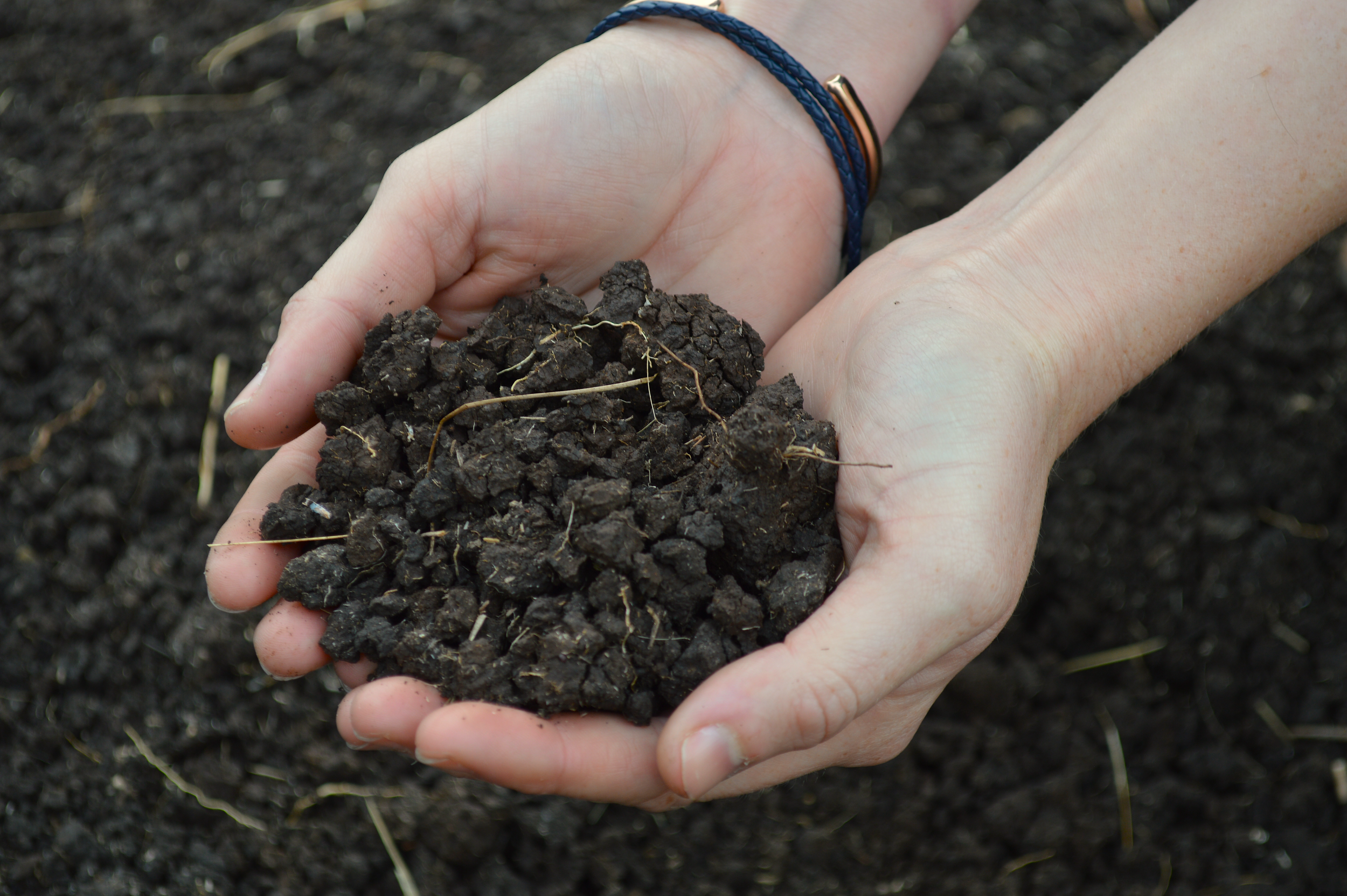
By adopting this approach, operators can:
Reduce reliance on limited topsoil resources
Utilise on-site materials more effectively
Improve vegetation establishment and resilience
Lower closure risk
Increase confidence with regulators
Most importantly, it enables a shift from compliance-led rehabilitation to performance-based outcomes.
Where this fits within Verterra’s approach
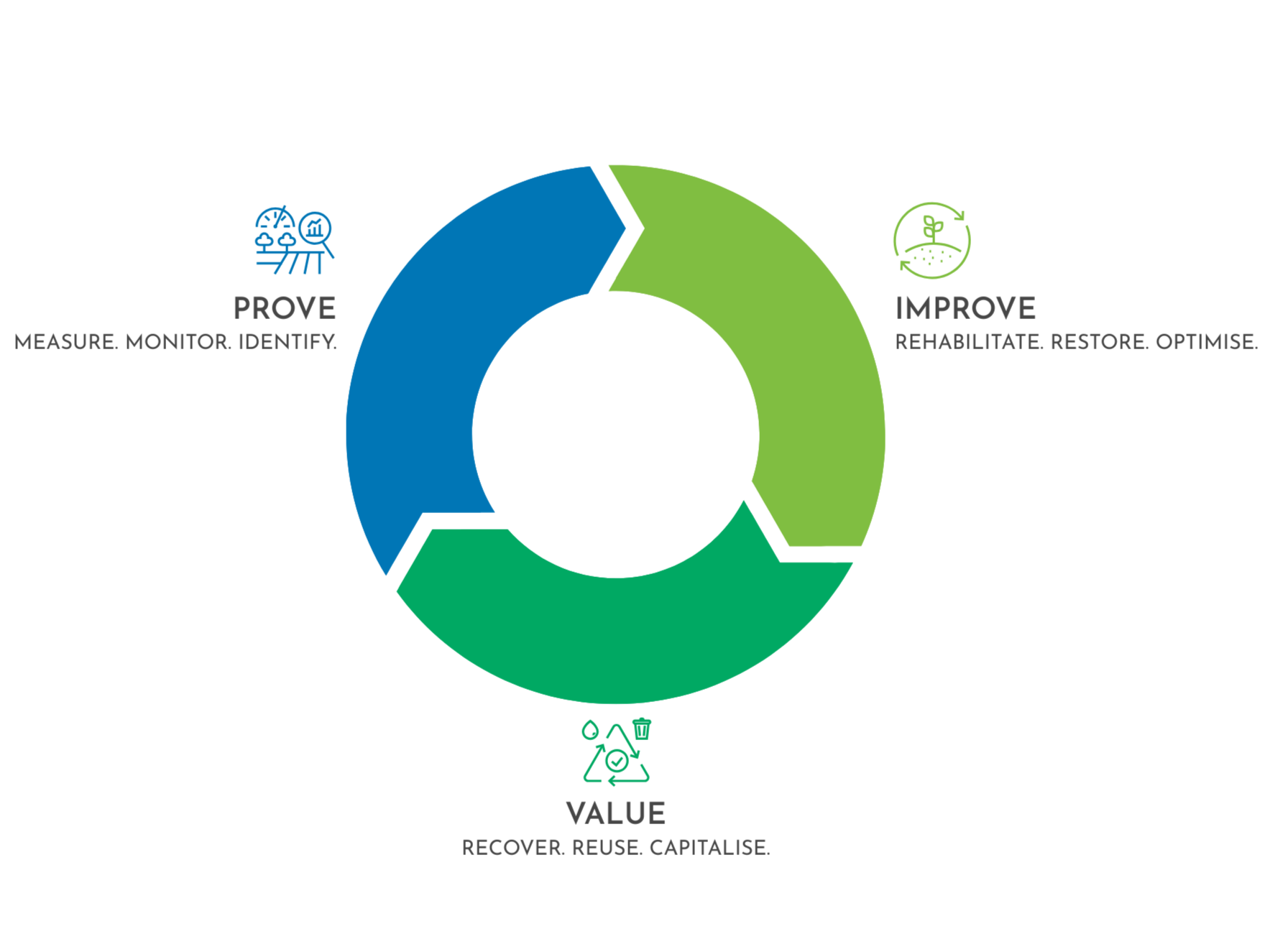
At Verterra, this framework sits within our broader Performance Ecosystem:
ReVive (Soil Solutions)
→ Diagnosing constraints and engineering functional growth mediaReVert (Landscape Rehabilitation)
→ Implementing these systems at landscape scale to achieve PMLU outcomesVerterraPROVE
→ Measuring and validating performance over time
Together, these capabilities ensure that rehabilitation is not only implemented - but designed to perform and proven to succeed.
Rethinking rehabilitation from the ground up
As closure expectations continue to rise, the industry faces a clear challenge:
There is not enough topsoil to solve the problem.
But there is enough knowledge, material, and capability to engineer systems that work.
The future of mine rehabilitation lies not in what we place on the surface - but in how well the system functions beneath it.