
Latest Insights
Insights on ecological engineering, mine rehabilitation, landscape rehabilitation, water reuse, biosolids, revegetation, forestry and natural capital from Verterra’s team of scientists and engineers.
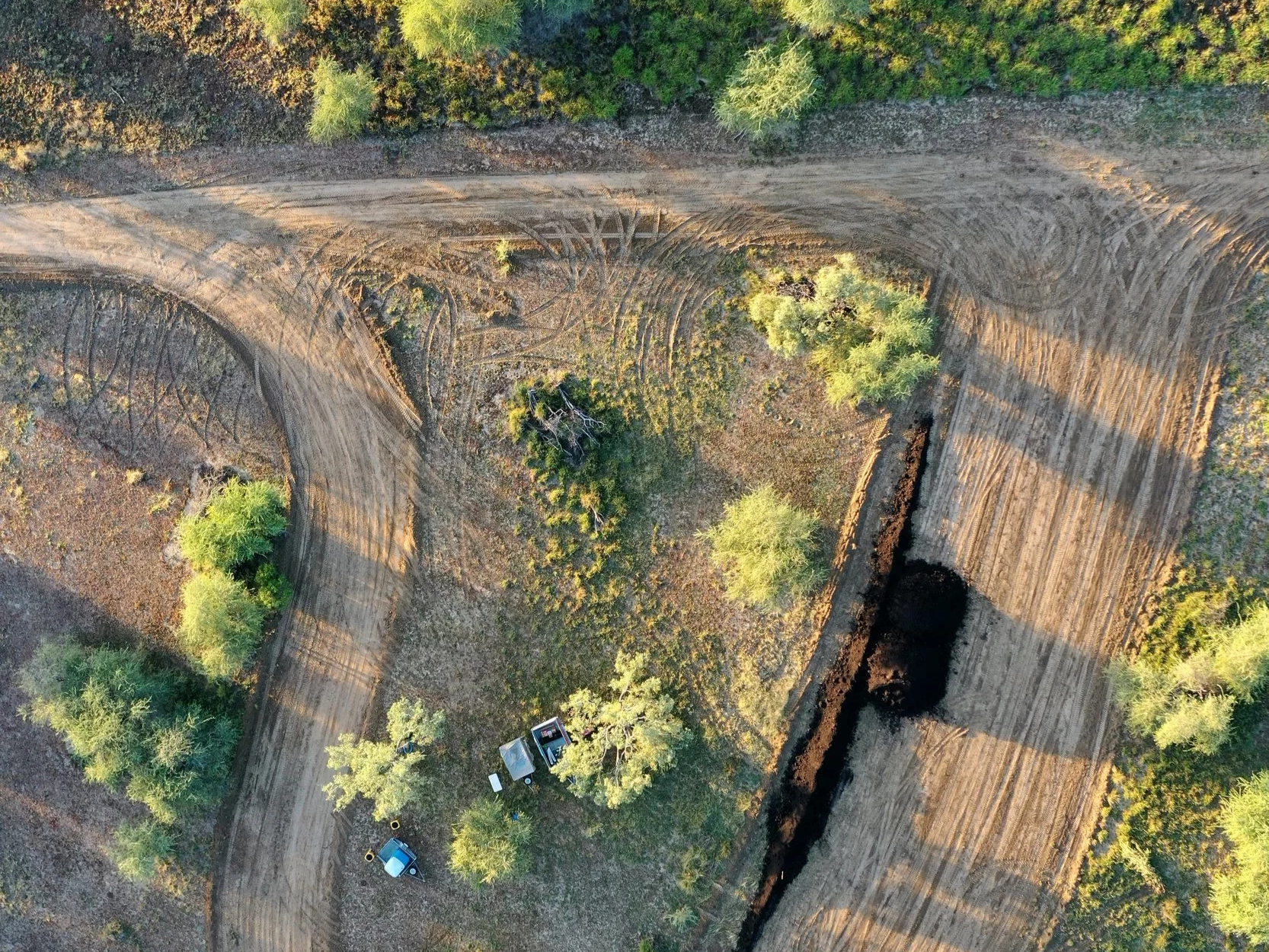
Why mine rehabilitation should be measured by trajectory as well as condition
Early vegetation cover is an important sign of mine rehabilitation progress, but it does not confirm that the underlying soil and ecosystem will continue to function. A paper presented by Dr Bernhard Wehr at Mine Closure 2026 argues that rehabilitation should also be assessed by its trajectory towards the intended post-mining land use.
A newly rehabilitated mine site starts from a point of major disturbance. Soil horizons may have been removed or mixed, topsoil may have spent years in stockpiles, and the materials available for reconstruction can differ substantially from the soils supporting nearby reference ecosystems.
Despite this, rehabilitation performance is often judged through point-in-time comparisons with mature analogue sites. This can create unrealistic expectations about how quickly a manufactured growth medium should resemble natural soil, while providing limited evidence about whether the rehabilitated system is developing in the right direction.
At Mine Closure 2026 in Melbourne, Verterra Principal Soil Scientist Dr Bernhard Wehr presented a paper proposing a stronger basis for assessment. Building on earlier technical guidance prepared by Verterra for the Office of the Queensland Mine Rehabilitation Commissioner, the 2026 paper argues that rehabilitation trajectories provide more meaningful evidence of progress than condition alone.
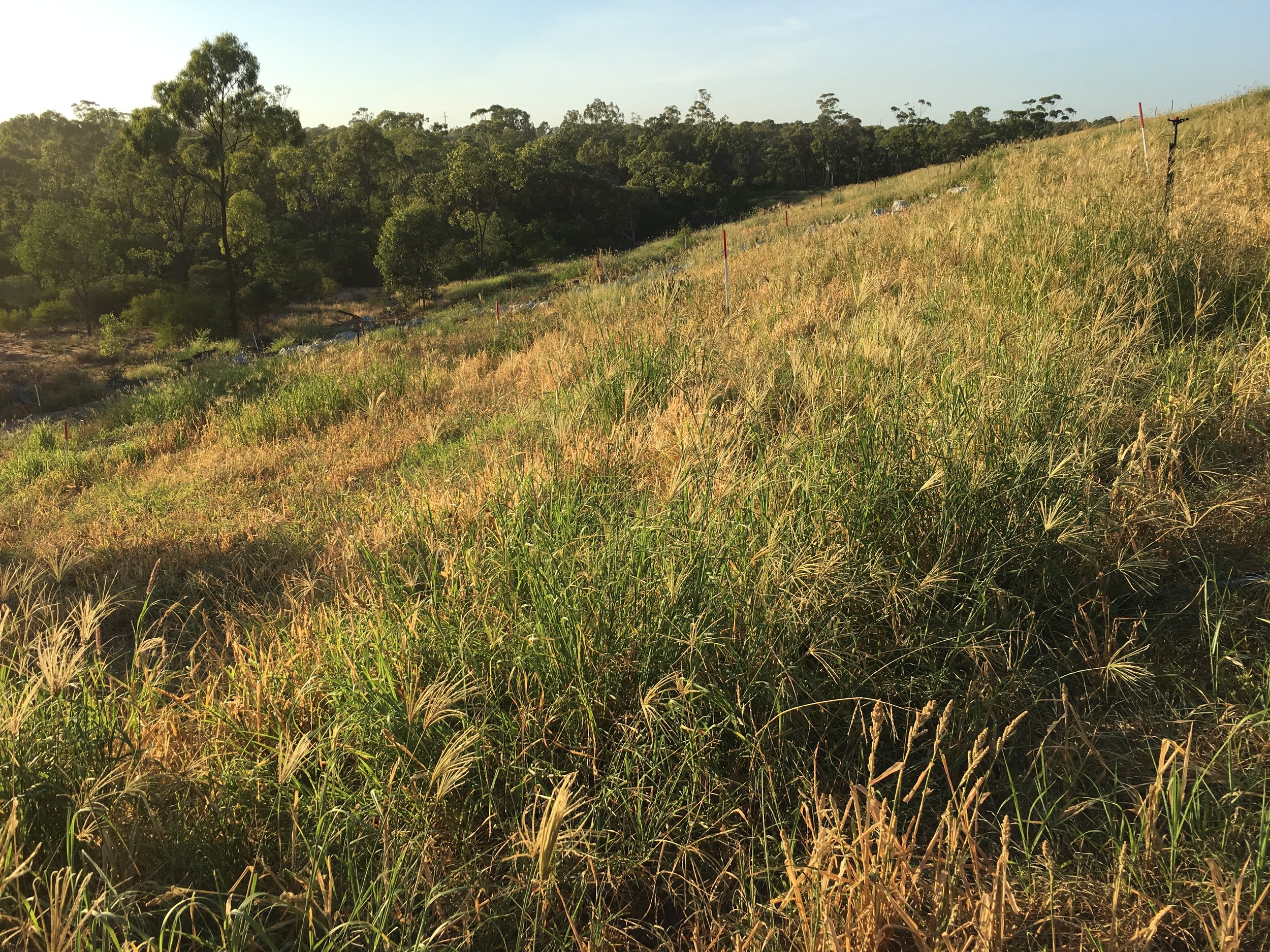
When the next flood arrives: new evidence for integrated streambank repair
Rehabilitated streambanks may look successful while vegetation is establishing and river levels remain low, but the real test comes when the next major flood arrives.
New peer-reviewed research from Alluvium Consulting and the School of Geography, Earth and Atmospheric Science at the University of Melbourne provides compelling evidence that integrated streambank rehabilitation can substantially reduce erosion during these high-flow events.
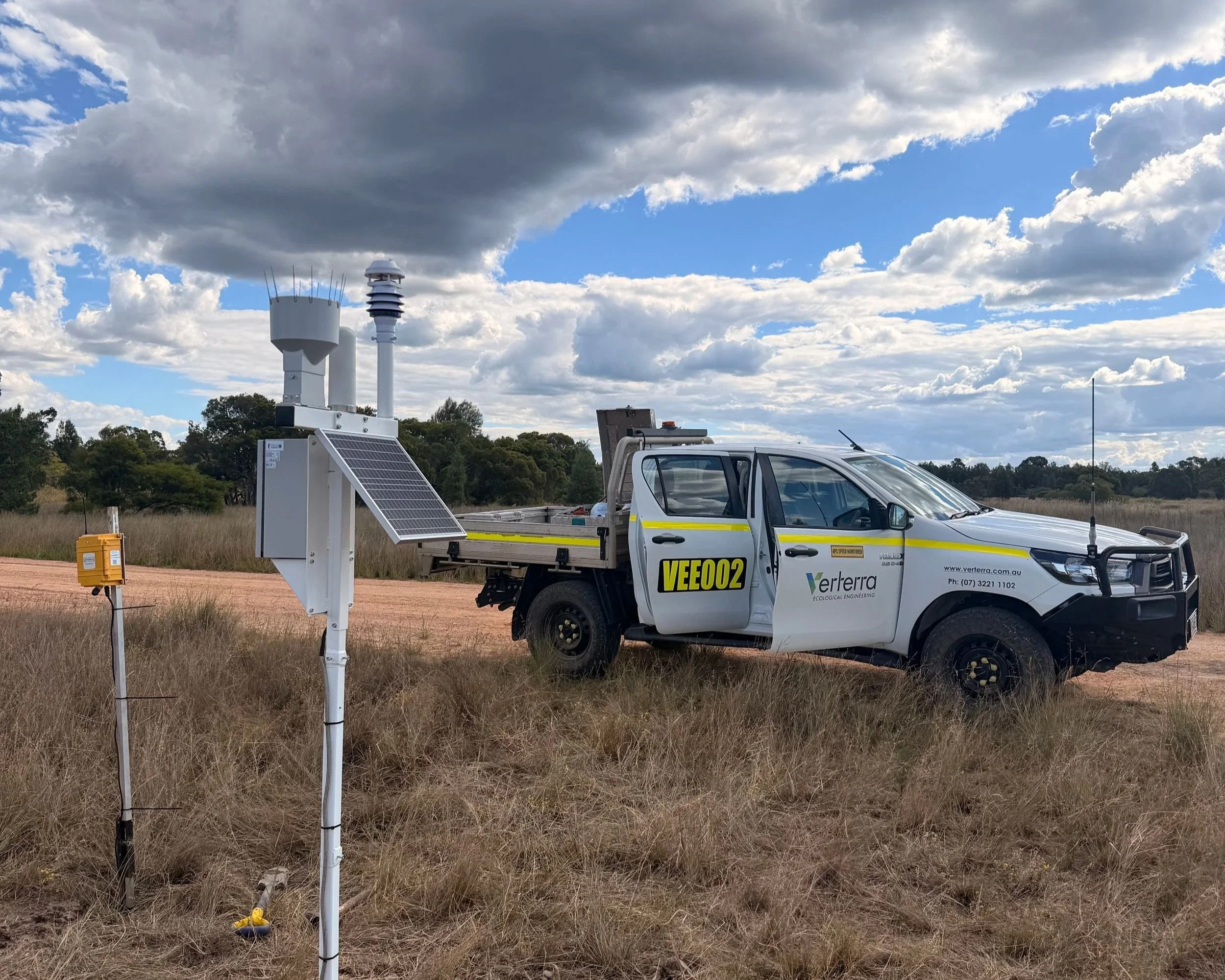
The $13k Investment That Can save Millions in Landscape Rehabilitation Delivery
In landscape rehabilitation, success isn’t just determined by what you do, but also when you do it.
Rainfall, soil moisture, wind and temperature all influence whether work can proceed, whether plants establish, and how systems perform over time.
Many projects still rely on distant weather stations or historical averages to guide critical decisions, but in reality, site conditions don’t always match the forecast.
Installing a site-based weather station changes how rehabilitation projects are planned and delivered.
Beyond Topsoil: A Practical Framework for Performance-Based Mine Rehabilitation
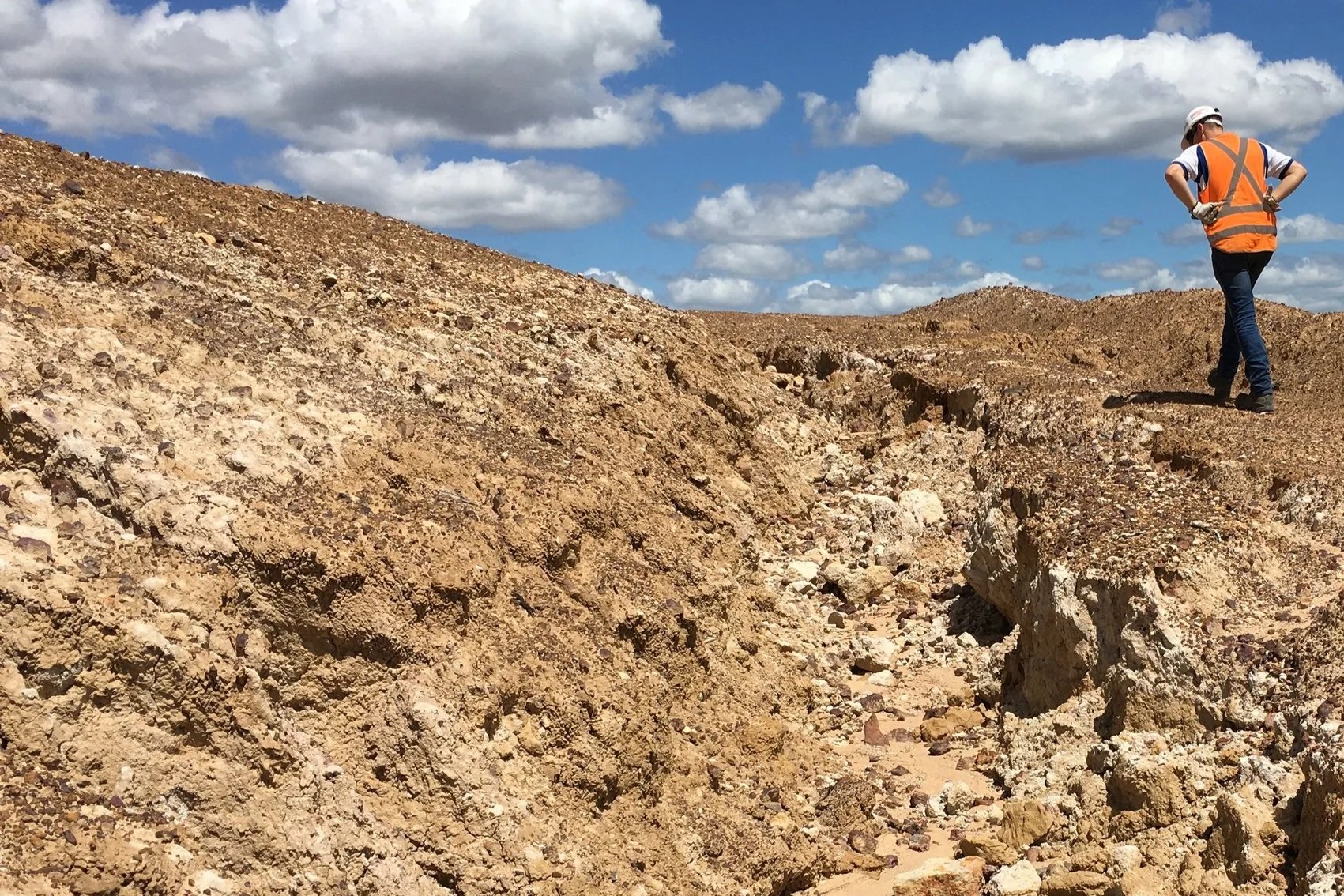
How do you actually create a system that functions, especially when the most fundamental resource – topsoil - is limited?
Across Australia, one of the most persistent challenges in mine closure is the availability and quality of topsoil. Even where topsoil exists, volumes are often insufficient, variability is high, and storage can degrade its biological and structural integrity rapidly.
The result? Rehabilitation strategies that rely on topsoil alone are increasingly constrained - and in many cases, fundamentally misaligned with the scale of the challenge. But there are solutions.
Planting Isn’t Restoration: What Really Determines Rehabilitation Success
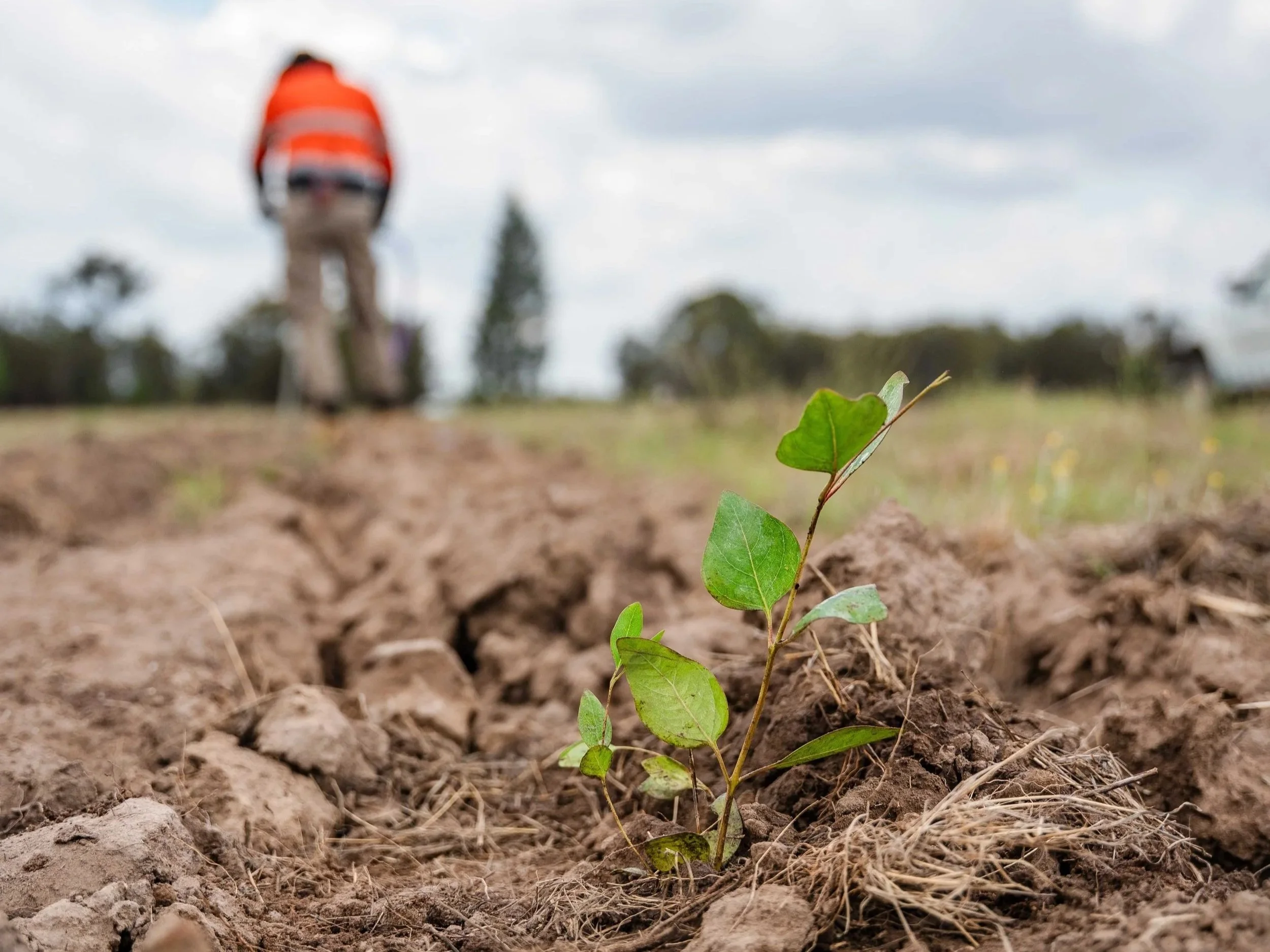
Across the mining, infrastructure and land development sectors, restoration has become a central measure of environmental performance. Increasing regulatory scrutiny, ESG commitments and closure obligations mean that operators have to do more than just plant vegetation, they need to make sure it flourishes long-term. In other words, rehabilitation outcomes are no longer optional - they must be demonstrable, durable and defensible
In response, new technologies have emerged promising faster deployment, large-scale planting and increasingly sophisticated monitoring. While these tools can play a valuable role, they risk reinforcing a persistent misconception:
Landscape restoration is not defined by how much is planted, but by whether the resulting ecosystems function and endure.
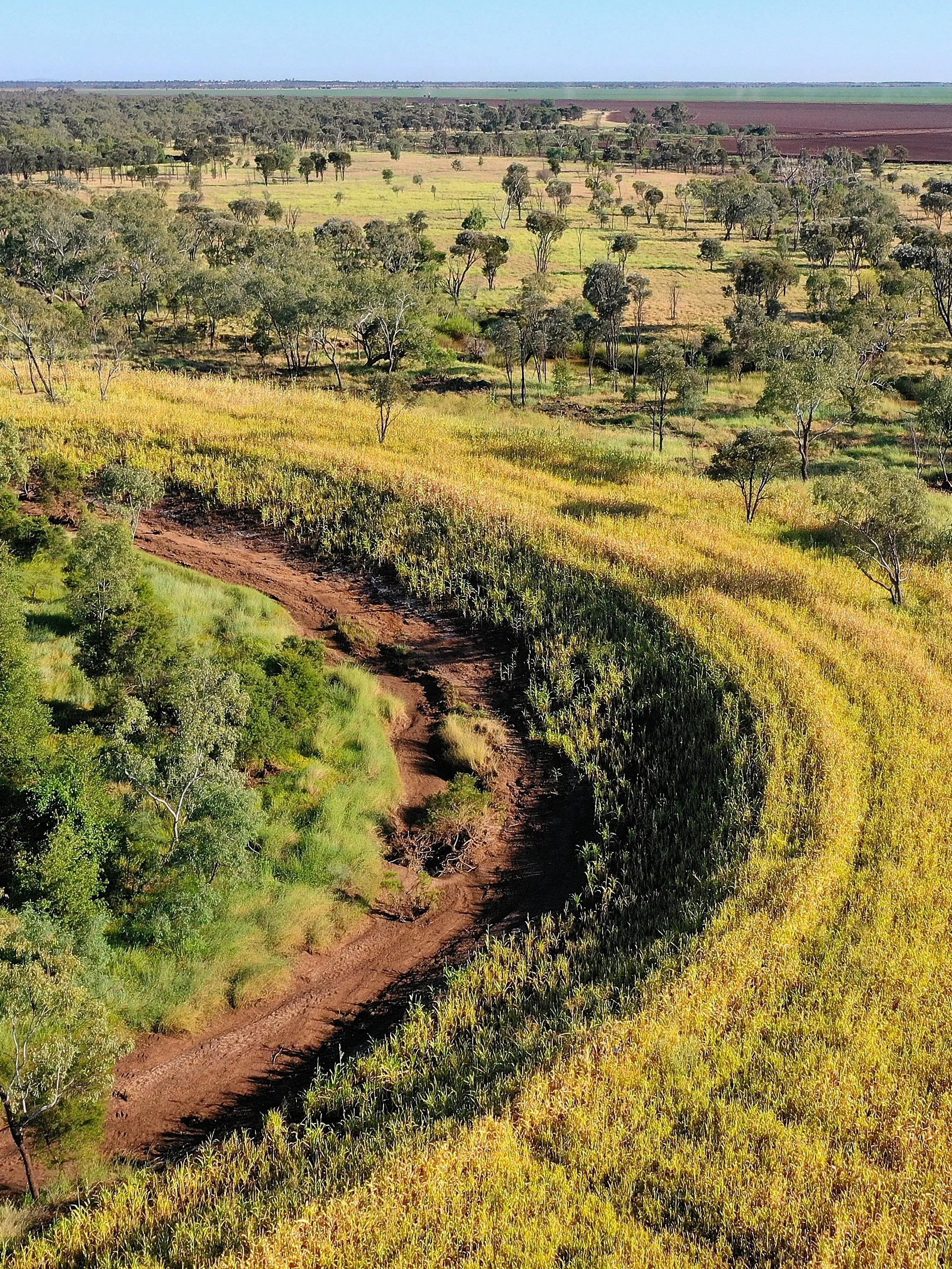
Bowen Gully Rehabilitation Project: A Foundational Reef Credit Project
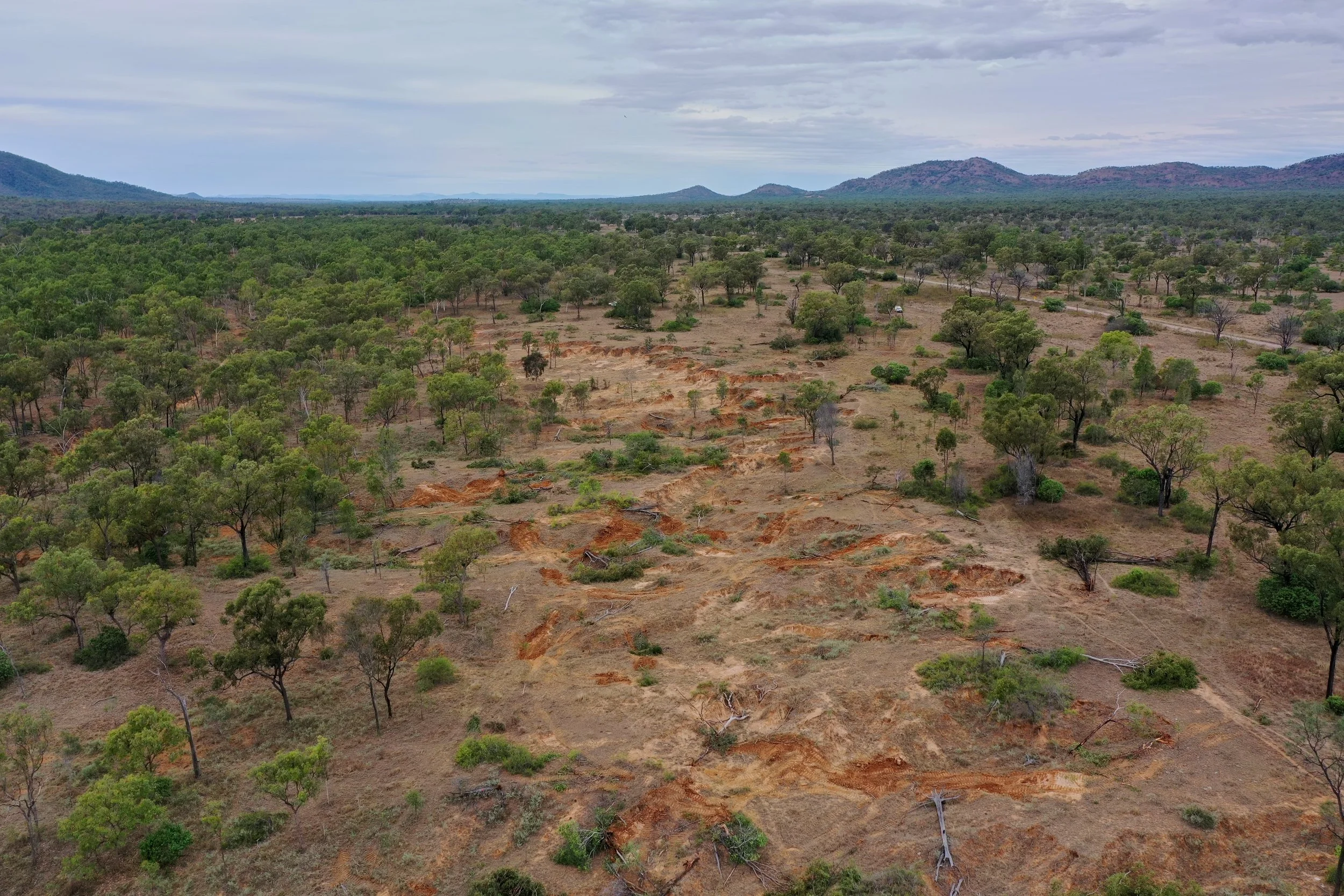
Queensland’s Bowen River catchment has the dubious honour of being home to some of the highest sediment loads entering the Great Barrier Reef. But now, a groundbreaking project aims to help change that by setting a new benchmark for privately funded gully repair.
Operating under the Reef Credits Gully Method, the Bowen Gully Rehabilitation Project, completed construction in September, and has the potential to reduce sediment load to the Great Barrier Reef by up to 500 tonnes per year. Verterra Ecological Engineering delivered the project, leveraging its deep expertise in land rehabilitation and soil amelioration to deliver a solution that will transform the eroded landscape and help safeguard the future of the Great Barrier Reef.