
Proving Restoration Performance: Why Monitoring Must Evolve
As expectations around mine-site rehabilitation and restoration outcomes continue to rise, monitoring of performance is becoming as critical as implementation.
Regulators, investors and communities are no longer satisfied with evidence of activity. They require confidence that restoration outcomes are progressing toward stable, functional ecosystems that are capable of enduring without intervention.
This shift is driving a new monitoring standard: performance intelligence and verification.
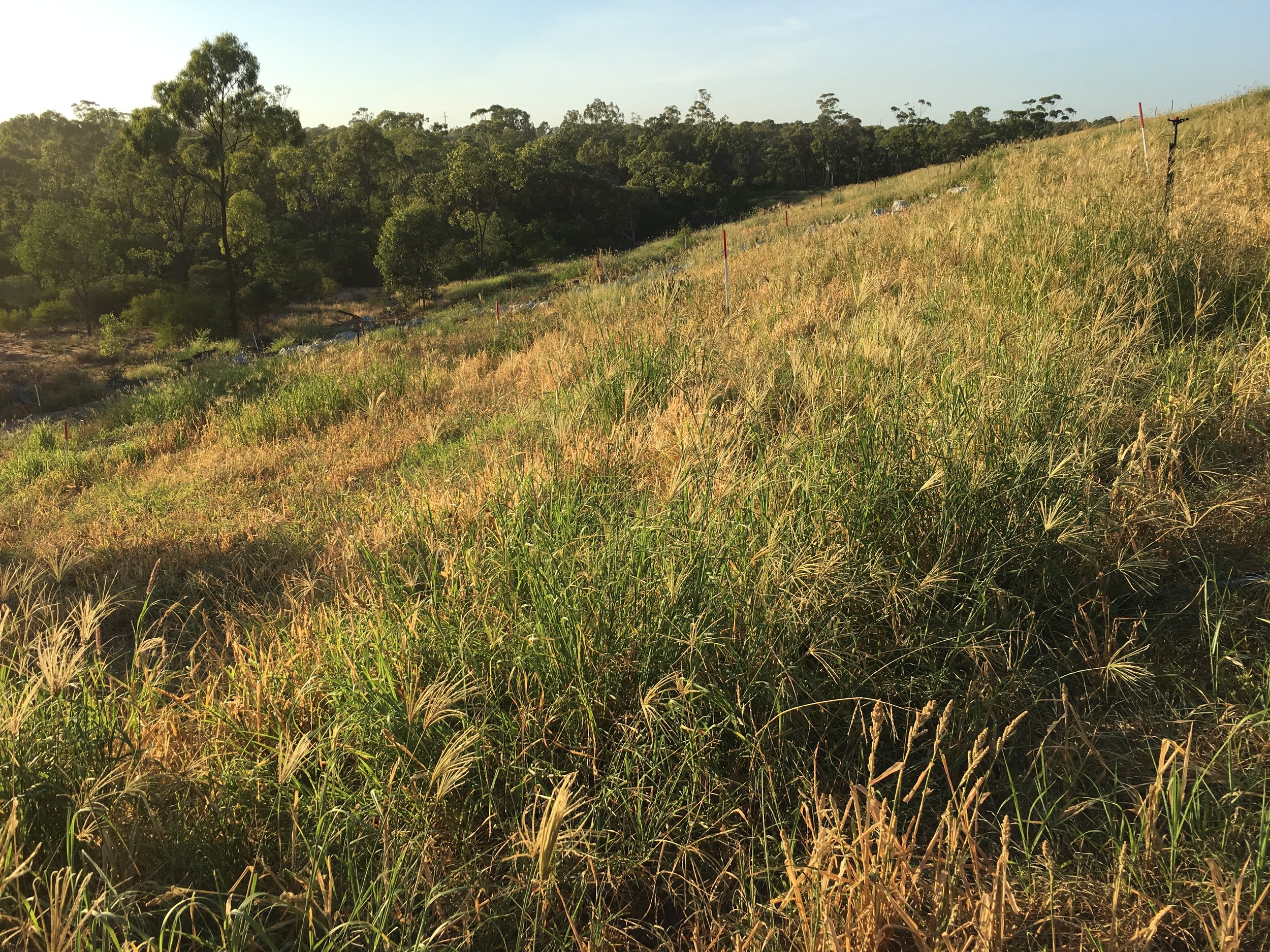
Verterra is leading the evolution of mine rehabilitation monitoring from observation, to verification of performance.
Monitoring is evolving from observation to verification
Historically, restoration monitoring often focused on visible indicators such as vegetation cover or survival rates. While useful, these measures alone cannot confirm whether ecosystems are stabilising or will function as intended as they mature.
Today, environmental performance must be:
Measurable,
Repeatable,
Defensible, and
Aligned with compliance and closure objectives.
This requires monitoring frameworks grounded in ecological function and landscape processes – enter VerterraPROVE.
Understanding vegetation indicators within landscape context
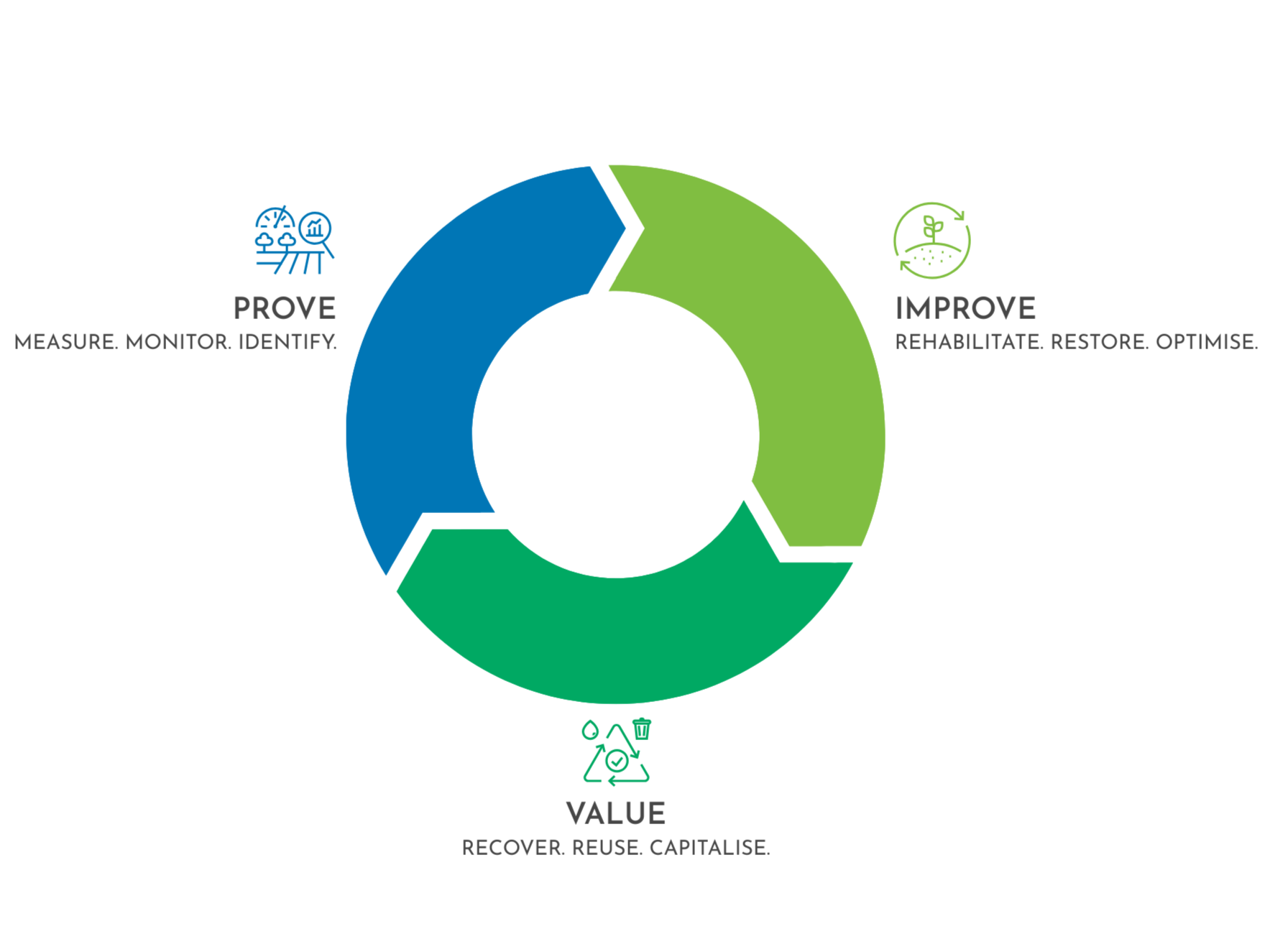
Vegetation condition and cover remain essential indicators of rehabilitation progress. Healthy vegetation establishment often reflects improving soil stability, reduced erosion risk, and positive recovery trajectory.
However, vegetation metrics alone cannot fully confirm landscape stability or long-term performance.
For example:
Vegetation may establish while erosion persists in surrounding areas,
Early cover can mask surface instability or sediment movement,
Plant vigour may decline over time if underlying soil or hydrological constraints remain,
Recovery trajectory can vary across a site depending on landscape position.
Understanding how vegetation trends interact with erosion processes, soil stability, and landscape function provides a more complete picture of rehabilitation performance. This concept underpins Verterra’s PROVE – IMPROVE – VALUE Performance Ecosystem.
A performance-based approach to restoration monitoring
VerterraPROVE provides independent performance monitoring and verification at landscape-scale using a combination of the Revised Universal Soil Loss Equation (RUSLE) and Dynamic Reference Cover Modelling (DRCM) - a peer-reviewed methodology that identifies locally relevant dynamic reference points.
This approach enables operators to track restoration trajectory based on real-time local conditions, demonstrate compliance confidence, and identify risks early.
Core performance indicators identified by VerterraPROVE include:
-
High-resolution erosion assessment enables early identification of landscape instability and sediment mobilisation risks.
-
Tracking vegetation establishment and change over time provides insight into trajectory and recovery progress.
-
Assessment of vegetation structure and vigour provides a clearer picture of ecological performance.
-
Site performance is measured against locally relevant control points that experience the same climatic conditions as the restoration area. This ensures outcomes are assessed within an appropriate ecological context rather than generic averages.
Together, these indicators provide a comprehensive and locally relevant picture of ecosystem recovery and resilience.
Beyond baseline monitoring
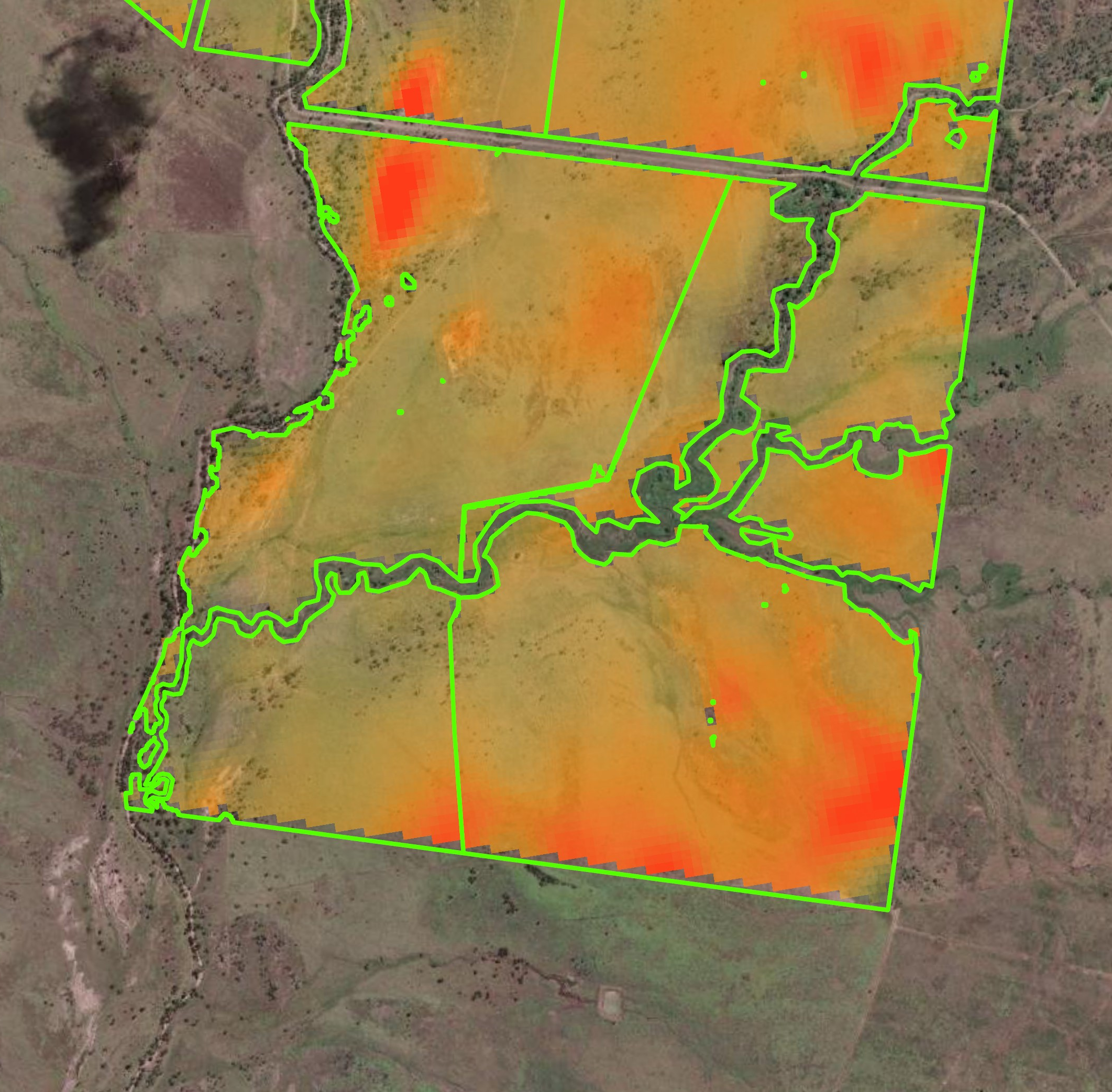
VerterraPROVE can also integrate a range of digital inputs such as LiDAR, rainfall, landform design, and high-resolution imagery to provide tailored monitoring and support for site-specific reporting requirements.
This includes:
Tracking performance against design objectives and approval conditions,
Aligning monitoring with closure criteria and rehabilitation success metrics,
Compliance-ready reporting and spatial analytics,
Data visualisation to support stakeholder communication.
This expanded monitoring framework supports regulatory submissions, ESG reporting and stakeholder transparency.
Early detection reduces long-term risk
VerterraPROVE’s performance intelligence is not only about compliance - it is a risk management tool.
Early detection of emerging issues allows corrective action before problems escalate into costly rework, regulatory concern or long-term liability.
Monitoring that integrates erosion risk, vegetation performance and ecosystem function enables operators to:
Identify instability before failure occurs,
Improve vegetation survival and resilience,
Demonstrate progress toward closure criteria,
Strengthen environmental performance reporting.
Independent verification builds confidence
As environmental scrutiny intensifies, independently verified performance data provides confidence to regulators, investors and communities.
Peer-reviewed methodologies and transparent performance metrics ensure monitoring outcomes are credible, repeatable, and defensible - confidence that is increasingly essential in demonstrating responsible land stewardship and achieving closure objectives.
From monitoring to measurable outcomes
Restoration success is not defined at the point of implementation. It is demonstrated over time through stable soils, resilient vegetation and functioning ecosystems.
Performance-based monitoring provides the evidence required to confirm that rehabilitation efforts are delivering lasting outcomes.
Because restoration success is not simply observed - it is proven.