
Queensland’s Native Forestry Framework: What has changed and What Comes Next
By Andrew Yates
Good regulation is essential for a thriving and responsible forestry industry. It helps protect workers, maintain environmental values, respect cultural heritage and ensure forest resources are managed sustainably.
But the effectiveness of regulation can depend on more than the number of rules in place. Operators must also be able to understand those rules, determine how they apply in the field and demonstrate that their obligations have been met.
In 2023, the South & Central Queensland Regional Forestry Hub commissioned Verterra to assess the regulatory framework applying to native forestry operations on Queensland state land. The review identified a highly regulated industry navigating a complex collection of legislation, policies, codes of practice, permits and operational guidance administered across multiple government agencies and other bodies.
Three years later, Queensland’s forestry industry has pulled back on harvesting native timber in South East Queensland. However, demand for native timber remains the same, and the regulatory and operating environment continues to evolve.
In this article, we’ll consider whether the framework has become easier for operators to navigate, and what will be needed in the future to turn clearer policy direction into better outcomes on the ground?
What the 2023 assessment found
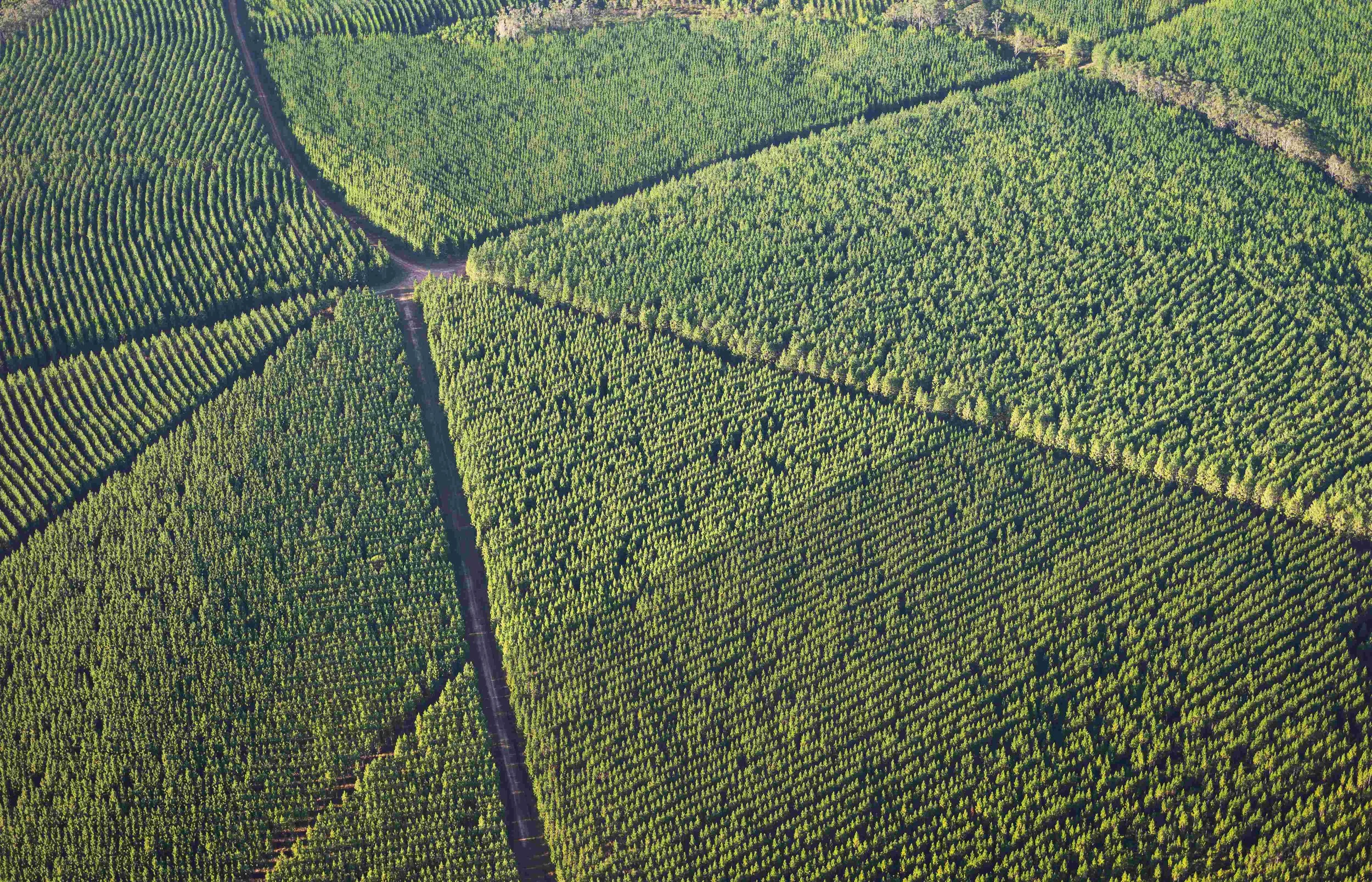
Queensland contains approximately 52 million hectares of native forest, but this does not mean all available forest is harvested. Only a fraction is estimated to be selectively harvested each year across state-owned and privately owned native forests.
Operators working within this landscape must comply with requirements extending well beyond the Forestry Act. Depending on the location and nature of an operation, responsibilities can arise across environmental protection, workplace health and safety, biosecurity, transport, fire management, planning, protected species and cultural heritage.
Verterra’s assessment grouped these requirements into four core areas of responsibility:
Sustainable forestry
Environmental protection
Worker health and safety
Cultural heritage
Each area is important, and each regulatory layer is intended to uphold legitimate standards. However, the risk identified by the review was the cumulative complexity of the system.
Requirements were distributed across numerous laws, regulations, policies, codes and guidance documents. Responsibilities were shared between different agencies, permittees, contractors and land managers. Some documents were outdated, difficult to interpret or not well aligned with other parts of the system.
At the same time, the industry was transitioning towards greater self-assessment as traditional government extension and direct operational support declined. This placed more responsibility on operators to understand the framework, translate it into operational decisions and maintain evidence of compliance.
The assessment concluded that this complexity created a significant compliance risk. It recommended clearer guidance, coordinated training, ongoing technical support and opportunities to streamline requirements without compromising the safeguards they were intended to provide.
What has changed since 2023?
The most significant development has been the release of the Queensland Future Timber Plan 2050.
Released in October 2025, the plan establishes a 25-year direction for Queensland’s forestry and timber industry. It provides greater certainty about future timber supply, supports the expansion of the plantation estate, and commits to modernising forest management systems.
For the native forestry sector, the plan confirms that environmentally responsible selective harvesting will continue in state-owned and privately owned forests outside southeast Queensland. New sales permits for state-owned native hardwood supply are expected to provide continuity beyond the previous 2026 arrangements.
This is a material change from the context in which Verterra’s assessment was completed. At that time, the future of state-owned timber production in several regions remained uncertain.
The geographic operating environment has also changed. Native timber harvesting has now ended in state-owned forests within the Southeast Queensland Regional Plan area, following the 31 December 2024 deadline established under earlier government arrangements.
Forestry is still administered by the Queensland Department of Primary Industries. Queensland has strengthened aspects of its workplace health and safety framework, while planning, biosecurity and vegetation management requirements continue to interact with forestry activities.
At the federal level, major environmental reforms passed in late 2025 have established a new National Environmental Protection Agency and will progressively introduce new standards, compliance arrangements and assessment processes.
These developments illustrate an important distinction: greater policy does not necessarily mean less regulatory complexity.
What has not changed?
Although the policy landscape has evolved, the central implementation challenge identified in 2023 remains relevant.
Forestry operators must still translate obligations from multiple sources into practical decisions about:
Harvest planning and tree selection
Roads, tracks and watercourse crossings
Protected species and habitat management
Biosecurity, weeds and vehicle washdown
Machinery operation and worker safety
Cultural heritage awareness and due diligence
Rehabilitation, monitoring and reporting
These responsibilities frequently interact.
A decision about the location of a track, for example, may involve operational efficiency, worker safety, soil and water protection, habitat values, cultural heritage and the conditions of an operational harvesting plan. Understanding one requirement in isolation is therefore not enough.
Operators need to know which requirements apply, how they work together, who is responsible for each decision and what evidence must be retained to demonstrate compliance.
The four areas identified by the original review - sustainable forestry, environmental protection, worker safety and cultural heritage - remain the right outcomes against which the system should be assessed.
How is the framework likely to evolve?
The Queensland Future Timber Plan creates an opportunity to build a more coordinated and contemporary operating framework. Several trends are likely to shape its development.
Greater emphasis on evidence
As industry assumes more responsibility for assessment and compliance, operators will increasingly need to demonstrate how decisions were made and how standards were met.
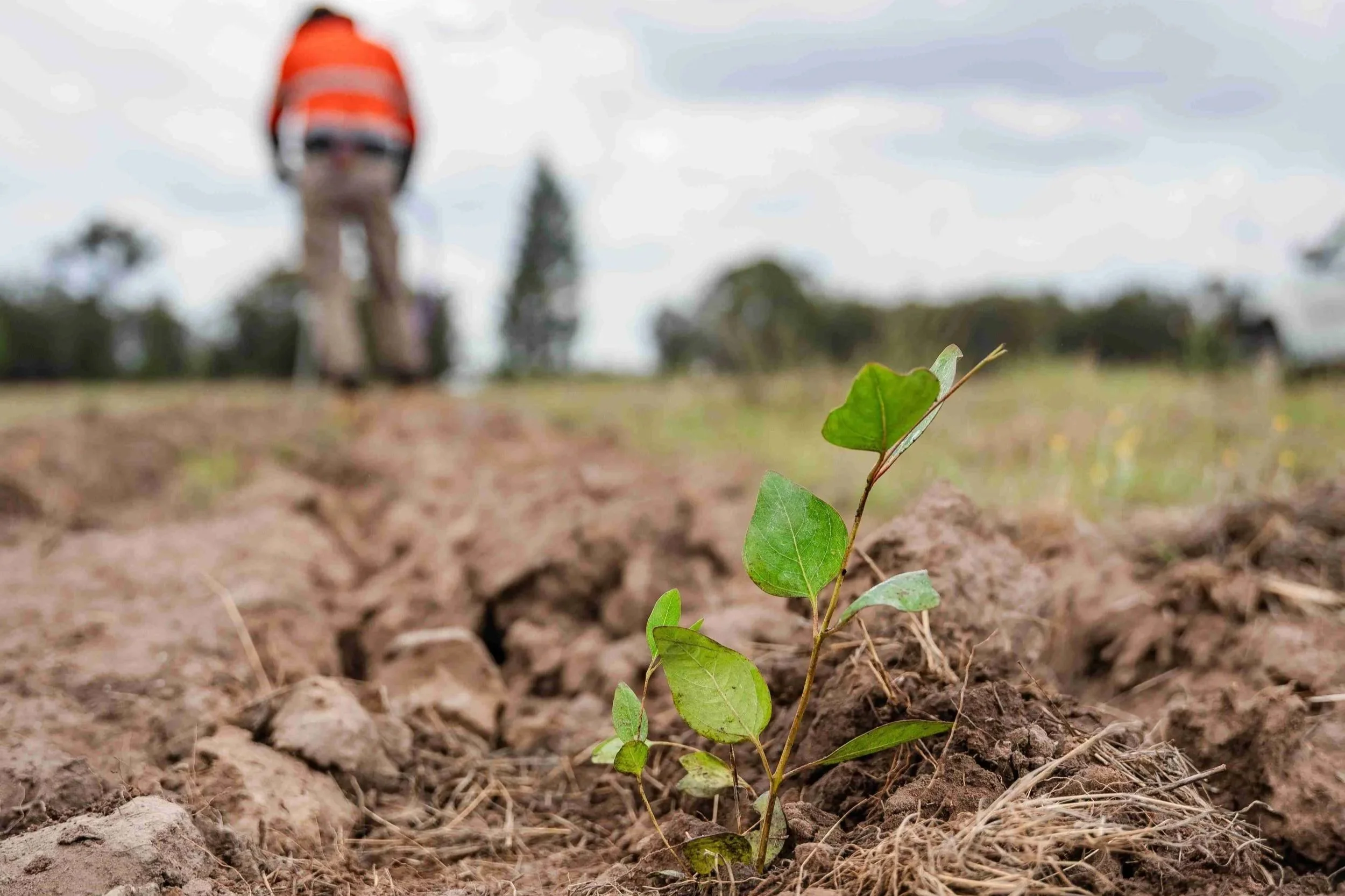
This will require reliable records, clearly documented processes, and objective evidence of environmental and operational performance. Compliance will increasingly be about demonstrating outcomes, not simply confirming that a process was followed.
To understand more about environmental performance, read this article: Planting isn’t restoration. What really determines rehabilitation success
More spatial information and monitoring
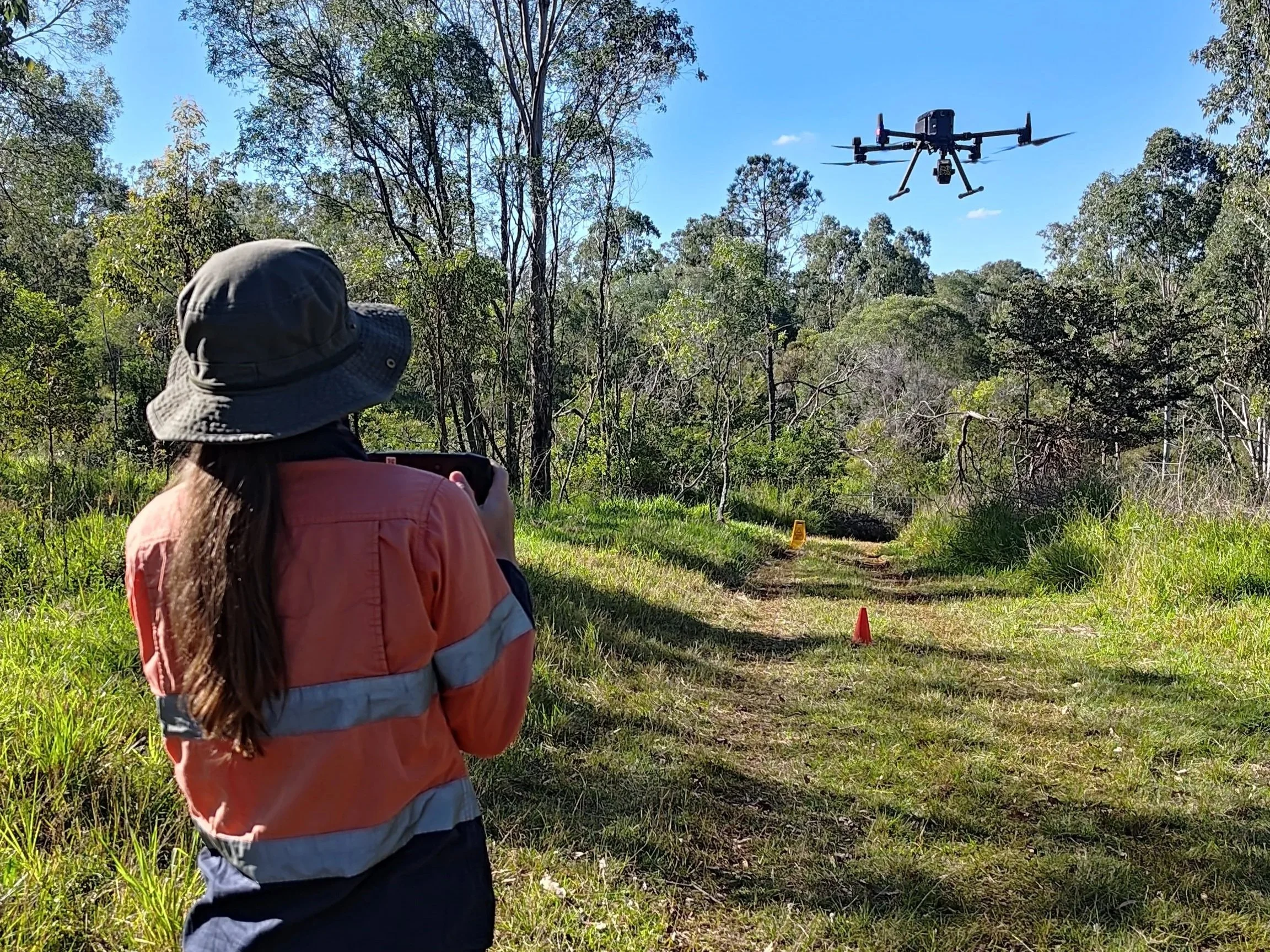
Spatial data, field-based ecological assessment, remote sensing and ongoing monitoring have the potential to improve forest planning and compliance.
Used effectively, these tools can help identify environmental and cultural values, inform operational decisions, monitor change and provide credible evidence that management requirements are being achieved.
Technology will not remove the need for forestry and ecological expertise. Its value lies in making that expertise more consistent, transparent and scalable.
Learn how Verterra is using ecological expertise to train new monitoring models in this article: From Monitoring to Environmental Performance Intelligence
Increasing environmental scrutiny
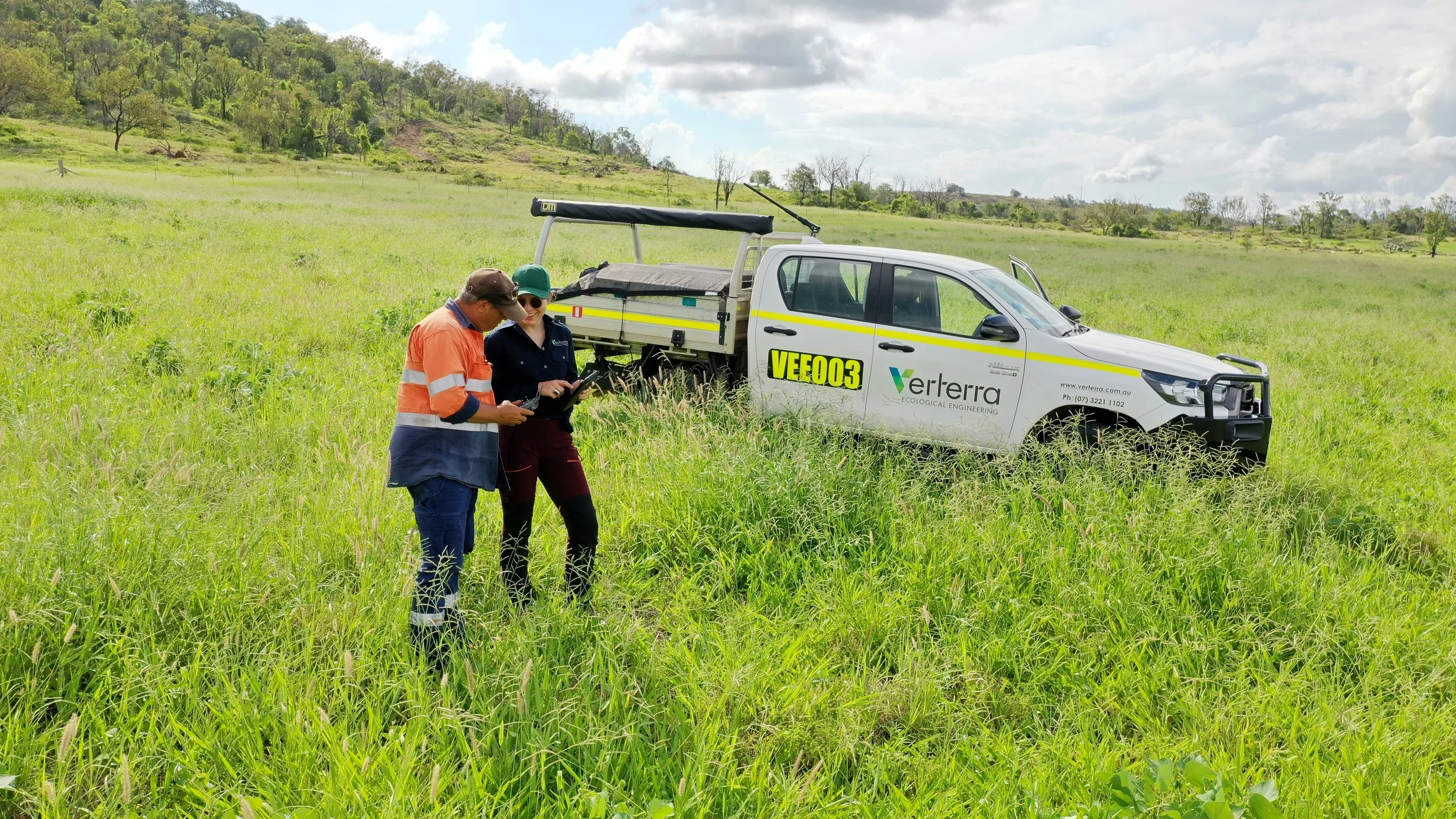
The establishment of a national environmental regulator and the development of new federal standards will increase expectations for transparent and defensible environmental decision-making.
Community expectations are also continuing to evolve. The industry will need to demonstrate not only that forestry operations are legally compliant, but that forest values are being understood and managed responsibly.
Stronger integration of cultural heritage
Cultural heritage obligations are likely to require earlier and more meaningful engagement with Traditional Owners.
Effective practice should move beyond treating cultural heritage as a procedural check immediately before operations. It requires respectful relationships, appropriate assessment and the integration of cultural knowledge into planning and management where relevant.
A need for living guidance
Legislation, policy, agency responsibilities, technology and scientific knowledge will continue to change. Static manuals and occasional training programs can quickly become outdated.
The industry needs guidance that is actively maintained, supported by practical training and accessible to the people making decisions in the field.
From policy certainty to operational capability
The recommendations made in 2023 remain relevant, but the new policy environment provides an opportunity to take them further.
Effective implementation will require:
A clearly maintained source of current regulatory guidance
Practical training tailored to different operational roles
Better alignment between agencies, codes, permits and operating documents
Continuing access to technical advice and extension support
Clear accountability across government, permittees and contractors
Systems that help operators plan, record, monitor and report
Regular evaluation of whether requirements are delivering their intended outcomes
Streamlining does not need to mean lowering standards. Done well, it can make responsibilities clearer, reduce duplication and allow operators and regulators to focus more closely on the outcomes that matter.
Queensland now has a clearer long-term direction for its forestry and timber industry than it did when Verterra completed the original assessment. The next step is ensuring the regulatory framework supports that direction in practice.
Successful regulation should not be measured by the number of rules in place. It should be measured by whether operators are equipped to understand and apply them - creating safer workplaces, maintaining healthy forests, managing resources sustainably and respecting cultural heritage.
Access the full 2023 report through South & Central Queensland Regional Forestry Hub.

Andrew Yates is a Senior Land Resource Specialist with over 30 years of experience in forestry, land management, and ecosystem services. At Verterra, he serves as Sector Lead for Forestry and Ecosystem Markets, leads the ReValue Ecosystems solution suite, and works across DROVER Land Management, focusing on the development of environmental market opportunities that are aligned with agricultural productivity. He is a trusted advisor on forestry and nature-based solutions, including rehabilitation and landscape-scale restoration initiatives.