
Latest Insights
Insights on ecological engineering, mine rehabilitation, landscape rehabilitation, water reuse, biosolids, revegetation, forestry and natural capital from Verterra’s team of scientists and engineers.
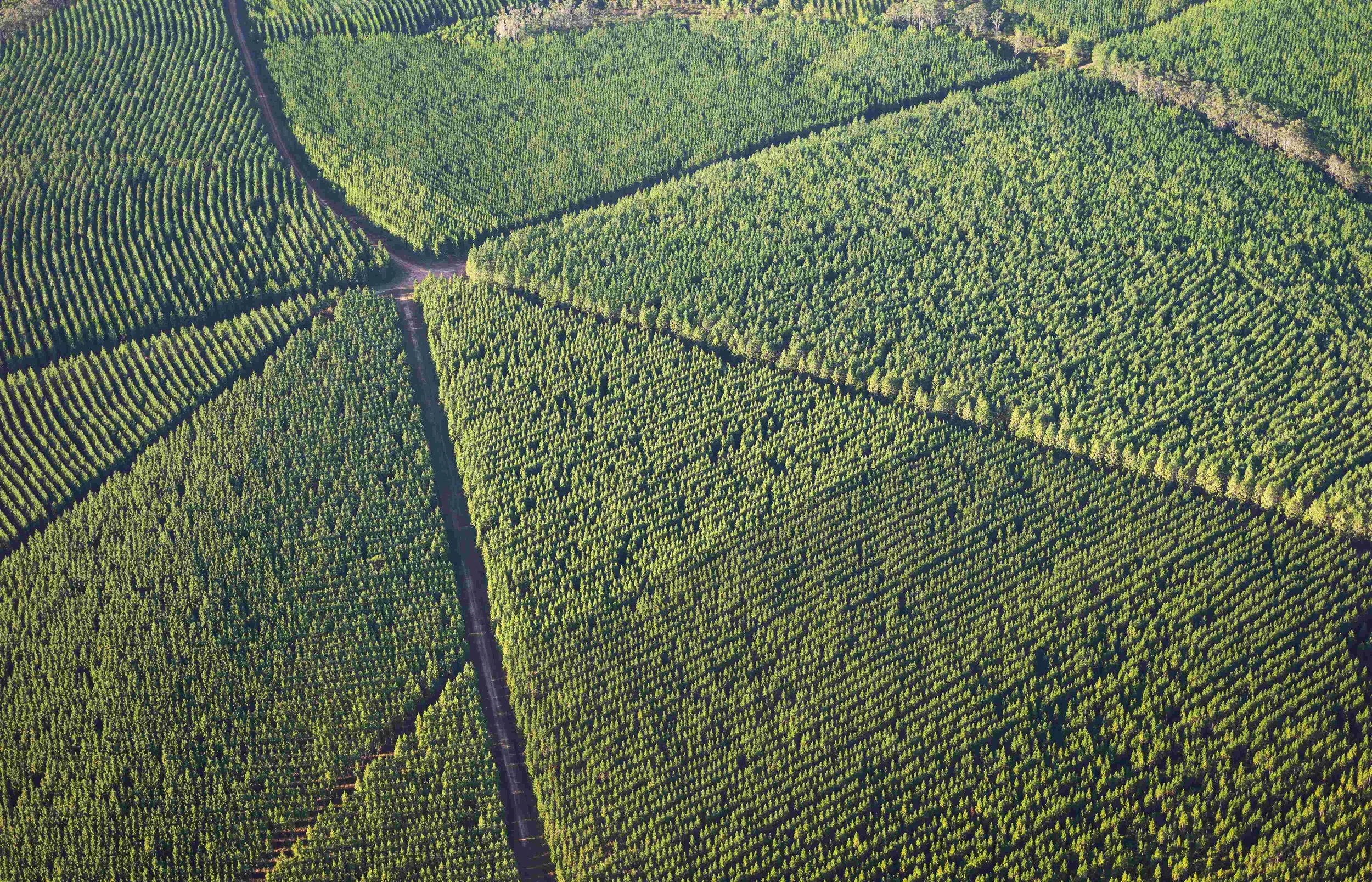
Queensland’s Native Forestry Framework: What has changed and What Comes Next
Good regulation is essential for a thriving and responsible forestry industry. But the effectiveness of regulation can depend on more than the number of rules in place. Operators must also be able to understand those rules, determine how they apply in the field and demonstrate that their obligations have been met.
Three years on from a detailed assessment of the regulatory framework applying to native forestry opertations on Queensland State land, the forestry industry has pulled back on harvesting native timber in South East Queensland. However, demand for native timber remains the same, and the regulatory and operating environment continues to evolve.
In this article, Andrew Yates considers whether the framework has become easier for operators to navigate, and what will be needed in the future to turn clearer policy direction into better outcomes on the ground?
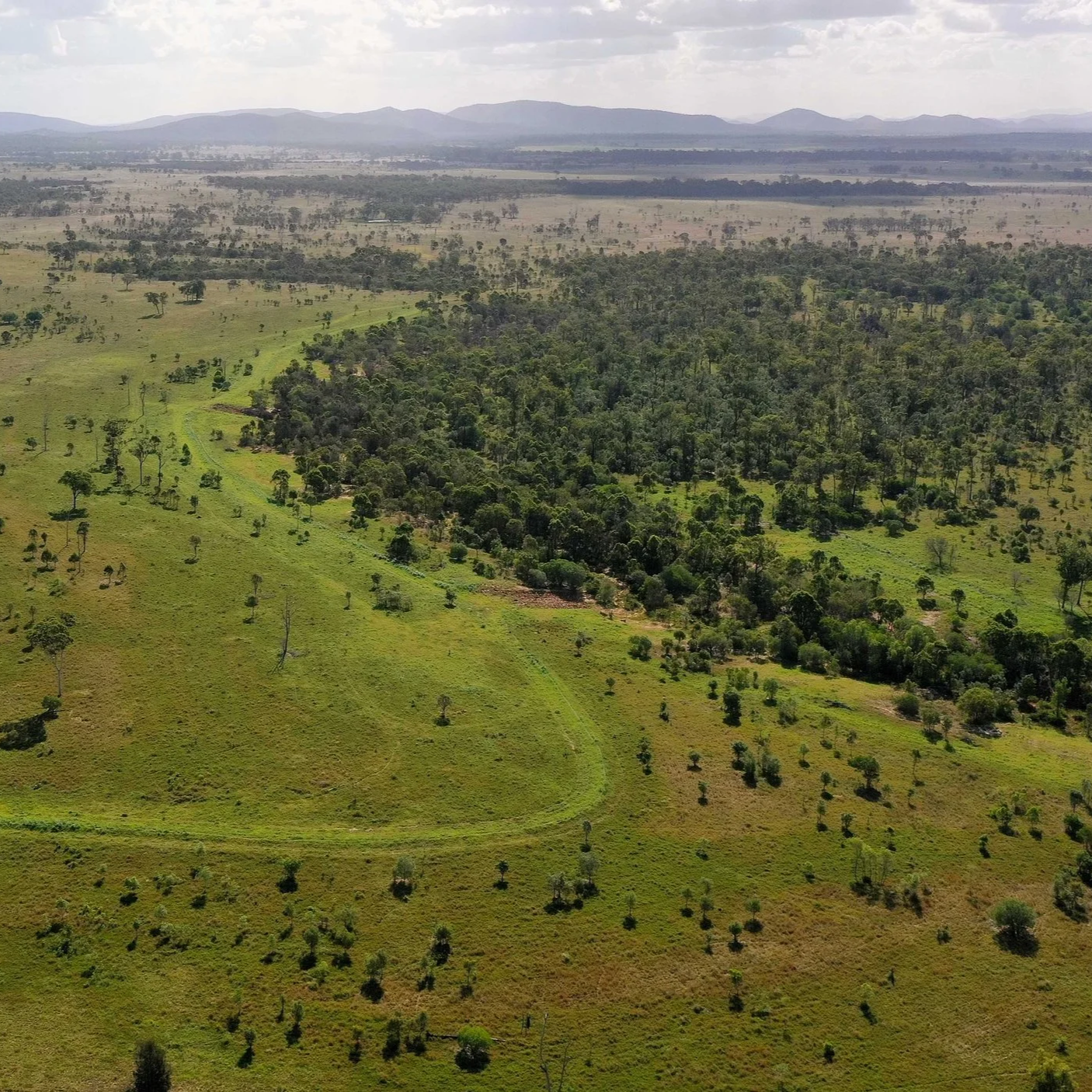
Why the Future of Natural Capital Investment Depends on Best and Highest Land Use
Natural capital investment is accelerating globally. The Taskforce for Nature-Related Financial Disclosure (TNFD) and climate-related reporting frameworks are increasing corporate demand for credible ecosystem outcomes and nature-positive investment. But as investment grows, an important question is emerging:
What actually makes landscapes perform over the long term?
Not just financially, but ecologically, operationally, socially and economically.
Because long-term value is not created by isolated projects. It is created by landscapes that function as integrated systems, delivering diversified revenue streams and strong financial returns, while improving landscape function, biodiversity and catchment health.

Markets Matter, But Ecological Performance Matters More
Environmental markets are attracting new attention in Australia - and rightly so.
They have the potential to direct private capital into some of our biggest environmental and economic challenges: carbon reduction, biodiversity recovery, water quality improvement, landscape restoration and regional resilience.
What they achieve matters. Because the scale of repair required across Australia’s landscapes cannot be funded by government alone. Markets can help mobilise investment, reward stewardship and accelerate action where it is needed most.
But markets are not the whole solution.
Long-term environmental value is created when the underlying system functions -when soil, water, vegetation and biodiversity work together in a way that supports both ecological health and human needs.
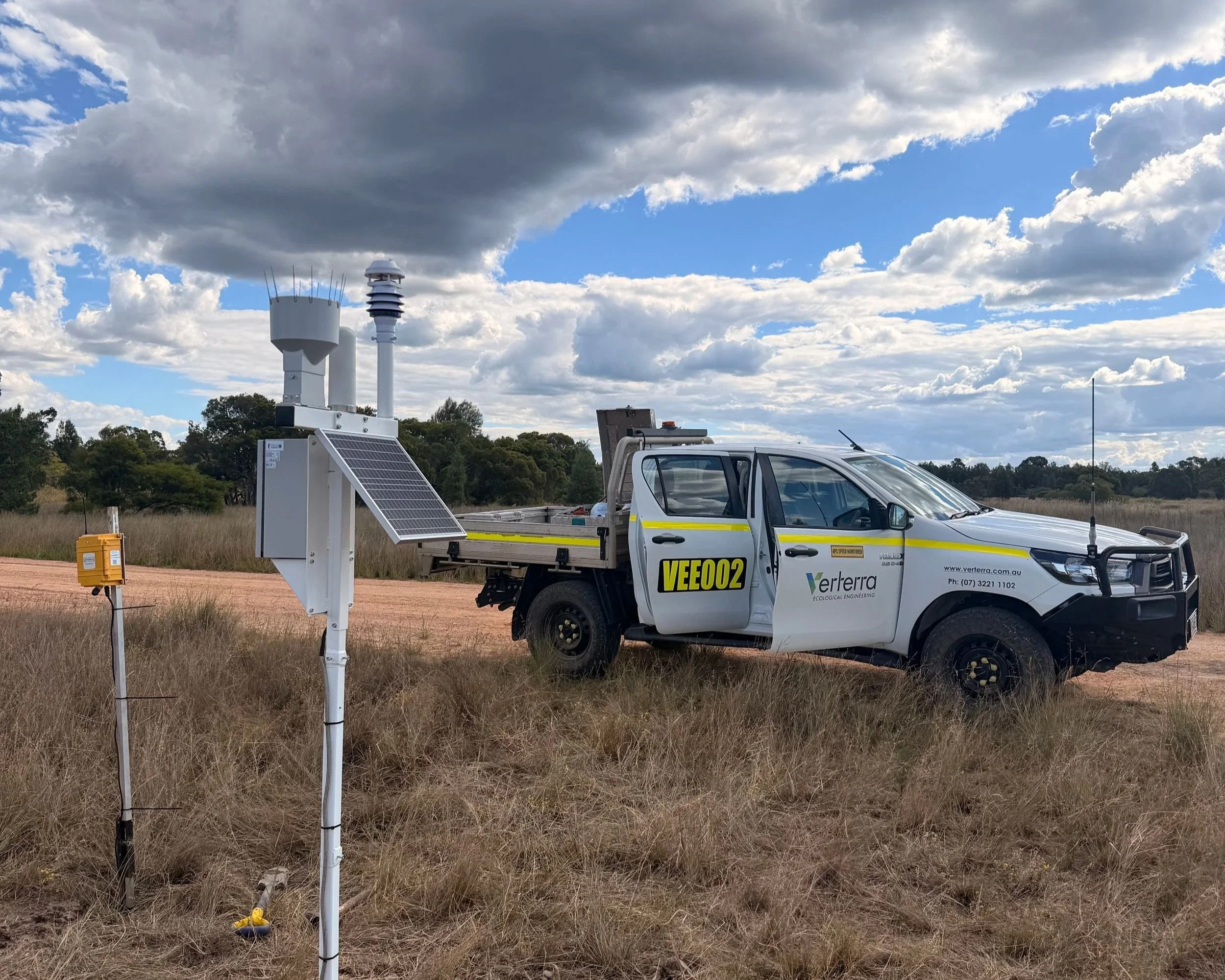
The $13k Investment That Can save Millions in Landscape Rehabilitation Delivery
In landscape rehabilitation, success isn’t just determined by what you do, but also when you do it.
Rainfall, soil moisture, wind and temperature all influence whether work can proceed, whether plants establish, and how systems perform over time.
Many projects still rely on distant weather stations or historical averages to guide critical decisions, but in reality, site conditions don’t always match the forecast.
Installing a site-based weather station changes how rehabilitation projects are planned and delivered.

Why Australia Imports Fertiliser While Exporting Nutrients Every Day
Global concern over fertiliser supply chains has again highlighted a hard truth for Australian agriculture: we rely heavily on imported nutrients to sustain production. Our level of dependence leaves farmers exposed to the type of freight disruptions, currency movement and geopolitical shock the war between America, Israel and Iran has recently instigated.
Australia may import fertiliser, but at the same time, we allow valuable nutrients to leave productive systems every day. The real opportunity is not simply securing more fertiliser. It is building better nutrient cycling.
Designing the Performance Ecosystem: How Natural Capital Can Balance Profit and Planet
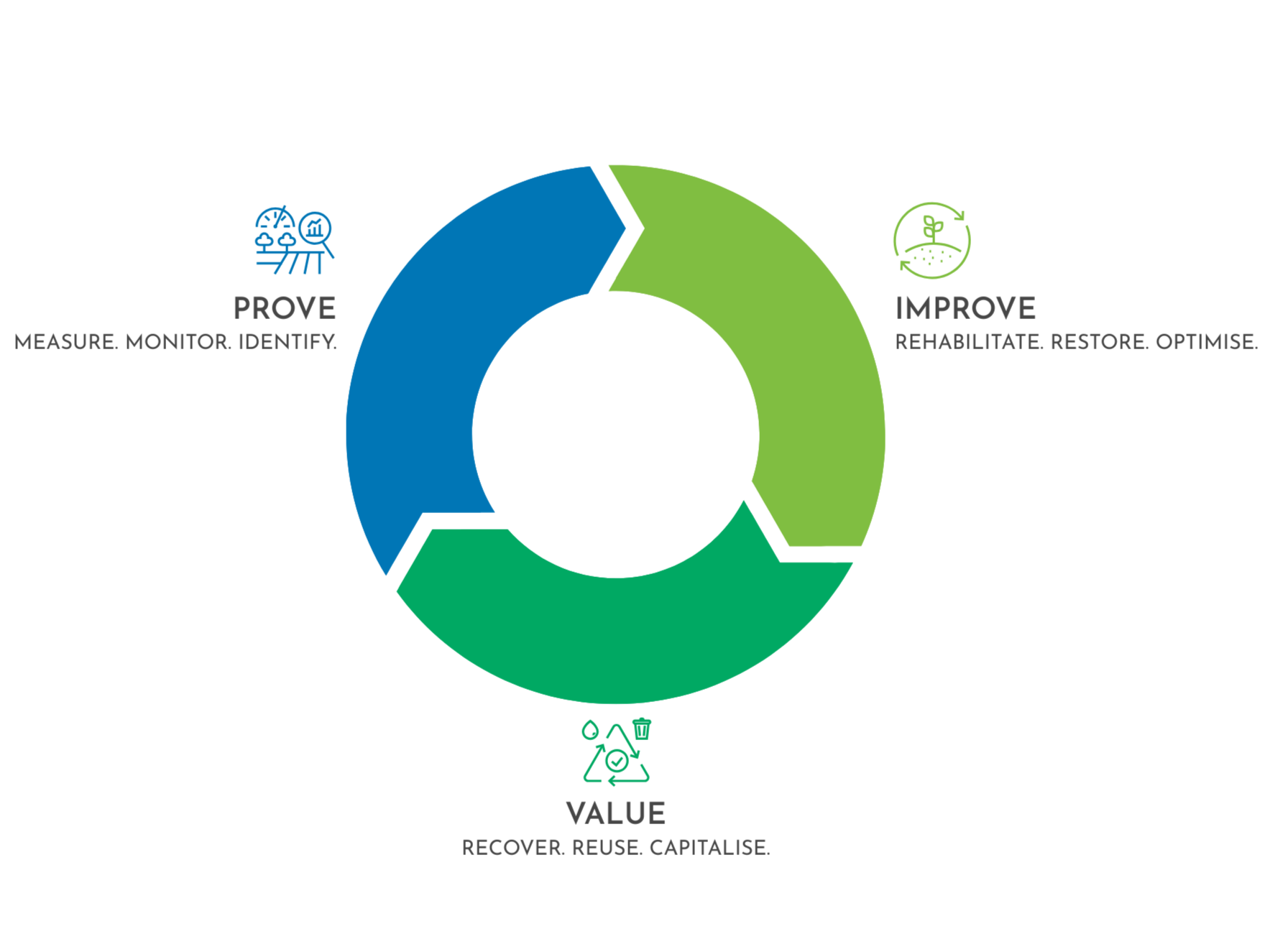
Across the investment world, the term natural capital is now being spoken in the same breath as infrastructure assets. It represents a profound shift in mindset: recognising that nature is not just scenery or sentiment, but capital - productive, measurable, and essential to every other form of wealth. It recognises that the economy is not separate from nature, but exists within nature, and sustaining the environment around us that supports the economy means putting a value on it. Based on ecological engineering principles, Verterra has build a blueprint for the next generation of natural capital investing - the Performance Ecosystem.
Why Soil Sampling is the Foundation of Successful Land Rehabilitation
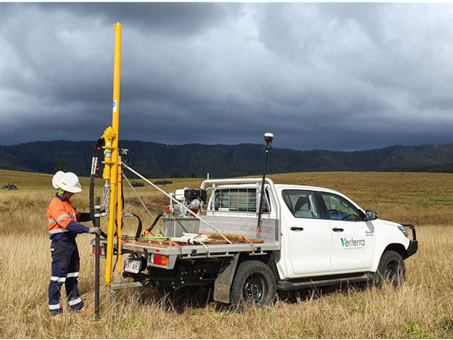
When land rehabilitation fails, the cause is rarely at the surface. Vegetation struggles to establish. Slopes erode. Water runs off instead of infiltrating. Closure criteria are missed. Carbon, forestry, or biodiversity projects underperform. And ultimately, remediation costs escalate.
In most cases, the problem can be traced back to one thing: the soil beneath our feet.
At Verterra, soil sampling is not a box-ticking exercise. It is the foundation of every successful rehabilitation, soil amelioration and land-performance outcome we deliver.
Biosolids in Australia: Separating Myths from Reality
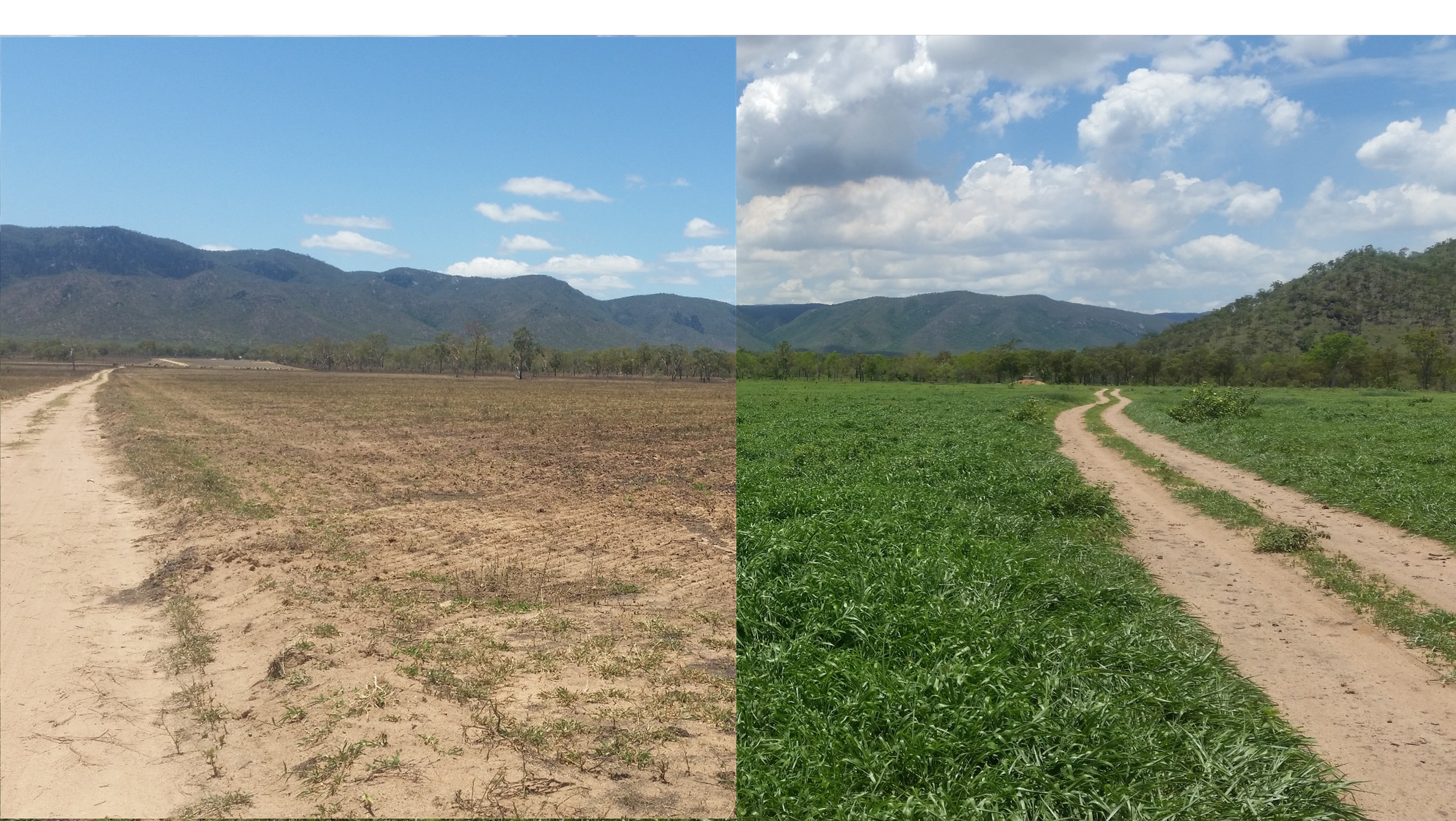
Across Australia, biosolids are becoming an increasingly valuable resource for improving soil health, boosting productivity and closing nutrient loops. Yet despite decades of safe use and clear state and national guidelines for usage, misconceptions still hold many landholders back from taking advantage of this opportunity.
At Verterra, we work with utilities, processors and farmers to develop safe, reliable and scientifically robust biosolids programs. Below, we break down some of the most common myths—and the real facts behind them.
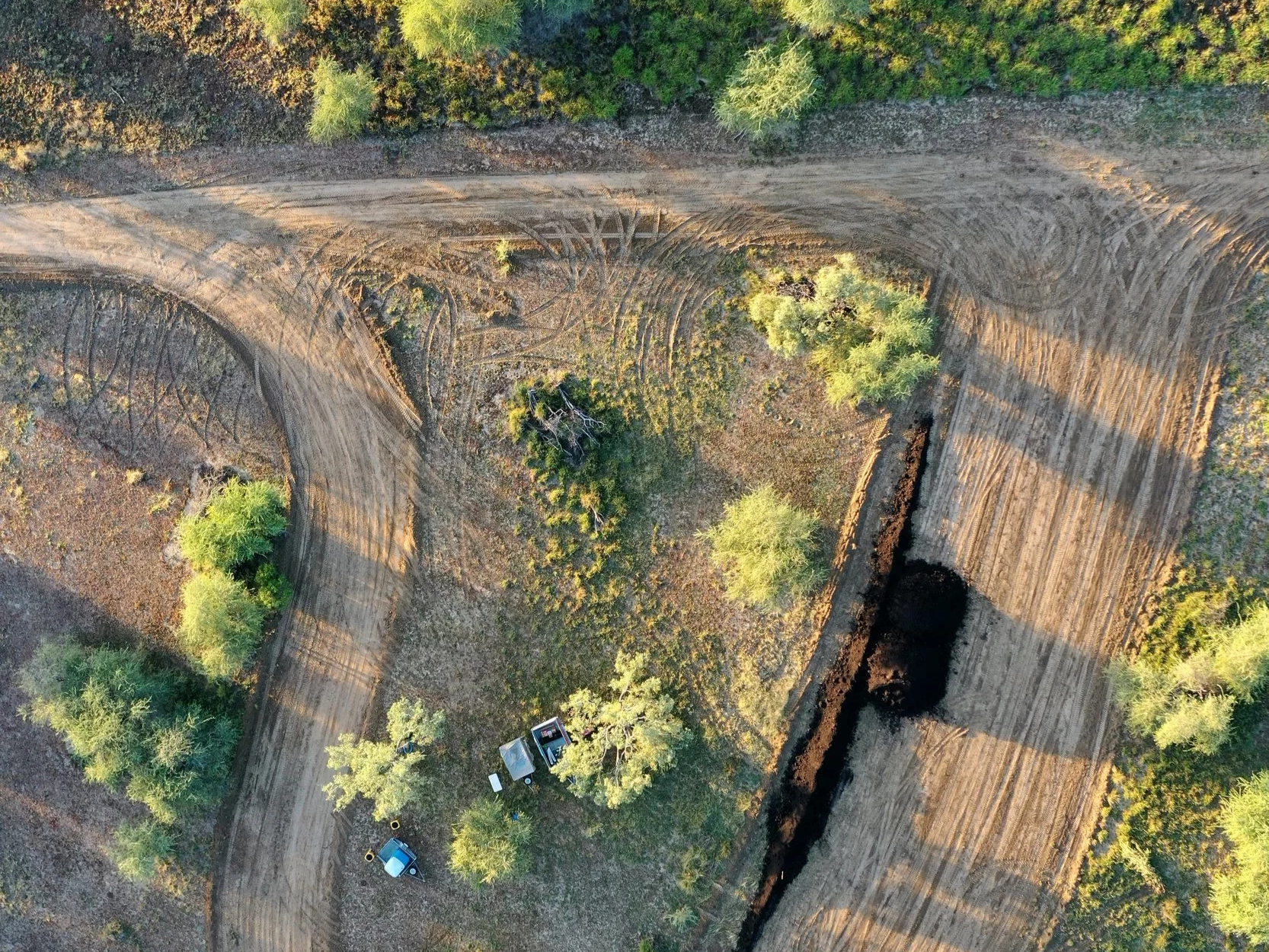
Bowen Gully Rehabilitation Project: A Foundational Reef Credit Project
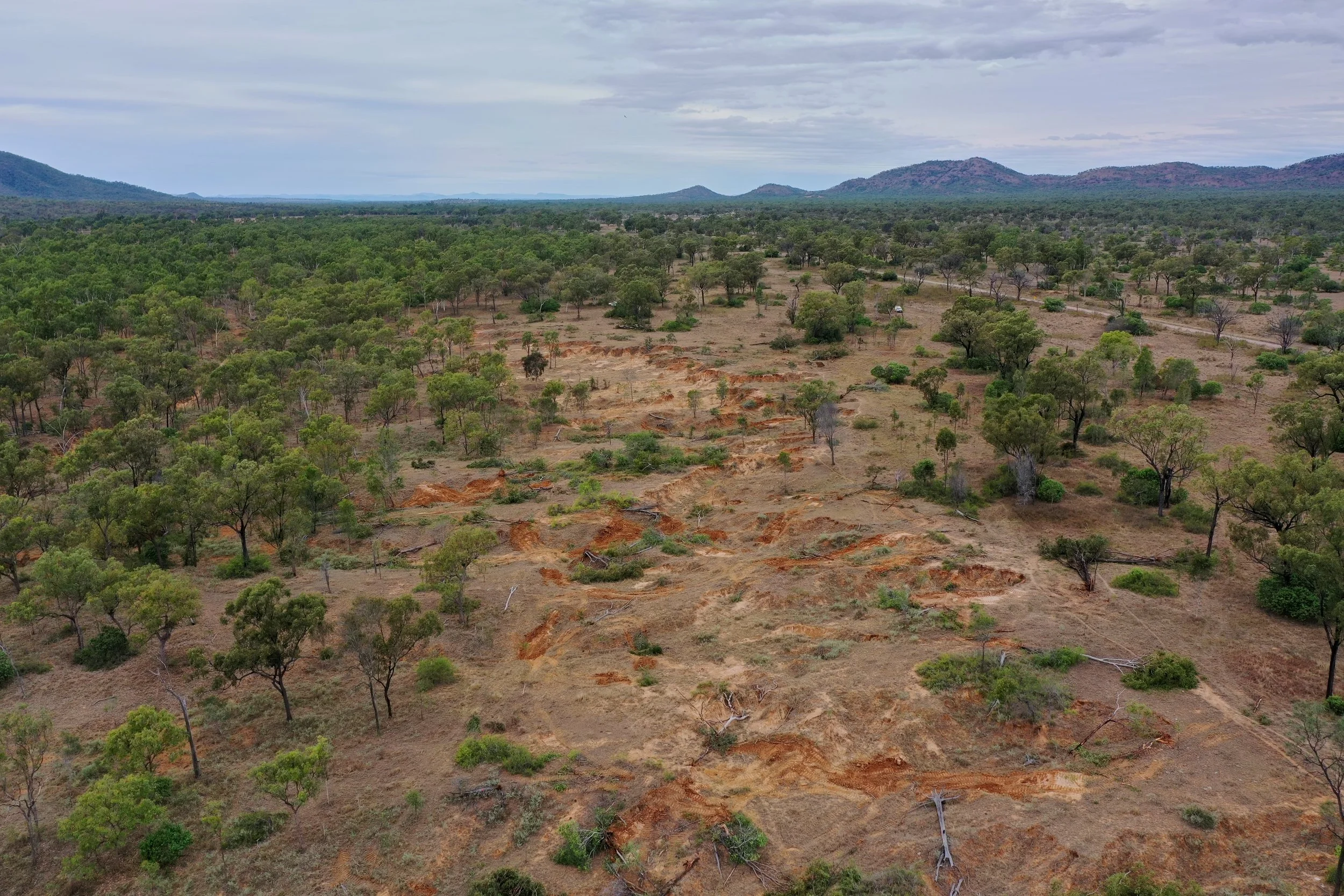
Queensland’s Bowen River catchment has the dubious honour of being home to some of the highest sediment loads entering the Great Barrier Reef. But now, a groundbreaking project aims to help change that by setting a new benchmark for privately funded gully repair.
Operating under the Reef Credits Gully Method, the Bowen Gully Rehabilitation Project, completed construction in September, and has the potential to reduce sediment load to the Great Barrier Reef by up to 500 tonnes per year. Verterra Ecological Engineering delivered the project, leveraging its deep expertise in land rehabilitation and soil amelioration to deliver a solution that will transform the eroded landscape and help safeguard the future of the Great Barrier Reef.

What Makes Reforestation Successful?
As demand for climate-positive land use grows, reforestation projects are becoming increasingly common across Australia. Whether driven by regulatory requirements, sustainability goals, or carbon market participation, these projects present an opportunity to restore native ecosystems but only if they’re planned and implemented with ecological integrity in mind. We spoke with one of Verterra’s environmental and forest scientists, Kristiina Marquardt, to explore what’s really required to design and deliver a successful reforestation effort.

Turning Natural Capital into Business Value in the Fitzroy Catchment
As the demand for measurable ESG outcomes accelerates, forward-thinking organisations are shifting from offset-based compliance to on-ground investment in natural capital. A leading example is the Fitzroy River Water Quality Improvement Project, delivered by Verterra Ecological Engineering.

What is Ecological Engineering? A Practical Pathway to ESG Impact
Ecological engineering is rapidly emerging as a critical tool for businesses under pressure to meet ESG expectations — not just on paper, but in practice. This isn’t a theoretical framework — it’s a proven approach Verterra has applied across mining, energy, infrastructure, agriculture, and urban development.

Expanding Australia's Carbon Sequestration Toolkit
While reforestation and environmental plantings remain vital tools, Australia's diverse landscapes offer many more innovative opportunities for carbon capture.

Climate change, biodiversity loss and mandatory reporting – what this means for industry.
The dual challenges of global warming and global biodiversity loss are now recognised as linked, and frameworks for global action have been agreed.

The Global Nature Positive Summit
Glenn Dale's reflection on the Global Nature Positive Summit, the first global dialogue aimed at exploring and initiating effective ways to realise global commitments under the December 2022 Kunming-Montreal Global Biodiversity Framework.