
Why Australia Imports Fertiliser While Exporting Nutrients Every Day
Global concern over fertiliser supply chains has again highlighted a hard truth for Australian agriculture: we rely heavily on imported nutrients to sustain production. Recent estimates suggest Australia used around 8.7 million tonnes of fertiliser in 2024, with 7.9 million tonnes imported. That level of dependence leaves farmers exposed to the type of freight disruptions, currency movement and geopolitical shock the war between America, Israel and Iran has recently instigated.
But supply chains are only half the story. Australia may import fertiliser, but at the same time, we allow valuable nutrients to leave productive systems every day - through harvested produce, soil erosion, runoff and underutilised organic waste streams.
The real opportunity is not simply securing more fertiliser. It is building better nutrient cycling.

By recycling nutrients and returning them to soils Australia can reduce its reliance on fertiliser imports.
Fertiliser Matters - But Dependence Carries Risk
Fertiliser has played a critical role in lifting yields and supporting modern farming systems. This is not an argument against fertiliser. It is an argument against overdependence.
When a nation imports a significant share of its nutrient inputs, producers become vulnerable to:
global supply disruptions
rising shipping costs
price volatility
delayed deliveries during key planting windows
volatile farm-gate margins
Australia cannot control global trade routes. But it can improve how nutrients move within its own economy.
Australia Exports Nutrients Every Harvest
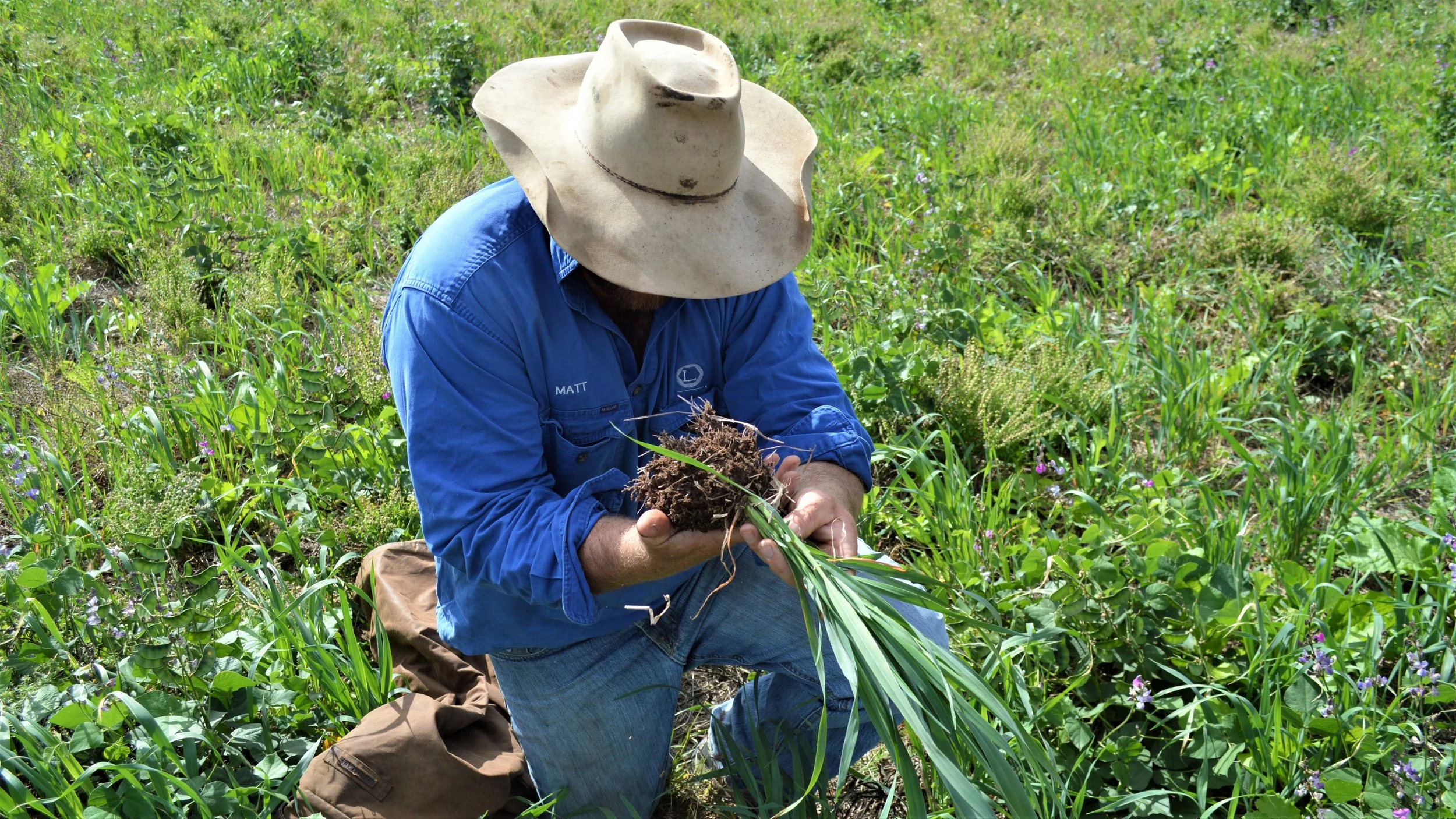
Every tonne of grain, fibre, meat or hay leaving a farm also carries nutrients that were built on that farm, either in the soil or added through inputs.
That is normal and expected in agriculture.
The issue arises when those nutrients are not effectively replenished through biological processes, recycled organics, improved soil function or smarter nutrient recovery systems.
At the same time, nutrients are also lost through soil erosion or sediment runoff, leaching, unmanaged organic residuals, or simply wastewater streams not being productively reused.
In effect, Australia is often replacing nutrients at one end of the system while losing them at the other.
Better Nutrient Cycling Is the Smarter Response
A recent article in BioCycle explored the benefits of nutrient cycling through biosolids reuse in dryland wheat systems in the United States. Researchers found that returning nutrients and organic matter to soil improved soil condition, increased water holding capacity and delivered higher wheat yields compared with conventional fertiliser-only treatments.
This lesson is highly relevant to Australia, because nutrient cycling means keeping nutrients in productive use for longer through strategies such as:
composting and recycled organics
use of biosolids (where appropriate and regulated)
manure and agricultural residual reuse
improving soil organic matter
reducing erosion losses
biological nutrient cycling through healthier soils
integrated water and nutrient reuse systems
This is not about replacing every fertiliser bag with waste products. It is about designing more resilient systems that are less reliant on fertiliser imports.
Why It Matters in Australian Conditions
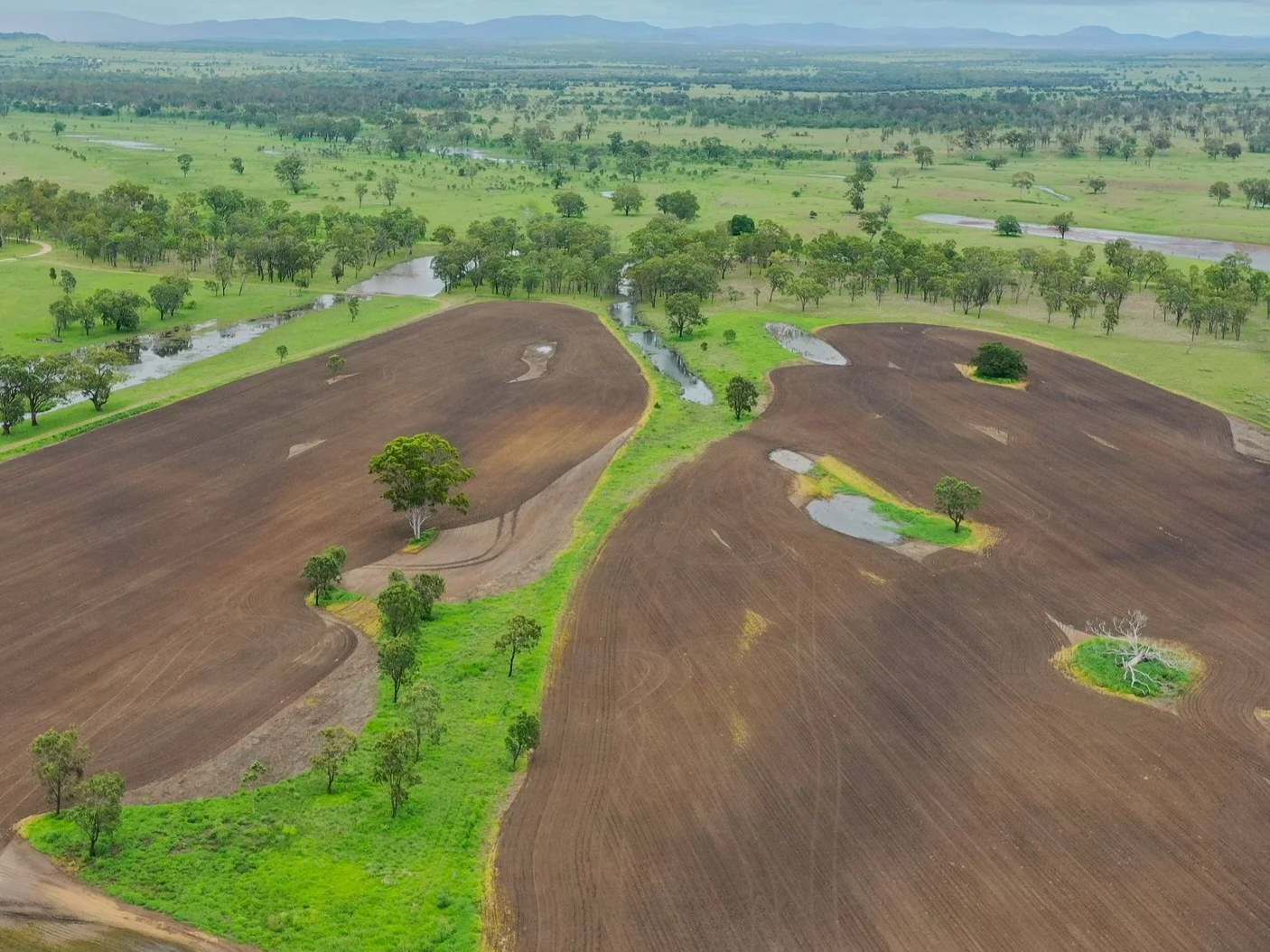
Australia farms some of the oldest and often most nutrient-challenged soils on Earth. Many regions also face increasing rainfall variability and drought pressure. That means nutrient strategy cannot be separated from soil function.
When soils improve, farms often gain more than fertility. They gain:
better moisture retention
stronger aggregation and structure
increased biological activity
reduced runoff risk
improved nutrient efficiency
greater resilience in difficult seasons
Healthy soils are not just a sustainability goal - they are infrastructure.
Australia Is Underusing Valuable Nutrient Resources
If Australia can recycle nutrients more effectively, the opportunity is significant.
A federal recycled organics guide notes that only 10% of compost produced in Australia is used in agriculture, with much of the remainder directed elsewhere. That suggests Australia already has nutrient-rich resources that could play a larger role in supporting productive landscapes when matched correctly to soils, crops and regulations.
In other words:
We may not need more nutrients – but we do need to use the nutrients we already have more intelligently.
What Farmers and Land Managers Can Do
There is no single silver bullet. The strongest outcomes usually come from system thinking – the bedrock of Verterra’s ecological engineering approach.
Practical starting points include:
-
Standard nutrient tests matter, but so do organic carbon, structure, biological activity and constraints limiting nutrient use.
-
Groundcover, erosion control and water management can keep nutrients where they create value.
-
Compost, biosolids and other approved residuals may complement conventional programs in suitable systems.
-
Better soils often improve nutrient efficiency and reduce waste.
-
Measure changes over time to understand return on investment.
Where Verterra Adds Value
Through ReValue Nutrients, Verterra helps turn underused nutrient resources into productive outcomes using an ecological engineering approach. That means understanding the full system - soil, water, biology, logistics, economics and risk - not simply spreading material and hoping for the best.
PROVE - Assess nutrient flows, site constraints and opportunities.
IMPROVE - Design tailored nutrient cycling systems that improve landscape performance.
VALUE - Create productivity gains, make better use of natural resources, and strengthen long-term resilience.
The Future Is Not Just More Fertiliser
Australia will continue to need fertiliser, but the smarter national conversation is no longer just how to import more of it. It is how to build farming systems that retain nutrients, recover nutrients and cycle nutrients better.
Because the most resilient agricultural systems are not always those buying the most nutrients.
They are the ones keeping more nutrients working within the landscape.
Talk to Verterra
If rising input costs, nutrient waste streams or declining soil performance are challenges for your business, speak with Verterra Ecological Engineering about ReValue Nutrients and practical pathways to stronger nutrient resilience.