
Latest Insights
Insights on ecological engineering, mine rehabilitation, landscape rehabilitation, water reuse, biosolids, revegetation, forestry and natural capital from Verterra’s team of scientists and engineers.
From Monitoring to Environmental Performance Intelligence
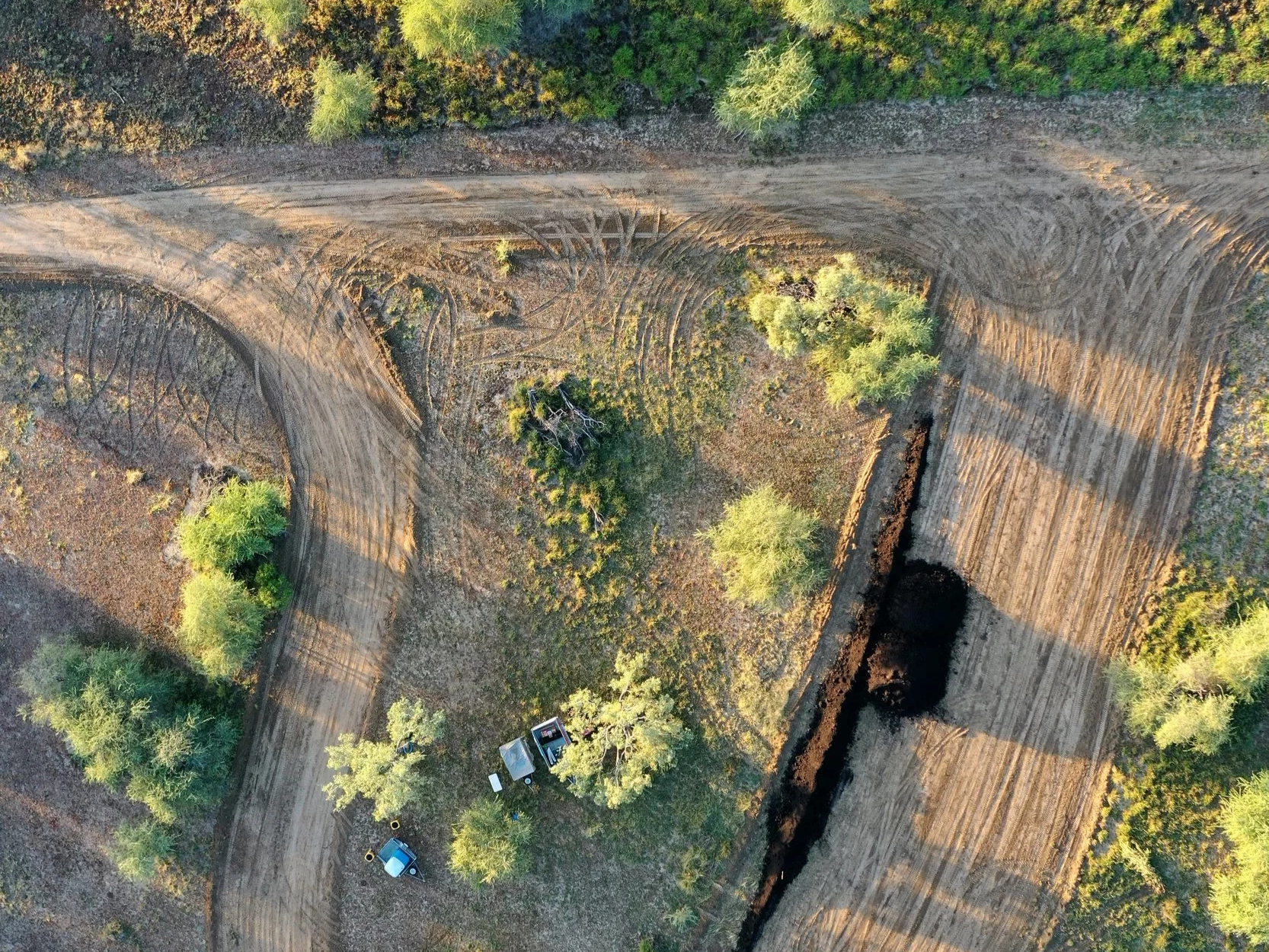
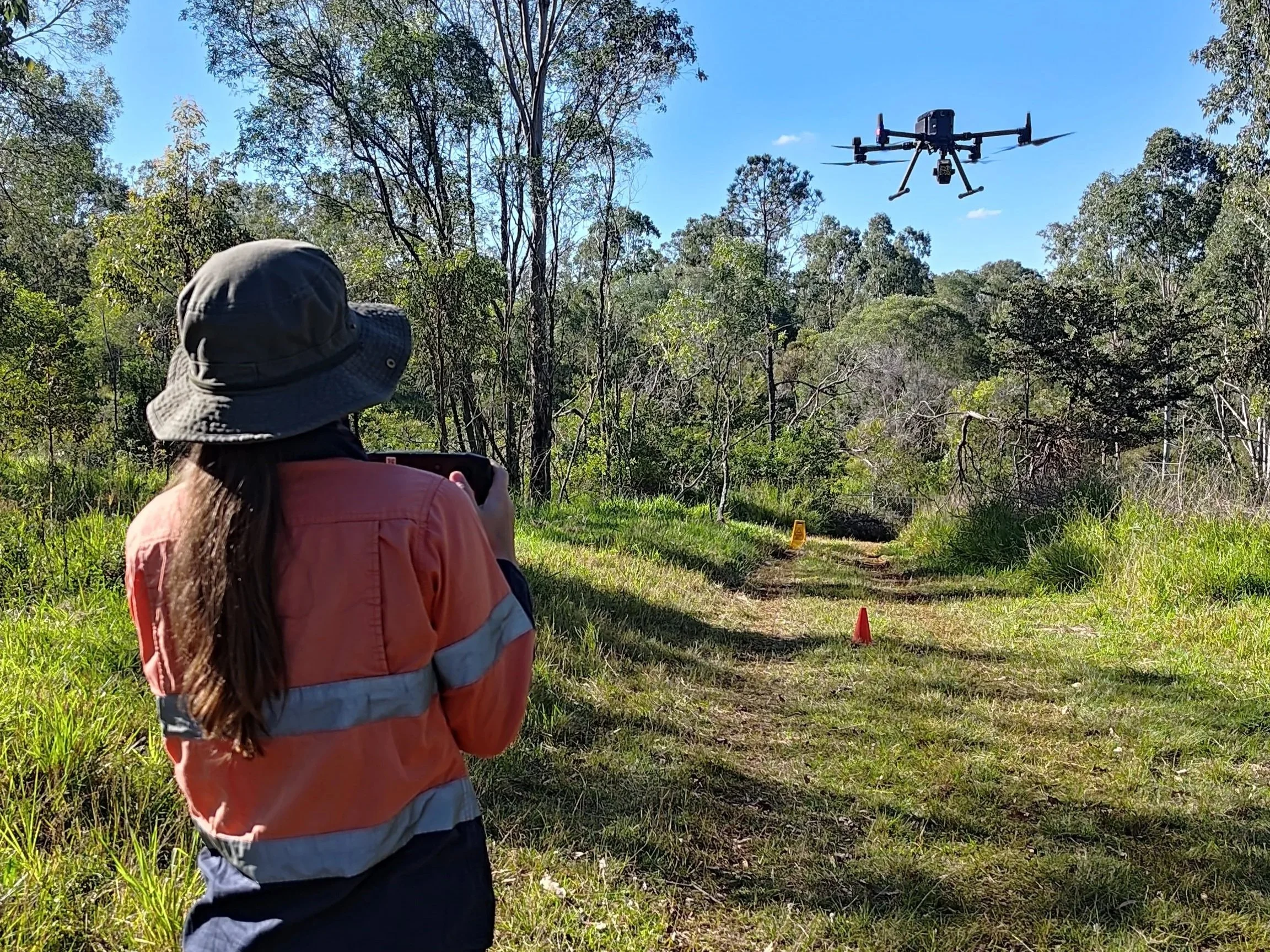
The future of environmental monitoring isn't replacing ecologists with drones. It's teaching technology to think more like an ecologist.
There is growing excitement around the use of drones, LiDAR, satellite imagery and artificial intelligence to monitor environmental restoration. The promise is compelling. Large areas can be surveyed quickly, consistently and at lower cost than traditional field assessments.
But every reliable environmental monitoring system ultimately depends on good ecological data collected on the ground. Without it, remote sensing becomes little more than attractive imagery.
This is the foundation of what we call Environmental Performance Intelligence - combining ecological expertise with multiple sources of data to understand not just what a landscape looks like, but how it is functioning and where it is heading.
That’s why, at Verterra, we see technology not as a replacement for ecological expertise, but as a way to scale it.
The missing middle in Australia’s carbon forestry market
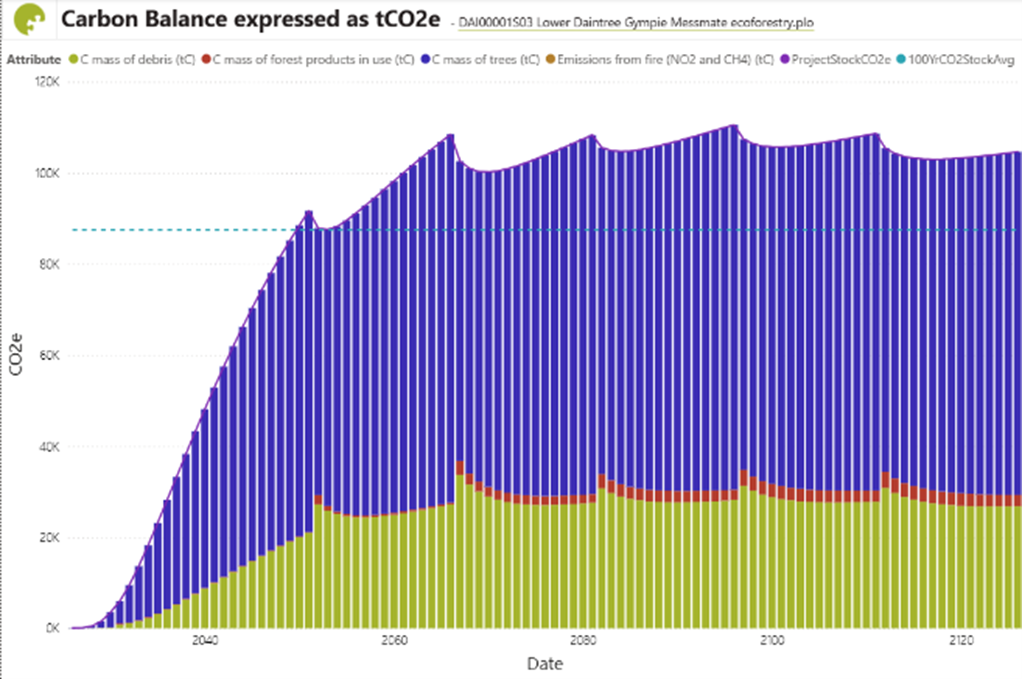
A proposed new ‘ecoforestry’ approach could allow Australia to grow forests for carbon, biodiversity and timber – without having to choose between them.
Dr Glenn Dale, founder of Verterra Ecological Engineering explains how we can establish bio-diverse forests that remain forested over the long term, maintain substantial carbon stocks and progressively develop greater ecological complexity. All while producing a sustainable supply of timber through selective harvesting and providing a recurring income for the people who manage them.
Nurturing Nature Starts in the Nursery: The Role of Seedling Quality in Restoration Success
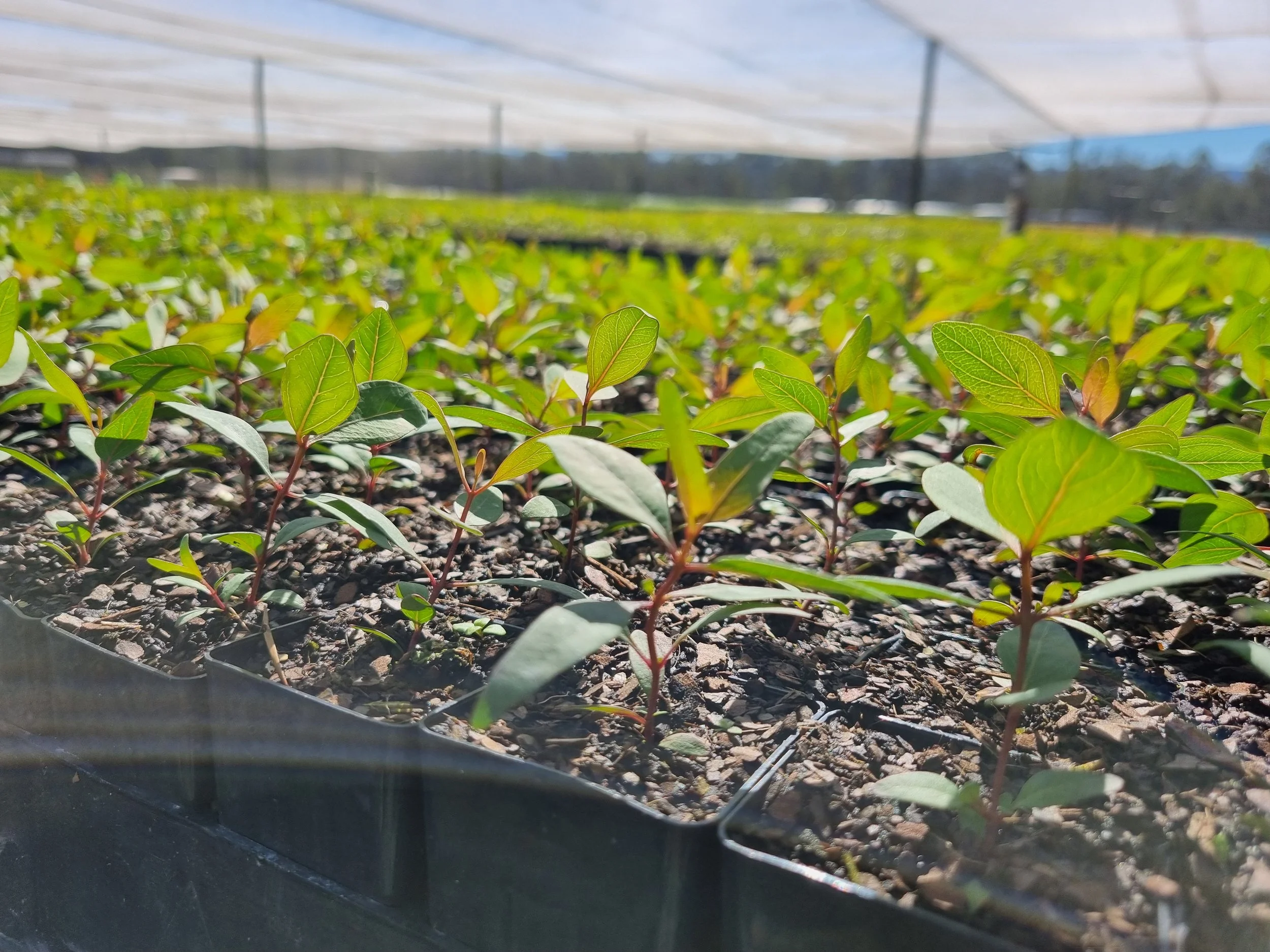
When people think about reforestation, they typically picture planting crews, freshly prepared ground and rows of young trees taking root across a landscape.
But successful reforestation starts long before the first seedling reaches the field.
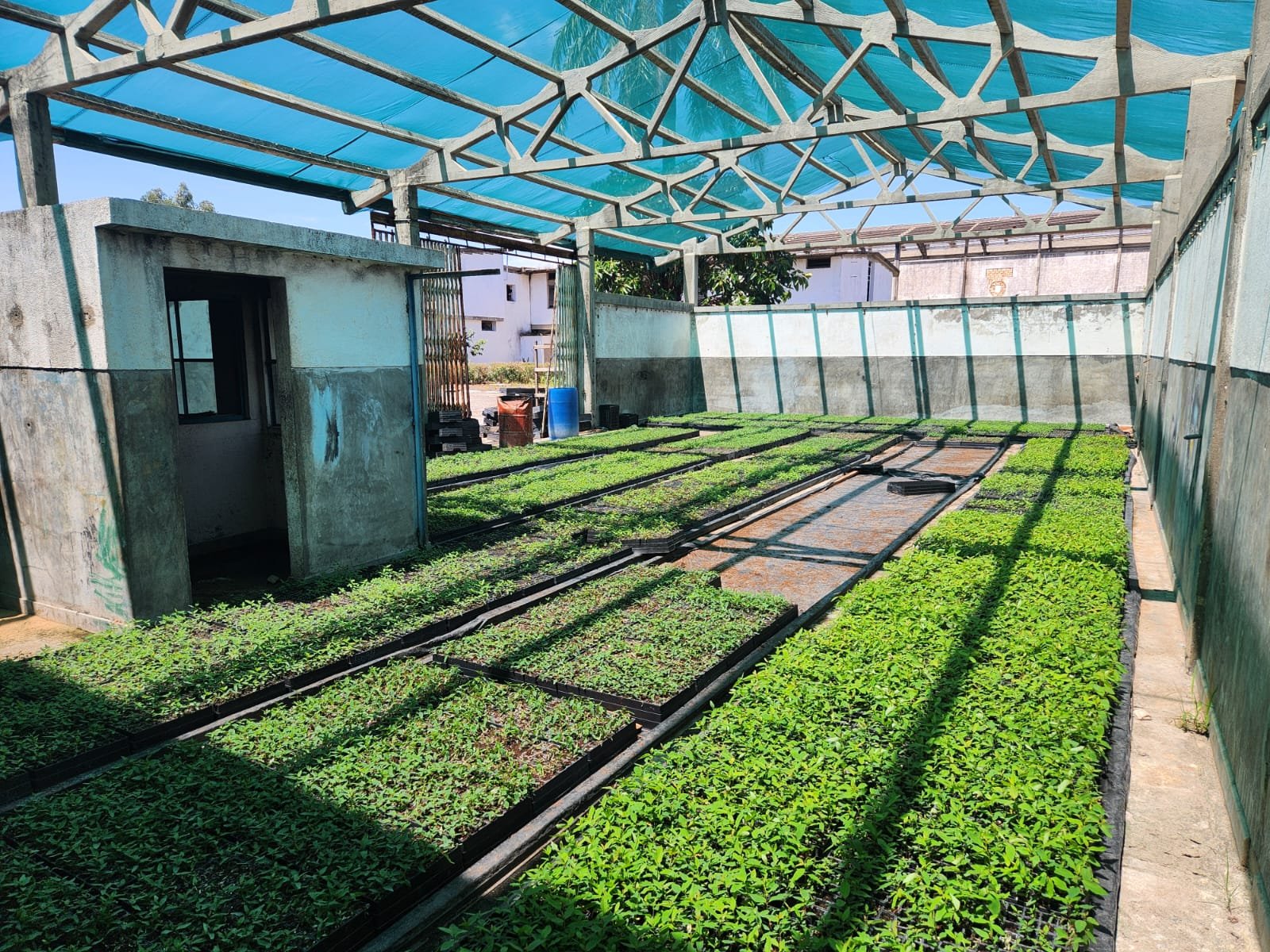
It starts by understanding the soil and preparing an environment that will enable seedlings to thrive, but also extends to a detailed process that hinges on whether the nursery can deliver robust seedlings with the best chance of success.
As the saying goes – if you put rubbish in, you get rubbish out – so making sure you have quality seedlings from the outset, will go a long way towards the success of the reforestation.
Why the Future of Natural Capital Investment Depends on Best and Highest Land Use
Natural capital investment is accelerating globally. The Taskforce for Nature-Related Financial Disclosure (TNFD) and climate-related reporting frameworks are increasing corporate demand for credible ecosystem outcomes and nature-positive investment. But as investment grows, an important question is emerging:
What actually makes landscapes perform over the long term?
Not just financially, but ecologically, operationally, socially and economically.
Because long-term value is not created by isolated projects. It is created by landscapes that function as integrated systems, delivering diversified revenue streams and strong financial returns, while improving landscape function, biodiversity and catchment health.

Markets Matter, But Ecological Performance Matters More
Environmental markets are attracting new attention in Australia - and rightly so.
They have the potential to direct private capital into some of our biggest environmental and economic challenges: carbon reduction, biodiversity recovery, water quality improvement, landscape restoration and regional resilience.
What they achieve matters. Because the scale of repair required across Australia’s landscapes cannot be funded by government alone. Markets can help mobilise investment, reward stewardship and accelerate action where it is needed most.
But markets are not the whole solution.
Long-term environmental value is created when the underlying system functions -when soil, water, vegetation and biodiversity work together in a way that supports both ecological health and human needs.

From Waste Stream to Value Chain: Why Biosolids Outcomes Depend on End Users
Australia’s water sector is facing increasing pressure to reduce waste, recover resources and demonstrate circular economy outcomes. As a result, biosolids are beginning to move from a disposal challenge to a strategic resource stream.
But unlocking value from biosolids is not simply a matter of adopting the latest treatment technology. The long-term success of biosolids programs depends on whether the final product creates value for the people and industries expected to use it.

Why Australia Imports Fertiliser While Exporting Nutrients Every Day
Global concern over fertiliser supply chains has again highlighted a hard truth for Australian agriculture: we rely heavily on imported nutrients to sustain production. Our level of dependence leaves farmers exposed to the type of freight disruptions, currency movement and geopolitical shock the war between America, Israel and Iran has recently instigated.
Australia may import fertiliser, but at the same time, we allow valuable nutrients to leave productive systems every day. The real opportunity is not simply securing more fertiliser. It is building better nutrient cycling.
Designing the Performance Ecosystem: How Natural Capital Can Balance Profit and Planet
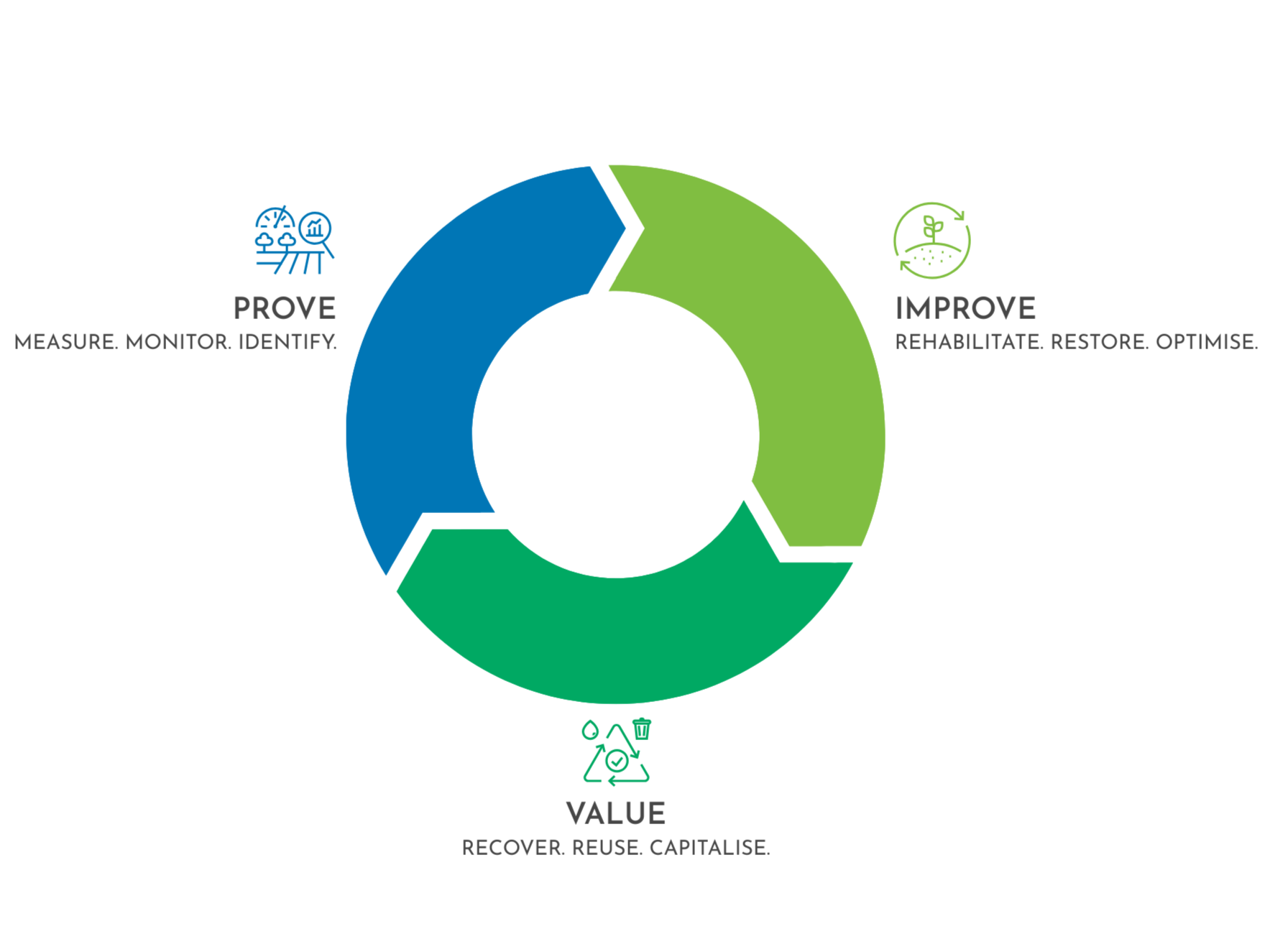
Across the investment world, the term natural capital is now being spoken in the same breath as infrastructure assets. It represents a profound shift in mindset: recognising that nature is not just scenery or sentiment, but capital - productive, measurable, and essential to every other form of wealth. It recognises that the economy is not separate from nature, but exists within nature, and sustaining the environment around us that supports the economy means putting a value on it. Based on ecological engineering principles, Verterra has build a blueprint for the next generation of natural capital investing - the Performance Ecosystem.
Planting Isn’t Restoration: What Really Determines Rehabilitation Success
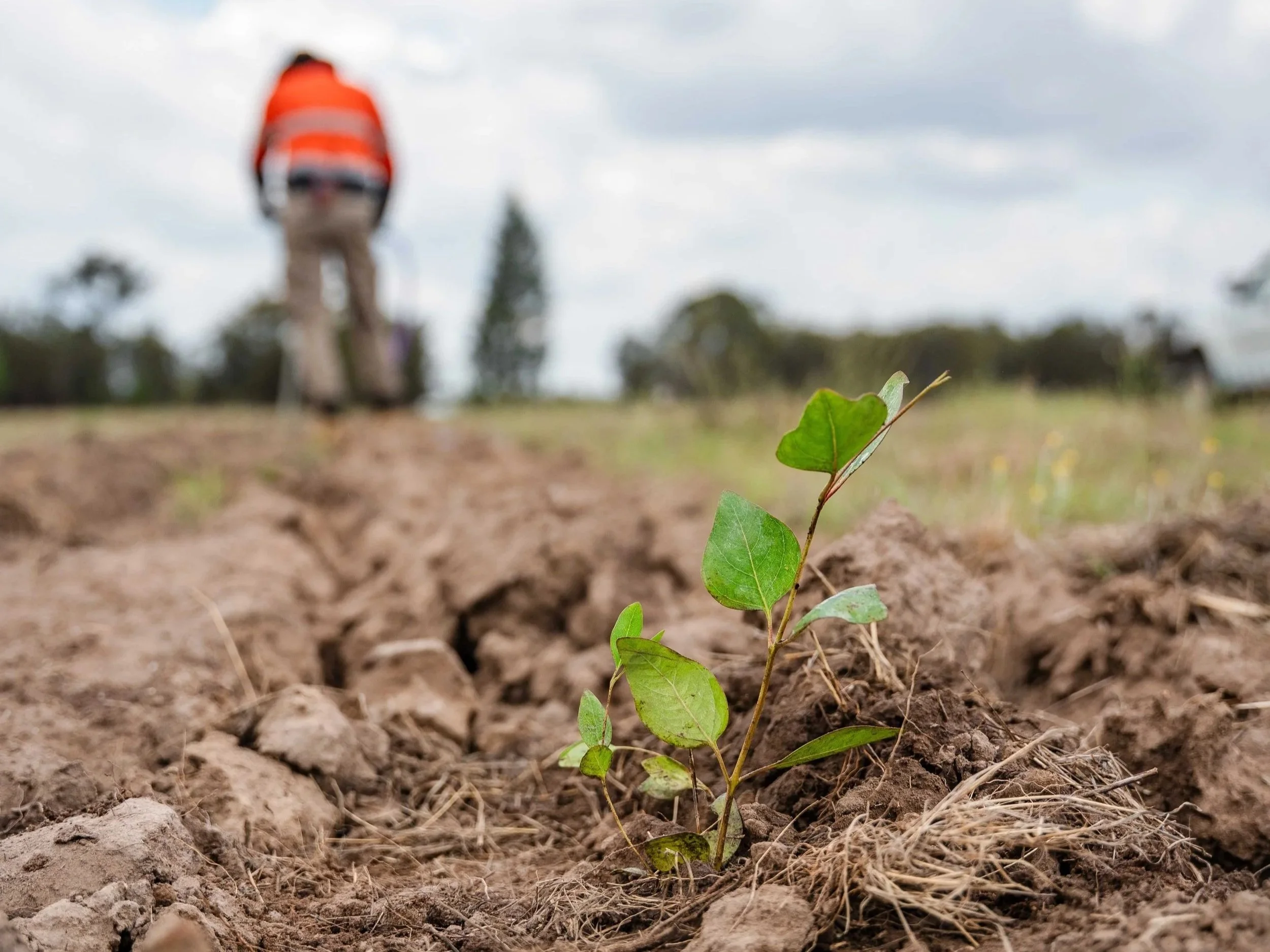
Across the mining, infrastructure and land development sectors, restoration has become a central measure of environmental performance. Increasing regulatory scrutiny, ESG commitments and closure obligations mean that operators have to do more than just plant vegetation, they need to make sure it flourishes long-term. In other words, rehabilitation outcomes are no longer optional - they must be demonstrable, durable and defensible
In response, new technologies have emerged promising faster deployment, large-scale planting and increasingly sophisticated monitoring. While these tools can play a valuable role, they risk reinforcing a persistent misconception:
Landscape restoration is not defined by how much is planted, but by whether the resulting ecosystems function and endure.
Forests for the Future: How Sustainable Forestry Is Shaping Angola’s Green Economy
As the world accelerates its transition to nature-positive economies, Angola is positioning itself as a continental leader in sustainable forestry. At COP30 in Brazil, the Angola Sovereign Wealth Fund (FSDEA) showcased “Esplendor Florestal” — a transformative, long-term investment to combine ecological restoration, industrial development and climate-resilient land management. Verterra is proud to be assisting FSDEA and Esplendor Florestal with this transition.
More than a forestry project, Esplendor Florestal represents a new national economic strategy: one where responsible land stewardship becomes a driver of prosperity, climate resilience and global competitiveness for Angola.

What Makes Reforestation Successful?
As demand for climate-positive land use grows, reforestation projects are becoming increasingly common across Australia. Whether driven by regulatory requirements, sustainability goals, or carbon market participation, these projects present an opportunity to restore native ecosystems but only if they’re planned and implemented with ecological integrity in mind. We spoke with one of Verterra’s environmental and forest scientists, Kristiina Marquardt, to explore what’s really required to design and deliver a successful reforestation effort.

What is Ecological Engineering? A Practical Pathway to ESG Impact
Ecological engineering is rapidly emerging as a critical tool for businesses under pressure to meet ESG expectations — not just on paper, but in practice. This isn’t a theoretical framework — it’s a proven approach Verterra has applied across mining, energy, infrastructure, agriculture, and urban development.

Climate change, biodiversity loss and mandatory reporting – what this means for industry.
The dual challenges of global warming and global biodiversity loss are now recognised as linked, and frameworks for global action have been agreed.