
Markets Matter, But Ecological Performance Matters More
How Australia can unlock the full value of environmental markets through functioning ecosystems, measurable outcomes and ecological engineering.

Environmental markets are important, but the full value of markets can only be realised through high-functioning ecosystems.
Environmental markets are attracting new attention in Australia - and rightly so.
They have the potential to direct private capital into some of our biggest environmental and economic challenges: carbon reduction, biodiversity recovery, water quality improvement, landscape restoration and regional resilience.
What they achieve matters. Because the scale of repair required across Australia’s landscapes cannot be funded by government alone. Markets can help mobilise investment, reward stewardship and accelerate action where it is needed most.
But markets are not the whole solution - because funding alone does not restore landscapes.
Long-term environmental value is created when the underlying system functions -when soil, water, vegetation and biodiversity work together in a way that supports both ecological health and human needs.
That is where the next phase of the conversation around markets needs to move.
Environmental Markets Need Ecological Foundations
A market can create demand. It can attach value to an outcome. It can reward performance. But it cannot replace the hard work of understanding landscapes, diagnosing constraints and implementing practical solutions that deliver lasting change.
Too often, environmental outcomes are discussed in isolation:
How much carbon was stored?
How many credits were generated?
How many trees were planted?
How many hectares were restored?
How many offsets were purchased?
These measures can be useful indicators, but on their own, they do not guarantee a healthy, resilient system.
The more important questions are:
Will this landscape function better in 10 years because of the actions taken today?
That means asking:
Is the soil improving in structure, fertility and biological activity?
Is water infiltrating, storing and moving effectively?
Is vegetation suited to the site and capable of self-sustaining growth?
Is biodiversity returning through habitat quality and connectivity?
Are landholders, communities and industries also benefiting?
When these elements are aligned, outcomes become more durable and value, for both the environment and society, becomes real.
Why Function Matters
Functioning ecosystems do more than deliver environmental benefits. They also underpin productivity, resilience and economic performance.
When landscapes function:
Carbon is naturally stored in soils and vegetation,
Water is filtered, retained and used more efficiently,
Erosion and sediment loss are reduced,
Biodiversity returns through healthier habitat systems,
Agricultural productivity can improve,
Communities become more resilient to drought, flood and climate stress.
This is why Verterra believes environmental markets should be seen as an enabler of better systems, not a substitute for them.
Markets can help fund the transition. But ecological performance is what makes that transition successful.
Addressing the Two Biggest Questions About Markets
Environmental markets often attract two legitimate questions:
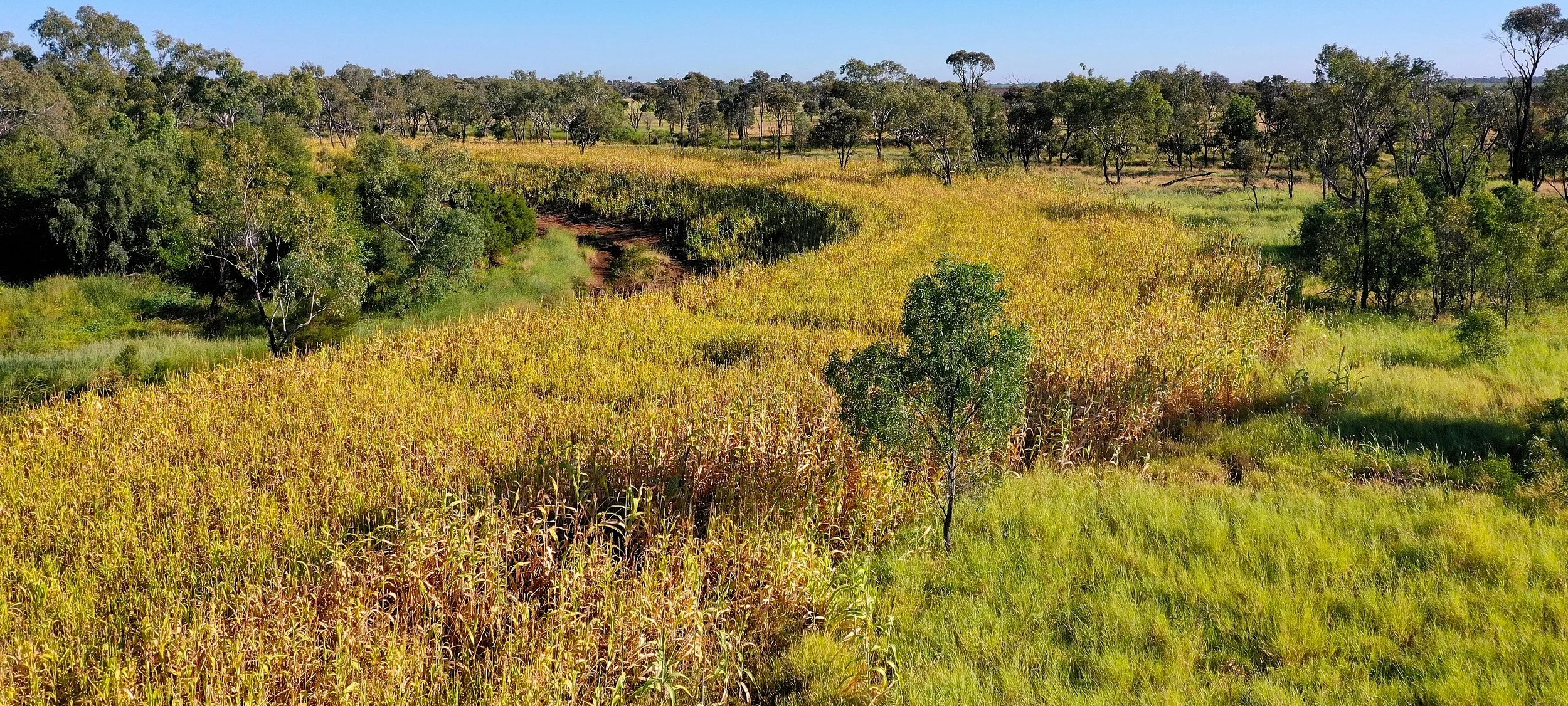
1. Are the outcomes genuinely beneficial for nature?
This depends on project design.
If actions fail to address the real constraints within a landscape, short-term metrics may be achieved without creating long-term ecological improvement.
That is why system thinking matters.
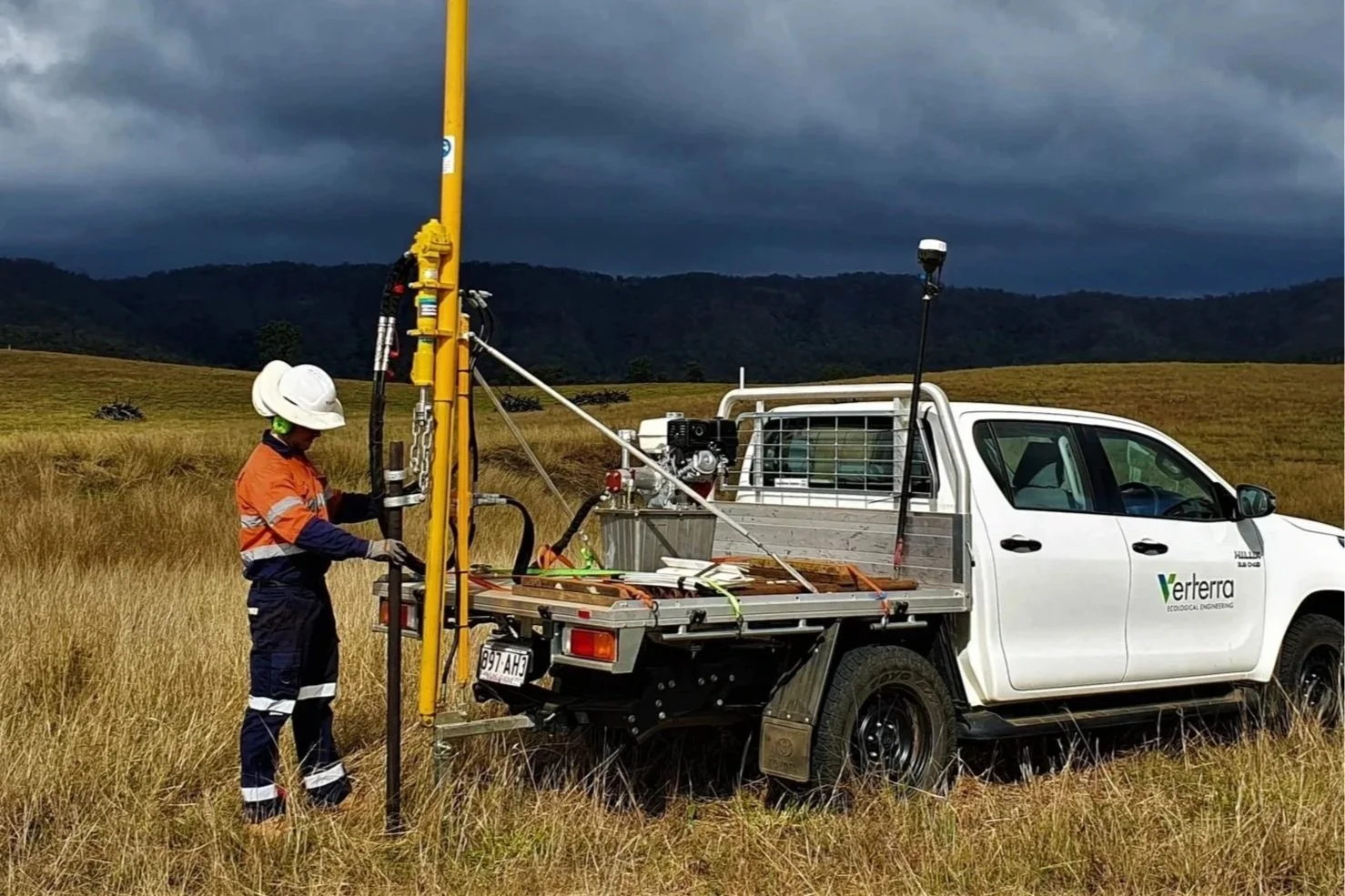
2. Are the claimed outcomes actually being delivered?
This depends on evidence.
Without rigorous baselines, transparent monitoring and defensible measurement, trust is weakened.
That is why performance verification matters.
These are not reasons to dismiss markets. They are reasons to improve how projects are conceived, delivered and measured.
The Role of Ecological Engineering
At Verterra, we work where environmental needs and societal needs intersect.
Our ecological engineering approach brings together science, design and practical delivery to solve real-world landscape challenges.
That means understanding:
What is limiting performance today?
What interventions will create meaningful change?
How can we balance environmental gains with productive land use, infrastructure needs or community outcomes?
How can measure results over time?
By restoring system functionality, we help create projects that are better for nature, better for people, more resilient over time, and more credible in market settings.
Because the strongest environmental projects are those that work ecologically, socially and economically.
If It Can’t Be Measured, It Can’t Be Trusted
As environmental markets mature, trust will be one of their most valuable assets. But trust requires more than good intentions. It requires outcomes that are measurable, transparent, defensible and repeatable.
If a project claims to store carbon, improve biodiversity or reduce sediment loss, those claims must be backed by evidence. And if outcomes are to be recognised or traded, they must stand up to scrutiny.
This is where robust monitoring, spatial analytics and performance verification become essential.
Because if it can’t be measured and defended, it can’t be trusted - or traded.
A Better Way Forward
Australia does not need to choose between markets and ecology - we need both. So it goes without saying that we need mechanisms that fund action, but we also need solutions that restore functioning ecosystems that are capable of delivering long-term value.
That means moving the conversation beyond whether credits should exist, and toward whether markets are delivering ecological performance. If markets are going to achieve what they set out to achieve they need to be delivering better systems, better outcomes, better confidence and better long-term value for everyone – not just the landholders or developers that create them.
At Verterra, we believe the future belongs to projects that can prove outcomes, improve landscapes and create enduring ecological value.
Markets matter. But ecological performance matters more.
Explore How Verterra Delivers Measurable Nature-Based Solutions

From environmental monitoring and verification to rehabilitation, water systems, land restoration and natural capital opportunities, Verterra helps clients turn environmental risk into economic value.
Click below to explore our solutions.