Nurturing Nature Starts in the Nursery: The Role of Seedling Quality in Restoration Success
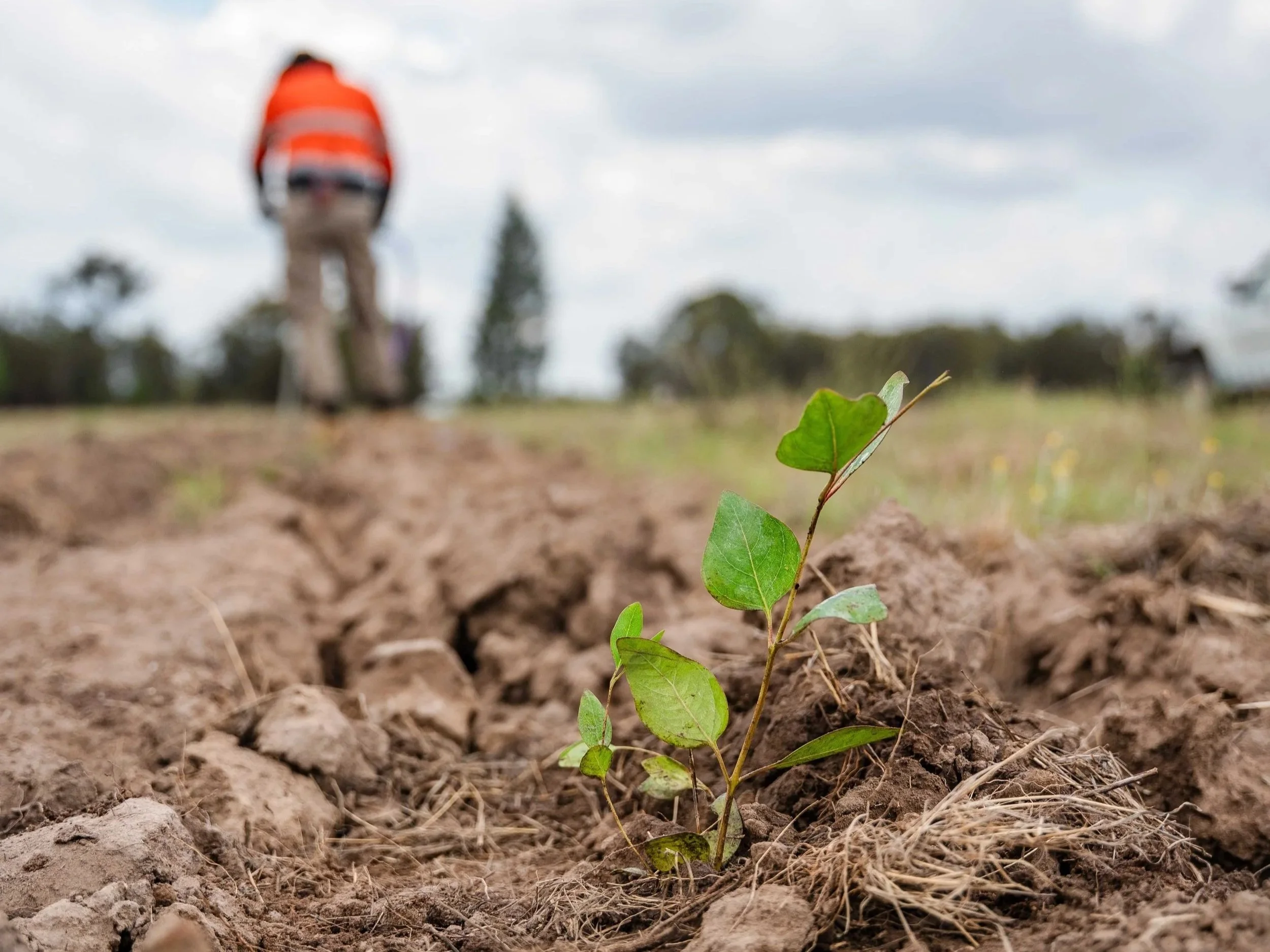
When people think about reforestation, they typically picture planting crews, freshly prepared ground and rows of young trees taking root across a landscape.
But successful reforestation starts long before the first seedling reaches the field.
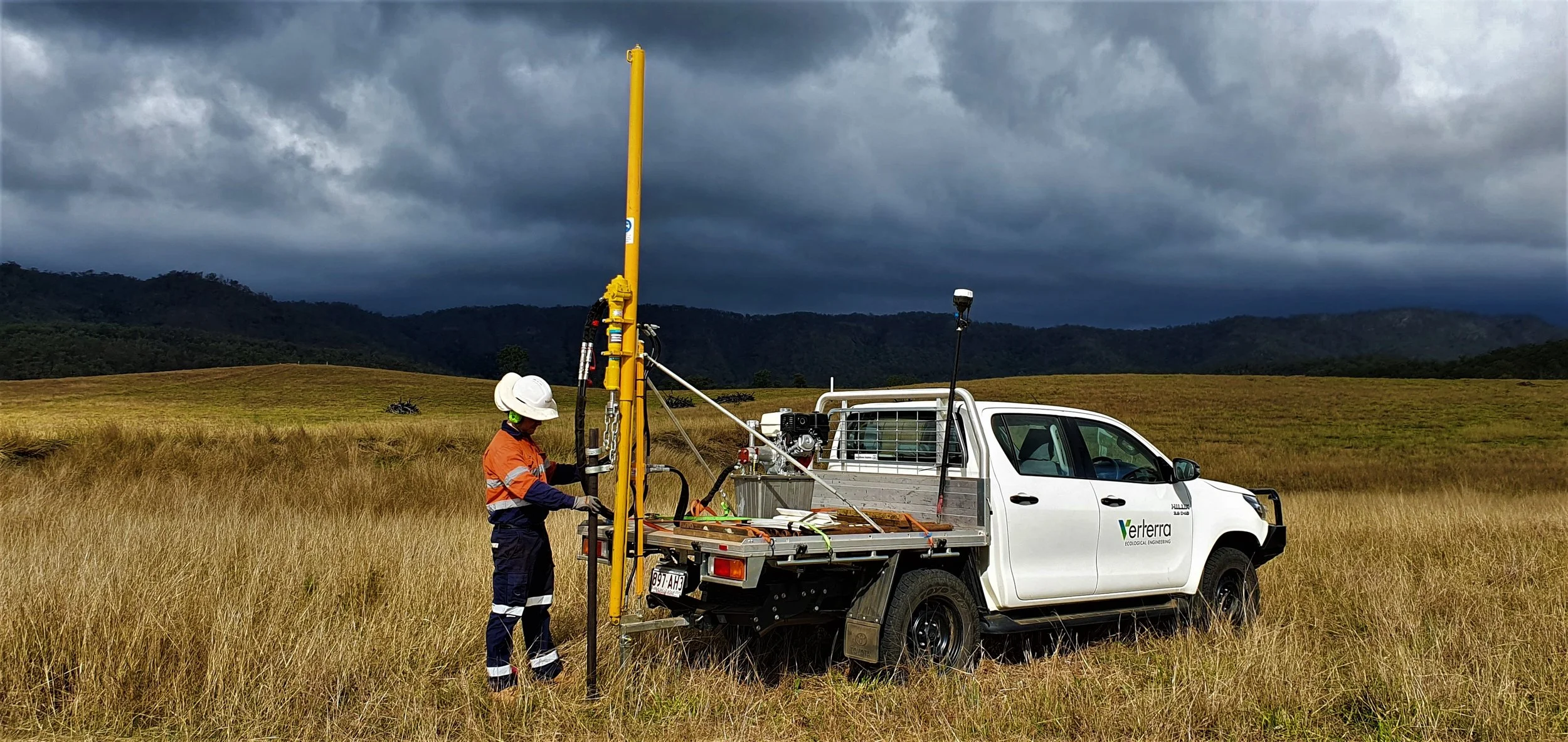
It starts by understanding the soil and preparing an environment that will enable seedlings to thrive, but also extends to a detailed process that hinges on whether the nursery can deliver robust seedlings with the best chance of success.
As the saying goes – if you put rubbish in, you get rubbish out – so making sure you have quality seedlings from the outset, will go a long way towards the success of the reforestation.
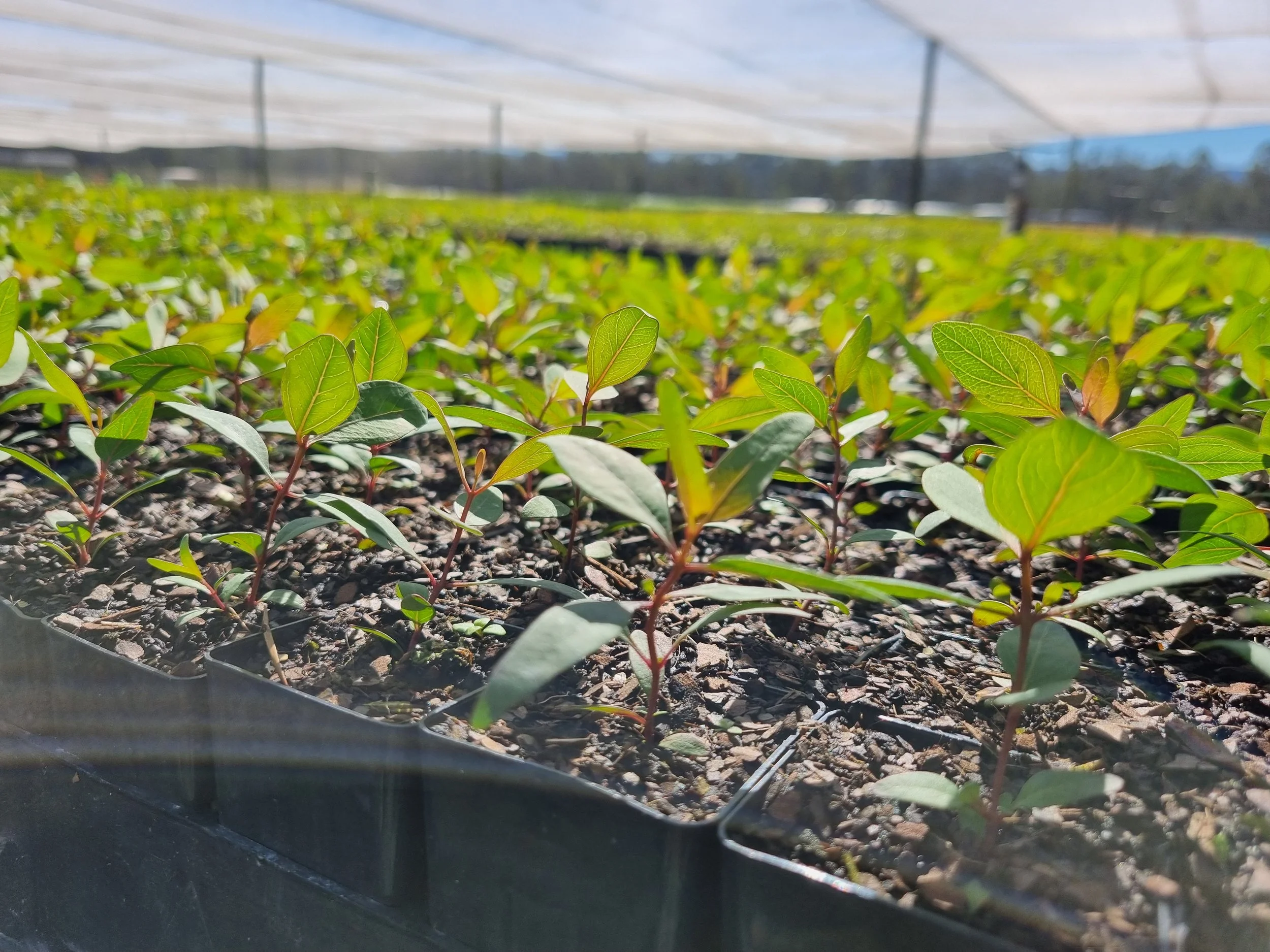
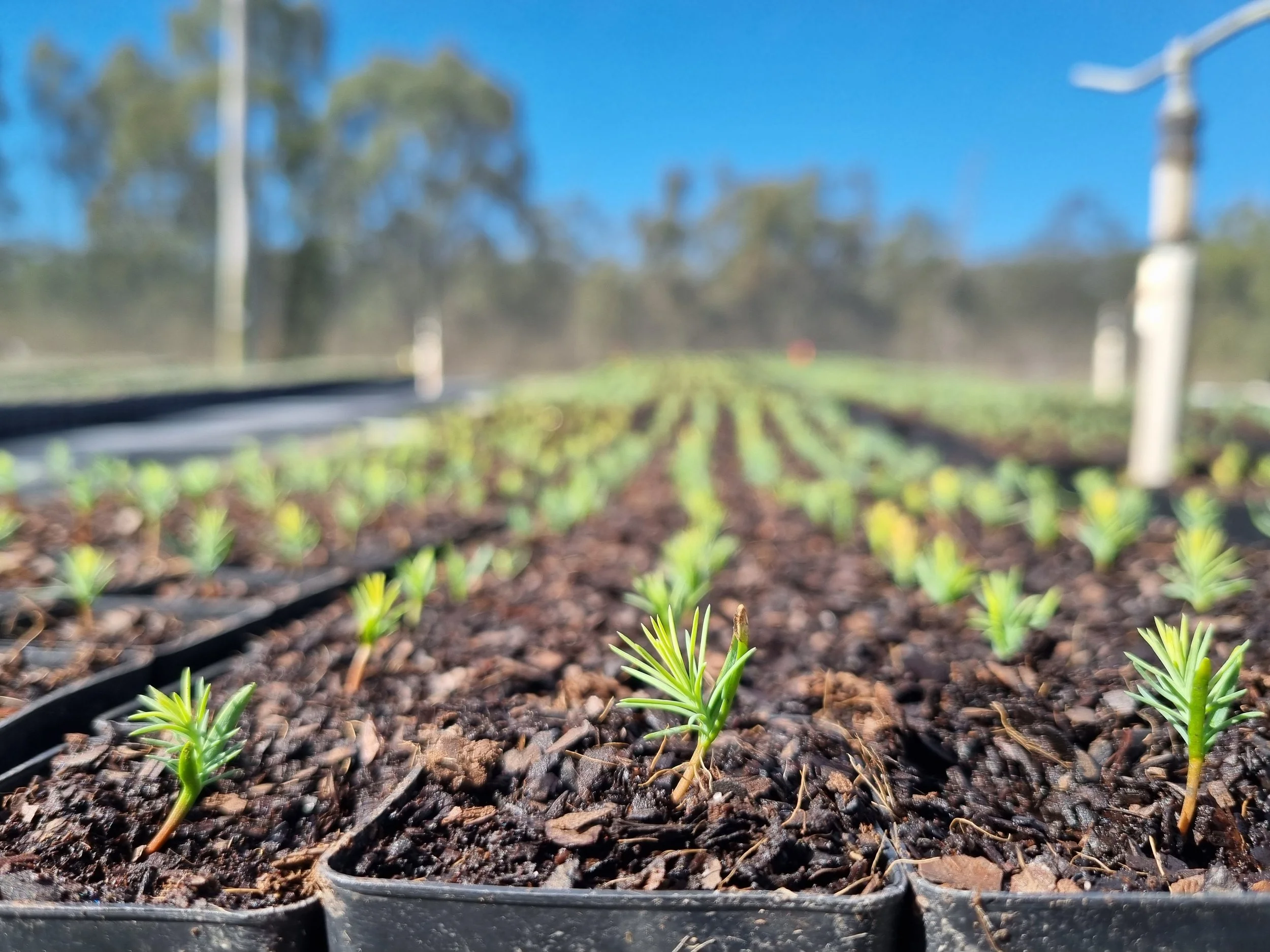
Native seedlings thriving in a Verterra-managed nursery for a large-scale reforestation project.
Nurseries Are the Foundation of Restoration Outcomes
It’s a fundamental truth in forestry that every restoration project depends on the quality of the planting stock used.
Before seedlings get anywhere near the ground there is a detailed process of identifying and selecting species that suit the Regional Ecosystem Type (RET), then sourcing quality seeds based on genetics and provenance. After that there is the way seedlings are grown, and the consistency of nursery operations - all of these factors influence whether a project thrives or struggles after planting.
While site preparation, seasonal conditions and ongoing management remain critical, the nursery establishes the biological foundation that determines how well a project can respond to those challenges.
A Nursery Does Far More Than Produce Seedlings
The nursery produces the biological quality that drives establishment success, survival rates and long-term ecosystem development.
Poor-quality planting stock often results in higher mortality rates, reduced growth performance, increased replanting costs and greater maintenance requirements. All of this delays delivery of restoration outcomes.
Conversely, high-quality seedlings establish more quickly, compete more effectively and require less intervention after planting.
The success of a restoration project is often determined before the seedlings ever leave the nursery.
Good Reforestation Starts with Good Seed
The quality of a seedling begins with the quality of the seed.
Seed selection influences germination rates, growth consistency and overall nursery efficiency. More importantly, the genetic characteristics of seed determine how well future trees will perform under local environmental conditions.
Selecting appropriate genetic provenance helps ensure seedlings are adapted to:
Local climate conditions
Soil characteristics
Rainfall variability
Temperature extremes
Drought and other environmental stresses
Species selection is equally important. Restoration objectives may include biodiversity outcomes, ecosystem recovery, erosion control, carbon sequestration or commercial forestry production. Each objective requires careful consideration of the species mix and planting design.
Good genetics do more than grow trees. They reduce project risk.
Consistency Matters More Than Size
A common misconception is that the biggest seedling is always the best seedling.
In reality, consistency is often a more reliable predictor of field performance than maximum growth.
Uniform seedlings tend to establish more evenly, respond similarly to site conditions and allow field teams to manage planting operations more effectively.
Achieving consistency requires active nursery management, including:
Appropriate spacing and density management
Irrigation control
Balanced nutrition programs
Topping and hardening, where appropriate
Regular grading and quality assessment
Environmental control where required
The goal is not to produce the largest plants possible. The goal is to produce robust, uniform seedlings with the characteristics required to succeed on site.
The most successful nurseries focus on consistency rather than chasing maximum growth.
Seedling Quality Directly Influences Field Performance
Research and practical experience consistently show that seedling morphology and physiology strongly influence survival and growth after planting.
Characteristics such as root system development, stem diameter, shoot-to-root balance, overall vigour and uniformity across production batches all contribute to establishment success.
Well-developed root systems enable seedlings to access moisture more effectively after planting. Strong stems improve resilience to environmental stress, while consistent stock simplifies field operations and improves project predictability.
Poor-quality seedlings may survive initially but often require greater maintenance and experience slower growth, increasing whole-of-project costs over time.
Seedling quality is not simply a nursery metric. It is a project performance metric.
Successful Nurseries Are Highly Adaptive
Importantly, nursery management is not a static process.
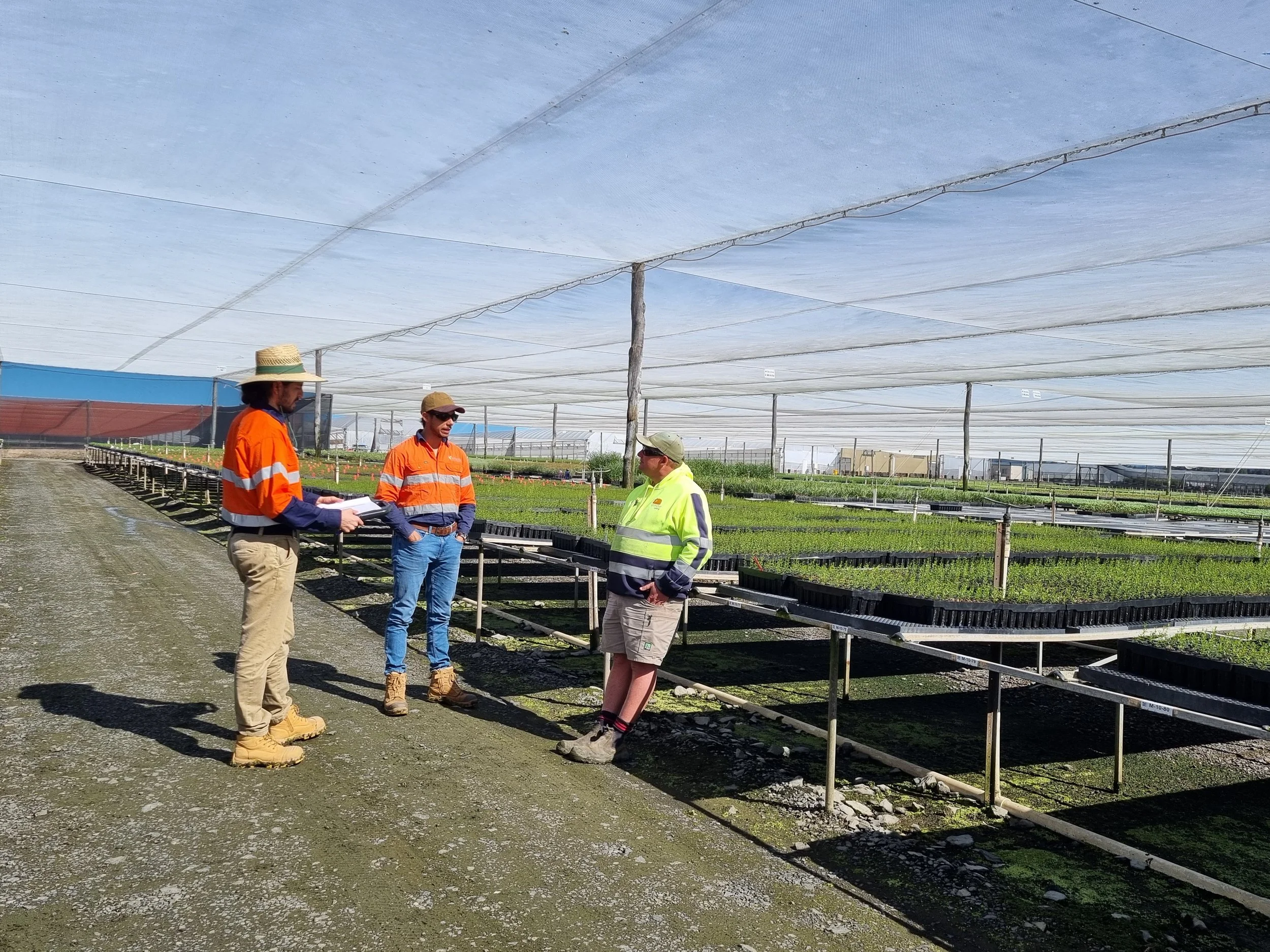
Every production cycle presents variability in germination, growth rates, weather conditions and species-specific requirements. Successful nursery operators continuously monitor plant performance and adjust their approach accordingly.
Adaptions may include:
Modifying irrigation schedules
Adjusting fertiliser programs
Trialling different growth substrates and pot/tube types and sizes
Regrading stock
Resowing underperforming batches
Managing seasonal production risks
The ability to respond quickly to changing conditions is often what separates successful nurseries from average ones. Knowledgeable staff are key to the success of the nursery because good nurseries do not simply grow plants - they respond to them.
Nursery and Field Operations Must Work as One System
The highest-performing restoration projects treat the nursery and the field as a single integrated process.
Nursery production should be guided by planting schedules, site conditions, restoration objectives, seasonal constraints and species requirements, so close collaboration between nursery managers, restoration designers and field delivery teams is essential.
Good communication ensures seedlings are fit for purpose when planting windows arrive. When nursery production and field operations become disconnected, projects can experience delays, quality issues and increased costs.
Successful restoration requires alignment across the entire seed-to-site pipeline.
Scaling Reforestation Requires Scaling Nursery Capacity
As demand for restoration, carbon projects and biodiversity initiatives continues to grow, nursery capacity can become a critical constraint.
Large-scale landscape restoration depends on reliable access to quality planting stock. Expanding restoration efforts will require investment in:
Nursery infrastructure
Production systems
Seed supply networks
Skilled personnel
Quality assurance processes
The challenge is not simply producing more seedlings. It is producing more high-quality seedlings at scale.
Scaling restoration starts with scaling nursery capability.
Looking Beyond Planting
Planting often receives the most attention in restoration projects, but the outcomes seen in the field are largely determined by decisions made months earlier in the nursery.
Successful reforestation is built on a chain of interconnected decisions that begins with soil sampling and seed selection, then continues through production, planting and long-term management.
Understanding the role of nurseries helps shift the focus from simply planting more trees to establishing resilient, self-sustaining ecosystems.
Because successful reforestation does not begin when a seedling is planted.
It begins when that seedling is grown.
Find out more about what makes successful restoration with the articles below: