
Latest Insights
Insights on ecological engineering, mine rehabilitation, landscape rehabilitation, water reuse, biosolids, revegetation, forestry and natural capital from Verterra’s team of scientists and engineers.
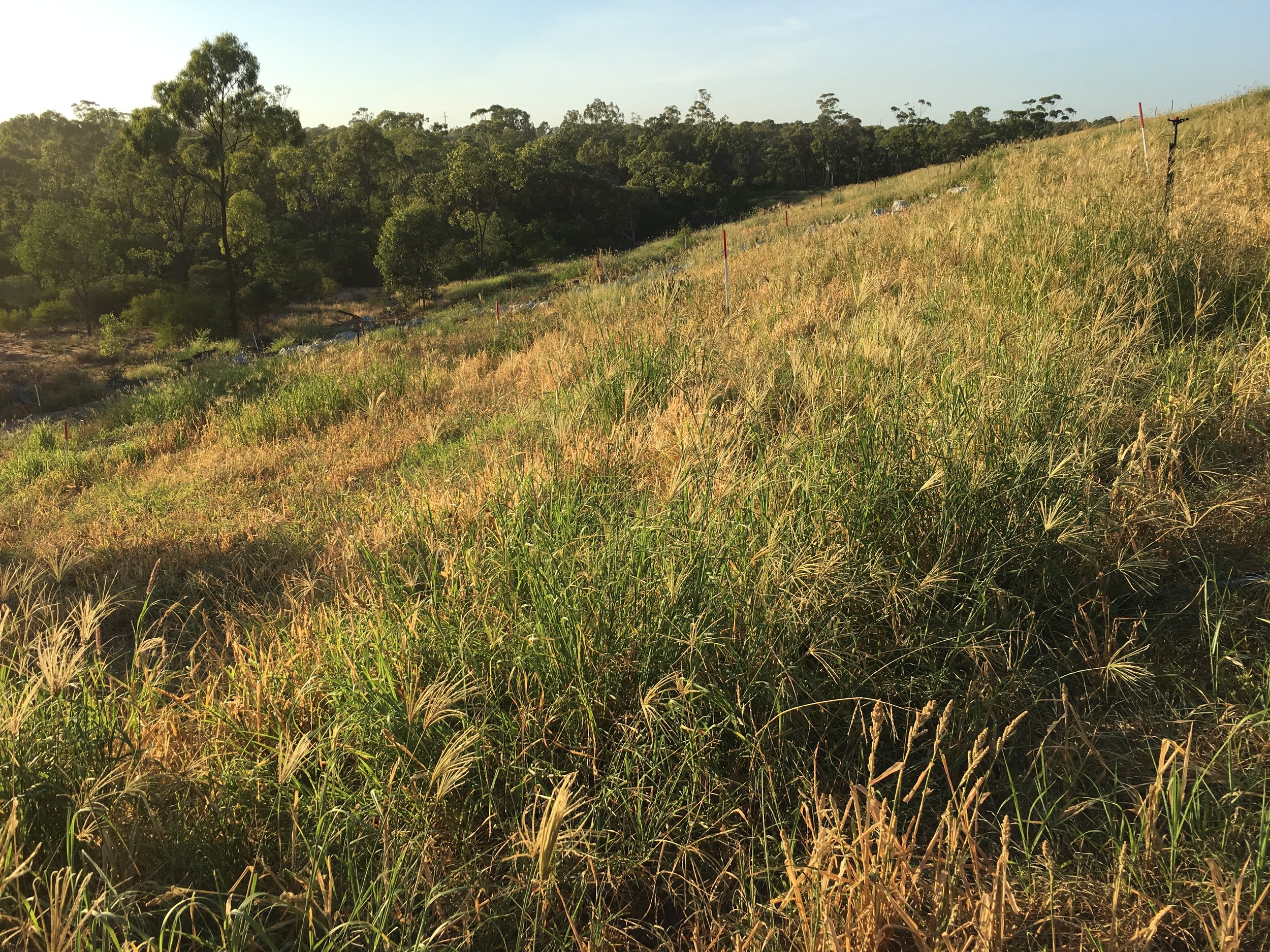
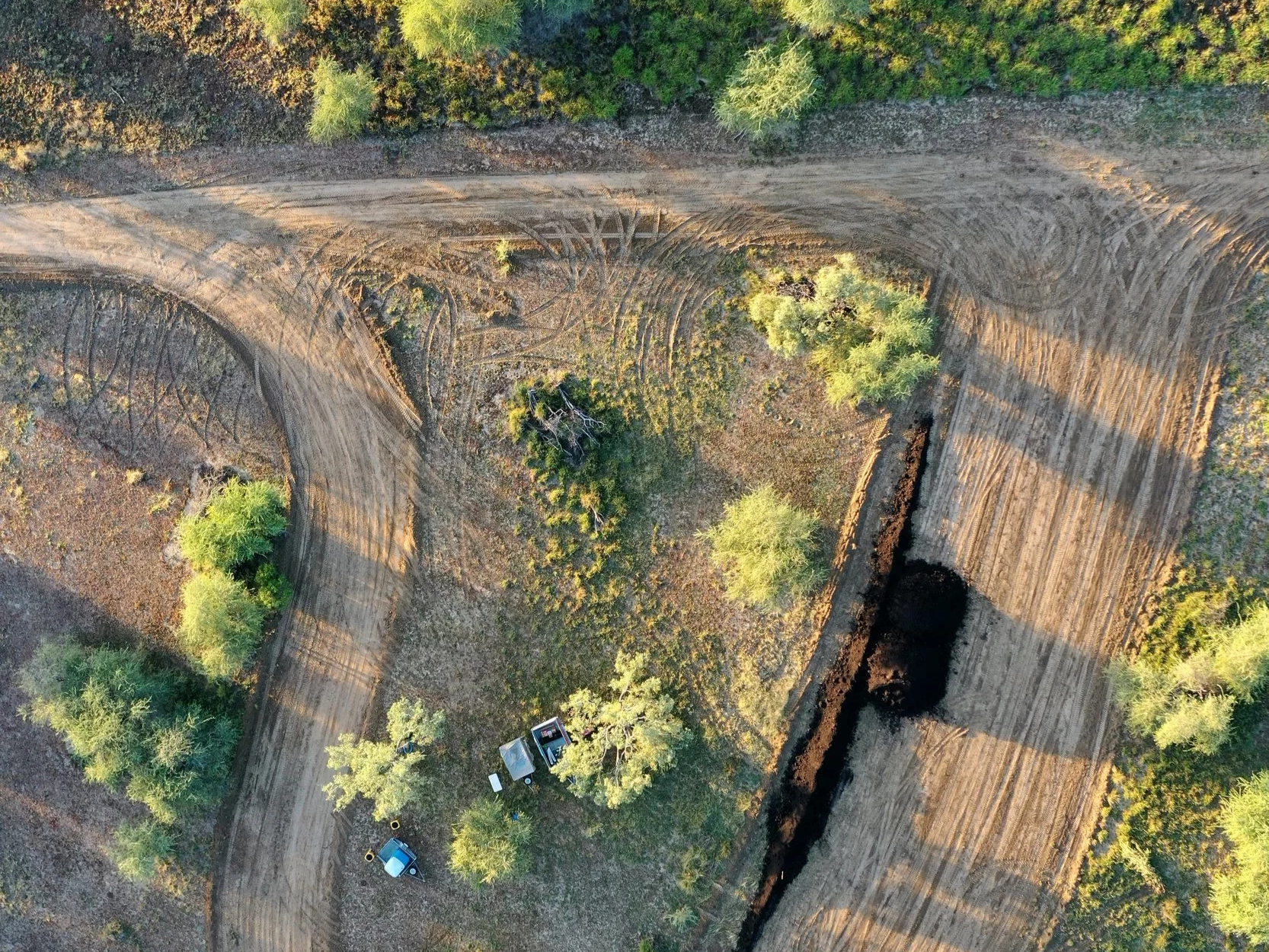
Why mine rehabilitation should be measured by trajectory as well as condition
Early vegetation cover is an important sign of mine rehabilitation progress, but it does not confirm that the underlying soil and ecosystem will continue to function. A paper presented by Dr Bernhard Wehr at Mine Closure 2026 argues that rehabilitation should also be assessed by its trajectory towards the intended post-mining land use.
A newly rehabilitated mine site starts from a point of major disturbance. Soil horizons may have been removed or mixed, topsoil may have spent years in stockpiles, and the materials available for reconstruction can differ substantially from the soils supporting nearby reference ecosystems.
Despite this, rehabilitation performance is often judged through point-in-time comparisons with mature analogue sites. This can create unrealistic expectations about how quickly a manufactured growth medium should resemble natural soil, while providing limited evidence about whether the rehabilitated system is developing in the right direction.
At Mine Closure 2026 in Melbourne, Verterra Principal Soil Scientist Dr Bernhard Wehr presented a paper proposing a stronger basis for assessment. Building on earlier technical guidance prepared by Verterra for the Office of the Queensland Mine Rehabilitation Commissioner, the 2026 paper argues that rehabilitation trajectories provide more meaningful evidence of progress than condition alone.
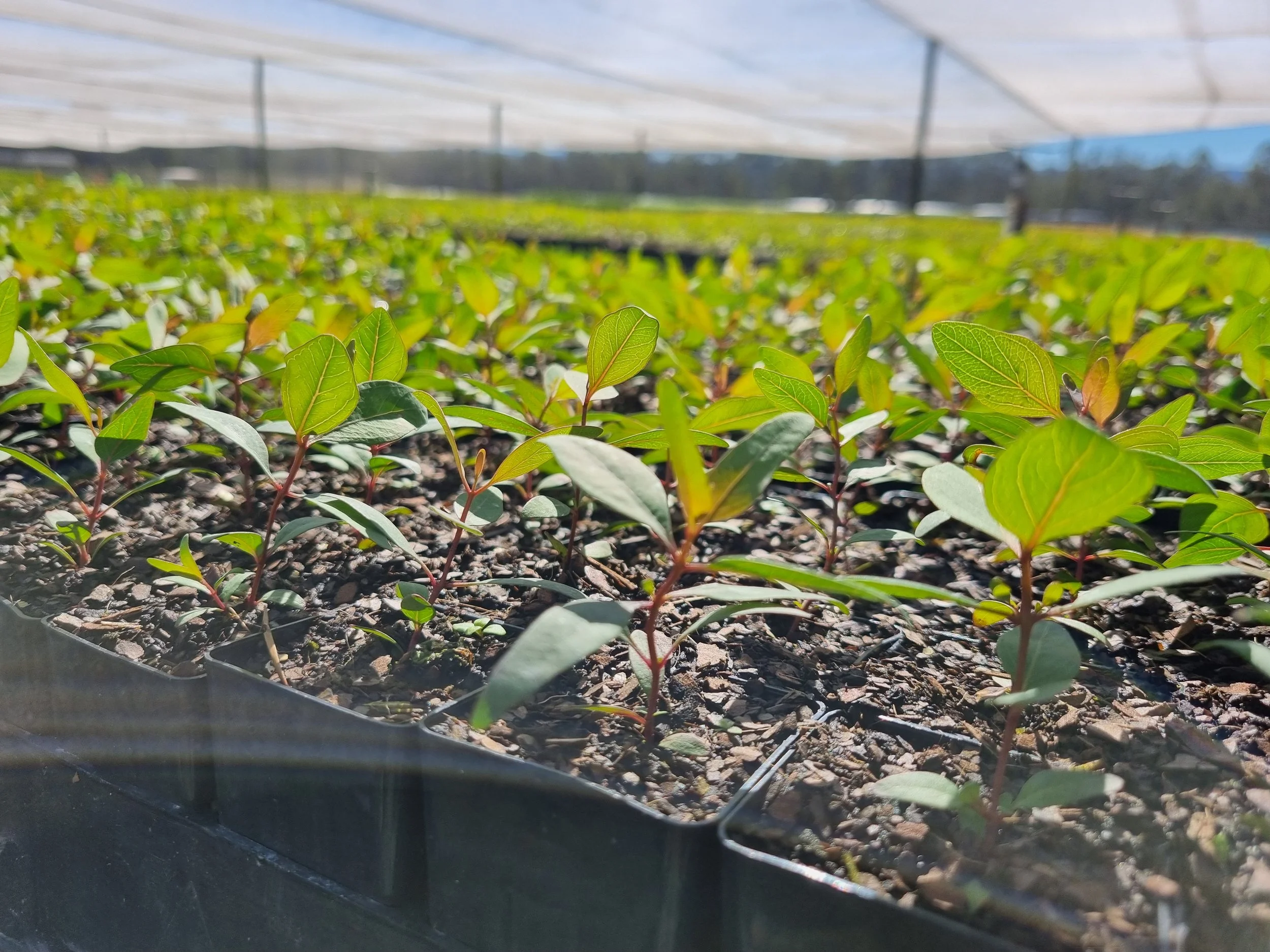
Nurturing Nature Starts in the Nursery: The Role of Seedling Quality in Restoration Success
When people think about reforestation, they typically picture planting crews, freshly prepared ground and rows of young trees taking root across a landscape.
But successful reforestation starts long before the first seedling reaches the field.
It starts by understanding the soil and preparing an environment that will enable seedlings to thrive, but also extends to a detailed process that hinges on whether the nursery can deliver robust seedlings with the best chance of success.
As the saying goes – if you put rubbish in, you get rubbish out – so making sure you have quality seedlings from the outset, will go a long way towards the success of the reforestation.
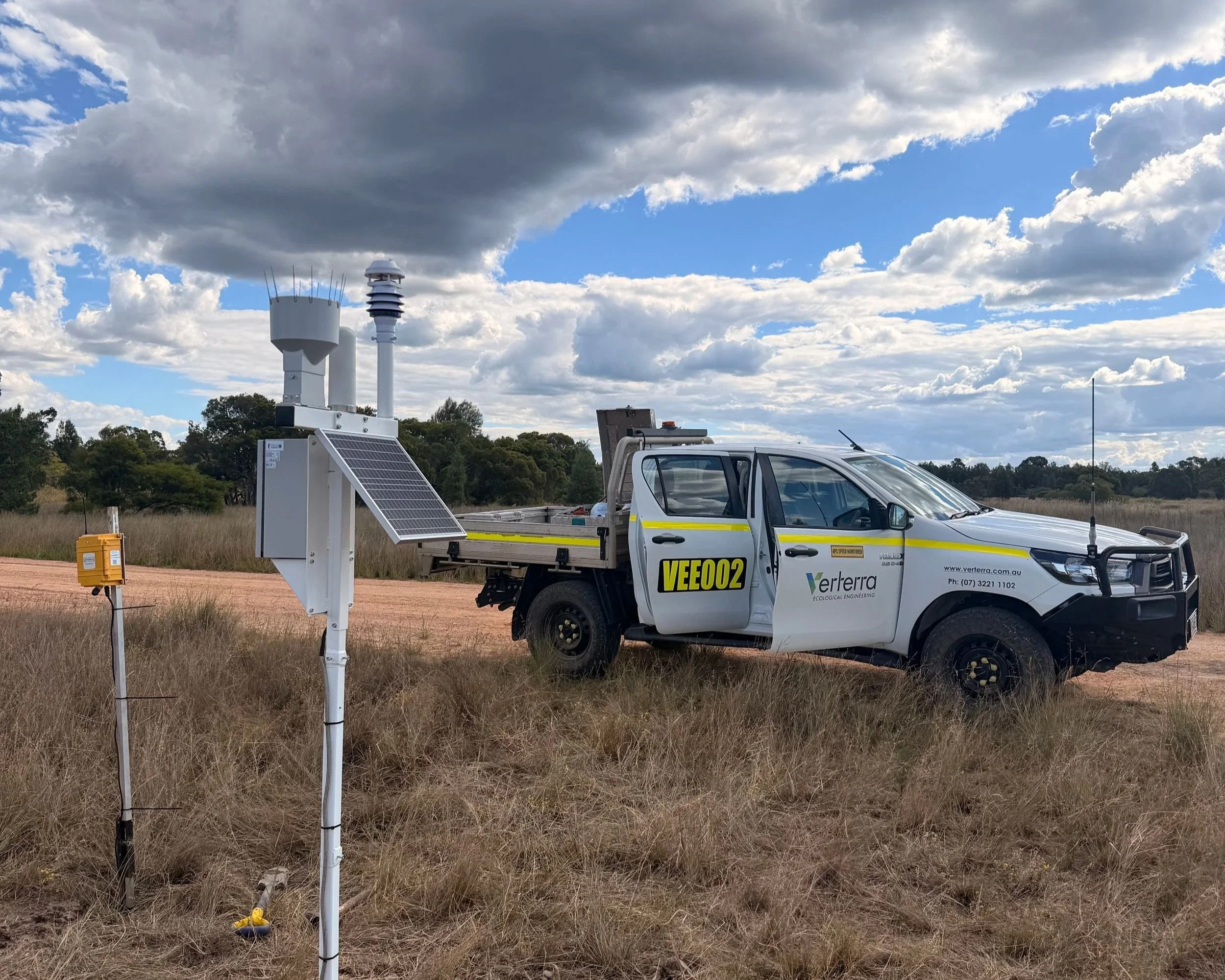
The $13k Investment That Can save Millions in Landscape Rehabilitation Delivery
In landscape rehabilitation, success isn’t just determined by what you do, but also when you do it.
Rainfall, soil moisture, wind and temperature all influence whether work can proceed, whether plants establish, and how systems perform over time.
Many projects still rely on distant weather stations or historical averages to guide critical decisions, but in reality, site conditions don’t always match the forecast.
Installing a site-based weather station changes how rehabilitation projects are planned and delivered.
Planting Isn’t Restoration: What Really Determines Rehabilitation Success
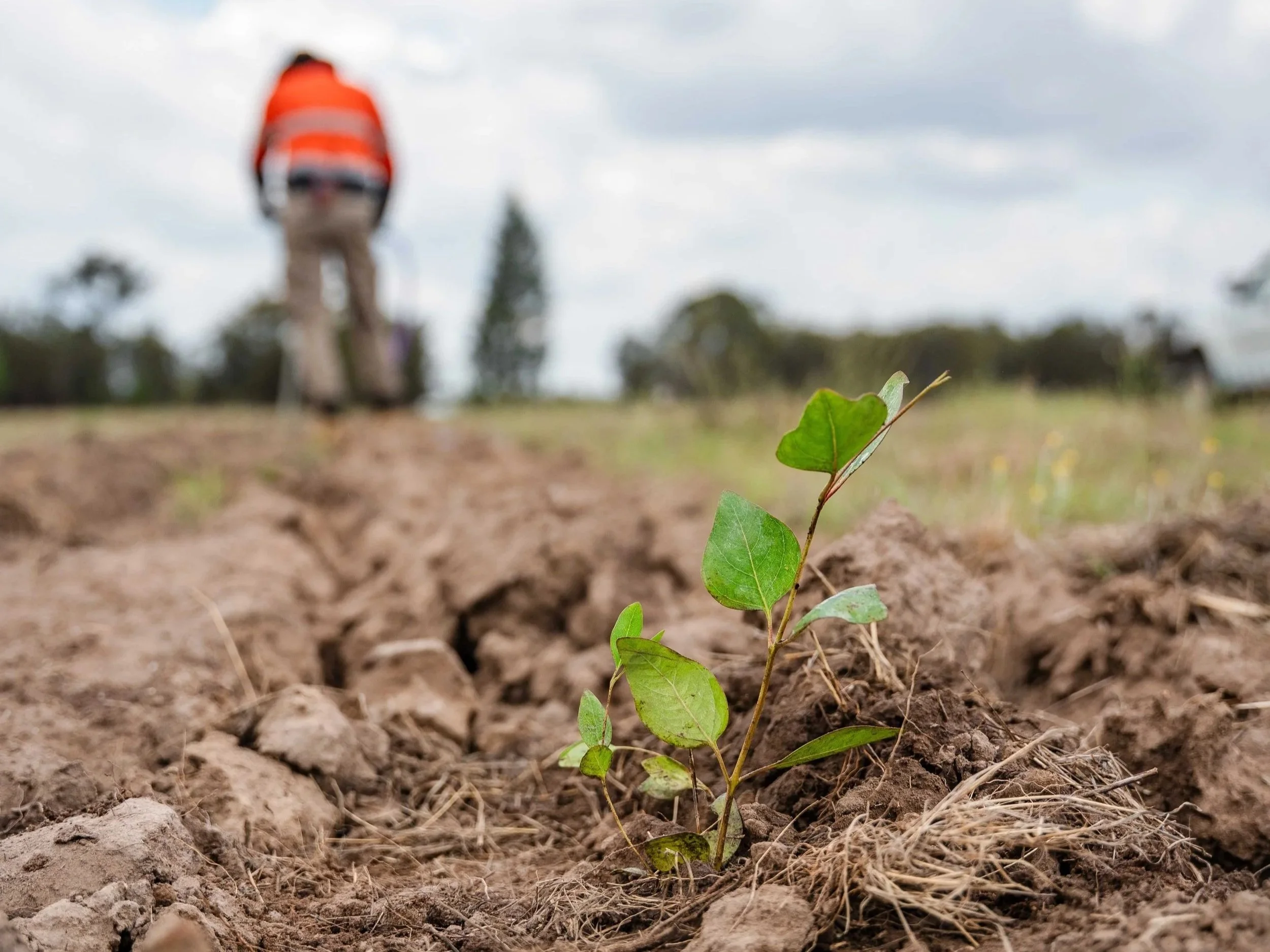
Across the mining, infrastructure and land development sectors, restoration has become a central measure of environmental performance. Increasing regulatory scrutiny, ESG commitments and closure obligations mean that operators have to do more than just plant vegetation, they need to make sure it flourishes long-term. In other words, rehabilitation outcomes are no longer optional - they must be demonstrable, durable and defensible
In response, new technologies have emerged promising faster deployment, large-scale planting and increasingly sophisticated monitoring. While these tools can play a valuable role, they risk reinforcing a persistent misconception:
Landscape restoration is not defined by how much is planted, but by whether the resulting ecosystems function and endure.
Bowen Gully Rehabilitation Project: A Foundational Reef Credit Project
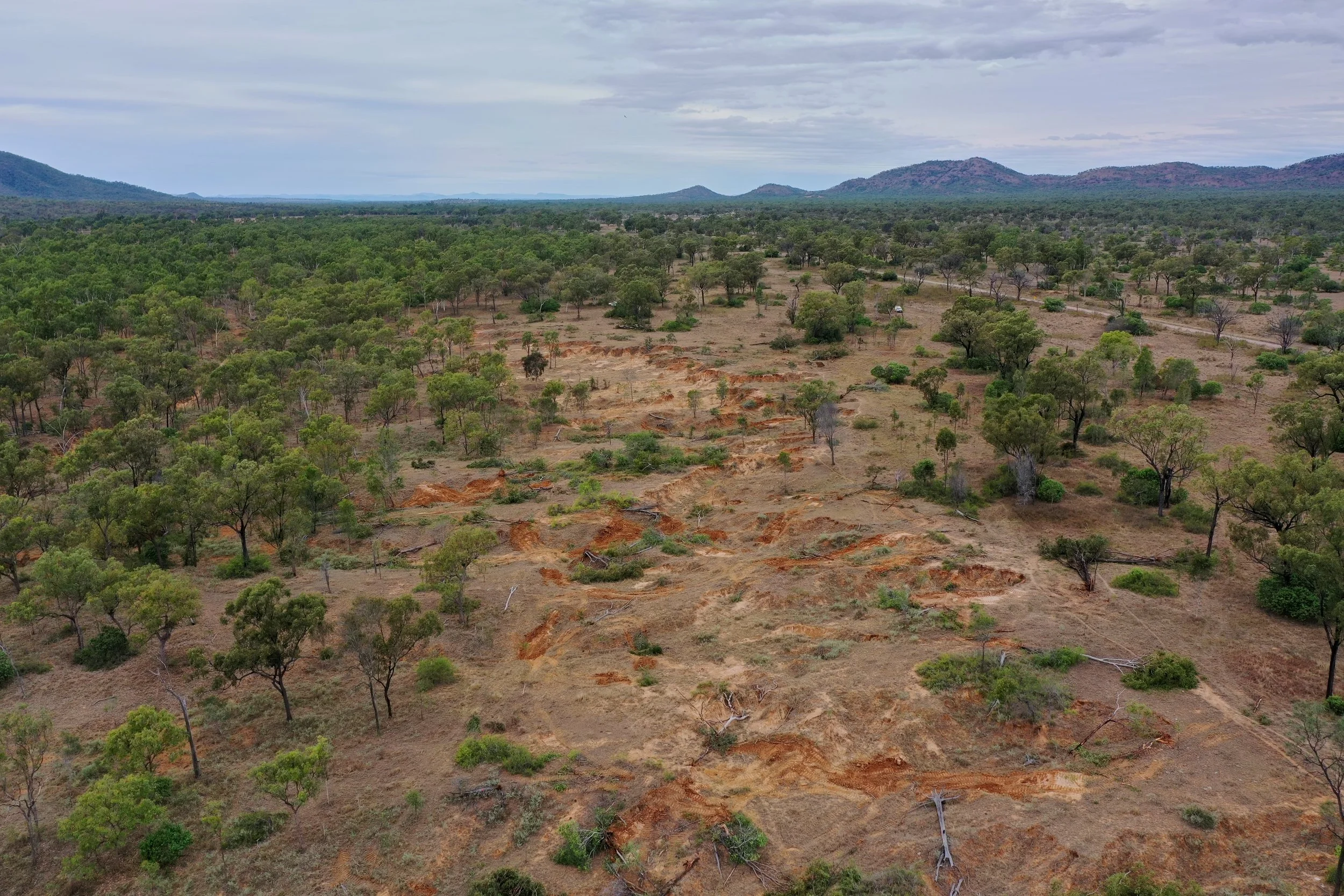
Queensland’s Bowen River catchment has the dubious honour of being home to some of the highest sediment loads entering the Great Barrier Reef. But now, a groundbreaking project aims to help change that by setting a new benchmark for privately funded gully repair.
Operating under the Reef Credits Gully Method, the Bowen Gully Rehabilitation Project, completed construction in September, and has the potential to reduce sediment load to the Great Barrier Reef by up to 500 tonnes per year. Verterra Ecological Engineering delivered the project, leveraging its deep expertise in land rehabilitation and soil amelioration to deliver a solution that will transform the eroded landscape and help safeguard the future of the Great Barrier Reef.

What Makes Reforestation Successful?
As demand for climate-positive land use grows, reforestation projects are becoming increasingly common across Australia. Whether driven by regulatory requirements, sustainability goals, or carbon market participation, these projects present an opportunity to restore native ecosystems but only if they’re planned and implemented with ecological integrity in mind. We spoke with one of Verterra’s environmental and forest scientists, Kristiina Marquardt, to explore what’s really required to design and deliver a successful reforestation effort.

Turning Natural Capital into Business Value in the Fitzroy Catchment
As the demand for measurable ESG outcomes accelerates, forward-thinking organisations are shifting from offset-based compliance to on-ground investment in natural capital. A leading example is the Fitzroy River Water Quality Improvement Project, delivered by Verterra Ecological Engineering.