
Early vegetation cover is an important sign of mine rehabilitation progress, but it does not confirm that the underlying soil and ecosystem will continue to function. A paper presented by Dr Bernhard Wehr at Mine Closure 2026 argues that rehabilitation should also be assessed by its trajectory towards the intended post-mining land use.
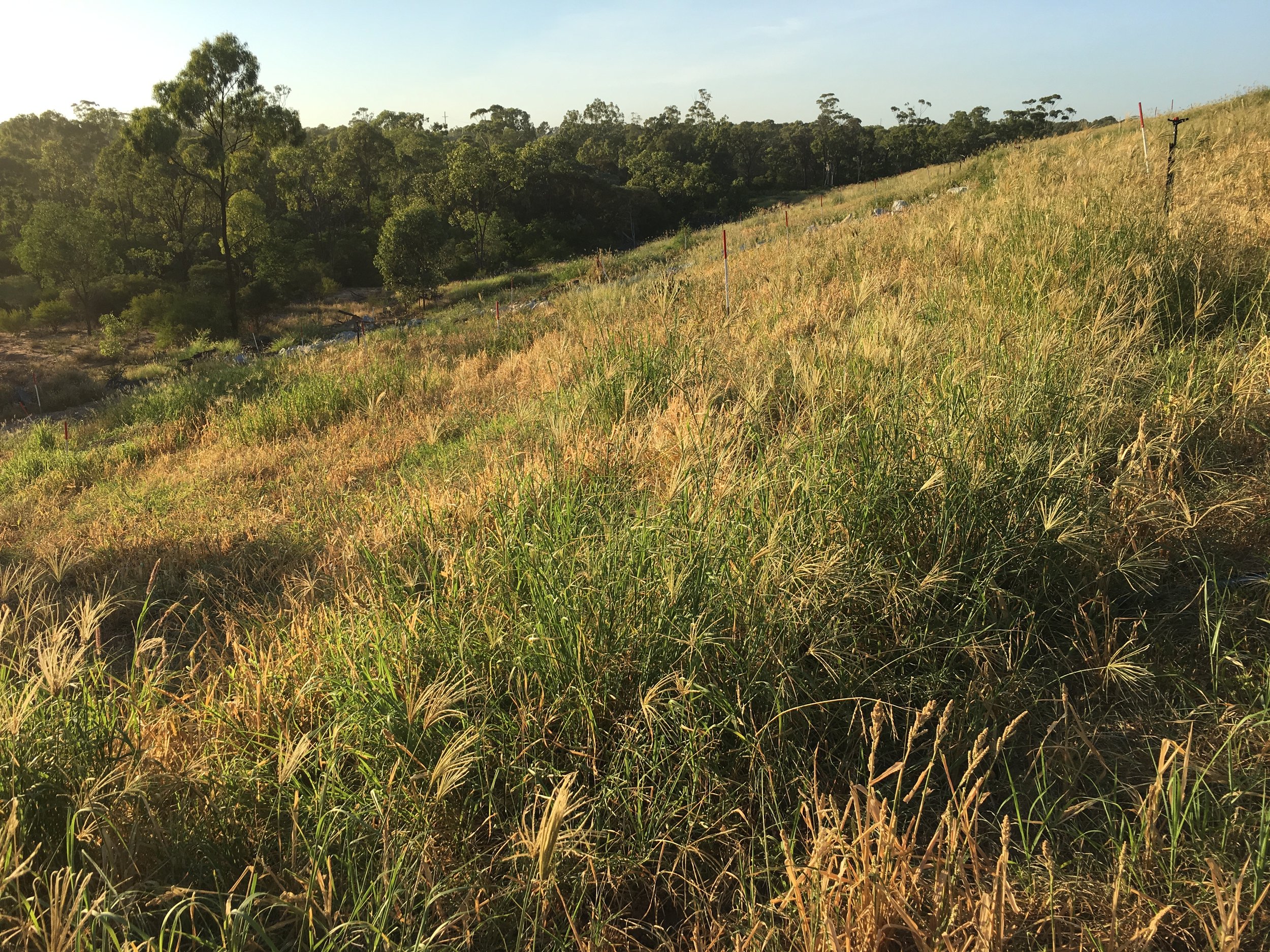
Successful mine site rehabilitation managed by Verterra Ecological Engineering
A newly rehabilitated mine site starts from a point of major disturbance. Soil horizons may have been removed or mixed, topsoil may have spent years in stockpiles, and the materials available for reconstruction can differ substantially from the soils supporting nearby reference ecosystems.
Despite this, rehabilitation performance is often judged through point-in-time comparisons with mature analogue sites. This can create unrealistic expectations about how quickly a manufactured growth medium should resemble natural soil, while providing limited evidence about whether the rehabilitated system is developing in the right direction.
At Mine Closure 2026 in Melbourne, Verterra Principal Soil Scientist Dr Bernhard Wehr presented a paper proposing a stronger basis for assessment. Building on earlier technical guidance prepared by Verterra for the Office of the Queensland Mine Rehabilitation Commissioner, the 2026 paper argues that rehabilitation trajectories provide more meaningful evidence of progress than condition alone.
Early vegetation success can mask longer term risk
Vegetation may establish quickly after rehabilitation because fertiliser, mulch, stored soil moisture or favourable seasonal conditions provide an initial boost. The site can appear successful while plants are drawing on a finite pool of available nutrients and water.
However, performance may deteriorate several years later if those resources are exhausted, if roots encounter a compacted, saline, sodic or acidic layer, or if the soil has not developed the biological processes needed to cycle nutrients. Amendments such as gypsum and fertiliser may also require further application if structural stability or fertility declines.
This is why vegetation cover at a single point in time cannot provide the full picture. The stronger test is whether soil and vegetation are developing together in a way that can sustain the intended post-mining land use.
Analogue sites define the destination
Reference and analogue sites remain important. They help define the vegetation community, soil fertility and ecological functions associated with the desired post-mining land use. However, the new 2026 paper makes an important distinction: a mature reference ecosystem is better used to describe the long-term destination than as an immediate compliance target for a recently reconstructed site.
A growth medium manufactured from subsoil or spoil may have a different texture, mineralogy, depth and water-holding capacity from the reference soil. These differences influence rooting depth, nutrient availability and the amount of soil organic carbon the medium can accumulate. In some circumstances, matching every reference-site soil value may be physically unattainable even when the rehabilitated system is functioning effectively.
Targets therefore need to reflect the intended land use, the properties of the available materials and the time required for soil-forming processes to occur. This is particularly important for Australian native ecosystems, which may take decades to approach a relatively stable condition.
Soil fertility develops as the ecosystem develops
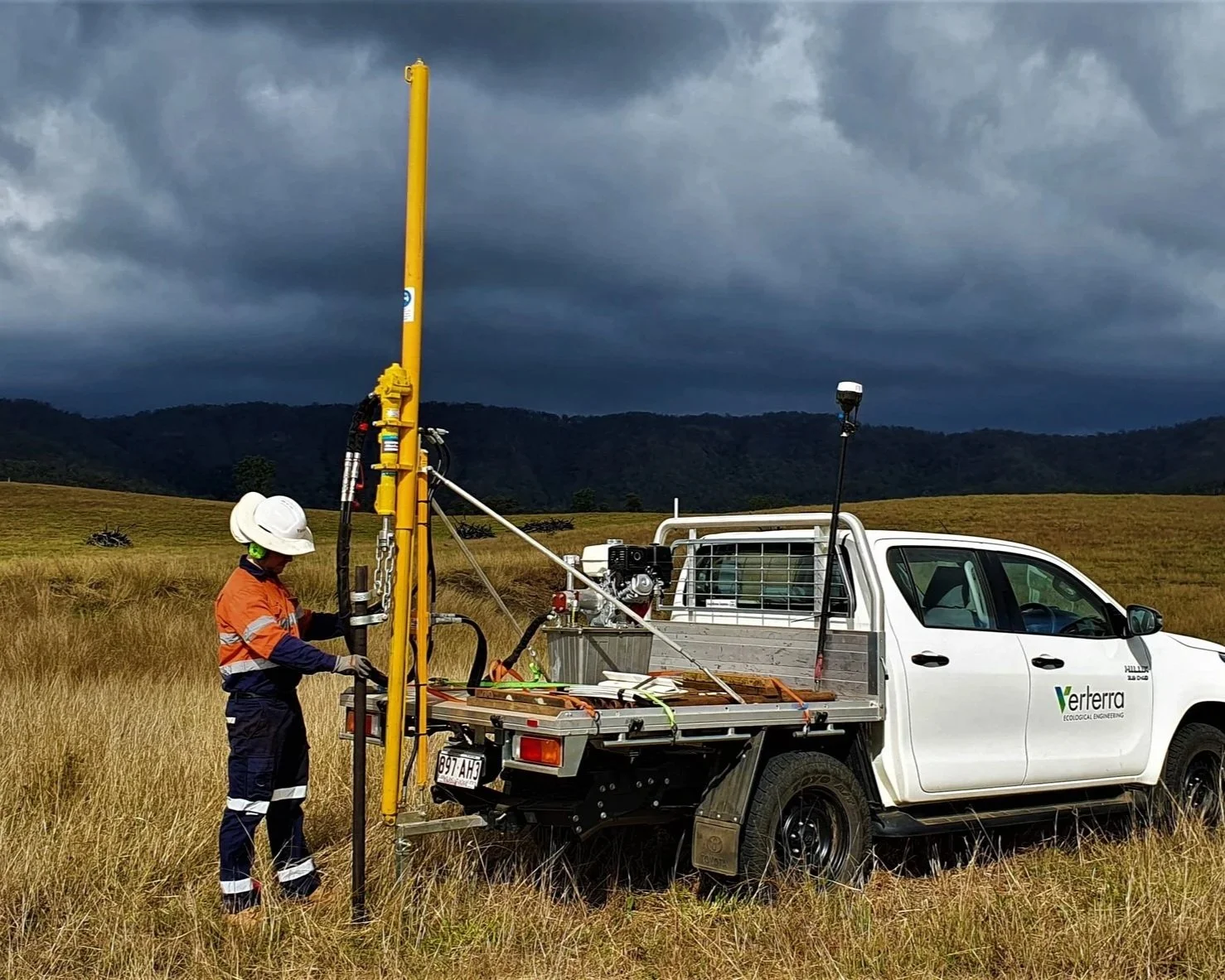
The paper presented at Mine Closure 2026 explains how fertility changes during this period. Manufactured growth media are initially low in soil organic carbon and in organic forms of nitrogen and phosphorus. Fertiliser and organic amendments may supply the nutrients needed for establishment, but these inputs are vulnerable to leaching, runoff, volatilisation and biological breakdown while the surface remains largely bare.
As vegetation establishes, nutrients are progressively transferred into roots, shoots, litter and soil organic matter. Microbial communities and soil fauna then help return nutrients from decomposing material to the soil, creating the cycling processes needed for longer-term fertility. Establishing vegetation quickly can help retain applied nutrients, but the early species mix must also support the intended ecological succession rather than prevent it.
Soil organic carbon is particularly useful in understanding this development because it is linked with biological activity, nutrient cycling, aggregation and water-holding capacity. Its interpretation still requires care. The amount of carbon a growth medium can accumulate depends on factors including clay content, mineralogy, climate and organic inputs, so an absolute comparison with a different reference soil can be misleading.
The paper cites reported soil carbon accumulation rates of approximately 0.4 to 5.7 tonnes per hectare per year across different soils and climates. It also refers to a rehabilitated mine soil where total nitrogen and phosphorus had reached only 47% and 33% of control levels after 16 years. These figures are not proposed as universal benchmarks. They illustrate why soil development must be considered over appropriate timeframes.
Different post mining land uses follow different pathways
The trajectory should also reflect how the intended land use functions. A grazing system exports nutrients through livestock production and generally requires ongoing nutrient replacement and grazing management. Native woodland should develop towards greater internal nutrient cycling as plant litter, roots and biological activity build over time.
The early management of these systems may therefore look quite different. Pasture establishment can provide relatively rapid groundcover and erosion control. Native woodland rehabilitation must balance early surface protection with the longer-term establishment of trees, shrubs and other target species. Excessive phosphorus can favour dense groundcover and Acacia-dominated communities at the expense of slower-growing species, altering the intended succession.
A credible trajectory cannot be defined without first being clear about the post-mining land use and the soil functions it requires.
Soil and vegetation monitoring need to work together
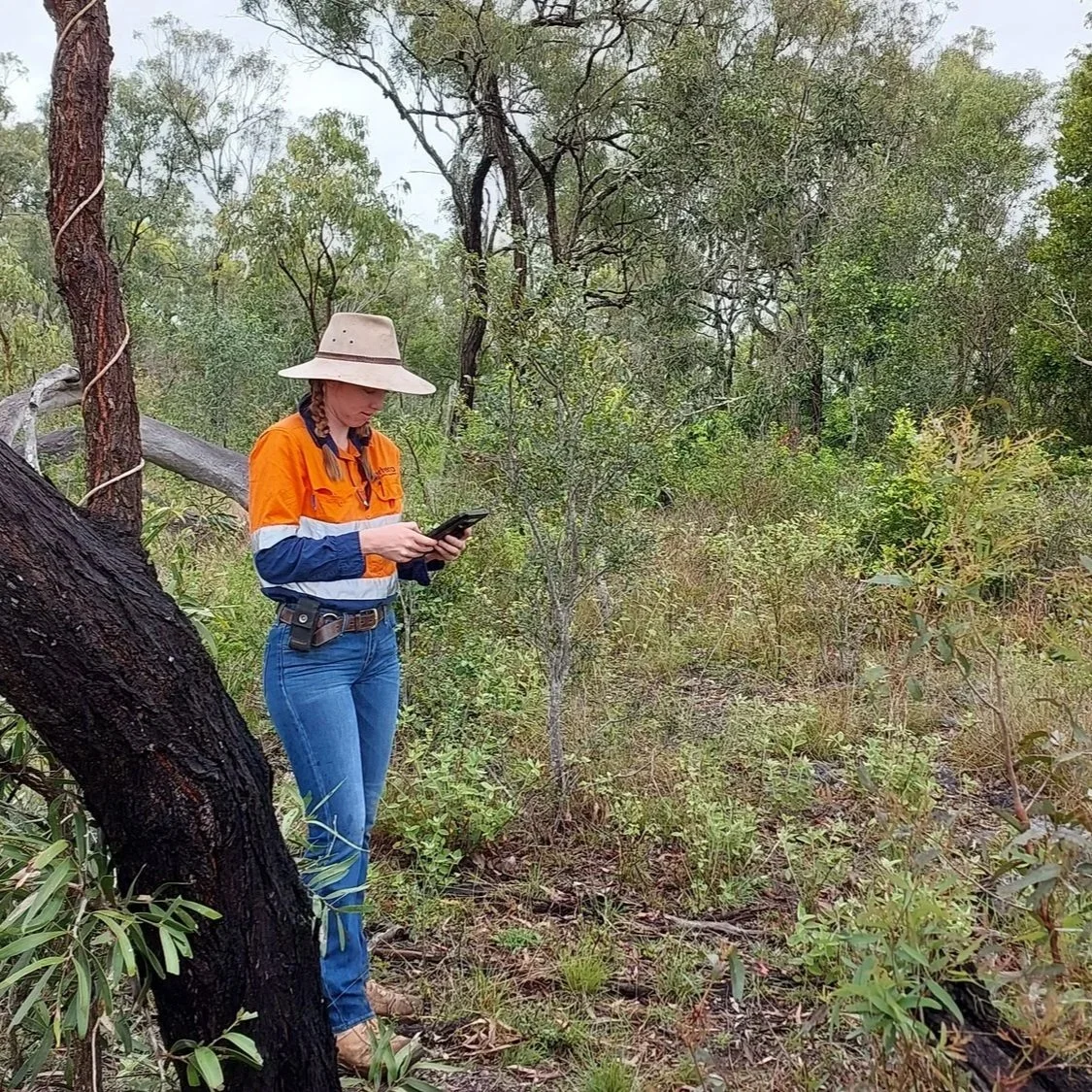
Vegetation monitoring shows what is establishing above the surface. Soil monitoring helps explain whether that vegetation is likely to persist. Used together, they provide a stronger basis for assessing rehabilitation progress and diagnosing emerging risks.
Relevant soil indicators can include pH, salinity, dispersion, available nutrients, soil organic carbon, water-holding capacity and effective rooting depth. Vegetation monitoring can examine cover, biomass, species composition, recruitment and persistence. The appropriate indicators and expected rates of change should be selected for the intended land use and the constraints identified at the site.
The paper recommends annual soil sampling until vegetation is well established, followed by less frequent monitoring as the system matures. Performance should be observed across disturbances such as drought and flood, because a trajectory that appears positive under favourable conditions may not be resilient when conditions change.
Monitoring should support timely intervention
Trajectory monitoring is most useful when it is connected to adaptive management. The expected direction of change and the conditions that would trigger further investigation or treatment should be defined in advance.
Stalled soil carbon accumulation, persistent salinity within the root zone, declining nutrient availability or failure of target species to establish can indicate that the system is moving away from the intended outcome. Detecting these changes early gives mine operators an opportunity to investigate the cause and intervene before deterioration becomes difficult or costly to reverse.
This approach also creates a clearer evidence base for rehabilitation decisions. It shows whether interventions are working, whether assumptions made during growth media design remain valid, and whether the system is becoming more capable of sustaining itself over time.
Where alternative growth media design fits
The five-stage framework developed in the earlier technical paper remains the practical foundation: define the post-mining land use, identify and characterise available materials, design site-specific amelioration, test the proposed treatments and monitor performance. This new paper advances this framework by explaining how the final stage should be used to evaluate progress and guide management over the longer term.
For mines facing topsoil deficits, this provides a more defensible pathway from growth media design to closure evidence. Suitable materials and amendments still matter, but their success is demonstrated through the subsequent development of soil function, vegetation performance and resilience.
A stronger basis for closure confidence
Mine rehabilitation is a long-term process of ecosystem development. A site does not need to match every characteristic of a mature reference ecosystem during its early years, but it should provide evidence that it is moving towards the intended outcome at a credible rate.
Assessing trajectory alongside condition allows mines to set more realistic targets, recognise emerging risks and respond before performance fails. It also provides regulators and stakeholders with evidence that rehabilitation is developing the functions required to support a sustainable post-mining land use.
Contact us to request a copy of the Mine Closure 2026 paper: An approach to creating alternative growth media for the revegetation of mines by Bernhard Wehr, Glenn Dale, Adam Costin and Louisa Nicolson.