
Biosolids in Australia: Separating Myths from Reality
A guide for landholders, advisors and industry partners
Across Australia, biosolids are becoming an increasingly valuable resource for improving soil health, boosting productivity and closing nutrient loops. Yet despite decades of safe use and clear State and National guidelines for usage, misconceptions still hold many landholders back from taking advantage of this opportunity.
At Verterra, we work with utilities, processors and farmers to develop safe, reliable and scientifically robust biosolids programs. Below, we break down some of the most common myths—and the real facts behind them.
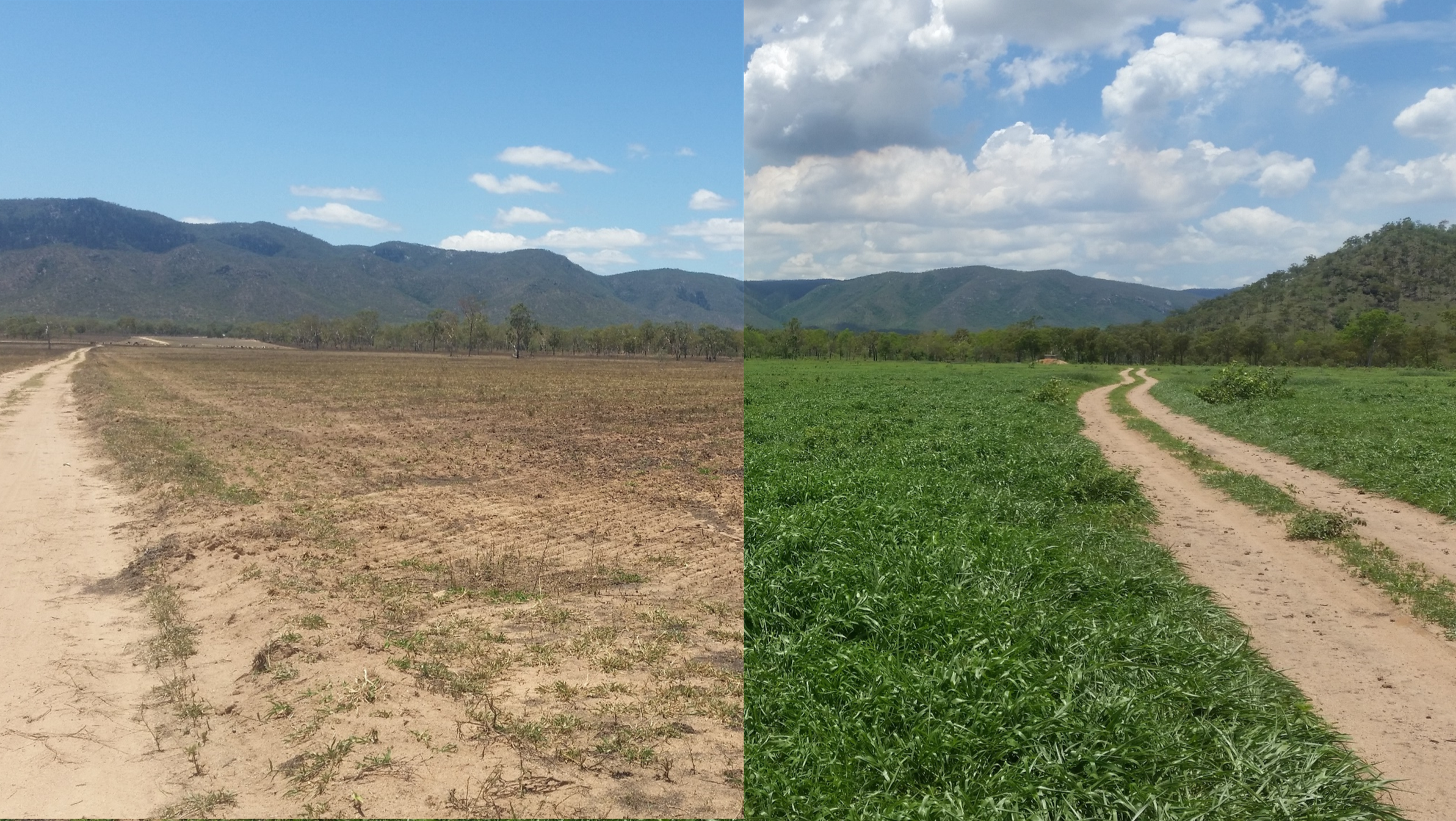
Pasture before (left) and after (right) application of biosolids followed by wet season.
Myth 1: “Biosolids smell too bad to use on farms.”
Reality: Odour is one of the most common concerns with biosolids, but modern treatment, classification and application practices significantly reduce this issue.
High-quality biosolids are stabilised and treated to minimise odour, and careful timing of transport, spreading and ploughing it in- plus appropriate buffer distances - help avoid negative impacts. Most Australian biosolids reuse programs actually operate with minimal community complaints.
Verterra’s approach:
We assess odour risk and application timing.
We establish science-based buffer zones and then extend them. For example, if the regulation is 250m, we will aim for 500m to offer additional protection neighbours and minimise any impact.
We work closely with farmers and neighbours to answer questions and maintain good community relations.
Myth 2: “Biosolids are unsafe because they're made from sewage.”
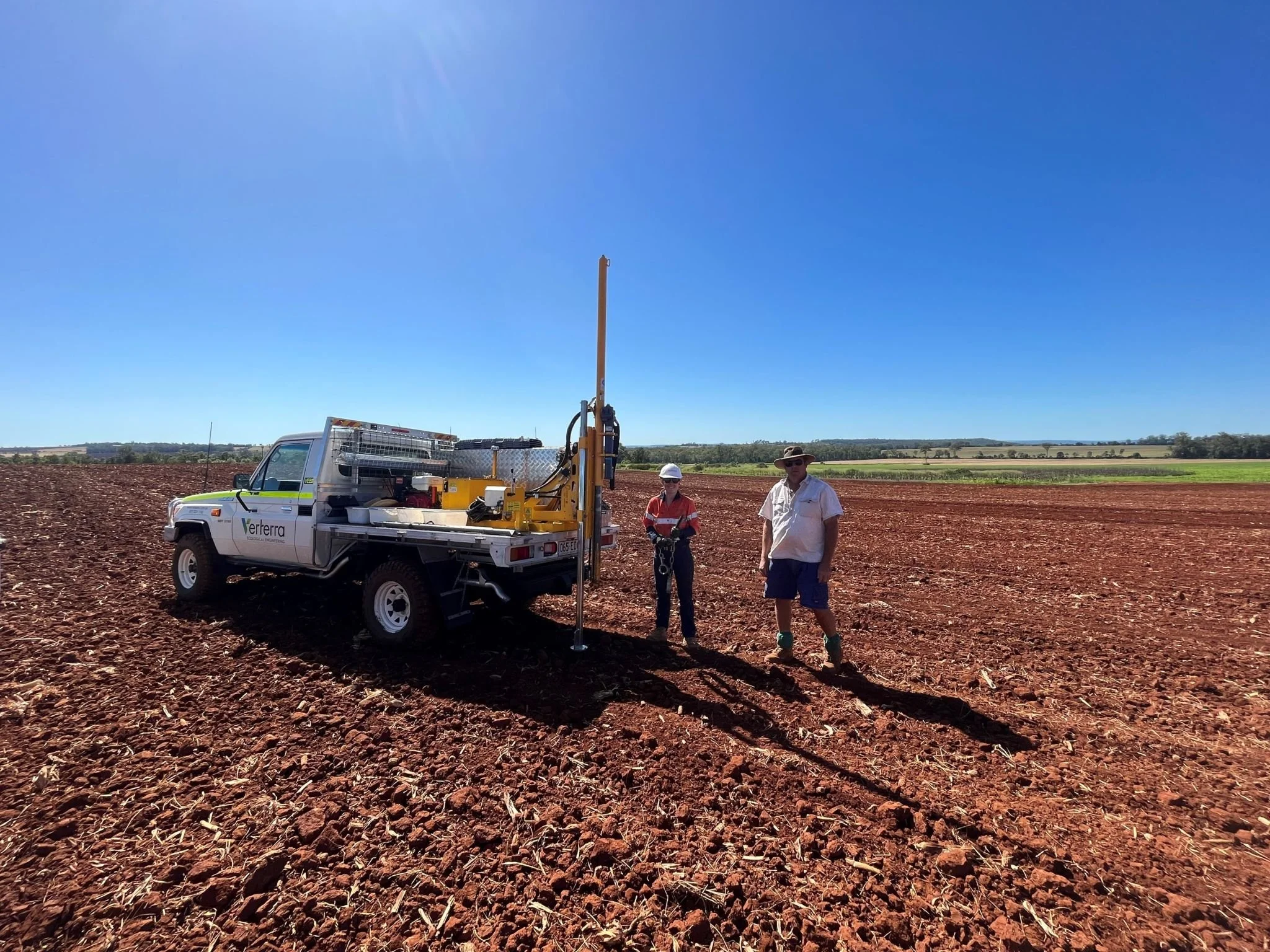
Reality: Australian biosolids are treated to strict National and State standards that require the removal of pathogens and reduction of contaminants to levels regarded as safe for agriculture.
Advanced processes - such as composting, pasteurisation, digestion and stabilisation - ensure biosolids meet stringent quality classes before land application.
Verterra’s approach:
We only work with certified, guideline-compliant biosolids.
We conduct independent testing to verify safety.
We integrate biosolids with broader soil health and risk-management strategies.
Myth 3: “Biosolids contaminate soil with heavy metals or chemicals.”
Reality: Australia has some of the most conservative contaminant limits in the world.
Biosolids are routinely tested for metals, organic compounds and emerging contaminants, and application rates are calculated to keep soil concentrations well within safe limits.
PFAS, microplastics and other emerging issues are closely monitored through updated guidance and continual research.
Verterra’s approach:
We carry out rigorous contaminant testing and nutrient profiling.
We use science-based application rates tailored to soil type and land use.
We maintain transparent communication around emerging science and regulatory updates that impact biosolid usage.
Myth 4: “Biosolids will harm my markets or food safety certifications.”
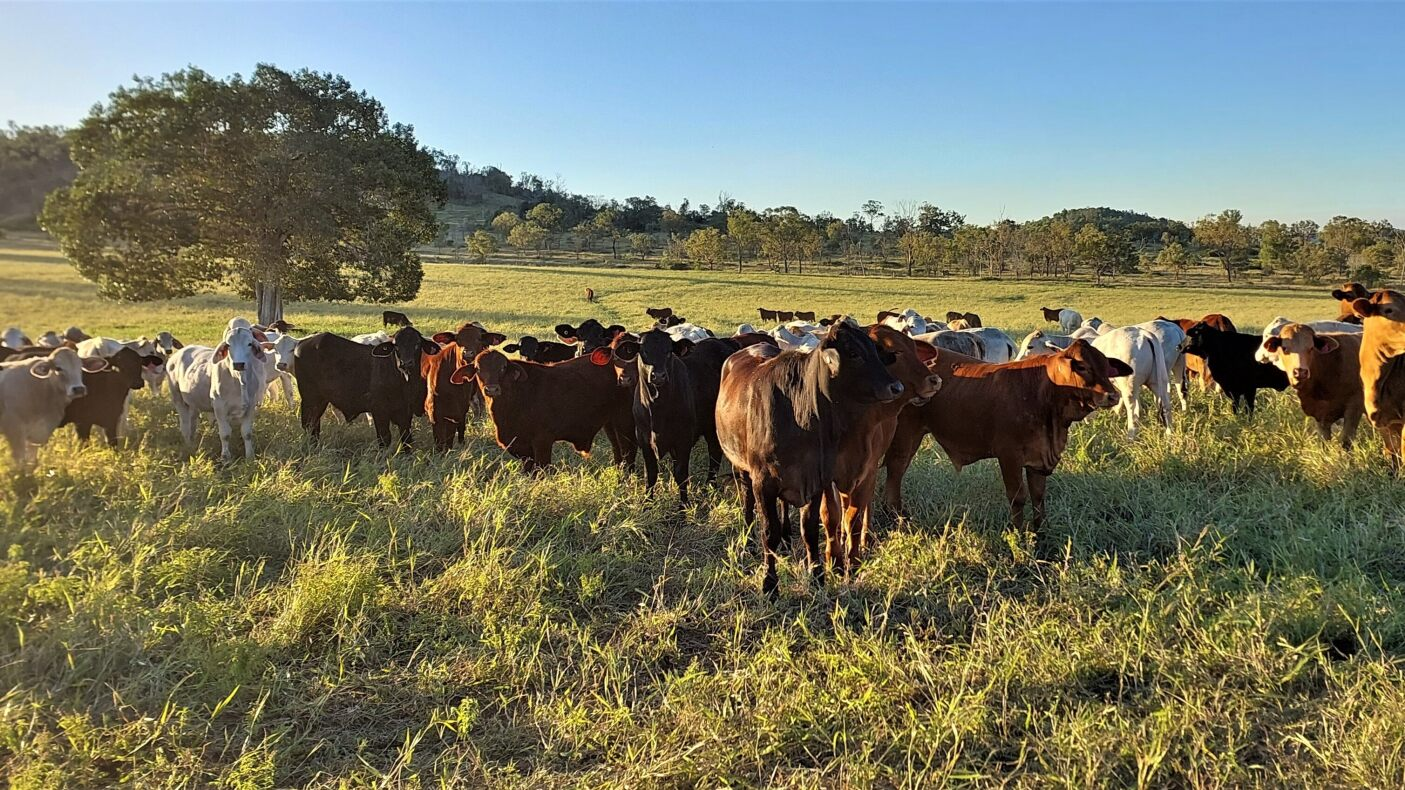
Reality: When applied in accordance with State guidelines, biosolids are safe for food and fibre production.
Many Australian industries - including broadacre cropping, forestry and pastures - have successfully integrated biosolids for decades. Withholding periods and land-use restrictions are clearly defined to ensure safety and protect market access.
Verterra’s approach:
We aligns biosolids programs with accreditation requirements to protect farmer interests.
We provide clear guidance on withholding periods and paddock management.
We ensure transparency for processors, supply chains and customers.
Myth 5: “It’s too complicated—biosolids just make farming harder.”
Reality: With the right support, biosolids can simplify fertiliser planning and reduce input costs. Yes, biosolids require nutrient budgeting and appropriate timing - but these are standard agronomic practices. Once integrated, many producers find biosolids improve soil organic matter, water retention and productivity with less reliance on synthetic fertilisers.
Verterra’s approach:
We felps farmers optimise nutrient use based on crop and pasture needs.
We align biosolids application with existing management plans.
We uses data-driven monitoring to demonstrate improvements over time.
Myth 6: “Transport,spreading and incorporation are too messy or disruptive.”

Reality: Modern biosolids programs are designed for efficiency, safety and minimal on-farm disruption.
Purpose-built equipment, careful transport scheduling and site-specific management plans keep operations clean and predictable.
Verterra’s approach:
We complete detailed site assessments to minimise traffic and soil compaction.
We use purpose-built spreading systems.
We incorporate biosolids into the soil as soon as possible – within 36 hours max - which not only reduces odour but also ensures nutrients are captured for improved soil health.
We communicate clearly so landholders and neighbours know what to expect.
Myth 7: “My neighbours or local council won’t approve.”
Reality: Community perception can be managed with good planning and transparent communication.
Most concerns stem from misunderstanding - once neighbours understand the treatment process and benefits, resistance often decreases.
Verterra’s approach:
We provide community-friendly communication materials.
We undertake proactive notification and engage with neighbours and councils to answer their questions.
We provide evidence-based messaging to build social licence.
The Bottom Line: Biosolids are a safe, valuable and sustainable resource

When managed well, biosolids offer Australian farmers a powerful tool to:
Improve soil fertility and structure
Boost pasture and crop productivity
Increase soil carbon
Reduce reliance on synthetic fertilisers
Support circular-economy solutions and sustainability credentials
Just look at this example to see the impact biosolids can have on pasture health - before (left) and after application of biosolids (right).
With Verterra’s ecological engineering expertise - and our integrated Prove-Improve-Value framework - biosolids become one part of a broader strategy to enhance land productivity, resilience and natural capital.
Talk to our team at Verterra or DROVER Land Management to discuss your options and explore whether biosolids are right for you and your operation.