
Latest Insights
Insights on ecological engineering, mine rehabilitation, landscape rehabilitation, water reuse, biosolids, revegetation, forestry and natural capital from Verterra’s team of scientists and engineers.
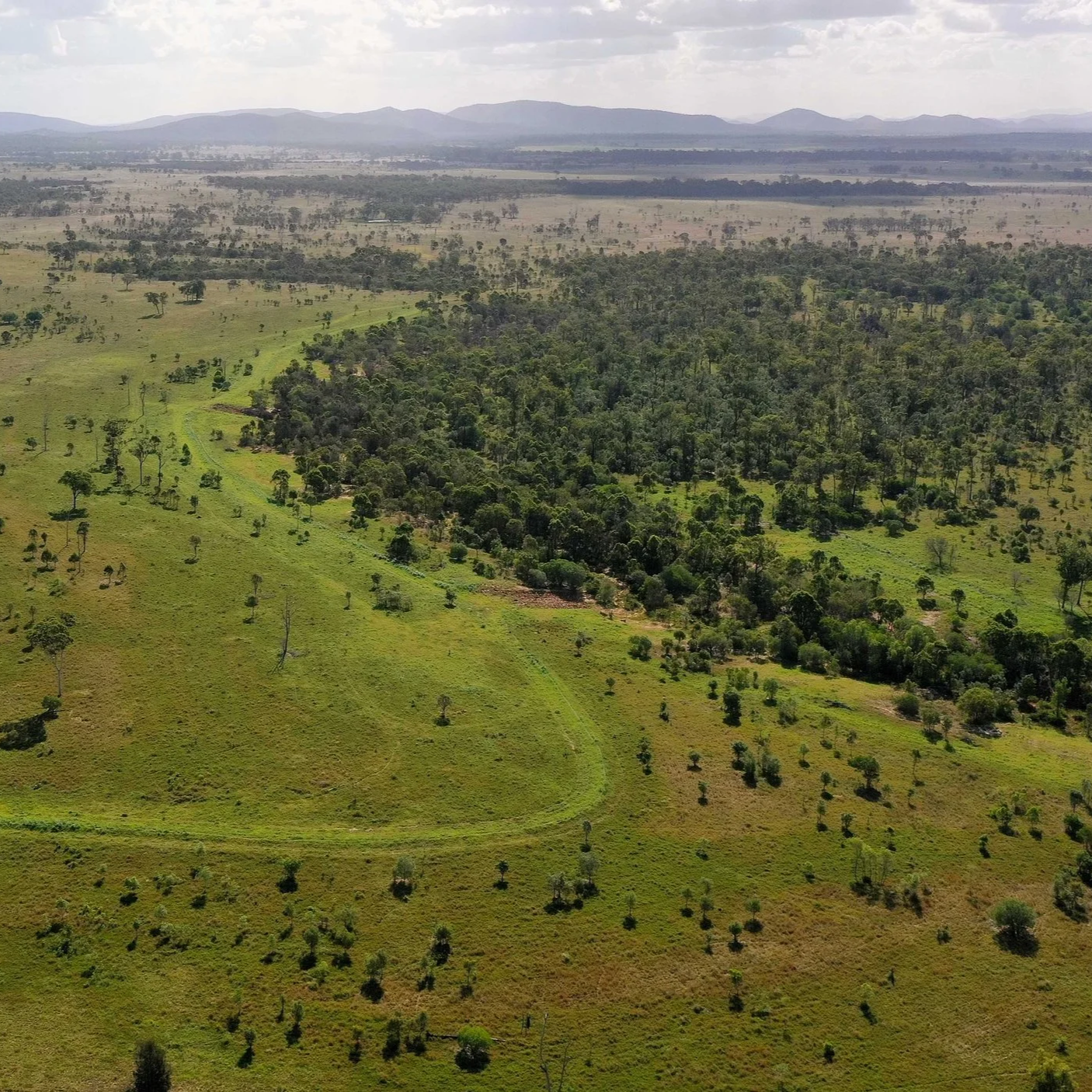
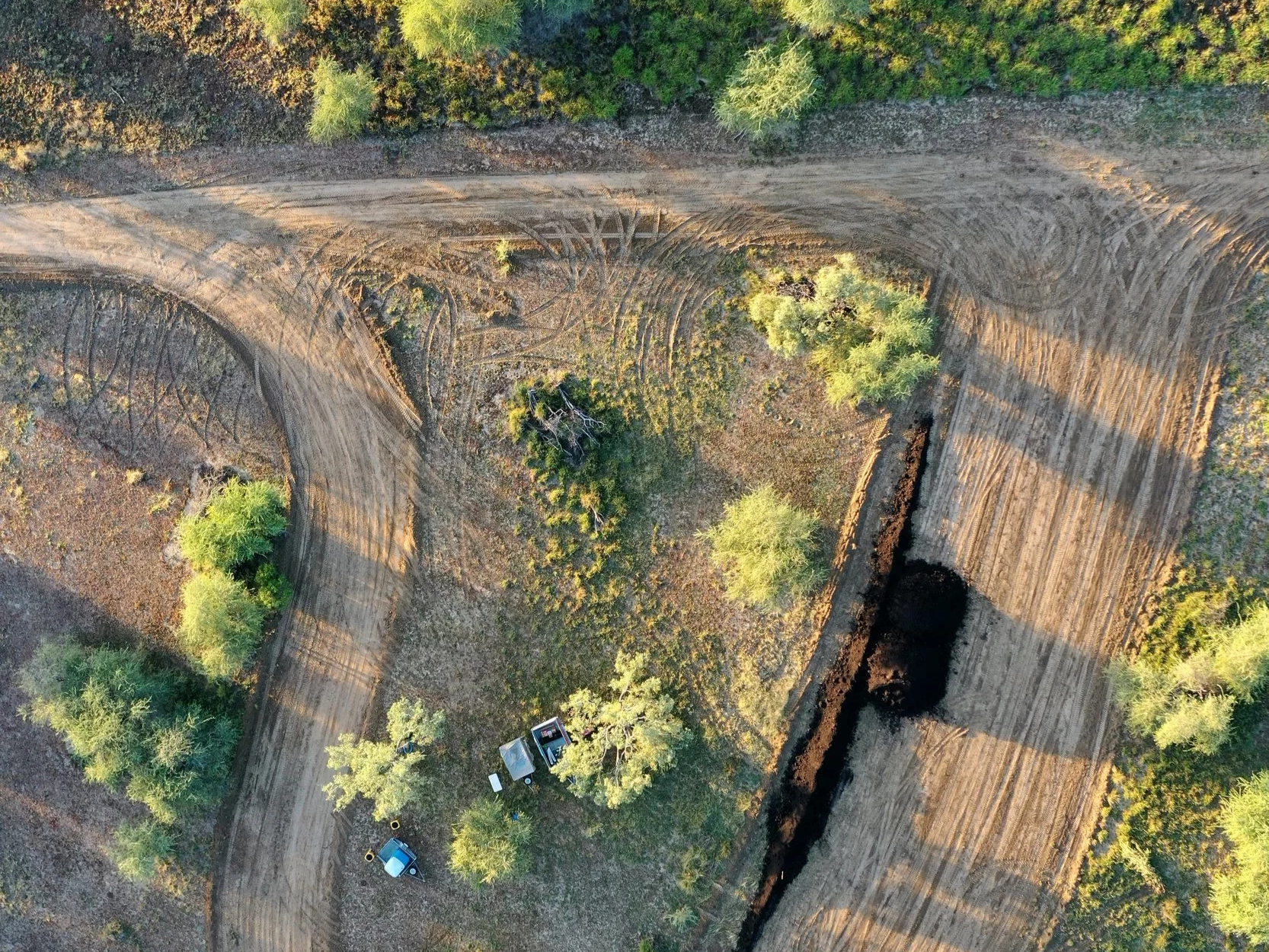
Why the Future of Natural Capital Investment Depends on Best and Highest Land Use
Natural capital investment is accelerating globally. The Taskforce for Nature-Related Financial Disclosure (TNFD) and climate-related reporting frameworks are increasing corporate demand for credible ecosystem outcomes and nature-positive investment. But as investment grows, an important question is emerging:
What actually makes landscapes perform over the long term?
Not just financially, but ecologically, operationally, socially and economically.
Because long-term value is not created by isolated projects. It is created by landscapes that function as integrated systems, delivering diversified revenue streams and strong financial returns, while improving landscape function, biodiversity and catchment health.

Markets Matter, But Ecological Performance Matters More
Environmental markets are attracting new attention in Australia - and rightly so.
They have the potential to direct private capital into some of our biggest environmental and economic challenges: carbon reduction, biodiversity recovery, water quality improvement, landscape restoration and regional resilience.
What they achieve matters. Because the scale of repair required across Australia’s landscapes cannot be funded by government alone. Markets can help mobilise investment, reward stewardship and accelerate action where it is needed most.
But markets are not the whole solution.
Long-term environmental value is created when the underlying system functions -when soil, water, vegetation and biodiversity work together in a way that supports both ecological health and human needs.

From Waste Stream to Value Chain: Why Biosolids Outcomes Depend on End Users
Australia’s water sector is facing increasing pressure to reduce waste, recover resources and demonstrate circular economy outcomes. As a result, biosolids are beginning to move from a disposal challenge to a strategic resource stream.
But unlocking value from biosolids is not simply a matter of adopting the latest treatment technology. The long-term success of biosolids programs depends on whether the final product creates value for the people and industries expected to use it.

Why Australia Imports Fertiliser While Exporting Nutrients Every Day
Global concern over fertiliser supply chains has again highlighted a hard truth for Australian agriculture: we rely heavily on imported nutrients to sustain production. Our level of dependence leaves farmers exposed to the type of freight disruptions, currency movement and geopolitical shock the war between America, Israel and Iran has recently instigated.
Australia may import fertiliser, but at the same time, we allow valuable nutrients to leave productive systems every day. The real opportunity is not simply securing more fertiliser. It is building better nutrient cycling.
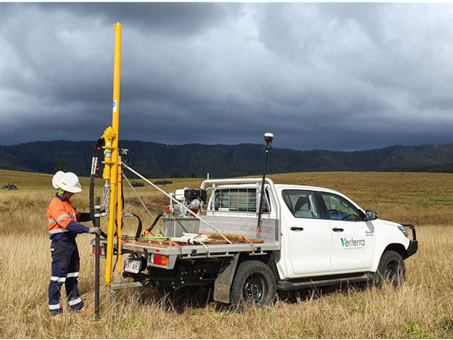
Why Soil Sampling is the Foundation of Successful Land Rehabilitation
When land rehabilitation fails, the cause is rarely at the surface. Vegetation struggles to establish. Slopes erode. Water runs off instead of infiltrating. Closure criteria are missed. Carbon, forestry, or biodiversity projects underperform. And ultimately, remediation costs escalate.
In most cases, the problem can be traced back to one thing: the soil beneath our feet.
At Verterra, soil sampling is not a box-ticking exercise. It is the foundation of every successful rehabilitation, soil amelioration and land-performance outcome we deliver.
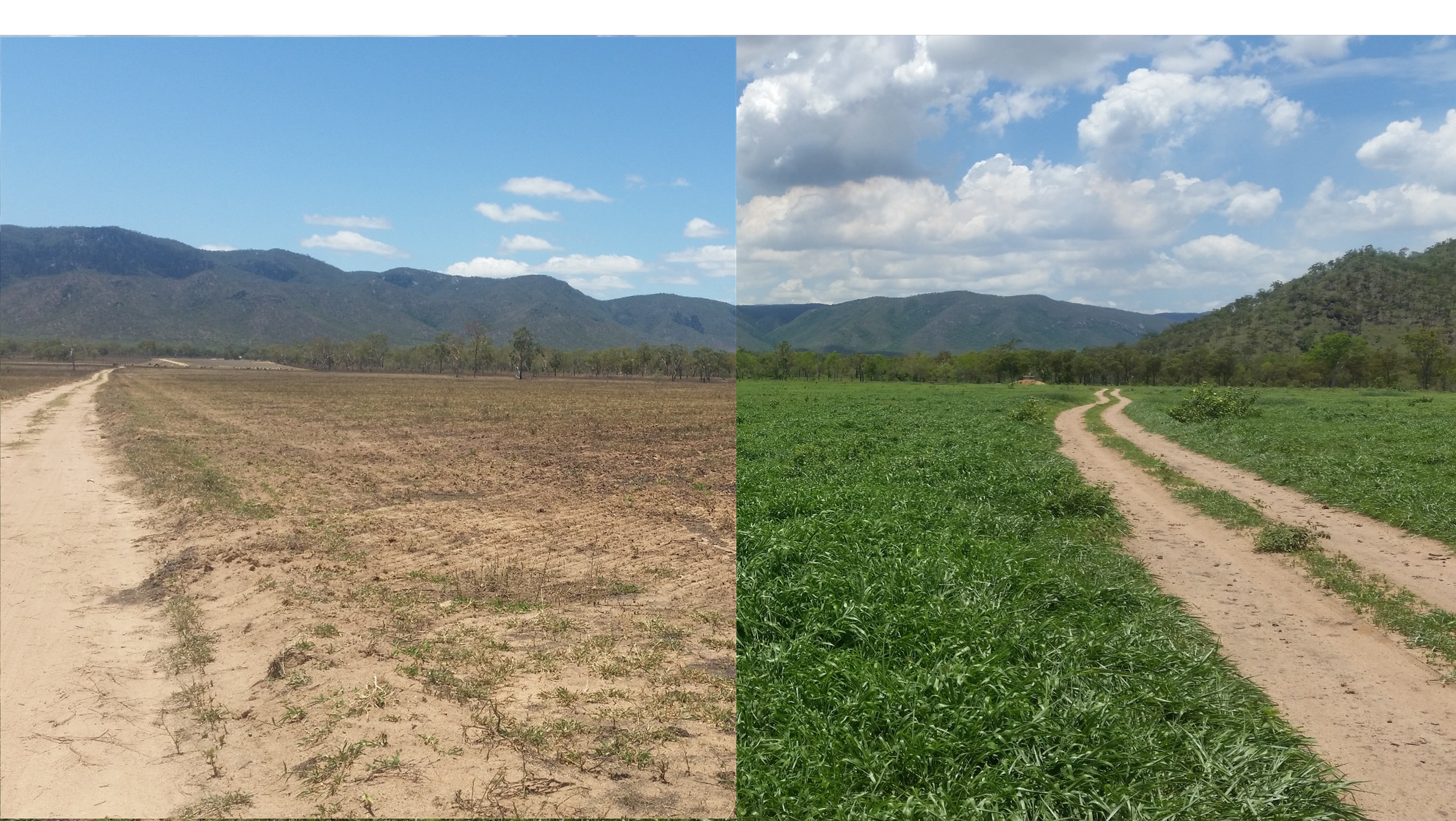
Biosolids in Australia: Separating Myths from Reality
Across Australia, biosolids are becoming an increasingly valuable resource for improving soil health, boosting productivity and closing nutrient loops. Yet despite decades of safe use and clear state and national guidelines for usage, misconceptions still hold many landholders back from taking advantage of this opportunity.
At Verterra, we work with utilities, processors and farmers to develop safe, reliable and scientifically robust biosolids programs. Below, we break down some of the most common myths—and the real facts behind them.

Aligning Ambition with Action: 5 Critical Success Drivers For The Australasian Water Quality Improvement Standard
As catchment pressures mount across Australia and New Zealand - whether from sediment load, nutrient runoff, or emerging pollutant threats - the spotlight is turning to how to convert ecological action into measurable outcomes, market signals, and lasting impact.
Enter the Australasian Catchment Water Improvement Standard (ACWIS), announced last month by Eco Markets Australia. Here, Verterra’s Sector Lead of Ecosystem Services, Andrew Yates, outlines 5 critical drivers that will determine success.
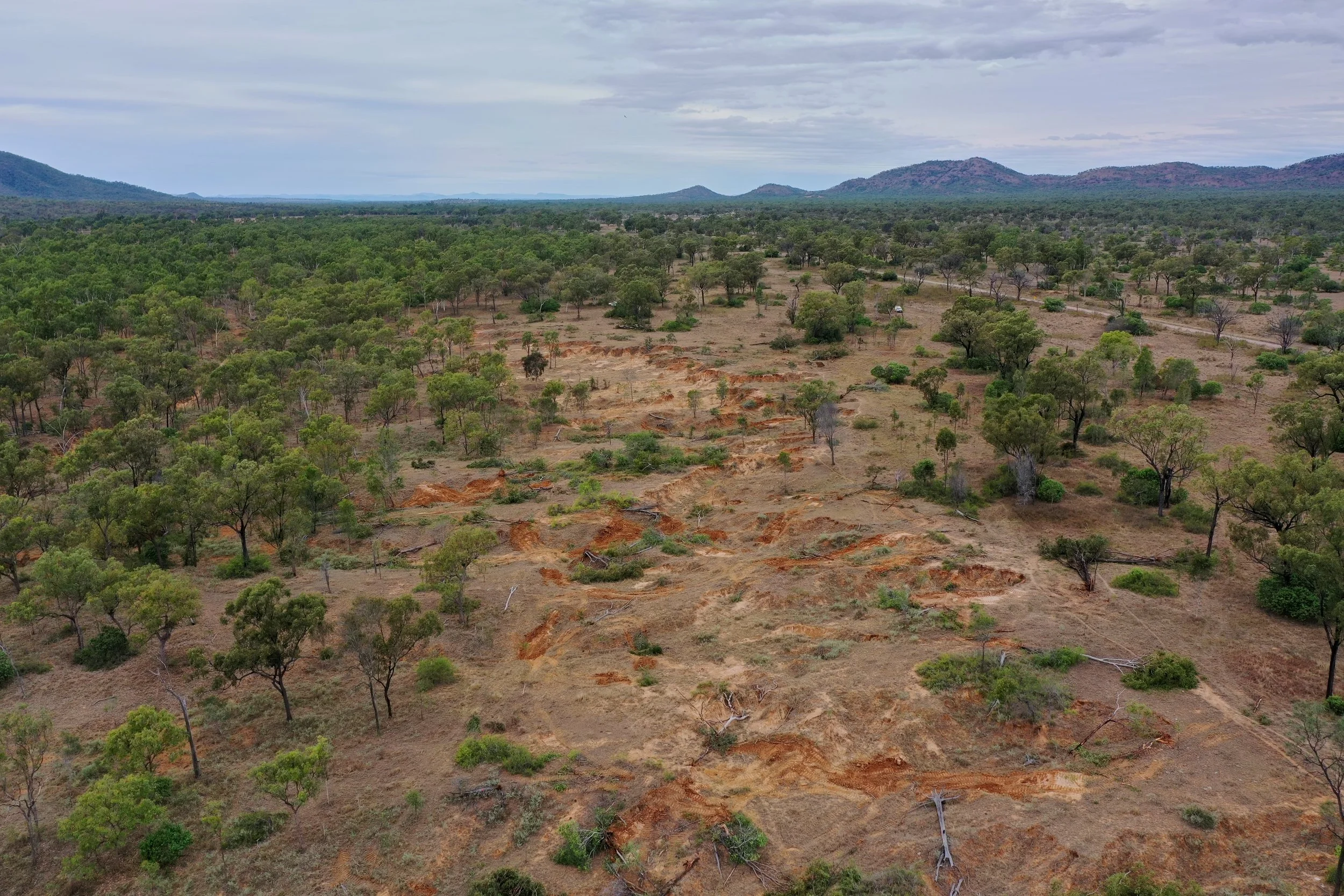
Bowen Gully Rehabilitation Project: A Foundational Reef Credit Project
Queensland’s Bowen River catchment has the dubious honour of being home to some of the highest sediment loads entering the Great Barrier Reef. But now, a groundbreaking project aims to help change that by setting a new benchmark for privately funded gully repair.
Operating under the Reef Credits Gully Method, the Bowen Gully Rehabilitation Project, completed construction in September, and has the potential to reduce sediment load to the Great Barrier Reef by up to 500 tonnes per year. Verterra Ecological Engineering delivered the project, leveraging its deep expertise in land rehabilitation and soil amelioration to deliver a solution that will transform the eroded landscape and help safeguard the future of the Great Barrier Reef.
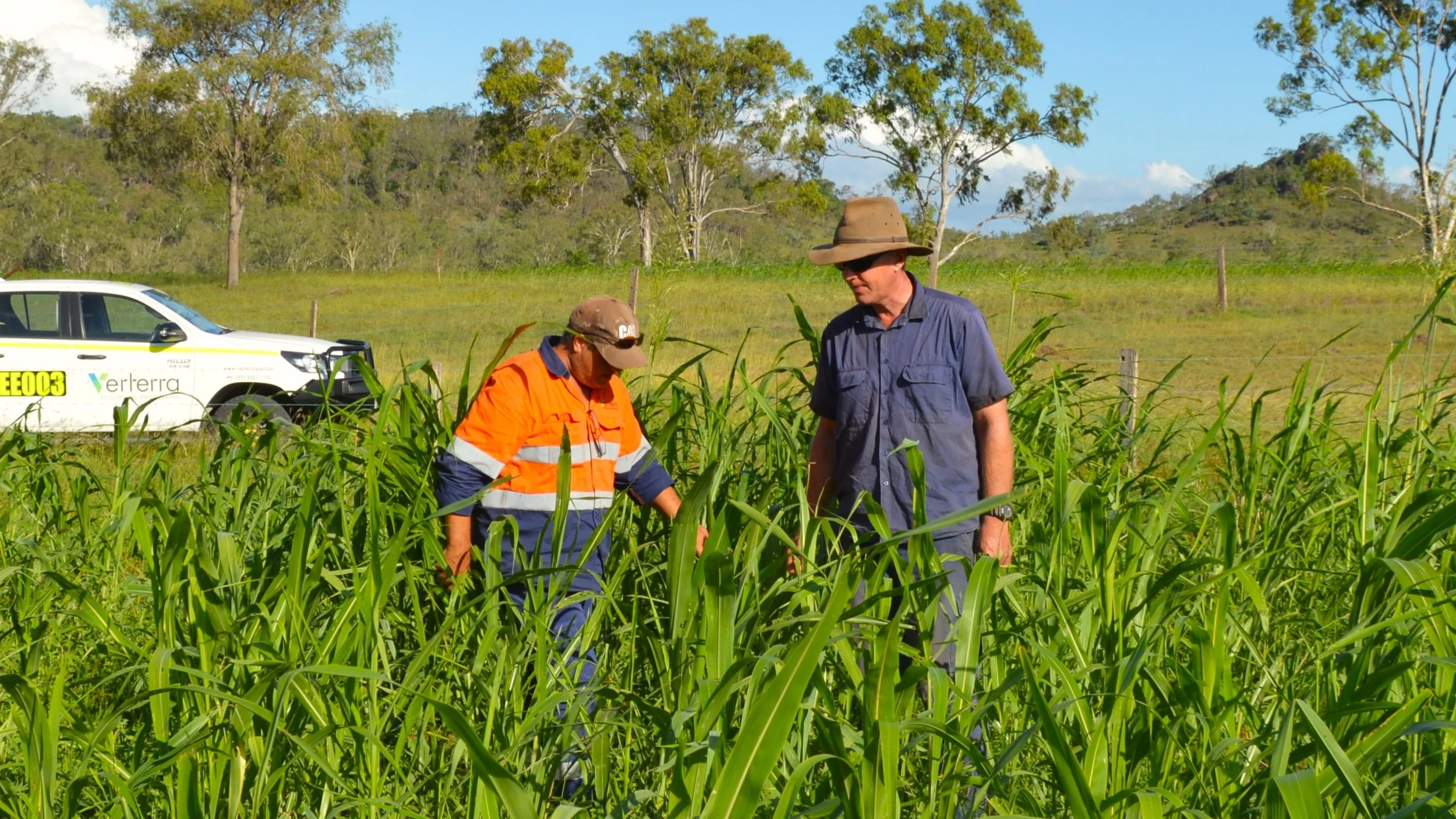
Ecosystem Services: A Smart Investment for Business and Nature
For decades, many companies have viewed the environment through a narrow lens: as a resource to extract from or a compliance obligation to manage. But this mindset is shifting — fast.

Turning Natural Capital into Business Value in the Fitzroy Catchment
As the demand for measurable ESG outcomes accelerates, forward-thinking organisations are shifting from offset-based compliance to on-ground investment in natural capital. A leading example is the Fitzroy River Water Quality Improvement Project, delivered by Verterra Ecological Engineering.

Expanding Australia's Carbon Sequestration Toolkit
While reforestation and environmental plantings remain vital tools, Australia's diverse landscapes offer many more innovative opportunities for carbon capture.

How much Carbon does one Tree store?
Plants “breathe in” CO2 and “exhale” oxygen, in the process storing carbon, but just how much does the average tree (and forest) store, and how do we measure this?