
Latest Insights
Insights on ecological engineering, mine rehabilitation, landscape rehabilitation, water reuse, biosolids, revegetation, forestry and natural capital from Verterra’s team of scientists and engineers.
When the next flood arrives: new evidence for integrated streambank repair
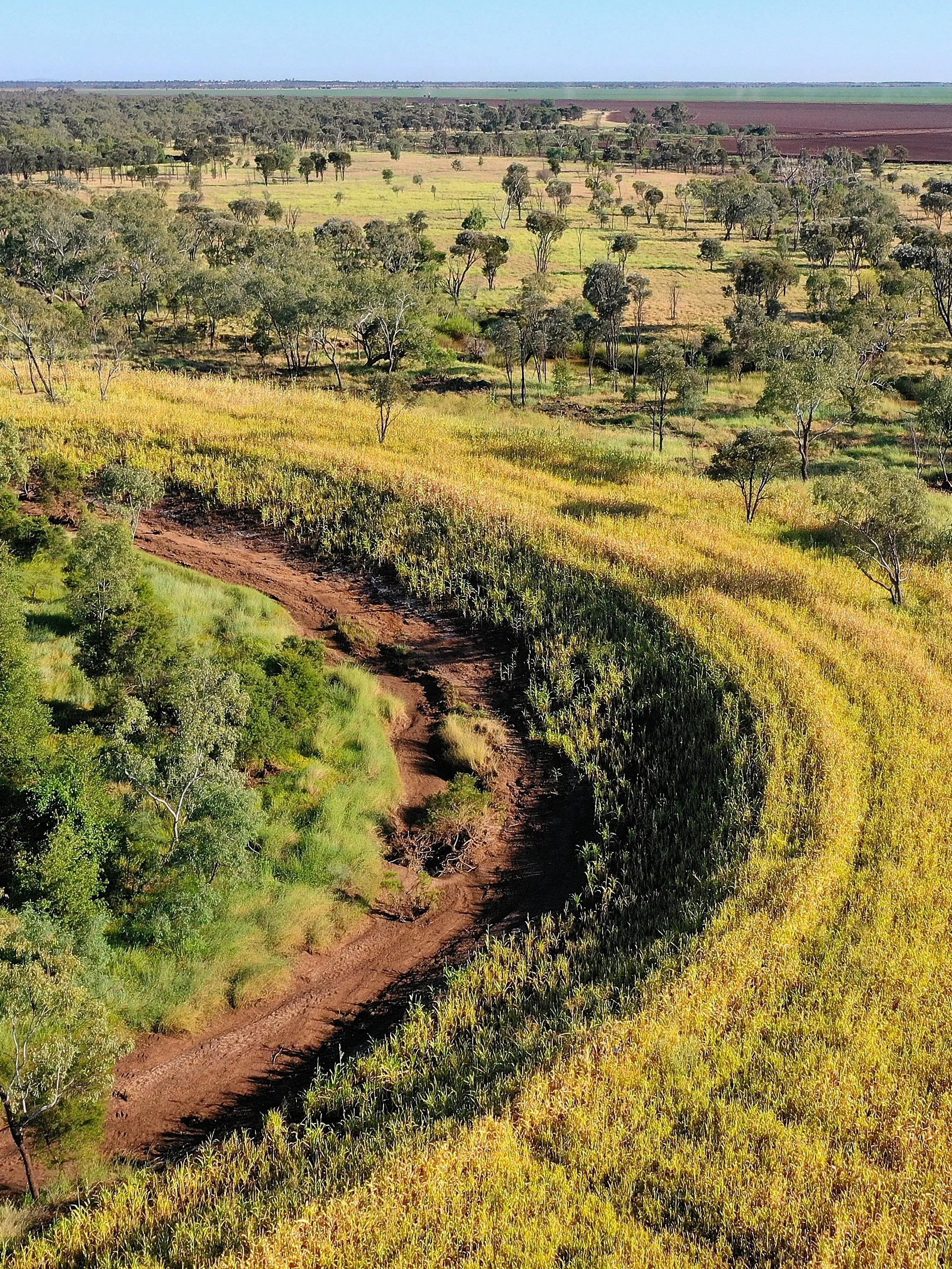
Rehabilitated streambanks may look successful while vegetation is establishing and river levels remain low, but the real test comes when the next major flood arrives.
New peer-reviewed research from Alluvium Consulting and the School of Geography, Earth and Atmospheric Science at the University of Melbourne provides compelling evidence that integrated streambank rehabilitation can substantially reduce erosion during these high-flow events.
The $13k Investment That Can save Millions in Landscape Rehabilitation Delivery
In landscape rehabilitation, success isn’t just determined by what you do, but also when you do it.
Rainfall, soil moisture, wind and temperature all influence whether work can proceed, whether plants establish, and how systems perform over time.
Many projects still rely on distant weather stations or historical averages to guide critical decisions, but in reality, site conditions don’t always match the forecast.
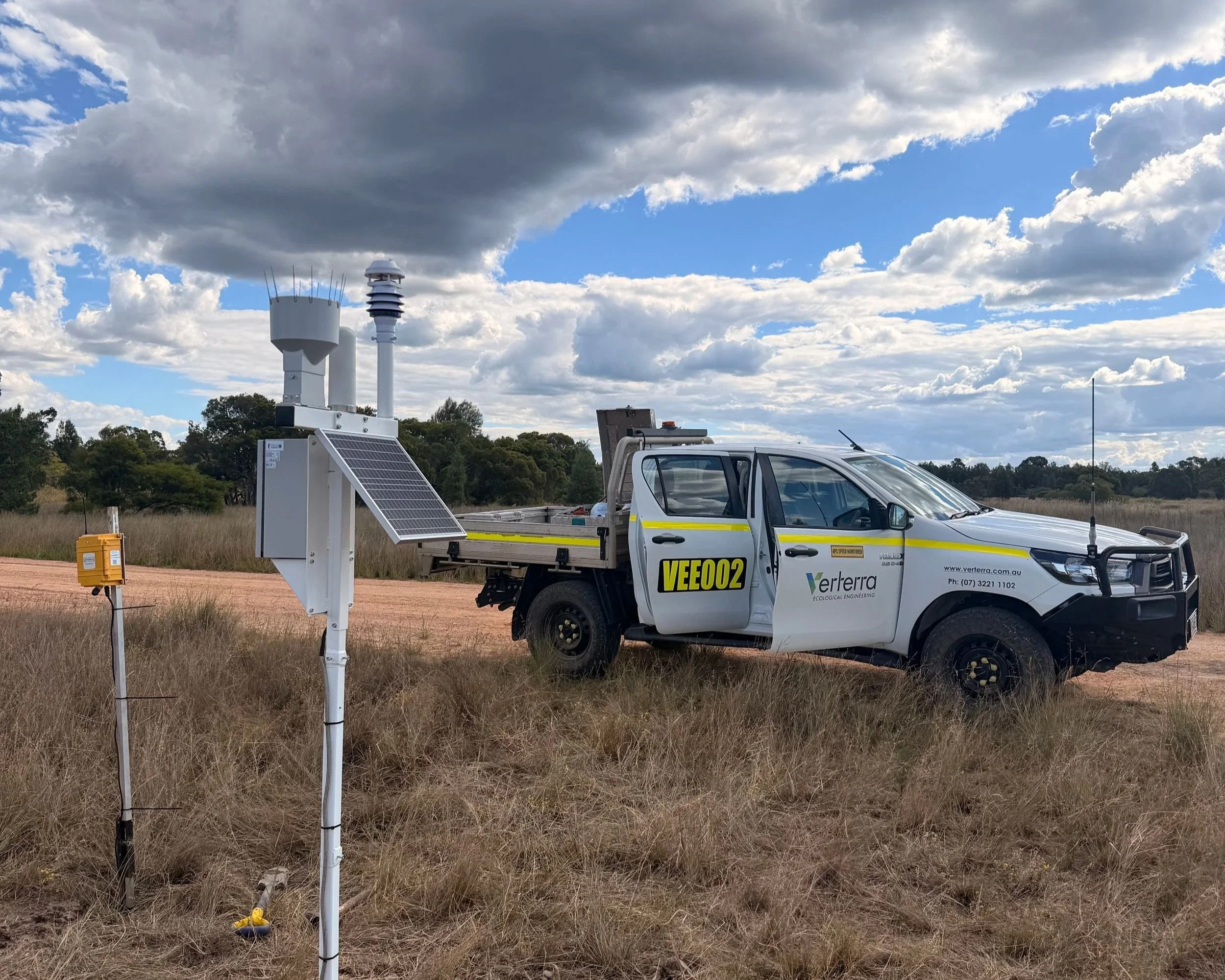
Installing a site-based weather station changes how rehabilitation projects are planned and delivered.
Planting Isn’t Restoration: What Really Determines Rehabilitation Success
Across the mining, infrastructure and land development sectors, restoration has become a central measure of environmental performance. Increasing regulatory scrutiny, ESG commitments and closure obligations mean that operators have to do more than just plant vegetation, they need to make sure it flourishes long-term. In other words, rehabilitation outcomes are no longer optional - they must be demonstrable, durable and defensible
In response, new technologies have emerged promising faster deployment, large-scale planting and increasingly sophisticated monitoring. While these tools can play a valuable role, they risk reinforcing a persistent misconception:
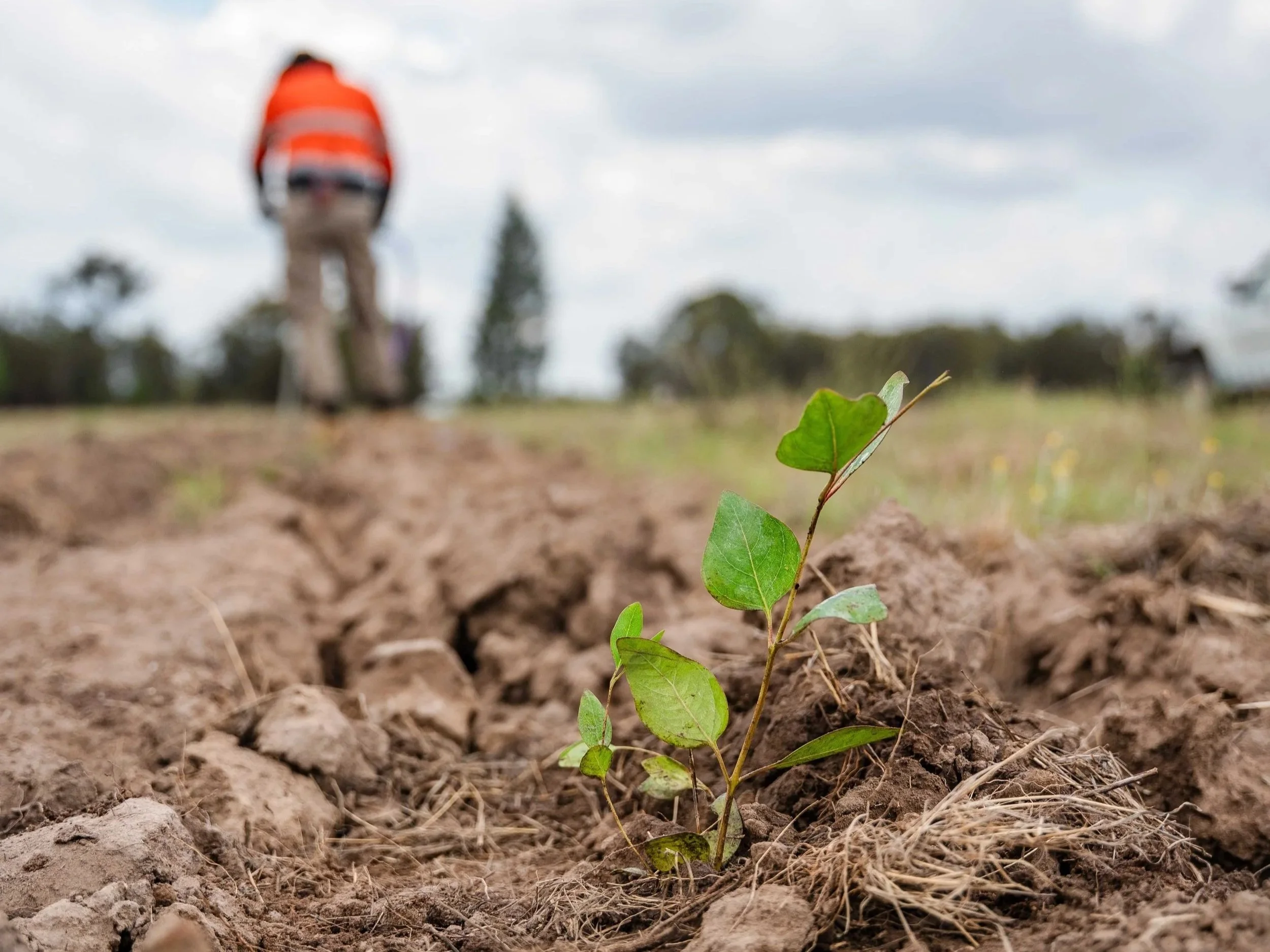
Landscape restoration is not defined by how much is planted, but by whether the resulting ecosystems function and endure.
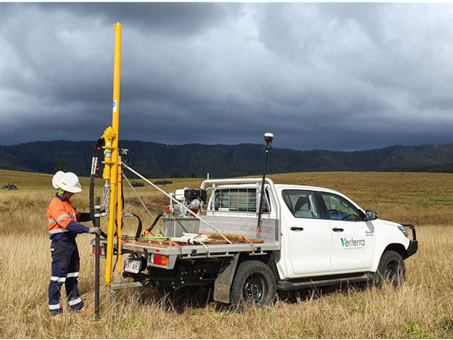
Why Soil Sampling is the Foundation of Successful Land Rehabilitation
When land rehabilitation fails, the cause is rarely at the surface. Vegetation struggles to establish. Slopes erode. Water runs off instead of infiltrating. Closure criteria are missed. Carbon, forestry, or biodiversity projects underperform. And ultimately, remediation costs escalate.
In most cases, the problem can be traced back to one thing: the soil beneath our feet.
At Verterra, soil sampling is not a box-ticking exercise. It is the foundation of every successful rehabilitation, soil amelioration and land-performance outcome we deliver.
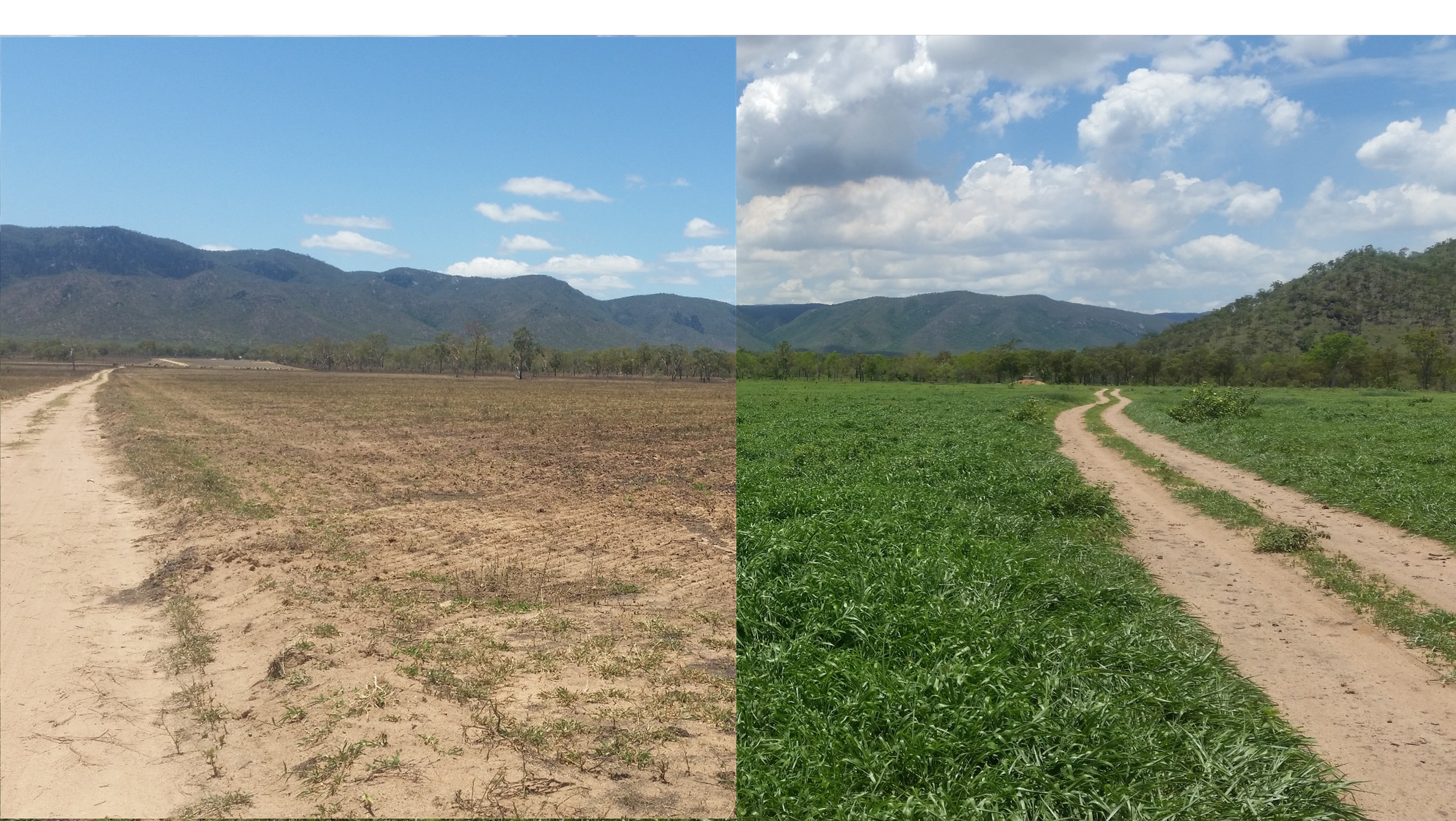
Biosolids in Australia: Separating Myths from Reality
Across Australia, biosolids are becoming an increasingly valuable resource for improving soil health, boosting productivity and closing nutrient loops. Yet despite decades of safe use and clear state and national guidelines for usage, misconceptions still hold many landholders back from taking advantage of this opportunity.
At Verterra, we work with utilities, processors and farmers to develop safe, reliable and scientifically robust biosolids programs. Below, we break down some of the most common myths—and the real facts behind them.
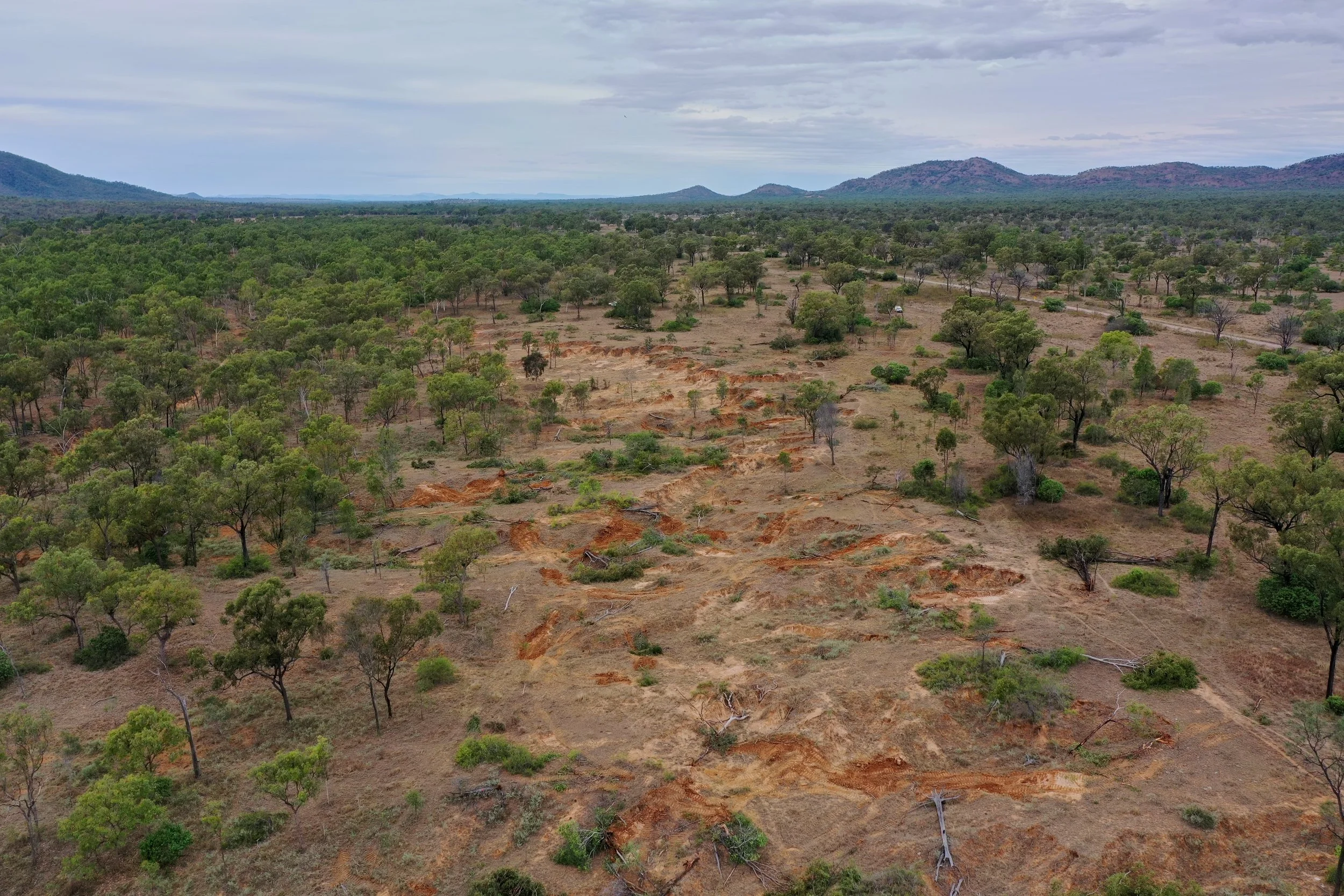
Bowen Gully Rehabilitation Project: A Foundational Reef Credit Project
Queensland’s Bowen River catchment has the dubious honour of being home to some of the highest sediment loads entering the Great Barrier Reef. But now, a groundbreaking project aims to help change that by setting a new benchmark for privately funded gully repair.
Operating under the Reef Credits Gully Method, the Bowen Gully Rehabilitation Project, completed construction in September, and has the potential to reduce sediment load to the Great Barrier Reef by up to 500 tonnes per year. Verterra Ecological Engineering delivered the project, leveraging its deep expertise in land rehabilitation and soil amelioration to deliver a solution that will transform the eroded landscape and help safeguard the future of the Great Barrier Reef.

The Global Nature Positive Summit
Glenn Dale's reflection on the Global Nature Positive Summit, the first global dialogue aimed at exploring and initiating effective ways to realise global commitments under the December 2022 Kunming-Montreal Global Biodiversity Framework.