
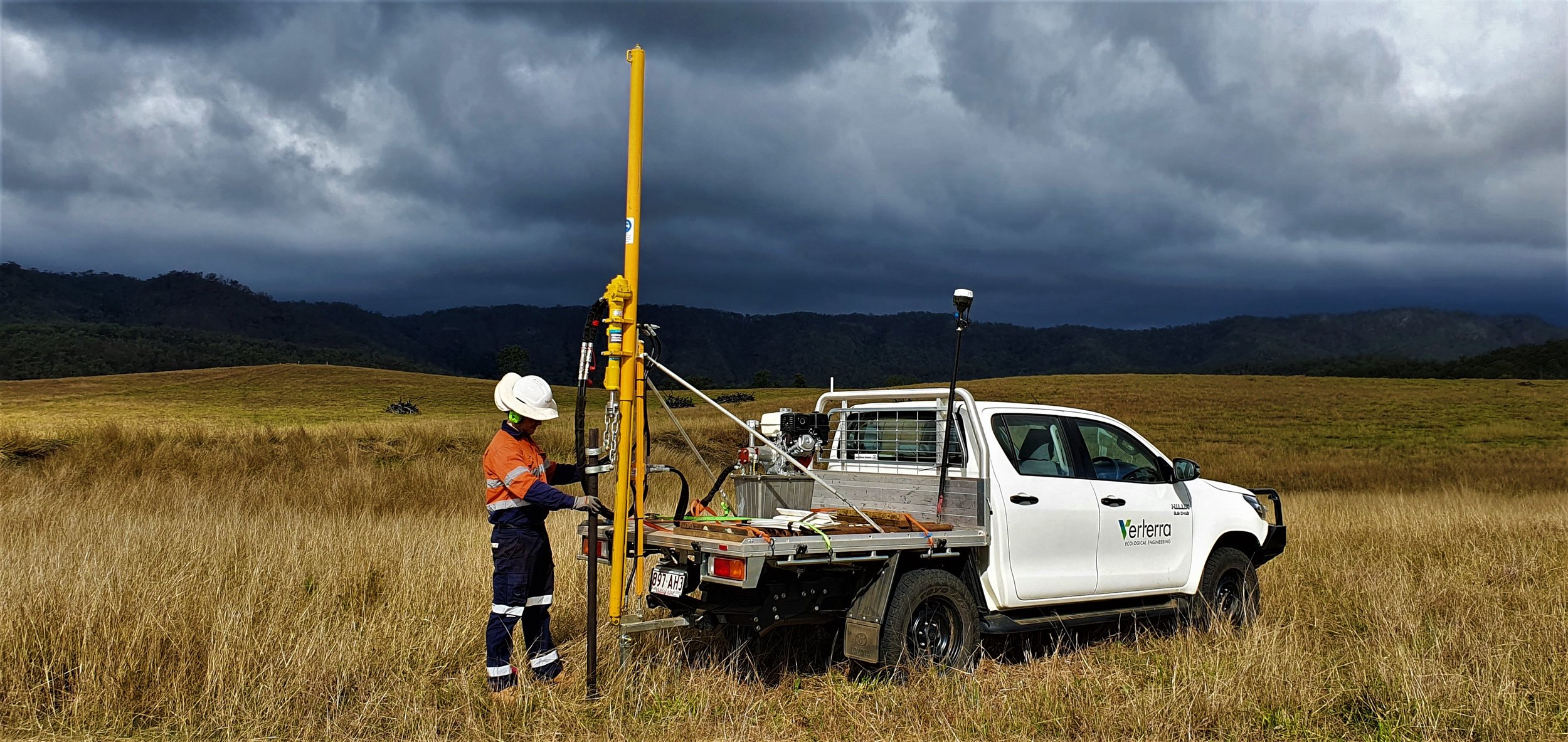
Verterra Projects
Discover our on-ground expertise in project design and delivery.
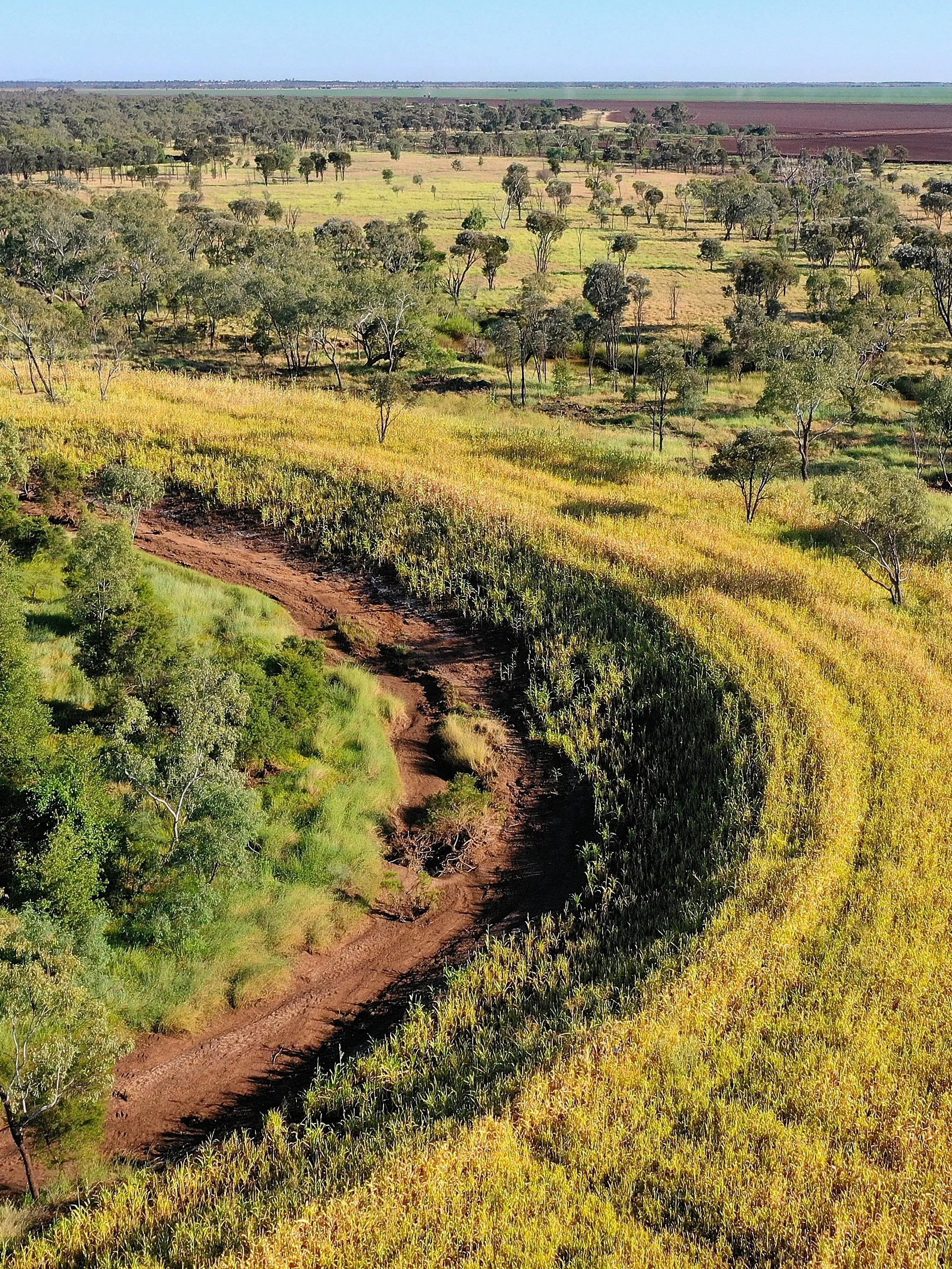
Logan Creek Streambank Rehabilitation
This project rehabilitated severely eroded streambanks along Logan Creek following extreme rainfall and flooding in the 2021–22 severe weather season. The collapse of streambanks had caused loss of valuable riparian vegetation and was adversely impacting aquatic habitat and water quality downstream. Funded jointly by the Queensland and Australian Governments under the Disaster Recovery Funding Arrangements (DRFA), the project aimed to stabilise riparian areas, restore ecological function and improve catchment resilience to future flood events.
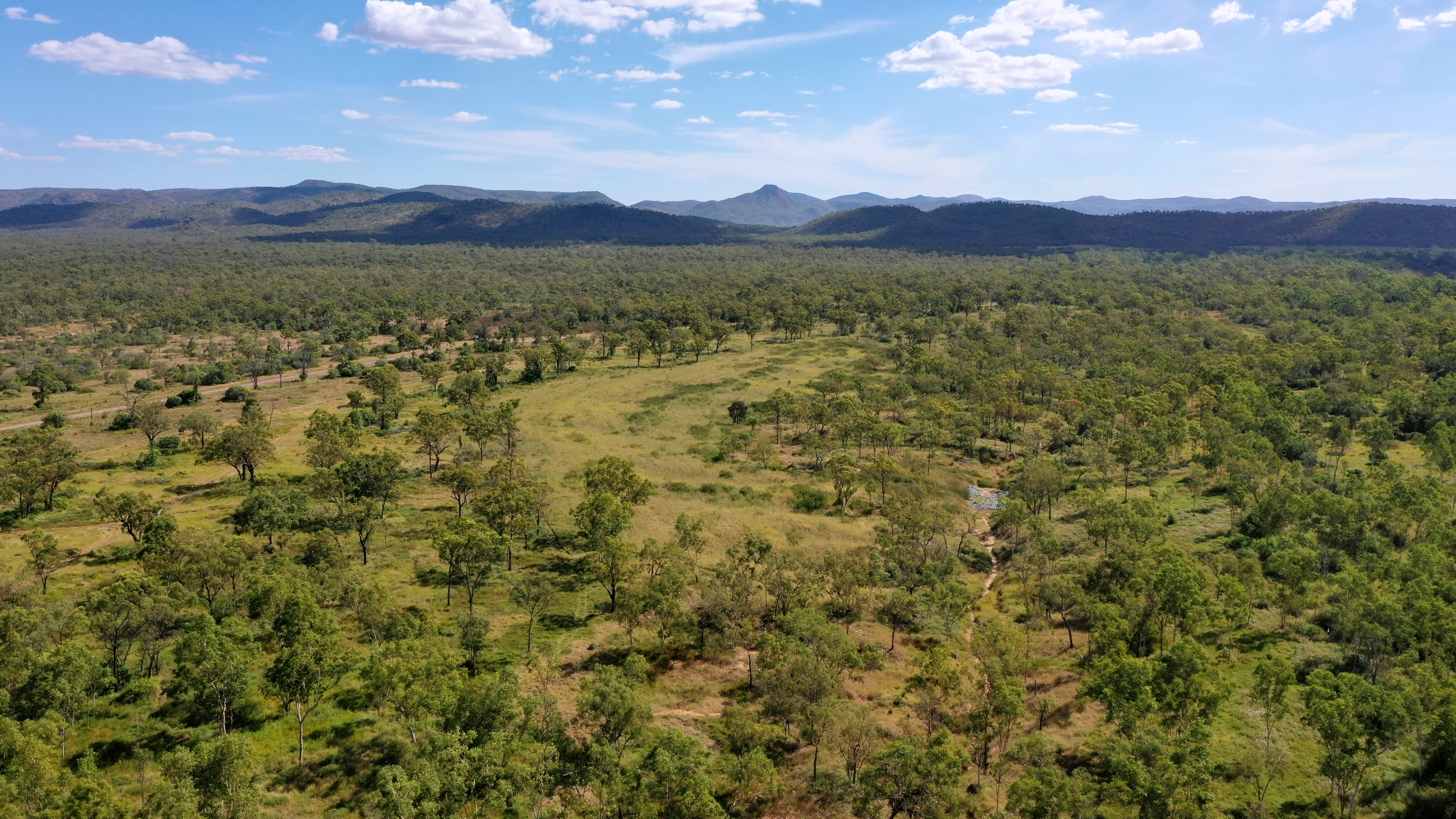
Gully Rehabilitation for Envomark Reef Credits
For this ReVert Landscape Rehabilitation project Verterra was engaged to rehabilitate a large, actively eroding gully system adjacent to the Bowen River in North Queensland. Delivered in partnership with Alluvium through the Landscape Restoration Partnership, this project represents Australia’s first gully rehabilitation initiative registered under the ENVOMARK Reef Credit Methodology - establishing a benchmark for large-scale sediment reduction projects designed to improve water quality flowing to the Great Barrier Reef.

Coal Seam Gas Water Reuse through Irrigation Feasibility and Design
With planning underway for the staged development of up to 15 coal seam gas (CSG) wells in two Extended Production Test areas, the client sought an economically and environmentally sustainable option to manage the production of up to 1.8ML of highly saline and sodic CSG water per day.
Rather than investing in expensive reverse osmosis or disposal pathways, a beneficial reuse option involving agricultural irrigation trials was proposed. To ensure success, the proposal required in-depth feasibility, design, and regulatory compliance support to assess viability and satisfy a Water Management Strategy and Environmental Authority conditions.

From Effluent to Asset: Supporting Agricultural Reuse through the Wamuran Irrigation Scheme
With the population of the Caboolture River catchment expected to increase by over 100,000 people in the next 20–25 years, Unitywater faced a growing challenge: how to sustainably manage the effluent produced by the South Caboolture Sewage Treatment Plant (STP). Although effluent is A-grade and suitable for a range of non-potable uses, without intervention, the increased nutrient loading could threaten the health of the Caboolture River and downstream waterways.
To address this, Unitywater launched the Wamuran Irrigation Scheme (WIS)—a circular economy initiative to beneficially reuse treated effluent in agriculture. Verterra was appointed to provide deep expertise in agronomy, irrigation, land capability, and environmental planning to help guide the project’s success.
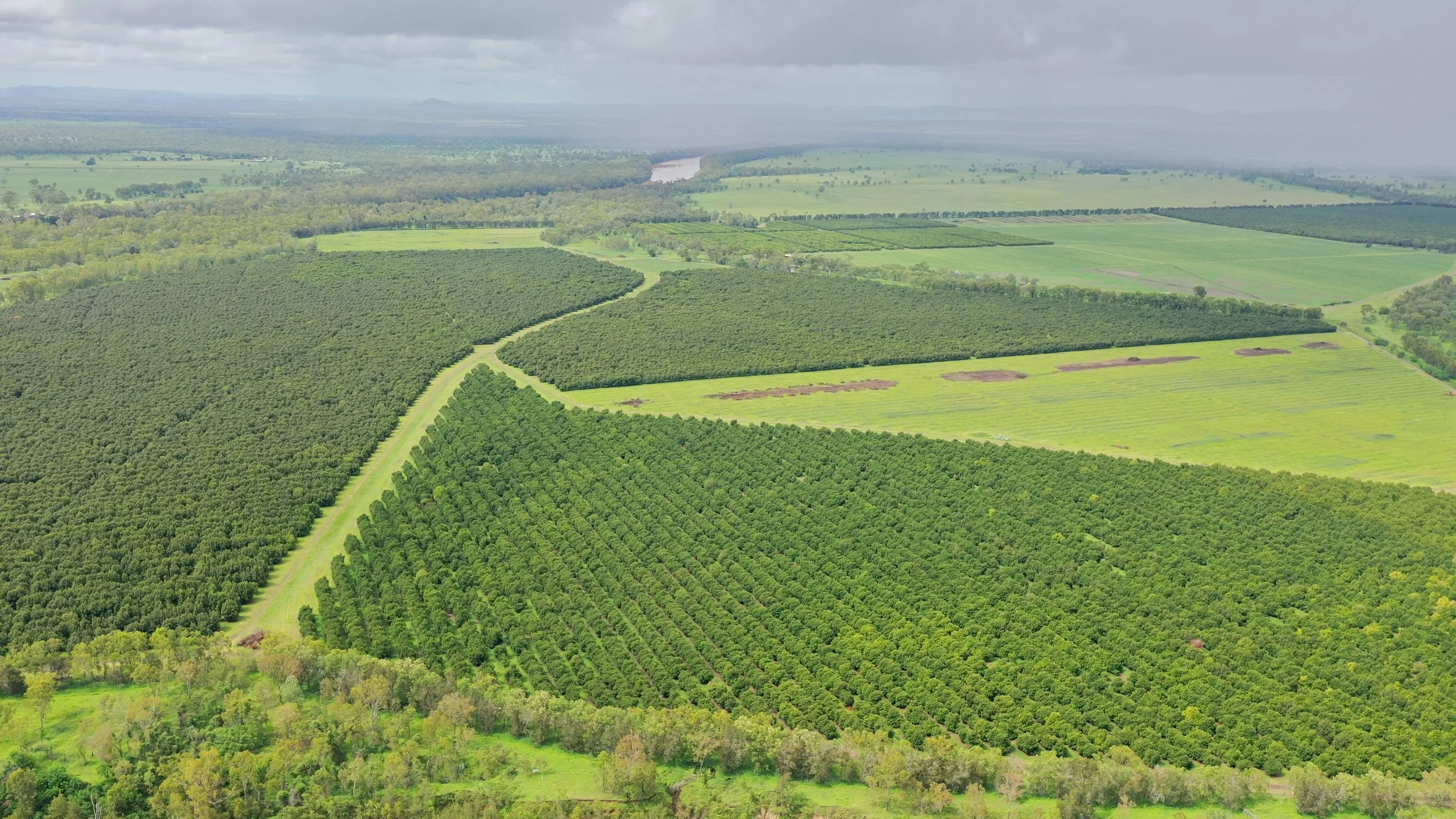
Informing Practice Change in Irrigated Landscapes
Northern Australia is considered a high-potential region for expanding irrigated agriculture due to the availability of rainfall and relatively undeveloped land. However, increasing land under irrigation can elevate the risk of sediment, nutrient, and pesticide runoff—particularly into sensitive waterways that feed into the Great Barrier Reef. In this case study, Verterra demonstrates how a thorough understanding of environmental risk is the first step to designing irrigation schemes with minimal off-site impact.

Beneficial Re-use of Biosolids
Verterra is providing an ongoing operational service for managing beneficial reuse of 37,000t/year of biosolids, including transport logistics, crop nutrition, data management and regulatory compliance.

Major Integrated Project: “Wet Tropics People – Setting the Course for the Reef.”
The project focussed specifically on improving water quality from cane and banana farms in the Tully and Johnstone River Catchments.

Fitzroy River Water Quality Improvement Project
Verterra’s largest project to date, providing a novel solution to water quality improvement that combines grazing improvement with ecosystem service market opportunities such as carbon farming and reef credits administered through 3rd parties.

Reef Water Quality in Agriculture Developments
Objectives of this project include delivery of a South Yaamba Reef Water Quality Precinct Plan to provide support to the South Yaamba area and to selected landholders in the broader Fitzroy Food Bowl who are progressing irrigation developments on their land to achieve reef water quality outcomes (reduce sediment, pesticide, and nutrient export).

Landholder Engagement Agribusiness
As part of the Rookwood Weir water release tendering process, Verterra worked closely with 10 landholders to prepare Agriculture Development plans and Business plans to assist landholders evaluate their development options and enable them to bid for new water allocations.

Mt Wickham Gully Rehabilitation
Innovative Design and operational delivery over two phases of alluvial gully rehabilitation at th Mt Wickham property, 38km WNW of Collinsville aimed at erosion control, and water quality improvements from significant reduction of fine sediment loss to regional waterways that directly impact the Great Barrier Reef Lagoon with ecosystem stresses, including to inshore reef and seagrass beds.

Major Integrated Project: “Landholders Driving Change”
This project actively engaged graziers and landowners in the Bowen, Bogie, and Broken River Catchments to contribute to design land condition, pasture cover and productivity solutions to stem erosion and subsequent sediment run-off into local waterways.

Burnett-Mary Horticulture 1-on-1 Delivering Tailored Solutions
Verterra engaged with 60 horticultural growers (macadamia, avocado, sweet potato) in the Burnett-Mary Horticultural region, providing growers with detailed farm mapping (EM), soil analysis and agronomic advice designed to promote best outcomes in nutrient management and soil health for increased farm productivity.

Agricultural Water Demand for the North Queensland Region and Potential Impacts due to Climate Change
Sunwater and Qld Department of Natural Resources are faced with numerous proposals for irrigation development. Variation in the basis for economic, agronomic and yield assumptions between regions renders meaningful comparison of relative crop competitiveness in each region impossible.

Rookwood Weir Crop Suitability and Water Demand
Synergies Economic Consulting was engaged by Sunwater to provide advice on the economics of crop options for the proposed new irrigation development at Rookwood Weir. Verterra was requested to support Synergies by providing agronomic advice on crop suitability for the range of soils within thin Rookwood Weir irrigation zone, the range in expected crop productivities, and projected crop water demand.

North and North-West Queensland Cotton Production Area Suitability Evaluation
For over 20 years various cotton growing trials have been undertaken in the Far North and North West of Queensland. Multiple proponents have contemplated the development of a cotton gin to increase the production efficiency of cotton cropping in the region.

Reef Credit Method Development
Verterra developed the Grazing Land Management (GLM) Reef Credit Methodology in collaboration with AgriProve and GreenCollar. The Method allows farmers to generate Reef Credits and generate an alternative income stream by improving grazing practices and reducing fine sediment runoff, a critical step in protecting the Great Barrier Reef.