
Building an Evidence-based Mine Rehabilitation Pathway
Services: Soil and spoil assessment, amelioration design, seed specification, rehabilitation planning and Progressive Rehabilitation and Closure Plan (PRCP) support
Location: Queensland
Date: 2021
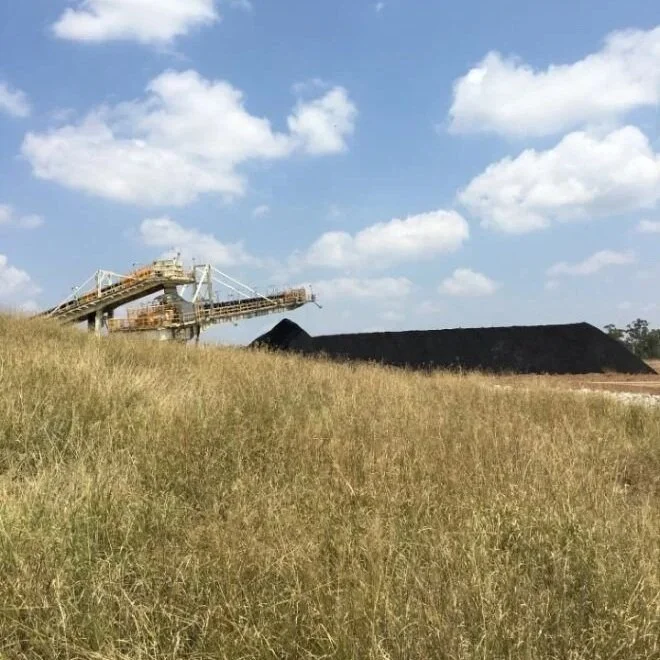
Adopting a targeted approach to rehabilitation requires in-depth assessment
Our Scope
This client wanted to move away from relying primarily on rock mulch for rehabilitation and adopt a more targeted approach based on the characteristics and risks of the materials available across the mine site.
Verterra was engaged to assess the soils and spoils and recommend amelioration treatments and seed specifications. This work led to the development of a comprehensive revegetation plan to support the mine’s Progressive Rehabilitation and Closure Plan (PRCP).
PROVE
Work began with an evaluation of the inherent physical and nutritional constraints of available on-site rehabilitation materials, including main spoil, topsoil and tertiary spoil.
Using Verterra’s proprietary ReVive soil nutrition and limitations assessment methods, the team determined amendment requirements. Alternative amelioration rates, treatment depths and design approaches were then evaluated using our ReVert landscape rehabilitation tool to model erosion-risk outcomes for the different rehabilitation approaches.
This assessment allowed the site to be divided into appropriate management zones rather than applying a uniform rehabilitation treatment across materials with different properties and limitations.
To support development of the Revegetation Plan, Verterra also reviewed the the mine’s Extension Project Environmental Values Assessment, the site’s Environmental Authority and other relevant rehabilitation and revegetation documentation.
IMPROVE
The assessment was translated into practical rehabilitation specifications for each management zone.
Verterra prepared:
Recommended amelioration treatments for the different spoil and topsoil materials
Specifications covering amendment rates and treatment depths
Seed mixes aligned with Environmental Authority requirements for each zone
Spatial maps showing the recommended rehabilitation treatment for each area
Technical input to the rehabilitation risk assessment
A comprehensive Revegetation Plan addressing the applicable PRCP Guidelines
This provided the client with a site-specific approach that connected material constraints, erosion risk, vegetation establishment requirements and intended rehabilitation outcomes.
VALUE
The combined work gave the client a technically defensible basis for progressing its rehabilitation decisions and moving beyond a predominantly uniform rock-mulching approach.
Rather than relying on a single treatment across the site, the client received differentiated recommendations suited to the properties and risks of each management zone.
The accompanying specifications and maps were designed to support practical field implementation, while the Revegetation Plan established a documented pathway for meeting PRCP requirements.
The result was an integrated rehabilitation framework that improved decision confidence and positioned the client to pursue more resilient and productive post-mining outcomes.